
San Antonio, Texas, often known as the Alamo City, is a vibrant and historically rich metropolis that continuously captures the attention of both prospective residents and eager travelers. More than just a destination brimming with iconic landmarks and a unique blend of cultures, San Antonio is a rapidly growing urban center, making its demographic profile a topic of significant interest. For anyone considering a visit, a relocation, or simply curious about the dynamics of one of the United States’ largest cities, understanding its population is key to grasping its present character and future trajectory. The city’s population isn’t merely a number; it’s a reflection of its economic vitality, cultural diversity, and enduring appeal as a hub for tourism, business, and an exceptional quality of life. This article will delve into the current population figures, explore the factors contributing to its remarkable growth, and illustrate how this dynamic demographic landscape shapes San Antonio’s identity as a premier travel destination, a thriving residential area, and a captivating blend of history and modernity.
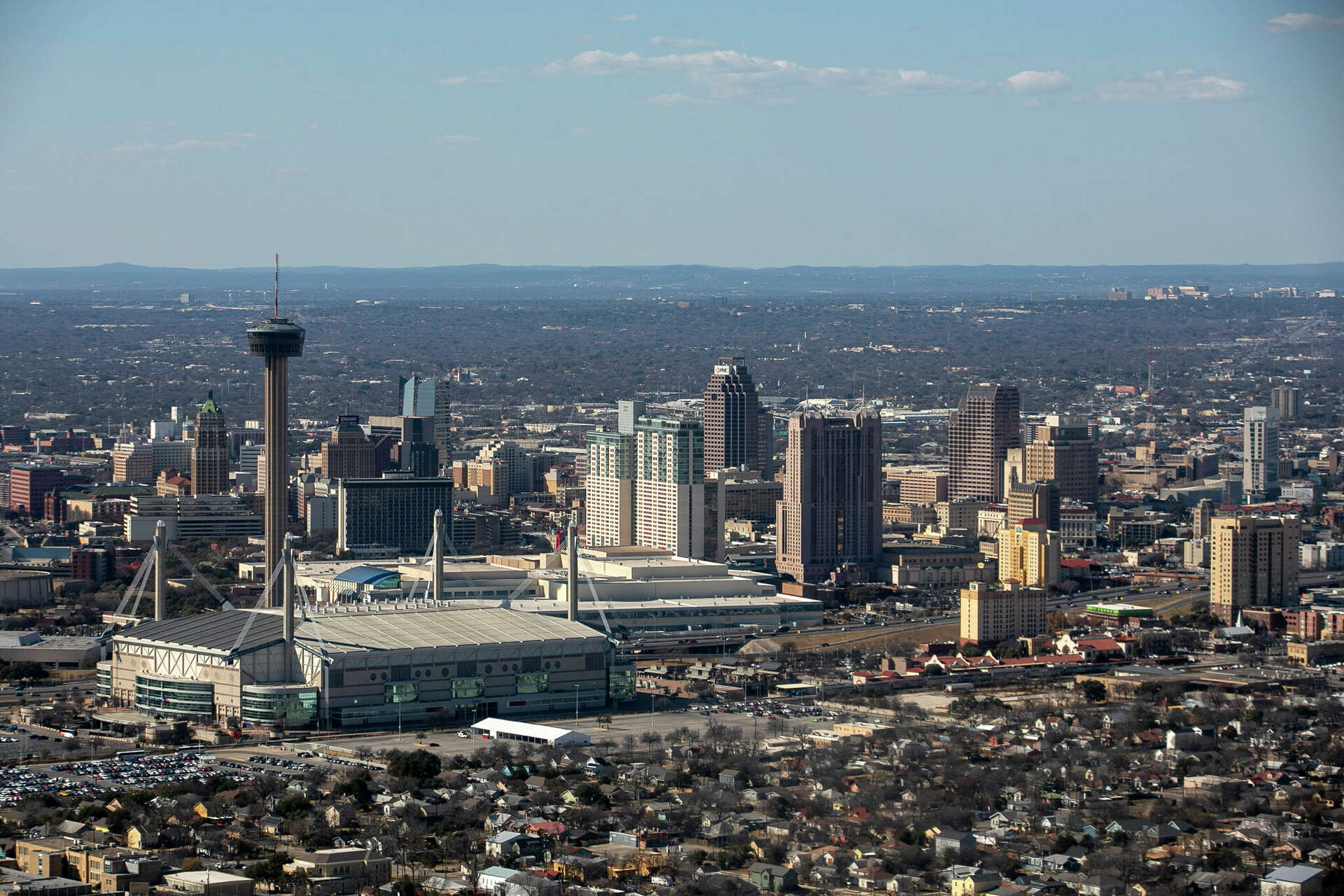
A Growing Metropolis: San Antonio’s Population at a Glance
San Antonio’s demographic journey is one of consistent expansion, transforming it from a frontier outpost into a major urban force. Its population growth is a testament to its multifaceted appeal, drawing individuals and families from across Texas and beyond. The city has steadily climbed the ranks of the largest cities in the United States, a clear indicator of its burgeoning influence and increasing demand for its unique lifestyle. This section will provide an up-to-date look at San Antonio’s population, offering context on its growth and a glimpse into the diverse fabric of its residents.
Current Population and Recent Trends
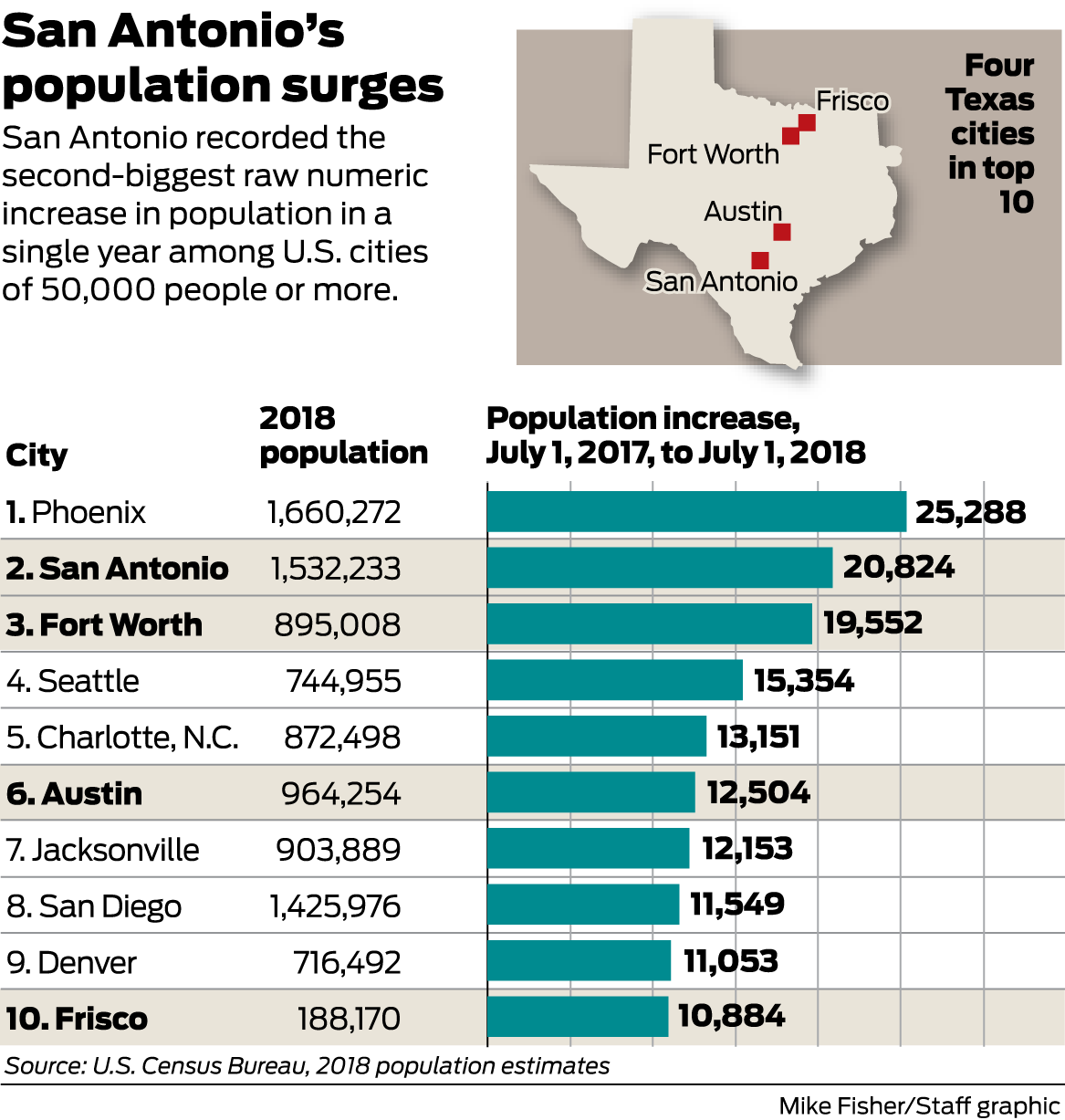
According to the latest estimates from the U.S. Census Bureau, the population of San Antonio is approximately 1.5 million people, making it the second-most populous city in Texas, just behind Houston, and the seventh-largest city in the entire United States. When considering the broader metropolitan area, which includes surrounding counties, the population swells to well over 2.6 million, underscoring its significant regional footprint.
The growth trajectory of San Antonio has been remarkable over the past few decades. From 2010 to 2020, the city experienced a robust growth rate, adding hundreds of thousands of new residents. This upward trend shows no signs of abating, with projections indicating continued expansion in the coming years. This consistent influx of people highlights San Antonio’s attractiveness as a place to live, work, and visit. The city’s strategic location in South Central Texas, combined with its vibrant economy and rich cultural heritage, continues to fuel this demographic boom, positioning it as a key player in the national urban landscape. The population density, while growing, still offers a more relaxed pace compared to some of the nation’s most densely packed cities, contributing to its high quality of life.
Factors Driving Growth and Demographic Insights
Several key factors contribute to San Antonio’s sustained population growth. Economically, the city boasts a diversified and resilient job market. It is a significant hub for military installations, hosting several major bases like Joint Base San Antonio (comprising Fort Sam Houston, Lackland Air Force Base, and Randolph Air Force Base), which not only employ thousands but also contribute to a dynamic transient population. Beyond the military, San Antonio has a robust healthcare and bioscience sector, with institutions like the South Texas Medical Center acting as major employers. The tourism and hospitality industries are foundational, generating thousands of jobs and attracting entrepreneurs. More recently, the city has seen significant investment in cybersecurity and technology, fostering a growing innovation ecosystem that attracts a younger, skilled workforce.
Affordability plays a crucial role in drawing new residents. Compared to other major Texas cities like Austin or Dallas, San Antonio generally offers a more accessible cost of living, particularly regarding housing. This makes it an attractive option for families and individuals seeking urban amenities without the exorbitant price tag. Migration patterns show a strong inflow from other parts of Texas, as well as from other U.S. states and internationally, particularly from Mexico, contributing to its vibrant cultural mosaic.
Demographically, San Antonio is one of the most diverse cities in the United States. Its population is predominantly Hispanic, reflecting a deep historical connection to Mexico and Spain. This cultural richness is evident in everything from its cuisine and music to its art and community festivals. The city also has significant Anglo, African American, and Asian populations, creating a truly multicultural environment. The age distribution is relatively young, driven by strong birth rates and the influx of young professionals and military families. This blend of cultures and generations fosters a dynamic atmosphere that is both deeply rooted in tradition and forward-looking, making San Antonio a fascinating place to explore and experience.
San Antonio: A Magnet for Travel and Tourism
The sheer volume of people who choose to visit San Antonio each year is nearly double its resident population, underscoring its immense appeal as a tourist destination. This constant flow of visitors, combined with its burgeoning local population, creates a dynamic environment that impacts everything from its urban planning to its vibrant local culture. For visitors seeking unforgettable experiences, San Antonio offers an unparalleled blend of history, culture, and entertainment, making it one of the top choices for travel in the United States. The city’s infrastructure and services are continually evolving to cater to both its growing resident base and its millions of annual guests, ensuring a seamless and enriching experience for all.
Iconic Landmarks and Cultural Tapestry
San Antonio’s status as a premier travel destination is anchored by its array of iconic landmarks and a cultural tapestry woven from centuries of diverse influences. Foremost among these is The Alamo, a site of profound historical significance that symbolizes the spirit of Texas independence. Millions visit this former mission each year, drawn by its compelling story and enduring legacy. Just steps away, the world-renowned San Antonio River Walk offers a picturesque urban oasis. Lined with cypress trees, charming cafes, boutiques, and hotels, the River Walk provides a unique pedestrian experience, whether for a leisurely stroll, a boat cruise, or an al fresco dining adventure.
Beyond these central attractions, San Antonio is home to the San Antonio Missions National Historical Park, a UNESCO World Heritage Site. This park preserves four Spanish colonial missions — Mission San José, Mission Concepción, Mission Espada, and Mission San Juan Capistrano — offering a captivating glimpse into early Texas history and the enduring architectural legacy of Spain. These missions are not just historical sites but active parishes, allowing visitors to connect with centuries-old traditions.

The city’s cultural richness extends to its vibrant arts scene, with numerous museums like the San Antonio Museum of Art and the McNay Art Museum, showcasing everything from ancient artifacts to contemporary masterpieces. Festivals, such as the grand Fiesta San Antonio, celebrate the city’s diverse heritage with parades, music, and food, drawing immense crowds. The culinary scene is a highlight, offering authentic Tex-Mex, innovative farm-to-table restaurants, and world-class fine dining, reflecting the blend of Spanish, Mexican, and American influences that define San Antonio’s identity. This deep integration of history, art, and gastronomy creates an immersive experience that caters to all types of travelers, from history buffs and culture enthusiasts to foodies and families.
The Economic Impact of Tourism on Population Dynamics
Tourism is not merely a cornerstone of San Antonio’s identity; it’s a powerful engine driving its economy and significantly influencing its population dynamics. The approximately 37 million tourists who visit San Antonio annually generate billions of dollars in revenue, which directly supports tens of thousands of jobs across the hospitality sector. This includes positions in hotels, restaurants, retail, transportation, and entertainment venues, attracting a steady stream of individuals seeking employment opportunities. The demand for these services creates a robust job market, which in turn contributes to the city’s overall population growth, drawing talent and labor from surrounding areas and beyond.
The substantial revenue generated by tourism also enables significant investment in urban infrastructure and public amenities. Funds are channeled into maintaining and enhancing popular attractions, improving transportation networks, and developing new recreational facilities, all of which benefit both residents and visitors. The presence of a thriving tourism industry often leads to a higher standard of living and diverse cultural offerings for the local population. For example, the wide array of dining options, entertainment venues, and cultural events available to tourists also enhances the lifestyle experience for San Antonio residents.
Furthermore, tourism fosters entrepreneurship. The constant demand from visitors creates opportunities for local businesses, from boutique shops along the River Walk to specialized tour operators. This entrepreneurial spirit contributes to a dynamic economic environment, attracting individuals who wish to start new ventures or find opportunities within the established tourism ecosystem. The interplay between a growing resident population and a robust tourism sector creates a virtuous cycle, where each reinforces the other, ensuring [San Antonio](https://lifeoutofthebox.com/san-antonio]’s continued vibrancy and economic health. This symbiotic relationship underscores how critical tourism is, not just for the city’s image, but for the livelihood and growth of its populace.
Navigating Accommodation and Lifestyle in the Alamo City
For both its growing resident population and its millions of annual visitors, San Antonio offers an extensive range of options for accommodation and a distinctive lifestyle. From luxurious stays catering to discerning travelers to comfortable, budget-friendly options for extended visits, the city’s hospitality sector is as diverse as its population. Beyond temporary stays, the everyday lifestyle in the Alamo City balances historical charm with modern conveniences, offering a unique blend of community, culture, and economic opportunity that attracts a wide demographic. Understanding these aspects is crucial for anyone considering a trip or a long-term move to this dynamic Texas hub.
Diverse Accommodation Options for Every Visitor
The thriving tourism industry and growing population of San Antonio necessitate a broad spectrum of accommodation choices, ensuring that every traveler, regardless of their budget or preference, can find a suitable place to stay. Luxury travelers will find opulent resorts and boutique hotels that offer world-class amenities and exceptional service. Examples include the acclaimed Hotel Emma at the historic Pearl District, known for its industrial-chic design and culinary excellence, and the Mokara Hotel & Spa, which provides a serene escape right on the River Walk. For those seeking grandeur and convenience, the Grand Hyatt San Antonio River Walk offers stunning views and direct access to the city’s main attractions.
Mid-range hotels and charming bed and breakfasts are plentiful, particularly around the downtown area and the River Walk, offering comfortable stays with a touch of local character. For budget-conscious travelers or families, there are numerous reputable hotel chains located throughout the city, providing reliable accommodations at competitive prices. Additionally, the rise of vacation rentals, including apartments and villas, offers flexibility and a more localized experience, especially for longer stays or larger groups. Many of these options provide kitchens and living spaces, appealing to those who prefer self-catering or a home-away-from-home feel.
When booking accommodation in San Antonio, it’s advisable to consider proximity to desired attractions, especially during peak seasons like Fiesta San Antonio or major conventions. Reading reviews and comparing prices across different booking platforms can help secure the best deals. For those contemplating an extended stay, whether for work, education, or relocation, San Antonio also offers a wide array of long-term accommodation solutions, from serviced apartments to residential rentals, making the transition to life in the Alamo City smoother and more comfortable.
Living in San Antonio: Lifestyle and Community
Living in San Antonio offers a distinctive lifestyle that blends urban convenience with a strong sense of community and rich cultural heritage. The cost of living, while steadily increasing with population growth, remains relatively affordable compared to other major metropolitan areas in Texas and the United States. This affordability, particularly in housing, allows residents to enjoy a higher quality of life, often with more spacious homes and greater disposable income for leisure and entertainment.
The city is renowned for its family-friendly atmosphere, boasting numerous parks, top-rated schools, and attractions like Six Flags Fiesta Texas and SeaWorld San Antonio. Neighborhoods vary widely, from the historic charm of areas like King William Historic District and Southtown, which offer unique architecture and a vibrant arts scene, to newer, master-planned communities on the outskirts providing modern amenities and suburban tranquility. Each neighborhood contributes to San Antonio’s diverse character, catering to different preferences and lifestyles.
The local community is deeply connected to its Hispanic roots, which permeates daily life through its cuisine, music, and festive celebrations. Residents enjoy a year-round calendar of events, from farmers’ markets at the Pearl District to holiday lights on the River Walk and professional sports events featuring teams like the San Antonio Spurs. For business professionals, San Antonio presents a burgeoning job market in sectors such as healthcare, cybersecurity, and advanced manufacturing, in addition to its robust military and tourism industries. The city’s strategic location also makes it a significant hub for trade and logistics, fostering further economic opportunities. Whether seeking a dynamic urban experience, a culturally rich environment, or a welcoming community to raise a family, San Antonio provides an appealing lifestyle that continues to attract and retain its growing population.
In conclusion, San Antonio’s population of approximately 1.5 million is a dynamic figure that tells a story of sustained growth, cultural richness, and economic resilience. This expanding demographic base not only solidifies its standing as one of the United States’ largest cities but also profoundly influences its vibrant tourism sector, diverse accommodation landscape, and appealing lifestyle. From its iconic landmarks like The Alamo and the River Walk to its thriving job market and family-friendly communities, San Antonio offers a compelling blend of historical depth and modern appeal. Whether you’re planning a trip to immerse yourself in its unique culture, seeking an exceptional hotel experience, or considering making the Alamo City your home, its growing population is a testament to its enduring charm and promising future. San Antonio continues to evolve as a major destination, inviting visitors and new residents alike to experience its captivating blend of heritage, hospitality, and boundless opportunity.
LifeOutOfTheBox is a participant in the Amazon Services LLC Associates Program, an affiliate advertising program designed to provide a means for sites to earn advertising fees by advertising and linking to Amazon.com. Amazon, the Amazon logo, AmazonSupply, and the AmazonSupply logo are trademarks of Amazon.com, Inc. or its affiliates. As an Amazon Associate we earn affiliate commissions from qualifying purchases.