
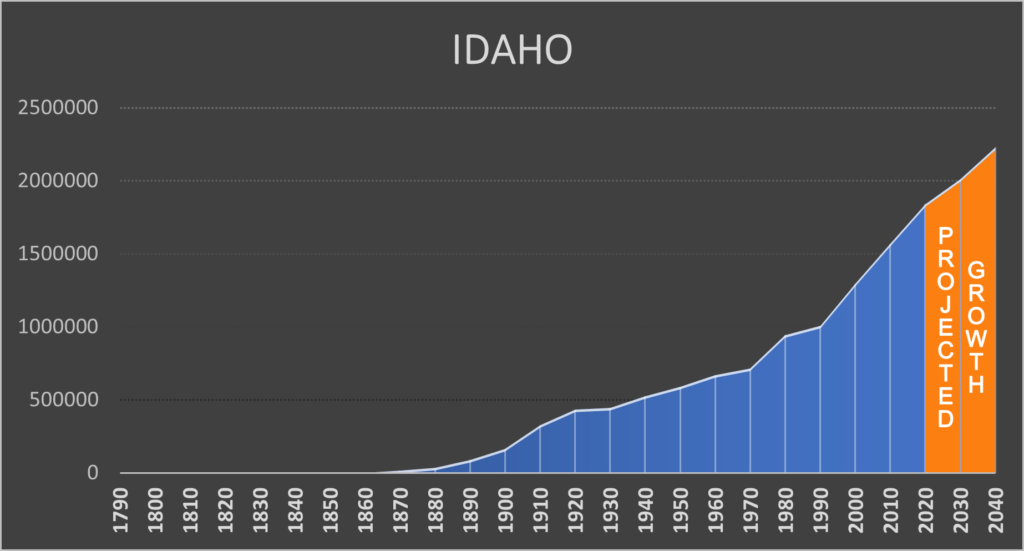
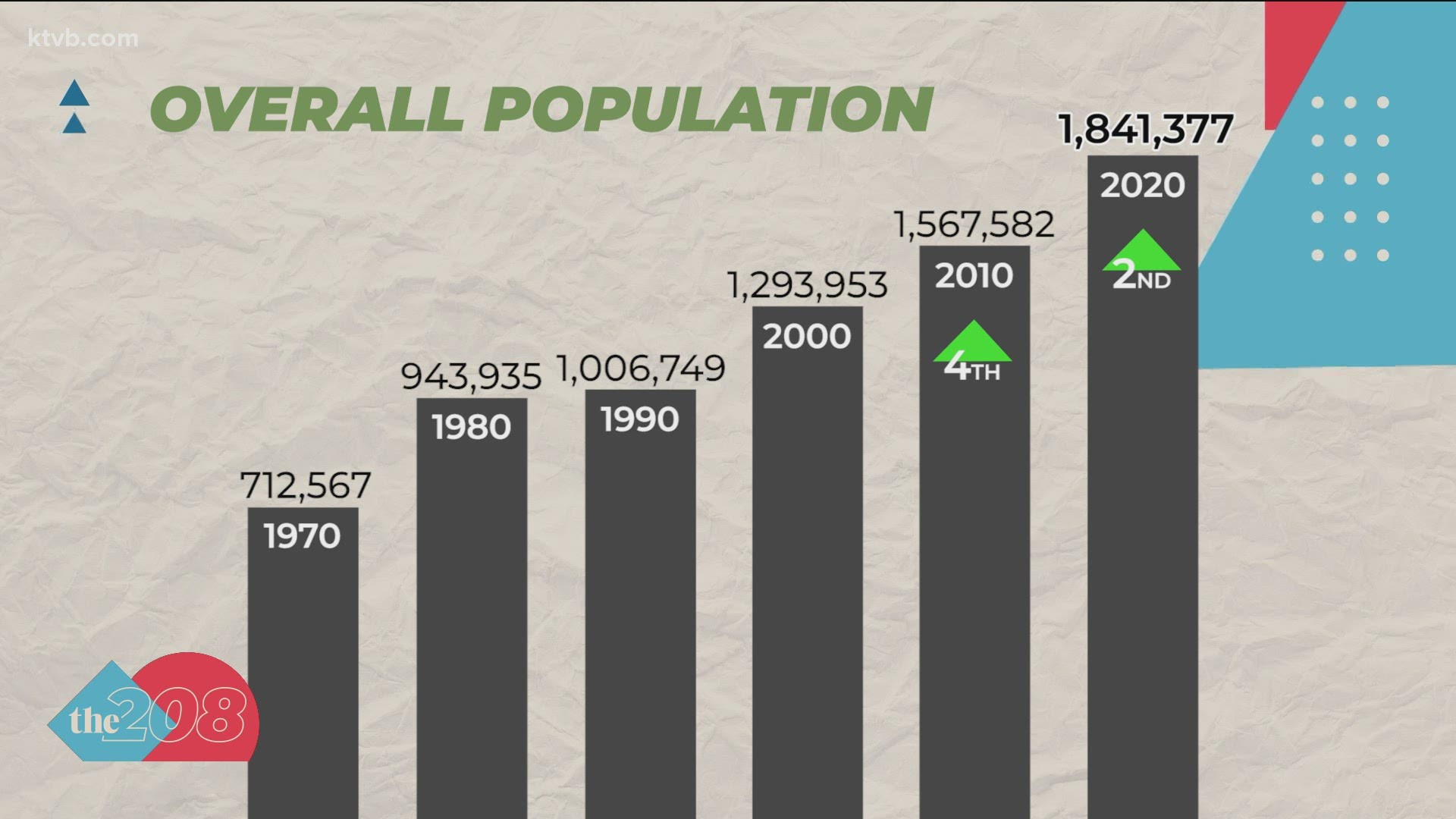
Understanding the population of Idaho is essential for any traveler looking to explore the “Gem State.” Over the last decade, this rugged corner of the United States has shifted from a hidden secret to one of the fastest-growing regions in the country. As of recent estimates, the population of Idaho has surpassed 1.9 million residents, a significant milestone that reflects the state’s increasing appeal. For those interested in tourism, these numbers are more than just statistics; they represent a changing landscape of culture, infrastructure, and accessibility.
From the bustling streets of the Treasure Valley to the quiet, pristine wilderness of the Sawtooth National Forest, the distribution of people across the state dictates the type of experience a visitor can expect. Whether you are seeking a high-energy urban getaway or a solitary retreat into nature, understanding where the people are—and where they aren’t—will help you plan the perfect itinerary.

Idaho’s Demographic Landscape: A Growing Hub in the West
The story of Idaho in the 21st century is one of migration and modernization. While much of the state remains sparsely populated, the urban centers have seen an influx of new residents drawn by the quality of life, outdoor proximity, and economic opportunities.
Breaking Down the Numbers
The 2020 Census marked a turning point for the state, showing a growth rate of over 17% over ten years. This growth is primarily concentrated in the southwestern and northern reaches of the state. While the sheer number of 1.9 million people might seem small compared to neighbors like Washington or Oregon, the density is what matters for tourism. Much of Idaho remains public land, meaning the population is clustered in specific valleys, leaving vast stretches of the state virtually uninhabited.
This demographic shift has brought a younger, more diverse population to the state. Travelers will notice this in the burgeoning tech scenes and the revitalization of historic downtown districts. The “small-town feel” that many visitors seek still exists, but it is now frequently paired with world-class amenities and a sophisticated cultural palate.
The Treasure Valley Boom
The most significant population concentration is found in the Treasure Valley, which encompasses the state capital, Boise. Along with its surrounding cities, Meridian and Nampa, this metropolitan area accounts for nearly half of the state’s total population.
For the tourist, Boise serves as the primary gateway. The city’s growth has led to an explosion of boutique hotels, craft breweries, and fine dining. Meridian, once a sleepy farming community, is now one of the fastest-growing cities in the nation, offering expansive shopping districts and family-friendly entertainment. Meanwhile, Nampa and Caldwell have embraced their agricultural roots while developing a thriving wine industry that rivals better-known regions in the Pacific Northwest.
How Population Growth is Transforming Idaho Tourism
As more people call Idaho home, the local tourism industry has adapted to meet the demands of both residents and visitors. The increase in population has directly influenced the availability of cultural activities, the quality of the food scene, and the preservation of natural sites.
The Rise of the Culinary and Arts Scene
A larger and more diverse population naturally brings a wider variety of tastes and traditions. In recent years, the culinary landscape in Idaho has evolved far beyond the humble potato. New residents from California, Texas, and even international locations have introduced diverse flavors, from authentic street tacos to high-end fusion cuisine.
One of the most unique cultural pillars in the state is the Basque Block in Boise. Idaho is home to one of the largest Basque populations outside of Spain and France. As the city grows, this heritage is celebrated through festivals, museums, and traditional eateries. Furthermore, the increased tax base from a growing population has allowed for greater investment in the arts, resulting in world-class facilities like the Morrison Center and a vibrant mural culture throughout the capital.
Balancing Urban Development with Wilderness Preservation
With more people living in the state, the pressure on natural resources increases. However, Idaho has a long-standing tradition of conservation. The population growth has spurred a renewed interest in maintaining the state’s pristine environments. For the traveler, this means that even though the cities are getting bigger, the “wild” parts of Idaho remain protected.
Areas like the Sawtooth Mountains and the Frank Church-River of No Return Wilderness offer millions of acres where the human footprint is minimal. Tourism boards and local governments have worked together to implement sustainable travel practices, ensuring that the increase in residents doesn’t lead to the degradation of the very landscapes that draw people to the state in the first place.
Regional Highlights: Population Centers as Tourist Gateways
While the Treasure Valley is the most populous region, other parts of the state offer distinct cultural experiences shaped by their local demographics. Each region uses its population center as a hub for exploring the surrounding natural wonders.
Northern Idaho and the Panhandle Culture
In the north, the population is centered around Coeur d’Alene and Post Falls. This region has a distinct “mountain-meets-lake” vibe. Coeur d’Alene has become a luxury destination, known for its stunning Lake Coeur d’Alene and high-end resorts.
Further north, the town of Sandpoint offers a more laid-back, artistic community. The population here is smaller, but the influence of local artisans and outdoor enthusiasts is palpable. Visitors can enjoy Silverwood Theme Park, the largest theme park in the Northwest, which thrives due to the steady stream of visitors from both Idaho and nearby Spokane.
Eastern Idaho: The Gateway to the Rockies
Eastern Idaho is anchored by Idaho Falls and Pocatello. This region serves as the primary gateway to Yellowstone National Park and Grand Teton National Park. The population here is deeply rooted in history, with strong ties to the Oregon Trail and the early pioneers of the Intermountain West.
Idaho Falls has seen steady growth, becoming a hub for science and technology thanks to the Idaho National Laboratory. For tourists, this means a clean, well-organized city with a beautiful river walk and a variety of museums that explain the unique geology and history of the Snake River plain.
Navigating Idaho: Practical Tips for Today’s Traveler
With a population that is rapidly evolving, navigating Idaho requires a bit more planning than it did twenty years ago. Understanding the flow of people can help you avoid the crowds and find the hidden gems that make the state so special.
When to Visit to Avoid the Crowds
Because the population is concentrated in a few urban hubs, popular tourist destinations can get busy during peak seasons. If you are planning to visit Sun Valley for skiing or Shoshone Falls during the spring runoff, consider visiting mid-week. Sun Valley and the nearby town of Ketchum have relatively small permanent populations, but their “temporary population” swells significantly during the winter and summer months.
Similarly, if you are looking to explore the Craters of the Moon National Monument, the lack of a nearby large population center makes it a fantastic place for stargazing. The absence of light pollution is one of the benefits of Idaho’s vast, unpopulated spaces.
Local Etiquette and Sustainable Tourism
As the population grows, the “Idaho way” of life remains focused on friendliness, respect for the land, and a slower pace. Locals take great pride in their state and appreciate visitors who do the same. When exploring popular spots like Lucky Peak State Park or hiking the trails at Bogus Basin, it is important to follow “Leave No Trace” principles.
The influx of new residents has also led to a more robust public transportation system in Boise, including bike-sharing programs and a walkable downtown. Utilizing these options not only makes your trip easier but also helps mitigate the impact of the growing population on the environment.
Final Thoughts on Idaho’s Vibrant Growth
The population of the state of Idaho is a testament to its enduring allure. While the numbers show a state in transition, the core of the Idaho experience—its wild beauty and welcoming spirit—remains unchanged. By understanding the demographic trends, visitors can better appreciate the sophisticated urban culture of the Treasure Valley while still finding the solitude they crave in the rugged North Idaho wilderness or the volcanic landscapes of the south. Whether you are one of the 1.9 million residents or a traveler passing through, Idaho offers a sense of place that is increasingly rare in the modern world.
LifeOutOfTheBox is a participant in the Amazon Services LLC Associates Program, an affiliate advertising program designed to provide a means for sites to earn advertising fees by advertising and linking to Amazon.com. Amazon, the Amazon logo, AmazonSupply, and the AmazonSupply logo are trademarks of Amazon.com, Inc. or its affiliates. As an Amazon Associate we earn affiliate commissions from qualifying purchases.