
When travelers ask, “What is the population of the state of Louisiana?” they are often seeking more than just a raw census figure. While the numerical answer sits at approximately 4.6 million residents, the true essence of the Louisiana population lies in its extraordinary diversity, its resilience, and a cultural blend found nowhere else in the United States. For the tourist, these millions of individuals represent the heartbeat of a region defined by jazz, spicy cuisine, and a “laissez les bons temps rouler” (let the good times roll) philosophy.
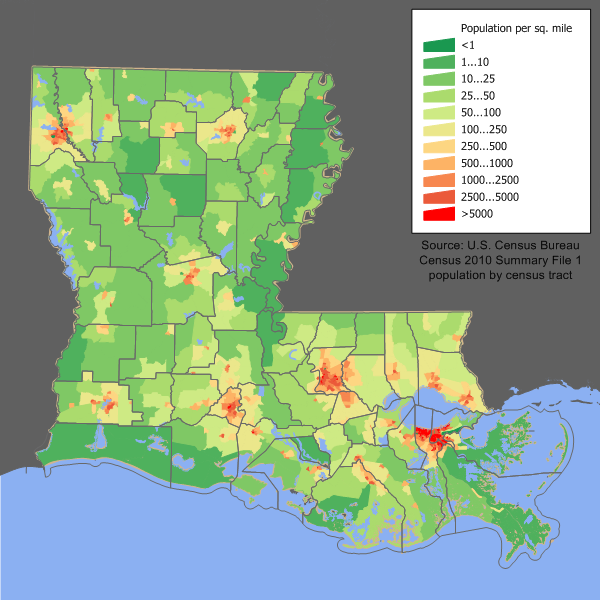
The population of Louisiana is not evenly distributed across its 52,000 square miles. Instead, it is a fascinating study of urban density and vast, untouched wilderness. Understanding where people live, how they celebrate, and how their ancestral roots influence daily life is the key to planning an authentic trip to the Pelican State. From the bustling streets of New Orleans to the quiet bayous of the south, the people of this state are its most significant attraction.
The Vibrant Mosaic: Understanding the Demographic Spirit of Louisiana
The demographic makeup of Louisiana is a product of centuries of immigration, colonization, and migration. Unlike many other states in the South, the cultural identity here is deeply rooted in France, Spain, Africa, and the Caribbean. This “population” is essentially a living history book that tourists can interact with through food, language, and music.
The Acadian Legacy and Cajun Country
In the southwestern part of the state, the population is heavily influenced by the Acadians. These were French-speaking settlers who were exiled from Canada in the 18th century and found refuge in the swamps and prairies of Louisiana. Today, their descendants, known as Cajuns, maintain a distinct lifestyle that is a major draw for cultural tourism.
When you visit cities like Lafayette or Houma, you aren’t just visiting a geographic location; you are stepping into a community where the French language is still spoken in whispers by the elderly and celebrated in song by the young. The Cajun population has contributed significantly to the state’s global reputation, particularly through their unique “one-pot” cooking style and accordion-heavy Zydeco music.
Creole Influence and the European Connection
While “Cajun” is often used as a catch-all term, the Creole population of Louisiana offers a different, equally vital perspective. Historically, Creole refers to those born in the colonial era with ancestral ties to Europe and Africa. This demographic has largely shaped the sophisticated urban culture of New Orleans.
The Creole population brought with them the grand architecture found in the French Quarter and the refined culinary techniques that birthed dishes like Trout Amandine and Gumbo. For the traveler, understanding the distinction between these populations enriches the experience of exploring local museums, historic plantations, and jazz clubs.
Urban Anchors: Where the Population Connects with Travelers
To understand the population of Louisiana, one must look at its major cities. Although the state has a significant rural identity, the urban centers are where the majority of the 4.6 million residents reside and where the tourism infrastructure is most robust.
New Orleans: The Pulsing Heart of the South
New Orleans is the most populous city in the state and acts as the primary gateway for international visitors. With a population that hovers around 380,000 within the city limits and over 1.2 million in the greater metropolitan area, it is a dense, high-energy environment.
Tourists flock here to walk through the Garden District, dine at Commander’s Palace, or catch a brass band performance on Frenchmen Street. The density of the population in the French Quarter creates a unique atmosphere where history feels alive. However, the city is more than just Bourbon Street; the residential neighborhoods like Marigny and Bywater offer a glimpse into the everyday lives of the people who make this city the “Big Easy.”
Baton Rouge: A Blend of History and Modernity
As the state capital, Baton Rouge represents a different facet of the Louisiana population. It is a hub for politics, education, and industry. Home to Louisiana State University, the city’s population swells significantly during the academic year and on football Saturdays.
For tourists, Baton Rouge offers a mix of historical landmarks, such as the Old State Capitol, and natural beauty along the Mississippi River. The local population here is a mix of college students, government officials, and families, creating a more structured yet still distinctly Louisianan vibe compared to the bohemian spirit of New Orleans.

Shreveport and the Northern Gateway
In the northern part of the state, the city of Shreveport serves as a commercial and cultural center. The population in the north often feels a closer affinity to Texas and Arkansas than to the coastal bayous. This region, often referred to as Sportsman’s Paradise, attracts those interested in lake fishing, casino gaming, and the Red River Revel Arts Festival. Visiting this part of the state allows travelers to see a different side of Louisiana, where the piney woods replace the cypress swamps.
Cultural Tourism: How Population Density Drives the Festival Economy
One of the most remarkable things about the Louisiana population is their collective passion for celebration. It is often said that Louisianans don’t need a reason to throw a party, but they have hundreds of them scheduled anyway. The state’s tourism industry is built largely on these gatherings, which are made possible by the enthusiastic participation of the local residents.
Mardi Gras: A Global Gathering
The most famous example is, of course, Mardi Gras. While millions of tourists descend upon New Orleans for the festivities, the event is essentially a community celebration. From the intricate costumes of the Mardi Gras Indians to the massive floats of the Krewe of Endymion, the labor and creativity of the local population are what drive the spectacle.
Outside of New Orleans, smaller towns like Lake Charles and Mamou host their own versions of the holiday. The Courir de Mardi Gras in rural areas involves costumed riders on horseback, showcasing a centuries-old tradition that remains a point of pride for the local population.
Specialized Celebrations: From Jazz to Crawfish
Beyond the Carnival season, the population’s diversity is reflected in the sheer variety of festivals. The New Orleans Jazz & Heritage Festival attracts music lovers from around the world to celebrate the sounds of the local people. Meanwhile, the Festival International de Louisiane in Lafayette highlights the state’s connection to the Francophone world.
Even the smallest segments of the population have their own moments in the sun. There is a Ponchatoula Strawberry Festival, a Breaux Bridge Crawfish Festival, and even a Giant Omelette Festival in Abbeville. For a tourist, attending these events is the fastest way to understand the warmth and hospitality of the Louisiana people.
Practical Tips for Navigating the Local Population
When traveling to a state with such a distinct cultural identity, it helps to know how to navigate the social landscape. The population of Louisiana is famously friendly, but there are nuances to keep in mind to ensure a respectful and rewarding trip.
Seasonal Travel and Crowd Management
Because the population—and the visitor count—fluctuates wildly during festival seasons, timing is everything. If you enjoy high-energy crowds and 24-hour celebrations, visiting during Mardi Gras or the Essence Festival is ideal. However, if you prefer a quieter look at the state’s architecture and history, consider visiting in the “shoulder” seasons of late spring or early autumn.
During peak times, hotel occupancy in cities like Metairie and Kenner reaches capacity, and the local infrastructure can be taxed. Always book transportation and dining reservations well in advance when traveling during major cultural events.
Engaging with Local Communities Respectfully
Tourism in Louisiana often involves visiting sensitive historical sites. When touring locations like the Whitney Plantation or the Laura Plantation, it is important to remember that these are not just “attractions”—they are sites of profound historical trauma and significance for the local population.
Similarly, when exploring the Atchafalaya Basin or the Jean Lafitte National Historical Park and Preserve, hiring local guides is highly recommended. These individuals often come from families that have lived off the land for generations. By engaging with them, you aren’t just getting a tour; you are supporting the local economy and gaining a deeper understanding of the “real” Louisiana.
The answer to “What is the population of the state of Louisiana?” is ultimately found in the stories of the people you meet. Whether it’s a chef in Grand Isle, a fisherman in Venice, or a street performer in Jackson Square, the 4.6 million residents of this state are the keepers of a culture that is as deep and winding as the Mississippi River itself. Visiting Louisiana is an invitation to join this population, even if just for a few days, and experience a way of life that is fiercely protected and generously shared.
LifeOutOfTheBox is a participant in the Amazon Services LLC Associates Program, an affiliate advertising program designed to provide a means for sites to earn advertising fees by advertising and linking to Amazon.com. Amazon, the Amazon logo, AmazonSupply, and the AmazonSupply logo are trademarks of Amazon.com, Inc. or its affiliates. As an Amazon Associate we earn affiliate commissions from qualifying purchases.