
New York State, a land of unparalleled diversity and influence, stands as one of the most populous states in the United States. More than just a statistic, its population is a vibrant tapestry that shapes every aspect of its identity, from its towering urban landscapes to its serene natural wonders. For travelers, hoteliers, and anyone interested in the dynamic interplay between people and place, understanding New York State’s demographic profile is crucial. It informs the state’s incredible array of travel destinations, the variety of accommodation options, the richness of its tourism experiences, the significance of its landmarks, and the myriad lifestyles it supports.

As of the most recent estimates, the population of New York State hovers around 19.5 million residents. This makes it the fourth most populous state in the United States, a position that underscores its colossal economic, cultural, and social footprint. While the exact figures fluctuate with ongoing demographic shifts, this nearly 20-million strong populace represents a melting pot of cultures, backgrounds, and aspirations. This vast human presence is the engine behind New York State’s global renown, powering its industries, enriching its cultural scene, and creating an environment ripe for exploration and discovery. From the bustling streets of New York City to the tranquil reaches of the Adirondack Mountains, the sheer number and diversity of its inhabitants dictate everything from infrastructure development to the unique flavors found in its culinary scene.
A Demographic Overview: Understanding New York’s Population Dynamics
The story of New York State’s population is one of continuous evolution, marked by periods of immense growth, particularly in its urban centers, and more recent shifts. This dynamic backdrop is what makes the state such a fascinating study for anyone looking to understand the forces that shape modern society and, by extension, modern travel.
The Sheer Scale: Numbers and Growth Trends
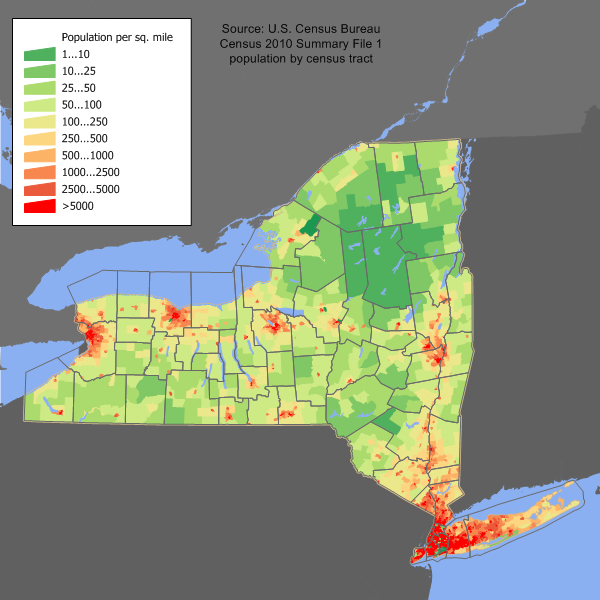
According to data from the U.S. Census Bureau, New York State has consistently ranked among the top five most populous states for decades. While the state experienced a slight population decline in the early 2020s, reflecting broader migration trends, its overall density and sheer numbers remain staggering. The vast majority of New York State’s population, an astounding 8.5 million or more, resides within the five boroughs of New York City alone. This concentration makes New York City not just the largest city in New York State but also the most populous in the entire United States.
Beyond the metropolis, other significant population centers include Buffalo, Rochester, Yonkers, Syracuse, and the state capital, Albany. These cities, while smaller than New York City, serve as vital hubs for their respective regions, each contributing to the state’s overall population count and offering distinct cultural and economic landscapes. The ongoing interplay between urban concentration and more sparsely populated rural areas, such as the Adirondacks or parts of the Finger Lakes region, defines the state’s demographic character and its diverse offerings for residents and visitors alike.
Diversity and Distribution: A Mosaic of Cultures
One of New York State’s most defining features, largely attributed to its population, is its unparalleled diversity. It is a true global crossroads, attracting immigrants from every corner of the world for centuries. This rich tapestry of ethnicities, languages, and traditions profoundly influences the local culture, food scene, and overall experiences available to tourists. In New York City, neighborhoods like Flushing (Queens) with its vibrant Asian community, Jackson Heights (Queens) with its strong Latin American presence, or Harlem (Manhattan) steeped in African American history and culture, are direct manifestations of this diversity. These areas aren’t just residential zones; they are living museums and culinary hotbeds, offering authentic experiences that are a direct result of their resident populations.
Even outside New York City, this diversity is evident. Cities like Buffalo have thriving Polish and Italian communities, while agricultural regions benefit from a diverse workforce. This cultural mosaic contributes to a dynamic and ever-evolving food scene, from Michelin-starred restaurants in Manhattan to authentic street food in Queens and farm-to-table eateries in the Hudson Valley. For the traveler, this means an endless array of activities, festivals, and culinary adventures, each reflecting a piece of New York State’s diverse population. The population isn’t just a number; it’s a testament to the state’s welcoming spirit and its capacity to integrate and celebrate myriad traditions.
Population and the Pulse of New York Tourism
The immense population of New York State, particularly its concentration in certain areas, directly fuels its tourism industry, creating demand for attractions, services, and accommodation that cater to millions of visitors annually. It’s the constant flow of people—both residents and tourists—that keeps the state’s pulse vibrant and dynamic.
Urban Magnetism: New York City’s Undeniable Pull

New York City, with its dense population and status as a global financial and cultural capital, is the undisputed heart of New York State’s tourism. Its millions of residents provide the workforce and the local consumer base that sustain an unparalleled array of world-class attractions. Imagine Times Square without its throngs of people, Broadway theaters without full houses, or the Metropolitan Museum of Art without eager visitors. Landmarks like the Statue of Liberty, the Empire State Building, and Central Park owe their iconic status, in part, to the sheer volume of people who visit and admire them.
The dense population also fosters an incredible lifestyle infrastructure. New York City offers everything from luxury shopping on Fifth Avenue to budget-friendly eats in various ethnic enclaves. Public transportation, like the extensive MTA subway and bus system, is a direct response to the need to move millions of people efficiently, and it’s a boon for tourists navigating the city. The city’s population supports a constant stream of cultural events, fashion trends, and culinary innovations, ensuring that there is always something new and exciting for travelers, whether they are seeking family trips, business stays, or luxury travel experiences. The city’s energy is palpable, an electric current generated by its millions of inhabitants.
Beyond the City: Regional Tourism and Lifestyle
While New York City captures much of the global spotlight, the broader population distribution across New York State supports a diverse range of regional tourism and lifestyle opportunities. The populations of cities like Buffalo and Rochester act as anchors for Western New York tourism, drawing visitors to iconic natural wonders such as Niagara Falls and historical sites. These cities themselves boast vibrant arts scenes, culinary innovations, and unique urban attractions that benefit from their local populations’ support and patronage.
Further upstate, the relatively smaller populations in regions like the Finger Lakes and the Hudson Valley foster a different kind of tourism, one focused on natural beauty, agricultural experiences, and quaint small towns. The local populations here, though fewer in number, are instrumental in sustaining the vineyards, craft breweries, farm-to-table restaurants, and boutique shops that draw visitors seeking a more relaxed, scenic lifestyle experience. The Adirondack Mountains, with their vast wilderness, attract those looking for outdoor adventures, supported by small communities that cater to hikers, skiers, and nature enthusiasts. Each region’s population density and demographic makeup directly influence the type of tourism that thrives, offering a spectrum of experiences from bustling urban adventures to serene rural retreats.
Accommodation and Infrastructure: Serving a Vast Populace and Visitors
The sheer scale of New York State’s population, coupled with its status as a premier tourist destination, necessitates a robust and diverse accommodation and infrastructure network. This network caters not only to the daily needs of its nearly 20 million residents but also to the tens of millions of visitors who flock to the state each year.
Hotel Landscape: From Boutique to Grand Resorts
The accommodation landscape in New York State is as varied as its population, directly reflecting the diverse needs and preferences of both residents and tourists. In New York City, the dense population and high demand support an unparalleled concentration of hotels, from ultra-luxury establishments like The Plaza Hotel and high-end boutique hotels in SoHo to numerous properties from international chains like Hilton and Marriott. These hotels cater to every segment of the travel market, from business travelers on Wall Street to families on vacation and couples seeking romantic getaways. The competitive environment driven by a large transient population ensures a high standard of amenities and service.
Beyond New York City, the accommodation options expand to include resorts in the Catskills and Adirondacks, charming bed and breakfasts in the Finger Lakes, and long-term stay apartments in cities like Albany or Buffalo. The presence of a significant local population supports these varied businesses year-round, not just during peak tourist seasons. Online booking platforms, review sites, and comparison tools are essential for navigating this vast market, allowing travelers to find accommodations that perfectly match their budget, desired amenities, and preferred location, whether it’s a luxury suite with city views or a cozy villa by a lake. The constant churn of people necessitates a continuous evolution of accommodation types, from traditional hotels to modern apartment rentals, ensuring that New York State can always house its dynamic populace and its many guests.
Transport and Connectivity: Navigating a Populous State
Moving 19.5 million people, plus millions of annual tourists, requires a truly monumental transportation infrastructure. New York State’s dense population centers have driven the development of one of the most comprehensive transit systems in the United States. In New York City, the MTA operates a sprawling network of subways, buses, and commuter rail lines (Long Island Rail Road and Metro-North Railroad) that are indispensable for daily commuting and tourist exploration. These systems are a direct response to the need to connect residential areas, business districts, and tourist attractions across the five boroughs and into surrounding regions like Long Island and the Hudson Valley.
Beyond New York City, the state is crisscrossed by a network of highways, interstates, and scenic routes that connect major cities and rural areas. Regional airports throughout the state, including major international hubs like John F. Kennedy International Airport (JFK) and LaGuardia Airport in New York City, and smaller airports serving Buffalo, Rochester, and Albany, facilitate both domestic and international travel. Amtrak provides intercity rail services, connecting New York City with other major New York State destinations and beyond. This extensive transportation web ensures accessibility for all, enabling business travel, family vacations, and solo adventures across the state’s diverse landscapes. The intricate balance of moving such a massive population efficiently while accommodating millions of visitors underscores the complexity and importance of New York State’s infrastructure development, a direct consequence of its immense demographic scale.
In conclusion, the population of New York State, estimated at approximately 19.5 million, is far more than a mere figure; it is the living, breathing essence that defines this extraordinary state. This vast and incredibly diverse populace shapes its culture, drives its economy, and fundamentally influences its appeal as a global travel destination. From the towering urban centers teeming with life and world-renowned landmarks to the tranquil, natural havens supported by smaller, close-knit communities, every facet of New York State’s character is intricately linked to its people. Understanding these population dynamics is key to appreciating the vibrant tourism industry, the extensive range of accommodation options, the rich tapestry of local culture and food, and the varied lifestyles that make New York State an unforgettable place to visit and explore. It is the millions of stories, dreams, and daily lives that truly give New York State its unparalleled energy and enduring allure.
LifeOutOfTheBox is a participant in the Amazon Services LLC Associates Program, an affiliate advertising program designed to provide a means for sites to earn advertising fees by advertising and linking to Amazon.com. Amazon, the Amazon logo, AmazonSupply, and the AmazonSupply logo are trademarks of Amazon.com, Inc. or its affiliates. As an Amazon Associate we earn affiliate commissions from qualifying purchases.