
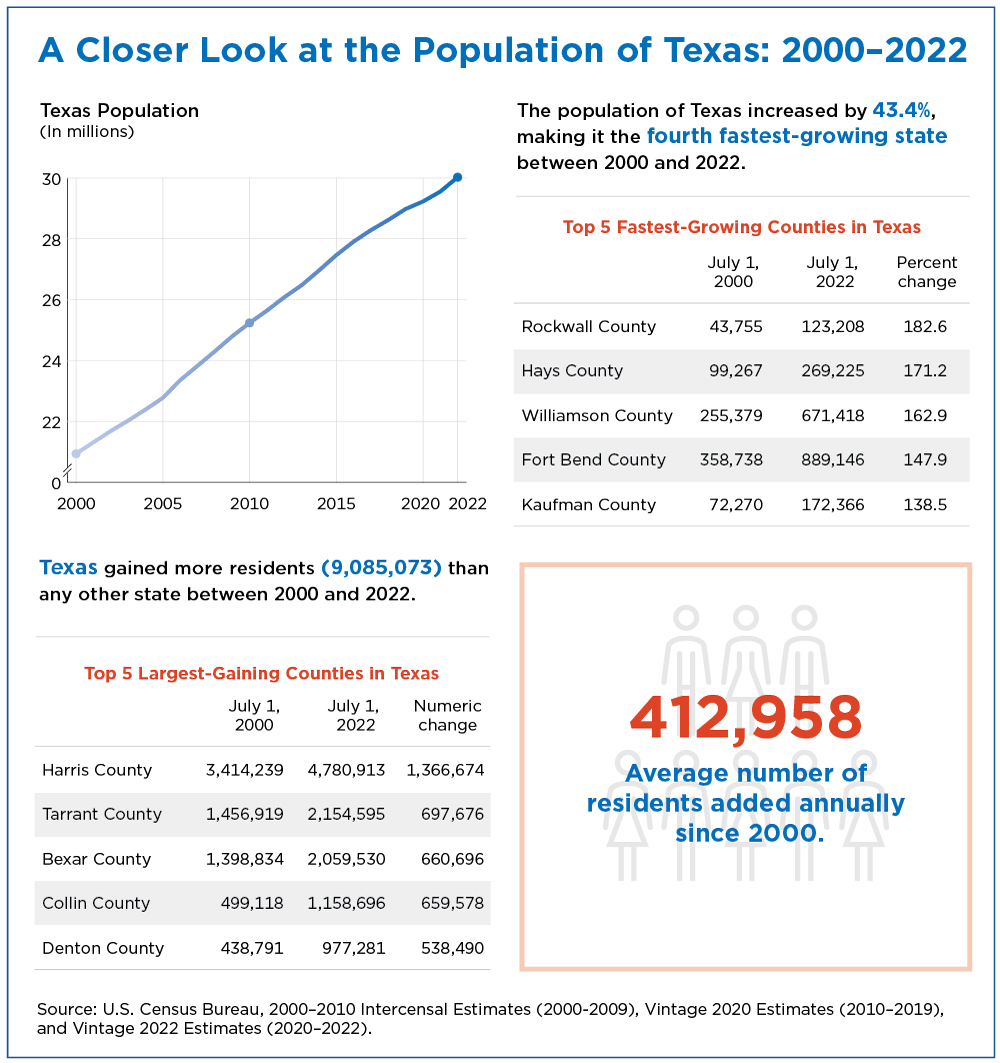
The State of Texas, a land of vast plains, bustling metropolises, and rich cultural heritage, stands as a testament to American growth and diversity. Its sheer size is matched only by the scale of its population, which has seen remarkable expansion over recent decades, transforming it into a dynamic hub for travel, business, and lifestyle choices. Understanding the demographic landscape of Texas is not merely about reciting numbers; it’s about comprehending the forces that shape its cities, influence its tourism, drive its economy, and define the unique experiences it offers to residents and visitors alike. As of recent estimates, the population of Texas hovers around 30.5 million people, making it the second-most populous state in the United States after California. This significant figure reflects a booming economy, diverse job opportunities, and an appealing lifestyle that continues to draw individuals and families from across the nation and the globe. This burgeoning population has profound implications for every facet of life in the Lone Star State, from the development of world-class accommodations to the creation of vibrant cultural landmarks and the evolution of its travel industry.

Texas’s Population Growth: A Magnet for Travel and Lifestyle
The story of Texas’s population is one of rapid and sustained growth. For years, the state has consistently ranked among the top destinations for internal migration within the United States and has also welcomed a significant number of international newcomers. This demographic explosion is not accidental; it is driven by a confluence of economic, social, and cultural factors that make Texas an increasingly attractive place to live, work, and visit. The implications for the travel and hospitality sectors are immense, as more people mean greater demand for services, attractions, and diverse experiences.
Driving Forces Behind the Influx
Several key factors contribute to Texas’s impressive population surge. Economically, the state boasts a diverse and robust job market. Historically known for its oil and gas industry, Texas has successfully diversified into technology, aerospace, healthcare, manufacturing, and renewable energy. Major tech companies have established significant presences in cities like Austin, often dubbed “Silicon Hills,” drawing a highly skilled workforce. The Texas Medical Center in Houston is the largest medical complex in the world, attracting top talent and patients globally. These economic opportunities translate directly into business travel, necessitating an extensive network of hotels and corporate accommodations, from luxury suites for executives to budget-friendly options for project teams.
Beyond the economy, the relatively lower cost of living compared to other major coastal states, combined with a favorable business environment (including no state income tax), acts as a powerful magnet. This affordability, coupled with a perceived higher quality of life, encourages families and individuals to relocate, contributing to both a permanent resident base and an increase in visitors coming to explore their potential new home. The lifestyle opportunities are vast, catering to diverse preferences, whether it’s the urban dynamism of Dallas and Houston, the unique artistic vibe of Austin, or the historical charm of San Antonio. For travel enthusiasts, this growth means more developed infrastructure, a wider array of attractions, and a vibrant social scene that offers something for every type of traveler, from family trips seeking theme parks to solo adventurers exploring natural wonders like Big Bend National Park.
Impact on Urban Centers and Tourism
The majority of Texas’s population growth is concentrated in its major metropolitan areas. Houston, San Antonio, Dallas, and Austin consistently rank among the fastest-growing large cities in the United States. This urban expansion directly fuels tourism development. With more residents, there’s a greater demand for entertainment, dining, shopping, and cultural experiences, which in turn attract more visitors. For example, the burgeoning population of Dallas-Fort Worth has supported the development of world-class venues like AT&T Stadium and the vibrant Dallas Arts District, drawing sports fans and culture seekers alike. Similarly, Austin’s rapid growth has solidified its reputation as the “Live Music Capital of the World,” with countless venues and festivals like South by Southwest captivating global audiences.
The influx of people also necessitates improved infrastructure, including airports, highways, and public transportation, all of which benefit tourism. Easier access to and within the state makes destinations more appealing. As these urban centers expand, they become self-sustaining ecosystems of attractions, restaurants, and hotels, offering diverse experiences from high-end luxury travel to budget-friendly family vacations. The continuous development of new neighborhoods and districts within these cities often creates new tourist hotspots, each with its unique character, food scene, and cultural offerings.
The Demographic Mosaic of Texas: Enriching Travel Experiences
The sheer number of people residing in Texas tells only part of the story. The state’s true richness lies in its remarkable demographic diversity. This vibrant mix of cultures, ethnicities, and backgrounds is a foundational element of the Texas experience, profoundly influencing its local culture, culinary landscape, and the variety of travel destinations available. It transforms the state into a captivating destination for those seeking authentic, multicultural experiences.
Cultural Diversity and Culinary Landscapes
Texas has long been a crossroads of cultures, shaped by its history as part of Mexico and its subsequent American settlement, alongside significant waves of immigration from various parts of the world. Today, the state boasts a large Hispanic population, African American communities with deep historical roots, and rapidly growing Asian and other immigrant groups. This cultural tapestry is evident everywhere, from the architecture to the language, and most deliciously, in the food.
The diverse population has cultivated an extraordinary culinary scene, making Texas a foodie’s paradise. Houston, for instance, is renowned for its incredible diversity of restaurants, particularly its authentic Vietnamese, Indian, and Mexican cuisines, especially prominent in areas like Asiatown. San Antonio offers an unparalleled experience of Tex-Mex cuisine, deeply ingrained in its heritage, with establishments along the famous River Walk and in the historic Market Square. Beyond the well-known Tex-Mex and BBQ, visitors can find German influences in towns like Fredericksburg, Czech bakeries, and an ever-expanding array of international fusion restaurants in the major cities. Exploring the food scene becomes a vital part of the tourism experience, a delicious journey through the state’s multicultural identity. This local culture, expressed through food and festivals, offers unique activities and tips for travelers looking to delve deeper than the typical tourist traps.
From Big Cities to Quaint Towns: Varied Travel Destinations
The distribution of Texas’s population also dictates the character and availability of its travel destinations. The dense populations in metropolitan areas create demand for large-scale attractions and entertainment complexes. In Houston, the population supports institutions like Space Center Houston and a sprawling Museum District, catering to millions of visitors annually. Dallas thrives on its upscale shopping districts like the Galleria, professional sports, and a burgeoning nightlife scene.

However, the population isn’t solely concentrated in these urban giants. Smaller towns and rural areas maintain unique identities, often preserved by their stable, long-standing communities. These offer a different kind of travel experience, focusing on local charm, history, and nature. Think of the historic Fort Worth Stockyards National Historic District, where the legacy of the Old West is kept alive, or the wine country around Fredericksburg, which has blossomed into a popular destination for its vineyards and German heritage. The communities around natural wonders like Padre Island National Seashore or Guadalupe Mountains National Park provide essential services and accommodation for nature enthusiasts. This diverse population distribution ensures that whether a traveler seeks the vibrant energy of a megalopolis or the tranquil beauty of a small town, Texas has a destination to match.
Accommodation and Infrastructure: Catering to a Growing Population
The sheer volume of people, both residents and visitors, demands a robust and evolving infrastructure, particularly in the realm of accommodation. From luxury resorts to budget-friendly stays, the hospitality sector in Texas is continually expanding and diversifying to meet the needs of its growing population and the millions who travel to the state for business or leisure. This direct correlation between population and the availability of hotels, suites, apartments, and villas is a crucial aspect of Texas’s appeal as a travel destination.
The Booming Hospitality Sector
The significant population increase and the corresponding rise in tourism and business travel have spurred a boom in the hospitality sector across Texas. New hotels and accommodation options are constantly being developed, ensuring that there is a wide range of choices to suit every budget, preference, and travel purpose. For those seeking luxury, cities like Houston boast establishments such as The Post Oak Hotel, offering opulent suites, world-class amenities, and exquisite dining experiences, often catering to business travelers and high-end leisure guests. In San Antonio, the historic Hotel Emma at the Pearl Brewery blends industrial chic with sophisticated comfort, attracting those who appreciate unique design and local culture.
Major hotel chains have a strong presence, with properties like the Omni Dallas Hotel offering extensive conference facilities for business events and the Four Seasons Hotel Austin providing a serene retreat by Lady Bird Lake. Beyond traditional hotels, the demand for alternative accommodations like serviced apartments for long-term stays, vacation rentals (villas and homes), and boutique hotels in revitalized neighborhoods has also surged. This diverse range ensures that whether a visitor is on a budget trip, a family vacation, a business stay, or a luxury getaway, they will find suitable and appealing options. The ability to book, review, and compare these diverse accommodations is critical for travelers planning their trips to Texas.
Developing Landmarks and Attractions
A growing population not only demands more places to sleep but also more places to explore and enjoy. As Texas cities expand, there’s a continuous investment in new landmarks, attractions, and public spaces designed to enrich the lives of residents and draw in tourists. The Dallas Arts District, for instance, has grown into one of the largest urban arts districts in the United States, home to multiple museums and performance venues. The creation of Klyde Warren Park over a freeway in Dallas demonstrates innovative urban planning aimed at creating vibrant community spaces that also become tourist attractions.
Historical landmarks like The Alamo and the Sixth Floor Museum at Dealey Plaza continue to draw millions, but newer attractions also play a significant role. Moody Gardens in Galveston and the Galveston Island Historic Pleasure Pier are prime examples of destinations that cater to families and leisure travelers. In Waco, the phenomenon of Magnolia Market at the Silos illustrates how a specific lifestyle brand can create a major tourist destination, bringing new visitors to a previously less-traveled city. These developments not only enhance the visitor experience but also reflect the evolving cultural and recreational needs of the state’s expanding populace, creating a dynamic environment for both permanent residents and temporary guests.
Texas’s Future: Sustainable Growth and Tourism Evolution
The trajectory of Texas’s population growth shows no signs of slowing down, presenting both immense opportunities and significant challenges for the state’s future. The continuous influx of people will undoubtedly reshape Texas further, influencing its travel trends, the development of new attractions, and the sustainability of its beloved destinations. Understanding these dynamics is crucial for anyone interested in the future of lifestyle and tourism in the Lone Star State.
Balancing Growth with Preservation
One of the foremost challenges arising from rapid population growth is the need to balance development with the preservation of natural resources, historical sites, and local character. As cities sprawl and demand for infrastructure increases, there is a heightened focus on sustainable tourism and responsible development. Protecting natural wonders like the Texas Hill Country, the unique ecosystems of the Gulf Coast, and the wilderness of Big Bend National Park becomes paramount. Efforts are being made to promote eco-tourism, encourage responsible travel practices, and invest in green infrastructure.
For historical sites, the growing population means more visitors, which requires careful management to prevent degradation while ensuring access. Cities are also striving to maintain their unique identities amidst modernization. For example, while Austin experiences exponential growth, there’s a strong local movement to “Keep Austin Weird,” preserving its distinctive culture and independent businesses. This balance affects destination guides, as travelers increasingly seek out authentic local experiences that are not overshadowed by unchecked commercialization. The future of Texas tourism will heavily rely on smart urban planning and a commitment to preserving the very qualities that make the state so appealing.
Evolving Travel Trends and Visitor Experiences
The evolving demographic profile of Texas also influences travel trends and visitor expectations. As the population becomes more diverse and globally connected, there’s a growing demand for a wider array of international cuisines, niche cultural experiences, and personalized travel itineraries. The rise of multi-generational travel and the increasing popularity of remote work also mean a greater demand for flexible accommodations, such as long-term apartment rentals and family-friendly resorts like the JW Marriott San Antonio Hill Country Resort & Spa.
Furthermore, technology continues to reshape how people travel and experience destinations. The convenience of online booking, comprehensive travel reviews, and personalized guides is becoming more critical. As the population grows, so does the potential for innovative tourism products, from augmented reality experiences at historical landmarks to specialized adventure travel packages in the state’s diverse landscapes. The future promises a Texas where travel is even more accessible, personalized, and deeply integrated with the dynamic lifestyle of its millions of residents. From the bustling streets of Houston and Dallas to the serene beauty of its state parks, Texas’s population growth is not just a statistical fact but a living, breathing force that continually redefines its identity as a premier destination for travel, culture, and accommodation.