
While the allure of Florida often conjures images of sun-drenched beaches, vibrant theme parks like Walt Disney World and Universal Orlando Resort, and luxurious resorts dotting its coastlines, a deeper look reveals a more complex socio-economic landscape. The Sunshine State, a perennial favorite for both domestic and international tourists, attracts millions seeking unforgettable travel experiences, culinary delights, and a taste of the Florida lifestyle. However, beneath the surface of shimmering attractions and bustling tourism hubs, a significant portion of the Florida population grapples with the realities of poverty. Understanding the poverty level in Florida is crucial not just for policy discussions but also for a more nuanced appreciation of the state’s diverse communities and the challenges they face.

This exploration delves into the metrics used to define poverty, the current poverty rates in Florida, and the demographic groups most affected. We will also touch upon the interplay between economic indicators and the vibrant tourism industry that defines so much of Florida’s image, and how these factors might influence budget travel options and the accessibility of its renowned landmarks and experiences.
Defining Poverty and Measuring its Impact in Florida
The concept of poverty is not a monolithic one; it’s understood and measured through various lenses. In the United States, the most widely recognized measure is the federal poverty level (FPL), established by the U.S. Census Bureau. This measure uses a set of income thresholds that vary by family size and composition. If a family’s pre-tax cash income falls below the relevant threshold, they are considered to be living below the poverty line. These thresholds are updated annually to reflect changes in the cost of living.
The Federal Poverty Level and its Application in Florida
The federal poverty level serves as a baseline for determining eligibility for various federal assistance programs, including Medicaid, the Supplemental Nutrition Assistance Program (SNAP), and housing assistance. For states like Florida, these guidelines are instrumental in allocating resources and understanding the scale of economic hardship. However, it’s important to note that the FPL is a national standard, and the cost of living can vary significantly from one region to another within Florida. For instance, the cost of housing and basic necessities in major metropolitan areas like Miami or Tampa might be considerably higher than in more rural parts of the state. This discrepancy can mean that a family living just above the FPL in an expensive urban area might still struggle to make ends meet, a concept often referred to as “near poverty” or “working poor.”
Beyond Income: Broader Indicators of Economic Well-being
While income is the primary metric for the FPL, a more comprehensive understanding of poverty often incorporates other indicators of economic well-being. These can include access to affordable healthcare, quality education, stable housing, and opportunities for employment. A person or family might have an income above the poverty line but still face significant challenges if they lack access to essential services or live in areas with limited economic prospects. For example, a family living in a tourist-heavy region might find low-wage jobs in the hospitality sector but struggle with the high cost of living and lack of affordable child care, impacting their overall quality of life. Similarly, the ability to afford even modest accommodation in popular tourist destinations can be a significant barrier for low-income residents.
Florida’s Poverty Landscape: Statistics and Trends
Understanding the statistical reality of poverty in Florida provides a crucial backdrop to the state’s perceived affluence. While official figures offer a snapshot, examining trends and specific demographic impacts reveals a more nuanced picture.
Current Poverty Rates and Demographic Disparities
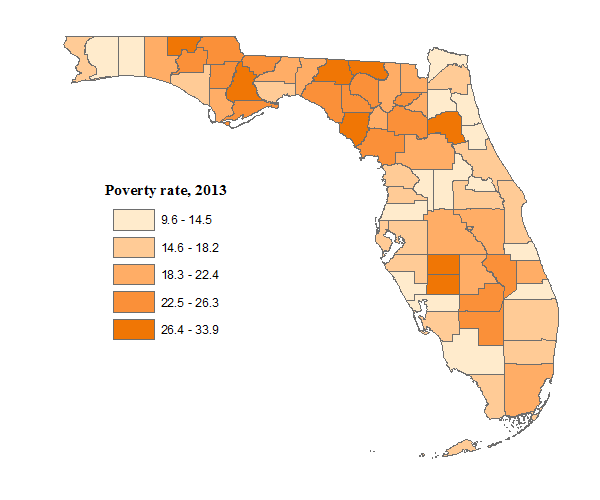
According to recent data from the U.S. Census Bureau and other reputable sources, Florida has consistently shown poverty rates that are close to, and sometimes exceed, the national average. These figures fluctuate year to year based on economic conditions, employment rates, and the effectiveness of social programs. What becomes particularly evident when examining poverty statistics is the presence of significant demographic disparities.
Poverty disproportionately affects certain groups within Florida. This includes:
- Racial and Ethnic Minorities: Historically, African Americans and Hispanic Americans in Florida have experienced higher poverty rates compared to their White counterparts. Factors contributing to this include systemic inequalities, disparities in educational attainment, and historical discrimination. For example, in areas with a strong tourism presence, many jobs might be concentrated in lower-wage service roles, which are often filled by minority populations, yet the cost of living in these desirable locations can outpace wages.
- Children: Children are particularly vulnerable to the effects of poverty. In Florida, a significant percentage of children live in households below the poverty line, which can have long-lasting impacts on their health, education, and future opportunities. This is a critical concern for family trips and the overall well-being of young residents and their families.
- Elderly Individuals: While often associated with accumulated wealth, a segment of Florida’s elderly population faces poverty, especially those living on fixed incomes, such as Social Security, which may not keep pace with rising healthcare costs and the general cost of living in popular retirement destinations.
- Single-Parent Households: Households headed by a single parent, particularly single mothers, are more likely to experience poverty due to challenges in balancing work, childcare, and the sole responsibility of income generation.
These disparities are not unique to Florida but are exacerbated by the state’s unique economic and social dynamics, including its reliance on seasonal labor and a large proportion of low-wage service jobs that fuel its massive tourism industry.
Factors Contributing to Poverty in Florida
Several interwoven factors contribute to the poverty levels observed in Florida. The state’s economic structure, with its significant reliance on tourism, agriculture, and service industries, often leads to a high number of jobs that offer lower wages and fewer benefits compared to other sectors. While these industries create millions of jobs and drive the state’s economy, they can also contribute to a widening income gap.
Furthermore, the rapid growth in population, particularly in desirable coastal areas, has driven up housing costs significantly. This makes it increasingly difficult for low-income families and individuals to afford safe and stable accommodation, even when employed. The lack of affordable housing is a critical issue that intersects with poverty, forcing many to spend a disproportionate amount of their income on rent or mortgages, leaving little for other necessities.
Educational attainment also plays a crucial role. Disparities in access to quality education and opportunities for higher learning can limit an individual’s earning potential. This creates a cycle of poverty that can be difficult to break. While Florida boasts world-class educational institutions and luxury travel experiences, ensuring equitable access to fundamental education for all its residents remains a challenge.
Poverty and Florida’s Tourism Economy: A Complex Relationship
Florida’s identity is intrinsically linked to its booming tourism industry. Millions of visitors flock to the state annually to experience its beaches, theme parks, natural beauty, and vibrant culture. This industry is a significant engine of economic growth, creating jobs and generating substantial revenue. However, the relationship between poverty and tourism in Florida is complex and multifaceted.
The Economic Impact of Tourism on Local Communities
The tourism sector provides numerous employment opportunities, from entry-level positions in hotels and restaurants to management roles in resorts and attractions. For many Floridians, especially those in lower-income brackets, these jobs represent a vital source of income. However, the nature of many of these jobs – often seasonal, part-time, and with wages that may not keep pace with the cost of living – can contribute to persistent low-wage work and economic vulnerability.
In popular tourist destinations, the influx of visitors can drive up local prices for goods and services, including accommodation, food, and transportation. This can create a situation where the very industries that bring wealth to the state also inadvertently make it harder for local residents, particularly those in lower-paying jobs, to afford to live in their own communities. This is particularly true in areas boasting famous landmarks or offering luxury travel experiences, where the cost of living can be significantly higher.

Affordability for Residents vs. Accessibility for Tourists
The dichotomy between Florida’s appeal as a tourist destination and the economic reality for its residents is stark. While visitors can choose from a wide range of hotels, from budget-friendly motels to opulent resorts, and plan family trips or luxury travel adventures, many Floridians struggle to afford even basic necessities. The focus on attracting international and domestic travelers often means that the infrastructure and services are geared towards visitor spending.
This can create a disconnect where the state’s attractions and lifestyle experiences are more accessible to tourists with disposable income than to the very people who live and work in these vibrant communities. For example, the cost of a day at SeaWorld Orlando or dining at a renowned restaurant in South Beach might be a reasonable expense for a tourist on vacation but an unattainable luxury for a local family on a tight budget. Ensuring that the economic benefits of tourism are more equitably distributed and that Florida remains an affordable place to live for its residents, not just a vacation spot for visitors, remains a critical challenge for policymakers and communities across the state.
In conclusion, while Florida shines as a premier destination for travel, accommodation, and diverse lifestyle experiences, understanding its poverty level is essential for a complete picture. The state’s economic engine, fueled by tourism, creates opportunities but also highlights existing economic disparities. Addressing poverty in Florida requires a multifaceted approach that considers not only income but also access to education, healthcare, and affordable housing, ensuring that the Sunshine State can truly offer a brighter future for all its residents.
LifeOutOfTheBox is a participant in the Amazon Services LLC Associates Program, an affiliate advertising program designed to provide a means for sites to earn advertising fees by advertising and linking to Amazon.com. Amazon, the Amazon logo, AmazonSupply, and the AmazonSupply logo are trademarks of Amazon.com, Inc. or its affiliates. As an Amazon Associate we earn affiliate commissions from qualifying purchases.