
Understanding the rental value in Florida annually is a multifaceted endeavor, touching upon economic indicators, market trends, and the state’s unique appeal as a prime destination for both residents and tourists. This analysis delves into the various components that contribute to Florida’s robust rental market, providing insights for investors, renters, and policymakers alike. The state’s consistent growth in population and its status as a sought-after vacation spot create a dynamic environment where rental values are influenced by a confluence of factors. From the sprawling metropolises to the charming coastal towns, each region within Florida possesses its own distinct rental landscape, shaped by local demand, supply dynamics, and the overarching economic climate.

Factors Influencing Florida’s Annual Rental Value
Several key drivers contribute to the overall rental value experienced in Florida on an annual basis. These include demographic shifts, seasonal demand fluctuations, economic health, and the state’s attractive lifestyle offerings.
Population Growth and In-Migration
Florida has consistently ranked among the top states for population growth, attracting new residents from across the United States and abroad. This influx of people naturally increases the demand for housing, both for purchase and for rent. Many new residents, particularly those relocating for employment or retirement, initially opt for rental properties as they acclimate to their new surroundings or await the right opportunity to buy. This sustained demand puts upward pressure on rental prices. Cities like Orlando, Miami, and Tampa often see significant increases in their rental markets due to this continuous migration. The availability of jobs, particularly in sectors like technology, healthcare, and tourism, further fuels this demographic trend.
Tourism and Seasonal Demand
The allure of Florida as a premier tourist destination significantly impacts its rental market, especially for short-term rentals and vacation properties. While not always classified under traditional long-term rental value, the revenue generated from seasonal tourism directly influences the investment landscape for rental properties. Areas with high tourist traffic, such as Orlando (home to major theme parks like Walt Disney World Resort and Universal Orlando Resort) and coastal cities like Fort Lauderdale and Naples, experience pronounced seasonal peaks. During peak tourist seasons (typically winter months and school holidays), demand for short-term accommodations soars, leading to higher nightly and weekly rates. This can, in turn, affect the availability and pricing of long-term rentals in these areas, as property owners may prioritize lucrative short-term leases. The aggregate effect of this seasonal demand contributes to the overall annual rental value of properties that can be utilized for both long-term and short-term purposes.
Economic Conditions and Job Market
The health of the Florida economy plays a crucial role in determining rental values. A robust job market with rising wages generally translates to higher disposable income for residents, enabling them to afford higher rents. Conversely, economic downturns or periods of high unemployment can lead to decreased demand and stagnant or declining rental prices. Florida’s diverse economy, which includes significant contributions from tourism, hospitality, real estate, and agriculture, makes it somewhat resilient, but it is not immune to national economic trends. The performance of key industries directly impacts the ability of individuals and families to secure and maintain rental properties. For instance, a thriving tech sector in cities like Tampa can attract skilled professionals who are willing to pay a premium for quality housing.
Supply and Demand Dynamics
As with any real estate market, the balance between the supply of rental units and the demand for them is a fundamental determinant of rental value. In areas experiencing rapid population growth and limited new construction, demand often outstrips supply, driving rental prices upward. Conversely, in areas with an oversupply of rental units, landlords may need to lower prices or offer incentives to attract tenants. Florida has seen significant development in recent years, but in many of its most popular metropolitan areas, construction has struggled to keep pace with the demand for housing. This imbalance is a primary reason for the escalating rental values observed across the state. The availability of different types of rental properties, from studio apartments to multi-bedroom houses and luxury condominiums, also influences overall market value.
Regional Variations in Florida’s Rental Market
The concept of “rental value” in Florida is not monolithic; it varies significantly by region, influenced by local economies, lifestyle preferences, and proximity to major attractions.
South Florida: Coastal Appeal and Urban Hubs
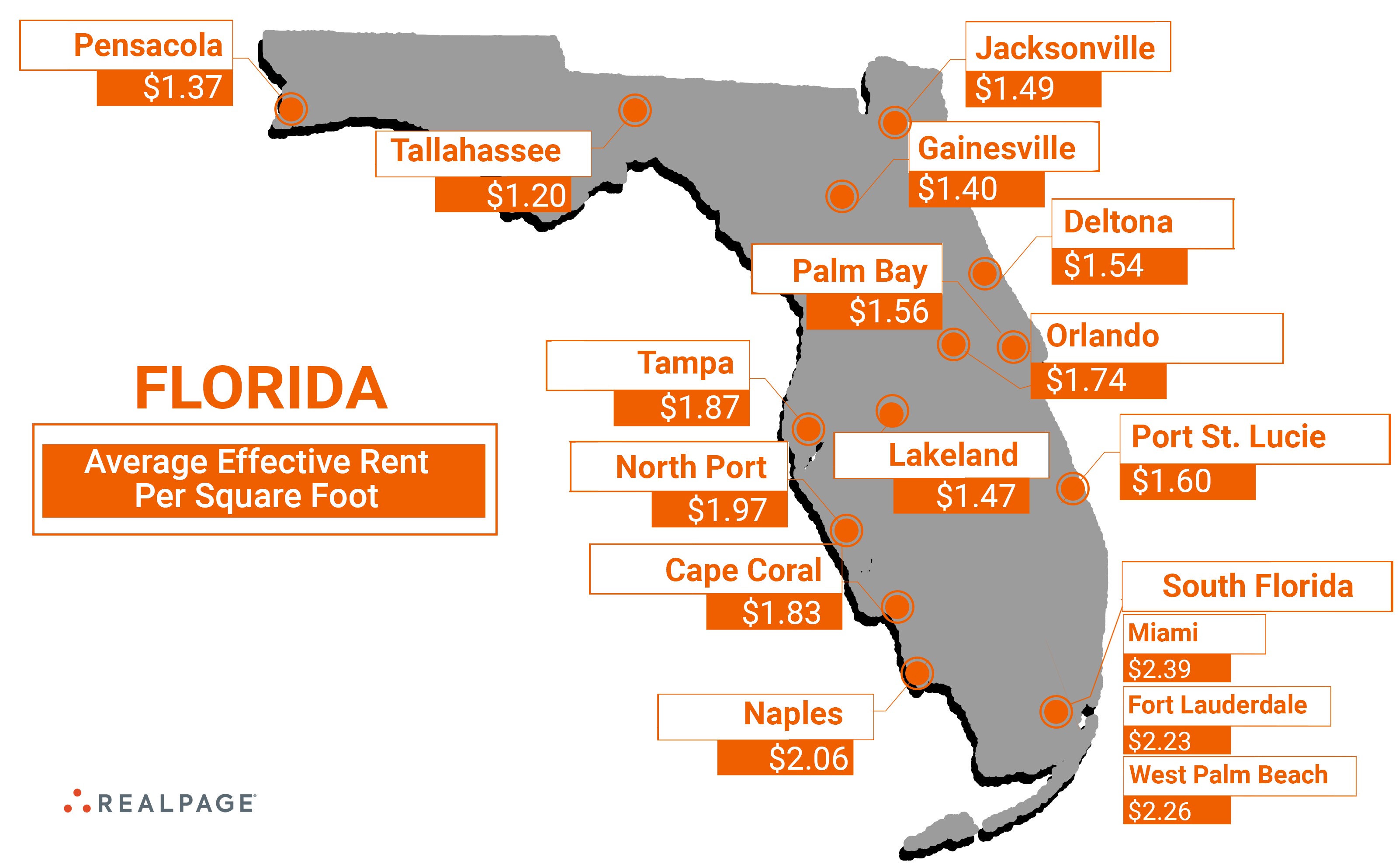
The southern part of the state, encompassing areas like Miami-Dade County, Broward County, and Palm Beach County, typically commands the highest rental values. This region boasts a vibrant international scene, a thriving business environment, and world-renowned beaches. The demand for rental properties in cities such as Miami, Fort Lauderdale, and West Palm Beach is consistently high, driven by affluent residents, international investors, and a substantial tourism industry. Luxury apartments and waterfront properties in this region often reach premium rental rates, reflecting the desirability and high cost of living. The presence of major airports like Miami International Airport also facilitates international travel and business, further boosting rental demand.
Central Florida: Theme Parks and Growing Metros
Central Florida, spearheaded by Orlando and its surrounding metropolitan area, represents a dynamic rental market heavily influenced by the massive tourism industry and rapid population growth. The presence of iconic attractions like Walt Disney World Resort, Universal Orlando Resort, and SeaWorld Orlando creates a perpetual demand for short-term rentals and housing for employees in the hospitality and entertainment sectors. Beyond tourism, Orlando has also become a significant hub for technology and healthcare, attracting a diverse professional workforce. Cities like Tampa and St. Petersburg on the west coast of Central Florida are also experiencing substantial growth, leading to increased rental demand and rising values.
West Coast and Southwest Florida: Retirement Havens and Coastal Living
Florida’s Gulf Coast, including areas like Tampa Bay, Sarasota, and Fort Myers, is a popular destination for retirees and those seeking a more relaxed coastal lifestyle. This region often sees strong demand for rental properties, particularly during the winter months when “snowbirds” migrate from colder climates. While rental values here might not always reach the peak of South Florida’s urban centers, they are consistently strong, especially in desirable beachfront communities and areas with abundant amenities. The retirement demographic, often with fixed incomes, influences the types of rental properties available and the pricing strategies employed by landlords.
Northern Florida: Historic Cities and Growing Economies
The northern part of Florida, including cities like Jacksonville, Tallahassee, and the Panhandle, presents a different rental market profile. Jacksonville, as a major port city and economic hub, experiences consistent demand for rental housing, driven by its diverse industries and military presence. Tallahassee, the state capital, has a stable rental market influenced by the university population and state government employment. The Florida Panhandle, with its beautiful beaches, attracts significant tourism, especially during the summer months, leading to seasonal fluctuations in rental demand and value.
Calculating and Understanding Annual Rental Yield
For property investors, understanding the annual rental value often translates to calculating the rental yield – the return on investment from rental income. This is typically expressed as a percentage of the property’s value.
Gross Rental Yield
The gross rental yield is a straightforward calculation:
- Gross Rental Yield = (Annual Rental Income / Property Value) * 100
This metric provides a basic understanding of how much income a property generates relative to its purchase price, before accounting for any expenses. For example, if a property is purchased for $300,000 and generates $24,000 in annual rent ($2,000 per month), the gross rental yield would be ($24,000 / $300,000) * 100 = 8%.
Net Rental Yield
A more accurate picture of profitability is provided by the net rental yield, which considers operating expenses.
- Net Rental Yield = ((Annual Rental Income – Annual Operating Expenses) / Property Value) * 100
Annual operating expenses can include property taxes, insurance, property management fees, maintenance costs, vacancy periods, and potential HOA fees. Different property types and locations will have varying expense ratios. For instance, a single-family home might have different maintenance costs compared to a condominium unit within a managed community.
Factors Affecting Yield in Florida
Several factors influence the gross and net rental yields in Florida. High demand in popular areas can lead to higher rental income, thereby increasing the yield. However, property taxes and insurance costs, which can be substantial in coastal and hurricane-prone regions, can significantly reduce the net yield. Property management fees are also a considerable expense, especially for investors who do not reside locally or prefer a hands-off approach. Vacancy rates are another critical consideration; a property that sits vacant for extended periods will significantly reduce the annual rental income and negatively impact the yield. Investors often analyze historical vacancy rates in specific neighborhoods when evaluating potential rental properties.
The Future Outlook for Florida’s Rental Market
The trajectory of Florida’s rental market appears poised for continued strength, albeit with potential moderations. The state’s enduring appeal as a desirable place to live, retire, and vacation, coupled with ongoing population growth, suggests sustained demand for rental housing.
Continued In-Migration and Economic Development
Florida is expected to remain a top destination for domestic and international migrants, drawn by its favorable tax policies (no state income tax), warm climate, and growing job opportunities. As more people move to the state, the demand for rental accommodations will persist. Furthermore, ongoing economic development and diversification in sectors beyond tourism, such as advanced manufacturing, aerospace, and life sciences, will attract a broader range of professionals, further underpinning rental market stability.

Potential for Moderation and Affordability Challenges
While demand is likely to remain robust, the pace of rental price increases may see some moderation. Factors such as increased housing supply from new construction, coupled with potential economic headwinds or shifts in migration patterns, could temper rapid appreciation. However, affordability remains a significant concern. As rental values continue to rise, ensuring that a sufficient supply of affordable rental housing is available for lower and middle-income residents will be a critical challenge for policymakers and developers. The state may need to explore innovative solutions, such as incentivizing the development of affordable housing units and exploring rent stabilization measures in certain areas, to address these growing concerns. The balance between market forces driving rental values and the societal need for accessible housing will shape the future of Florida’s rental market for years to come.
LifeOutOfTheBox is a participant in the Amazon Services LLC Associates Program, an affiliate advertising program designed to provide a means for sites to earn advertising fees by advertising and linking to Amazon.com. Amazon, the Amazon logo, AmazonSupply, and the AmazonSupply logo are trademarks of Amazon.com, Inc. or its affiliates. As an Amazon Associate we earn affiliate commissions from qualifying purchases.