
California’s sales tax is a complex but essential aspect of any visitor’s experience, deeply interwoven with the state’s vibrant economy and diverse attractions. Understanding its nuances can significantly impact your travel budget, whether you’re planning a luxurious escape to Napa Valley, a family adventure in Anaheim, or a cultural immersion in San Francisco. This guide aims to demystify California’s sales tax, offering insights for travelers to navigate purchases and plan accordingly, ensuring a smoother and more enjoyable journey through the Golden State.
The Foundation of California Sales Tax
California imposes a state sales tax, which is a percentage of the retail price of tangible personal property sold or leased in the state. This tax is levied on the buyer at the point of sale and collected by the seller, who then remits it to the California Department of Tax and Fee Administration (CDTFA). The primary purpose of this tax is to fund public services across the state, from education and infrastructure to parks and public safety.
State vs. Local Components
It’s crucial to understand that California’s sales tax is not a single, uniform rate. It comprises a state rate and various local add-ons.
The State Sales Tax Rate
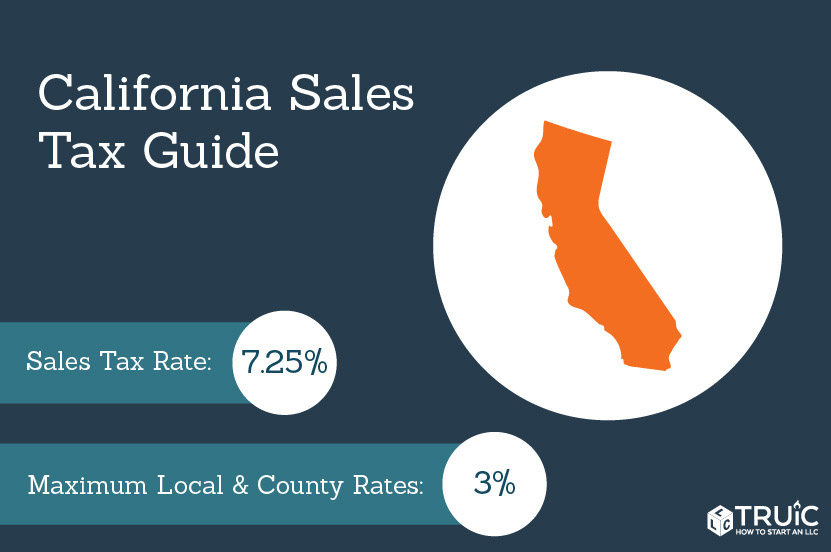
The base state sales tax rate in California is currently 7.25%. This rate applies statewide to most retail sales. However, this is just the foundation.
Local Add-On Taxes
This is where the complexity truly emerges. Local jurisdictions – counties, cities, and special districts – have the authority to levy their own district sales taxes. These are often enacted to fund specific local projects, such as transportation improvements, public safety initiatives, or park development.
- County Taxes: Most counties in California impose one or more district taxes, typically ranging from 0.25% to 2.00% or more.
- City Taxes: Many cities also have their own special district taxes, which are added on top of the county’s taxes.
- Transportation Improvement Fees: Specific transportation agencies may also levy a sales tax to fund their projects.
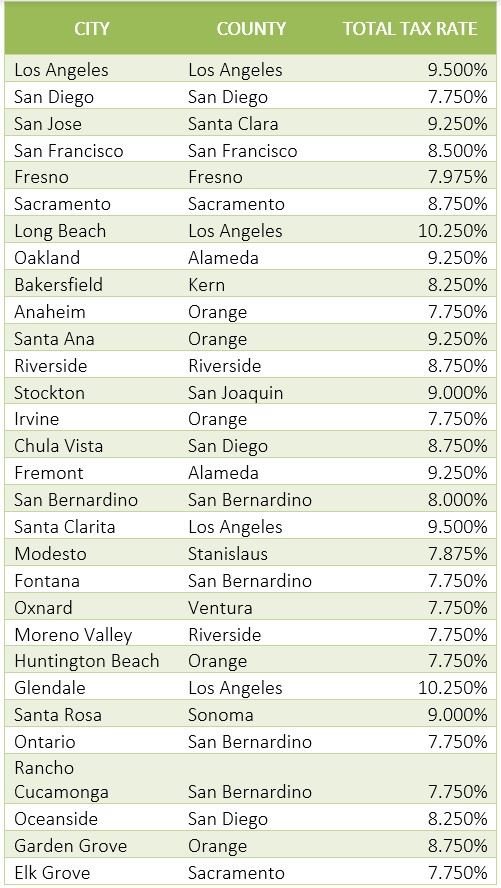
The combined effect of these state and local taxes means that the actual sales tax rate can vary significantly from one location to another within California. A purchase made in one city could have a different tax rate than an identical purchase made just a few miles away in an adjacent city or unincorporated county area.
Who Pays Sales Tax?
Generally, sales tax is paid by the end consumer on the purchase of tangible personal property. This includes items like clothing, electronics, souvenirs, furniture, and vehicles. Certain services are also subject to sales tax, though the rules can be intricate and depend on the specific nature of the service. For instance, the sale of a tangible item as part of a service, like a repair part, is typically taxable.
Navigating Sales Tax for Travelers in California
For visitors, understanding how sales tax affects their spending is key to effective budgeting. The varying rates mean that where you make your purchases can influence the final price.
Common Tourist Purchases and Their Taxability
- Souvenirs and Apparel: These are generally subject to sales tax. Whether you’re buying a T-shirt in Hollywood, a bottle of wine in Sonoma, or a piece of art in Laguna Beach, the sales tax will be applied.
- Restaurant Meals: The tax on restaurant meals in California is a bit nuanced. Prepared food sold for immediate consumption is generally subject to sales tax. This includes dine-in meals, takeout orders, and food purchased from caterers. However, certain basic food items sold in grocery stores for home consumption are often exempt.
- Hotel Stays: While lodging is a significant expense for travelers, it is typically subject to transient occupancy tax (TOT), also known as hotel tax, rather than sales tax. This tax is levied by cities and counties on the rent paid by guests for lodging. The TOT rates vary widely by location, often being higher in popular tourist destinations like San Diego or Lake Tahoe.
- Attraction Tickets: Admission tickets to theme parks like Disneyland Park, museums, zoos, and other entertainment venues are generally not subject to sales tax. These are considered services or admissions.
- Car Rentals: The rental of a passenger vehicle is subject to both state sales tax and a special vehicle license fee, which can add a significant percentage to the rental cost.
- Gasoline: Fuel purchases are subject to state and local excise taxes, but not sales tax.
- Prescription Medications: Prescription drugs are generally exempt from sales tax.
Understanding Local Tax Rates: The Key to Smart Shopping
The most significant variable in California’s sales tax is the local add-on. To illustrate:
- A purchase in Los Angeles might have a different rate than the same purchase in San Francisco, or even in a neighboring city within the same county.
- Special districts can create even more granular variations. For example, a transit district’s tax might apply only within its boundaries, regardless of city or county lines.
Travelers can utilize online tools provided by the CDTFA or local government websites to look up the specific sales tax rate for a particular address or zip code. While this level of detail might be excessive for a casual shopper, it can be invaluable for larger purchases or for businesses operating within the state. For most visitors, the rate displayed at the point of sale will be the most practical information.
Exemptions and Special Considerations
While the majority of retail transactions are subject to sales tax, there are some important exemptions and special considerations for travelers and residents alike.
Exemptions for Certain Goods and Services
- Groceries: Most unprepared food items intended for home consumption are exempt from sales tax. This applies to items like fruits, vegetables, meats, dairy products, and bread purchased at a grocery store. However, prepared foods, hot foods, and certain beverages (like soda) are typically taxable.
- Prescription Medicines and Medical Devices: As mentioned, prescription drugs are exempt. Certain medical devices also qualify for exemption.
- Newspapers and Periodicals: While magazine subscriptions might be subject to tax depending on their nature, regularly published newspapers are generally exempt.
- Certain Agricultural Products: For those interacting with agricultural areas like the Central Valley, certain unprocessed agricultural products may be exempt.
Resale Certificate
Businesses that purchase goods for resale to their customers do not pay sales tax on those purchases. Instead, they provide a resale certificate to the seller, indicating that the goods will be resold. This prevents the tax from being applied multiple times along the supply chain. Travelers are unlikely to encounter this, but it’s a fundamental aspect of the sales tax system.
Out-of-State Purchases and Use Tax
California also has a use tax, which is equivalent to the sales tax. It applies to tangible personal property purchased outside of California for use, storage, or consumption within California, on which no sales tax was paid. This is particularly relevant for online purchases shipped to California or for items brought into the state that were purchased elsewhere. While enforcement on individual travelers for small purchases is rare, the law exists to ensure tax equity.
Impact on Tourism and Local Economies
California’s sales tax plays a significant role in funding public services that enhance the visitor experience. The revenue generated supports the maintenance of state parks, the upkeep of iconic landmarks like the Golden Gate Bridge, and public transportation systems that many tourists utilize. Furthermore, the tax revenue helps fund local amenities in popular destinations, contributing to the overall quality of life and the attractiveness of these areas for both residents and visitors.
Planning Your Budget
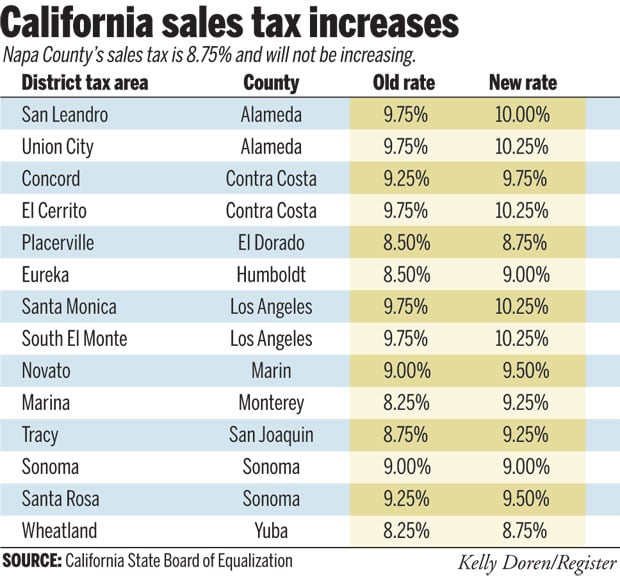
When budgeting for your trip to California, always factor in sales tax for any anticipated purchases of goods. While attraction tickets and some food items might be tax-free, clothing, electronics, souvenirs, and dining out will incur this additional cost. For example, a $100 purchase in a high-tax area might actually cost you $108.50 or more, depending on the exact local rate.
Staying Informed
The California Department of Tax and Fee Administration (CDTFA) is the primary agency responsible for administering sales and use taxes in the state. Their website provides detailed information, rate look-up tools, and publications that can offer more in-depth understanding. For travelers, however, a general awareness of the tax rate in the specific areas they plan to visit will suffice for most practical purposes.
In conclusion, while the intricacies of California’s sales tax might seem daunting, a basic understanding of its structure – the state rate plus local add-ons – is sufficient for most visitors. By keeping this in mind, travelers can better plan their budgets, make informed purchasing decisions, and fully appreciate the diverse experiences California has to offer, from the bustling streets of Los Angeles to the serene landscapes of Yosemite National Park.
LifeOutOfTheBox is a participant in the Amazon Services LLC Associates Program, an affiliate advertising program designed to provide a means for sites to earn advertising fees by advertising and linking to Amazon.com. Amazon, the Amazon logo, AmazonSupply, and the AmazonSupply logo are trademarks of Amazon.com, Inc. or its affiliates. As an Amazon Associate we earn affiliate commissions from qualifying purchases.