
Embarking on a journey to the sprawling metropolis of Los Angeles, California, promises an unforgettable adventure filled with glamour, culture, and iconic landmarks. From the sun-kissed beaches of Santa Monica to the star-studded sidewalks of Hollywood, the city offers a diverse array of experiences for every traveler. However, amidst the excitement of planning your itinerary, an often-overlooked yet crucial aspect of budgeting is understanding the local sales tax. While it might seem like a minor detail, sales tax can significantly impact your overall expenses, especially when factoring in shopping, dining, and various activities. For those considering Los Angeles as their next destination, whether for a luxury travel escape, a family trip, or a business stay, a clear grasp of the sales tax structure is paramount for informed financial planning. This comprehensive guide will demystify the sales tax in Los Angeles, detailing its components, how it applies to various purchases, and other taxes that visitors should be aware of, ensuring a smooth and budget-friendly tourism experience.
Understanding the Los Angeles Sales Tax Rate
Navigating the tax landscape can be intricate, as sales tax rates often vary by state, county, and even city. In California, the sales tax is a combination of a statewide base rate and additional district taxes that can be imposed by local jurisdictions, such as counties and cities. Los Angeles, being a major metropolitan area, falls under this multi-layered system.
The Statewide and Local Components
At the core of California’s sales tax structure is the statewide base rate, which currently stands at 7.25%. This rate is applied uniformly across the entire state to the sale of most tangible goods. However, residents and visitors to specific locales, like Los Angeles, will encounter a higher combined rate due to additional district taxes.
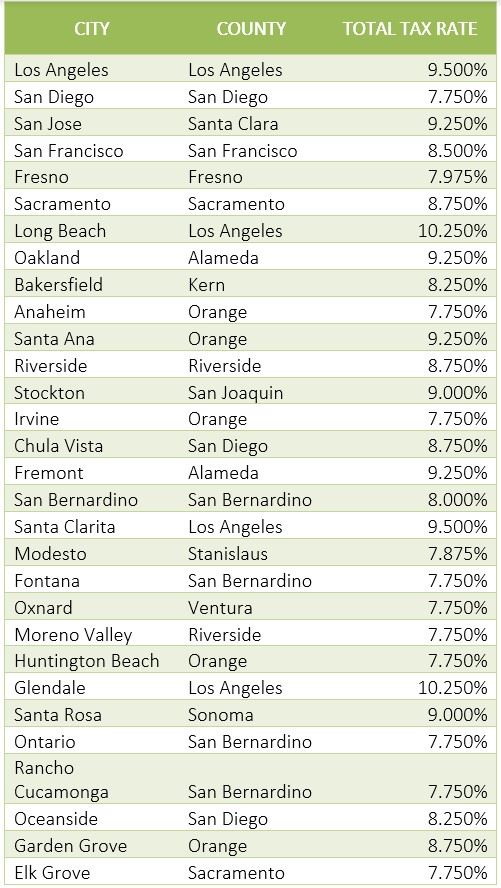
Los Angeles County and various cities within it have implemented their own local sales taxes to fund public services and initiatives. These district taxes are added on top of the statewide rate. For the city of Los Angeles itself, and generally across Los Angeles County, the combined sales tax rate that applies to most retail sales is 9.50%. This rate is a sum of the 7.25% statewide rate and an additional 2.25% from various local district taxes. It’s crucial for travelers to remember this percentage when calculating the final cost of purchases, as it can subtly inflate prices, especially on larger items or numerous small ones. This 9.50% applies to a vast array of goods you might purchase, from a designer handbag on Rodeo Drive to souvenirs commemorating your visit to Universal Studios Hollywood or a local art gallery near the Getty Center. Understanding this specific rate allows for more accurate budgeting, ensuring that your financial planning for your Los Angeles travels aligns with reality.
What is Subject to Sales Tax?
The 9.50% sales tax in Los Angeles primarily applies to the sale of tangible personal property. This includes a wide range of items that travelers typically purchase.
- Retail Goods: Any item bought from a store, whether it’s clothing, electronics, books, or gifts, will generally be subject to sales tax. This means that exciting finds at The Grove, unique souvenirs from Hollywood Boulevard, or practical necessities from a local supermarket (excluding specific groceries) will incur this charge.
- Prepared Food and Restaurant Meals: When you dine out in Los Angeles, whether it’s a quick bite from a food truck, a casual meal at a café, or a lavish dinner in a Michelin-starred restaurant, the entire bill for prepared food and beverages (alcoholic and non-alcoholic) will be subject to the 9.50% sales tax. This is a significant factor for tourism budgets, as Los Angeles is renowned for its diverse culinary scene, and dining experiences can quickly add up.
- Admissions and Entertainment: Unlike some other jurisdictions, in California, sales tax often applies to admission tickets to various events and attractions. This can include tickets to theme parks like Universal Studios Hollywood, museums, concerts, and sporting events. It’s always wise to check the final price during booking or purchase, as many online vendors or box offices might include the tax in the listed price, or it might be added at checkout. This is crucial for budget planning, especially if your Los Angeles itinerary is packed with high-profile attractions.
Understanding these applications allows travelers to accurately estimate their spending, preventing any unwelcome surprises on their final receipts.
Sales Tax Impact on Your Los Angeles Travel Budget
For travelers, sales tax is more than just a number; it’s a direct influence on how much their travel budget stretches. Considering the diverse range of experiences Los Angeles offers, from luxury shopping to budget-friendly sightseeing, recognizing where and how sales tax applies is vital.
Shopping, Souvenirs, and Local Delights
Los Angeles is undeniably a shopper’s paradise, catering to every taste and budget. Whether you’re indulging in high-end fashion on Rodeo Drive, exploring unique boutiques in Silver Lake, or picking up quirky gifts at the Hollywood Walk of Fame, the 9.50% sales tax will be added to your purchases. For a luxury travel enthusiast, a significant purchase can see hundreds of dollars added in tax alone. Similarly, accumulating several smaller souvenirs at places like the Santa Monica Pier or within the various shops at Disneyland Resort in Anaheim can also lead to a noticeable increase in your overall spending.
Beyond typical retail, the sales tax also applies to prepared food items you might grab on the go. Imagine stopping for a gourmet coffee and pastry in Venice Beach, or sampling local artisan cheeses from Grand Central Market – if these are considered prepared foods for immediate consumption, the sales tax will apply. Even a seemingly small transaction like buying a bottle of water at a convenient store will have sales tax applied. Budget-conscious travelers should factor this into their daily spending, especially if their lifestyle involves frequent small purchases.
Exclusions and Exemptions: Where You Might Save
While sales tax is pervasive, there are certain categories of purchases in California that are exempt. Being aware of these can offer minor savings, particularly for those on a budget travel plan.
- Unprepared Food and Groceries: Most essential, unprepared food items purchased at grocery stores for consumption at home (or at your accommodation) are exempt from sales tax. This means buying fresh produce, meats, dairy, and staple pantry items to cook your own meals or prepare picnic lunches can be a smart way to save on both sales tax and dining expenses. For example, if you’re staying in an apartment or villa with kitchen facilities, stocking up on groceries from a local market in Downtown Los Angeles can lead to considerable savings over the course of your trip.
- Prescription Medicine: Prescription medications, whether for humans or animals, are generally exempt from sales tax.
- Services: Pure services, such as a guided tour where no tangible good is exchanged, or a massage at a spa within a hotel like The Beverly Wilshire, are typically not subject to sales tax. However, if a service includes the transfer of a tangible item (e.g., a haircut where styling products are sold), the tangible item part might be taxed. It’s always good to clarify if you are unsure. This distinction is particularly relevant for those engaging in various activities and experiences that make up Los Angeles tourism.

By understanding these distinctions, travelers can make more informed choices, potentially stretching their travel budget further while still enjoying all that Los Angeles has to offer.
Beyond Sales Tax: Other Important Levies for Los Angeles Travelers
While the sales tax is a primary consideration, it’s just one of several taxes and fees that can impact the total cost of your Los Angeles trip. For a complete picture of your travel expenses, particularly for accommodation and transportation, it’s essential to understand these additional levies.
Hotel Occupancy Tax (Transient Occupancy Tax – TOT)
Perhaps the most significant additional tax for travelers is the Hotel Occupancy Tax, also known as the Transient Occupancy Tax (TOT). This tax is separate from the general sales tax and is specifically applied to the rental of hotel rooms, motels, suites, resorts, apartments, villas, or any other type of temporary lodging. The rate varies by jurisdiction within California.
In the city of Los Angeles, the TOT is currently 14%. This means that on top of the listed price for your hotel room, an additional 14% will be added to your bill. For a week-long stay at a mid-range hotel costing $200 per night, this translates to an extra $196 in taxes ($200 * 7 nights * 0.14). This can be a substantial sum, especially for luxury hotels in areas like Beverly Hills or West Hollywood, where nightly rates can be much higher. When you are performing accommodation booking or comparing hotel reviews, ensure the advertised price includes or clearly states the TOT, as this is a common oversight that can derail a carefully planned budget. Factors like hotel amenities and location also play into the base rate, making the TOT even more impactful on the final cost. Always confirm the final price including all taxes when making reservations for your stay.
Car Rental Taxes and Fees
Many visitors to Los Angeles opt for car rentals to navigate the sprawling city and explore destinations like Malibu or Palm Springs. While sales tax typically doesn’t apply to the rental service itself, car rentals are subject to a myriad of other fees and taxes that can significantly increase the final cost. These can include:
- Tourism Fees: Often a percentage of the rental rate, designed to fund local tourism initiatives.
- Vehicle License Fees: A daily fee imposed by the state.
- Concession Fees: If you pick up your car rental at a major airport like Los Angeles International Airport (LAX), you’ll likely encounter an airport concession recovery fee, which can be a substantial percentage.
- Environmental Fees: Small per-day charges.
- Energy Surcharges: To cover fuel and energy costs.
These fees, when combined, can add 15-30% or more to your base car rental rate. It’s imperative to get a clear breakdown of all charges when booking a rental car to avoid sticker shock at the counter. Understanding these additional costs is a crucial aspect of overall travel planning for Los Angeles, especially for those planning extensive road trips or frequent local travel.
Budgeting Tips for a Seamless Los Angeles Experience
A successful trip to Los Angeles is not just about exploring its vibrant culture and iconic sights, but also about managing your finances wisely. Understanding and accounting for various taxes upfront can transform your travel experience from stressful to serene.
Factor In All Taxes from the Start
The golden rule for any traveler is to never assume the listed price is the final price. When planning your budget for Los Angeles, always estimate an additional 10% for sales tax on goods, dining, and most attractions. For accommodation, budget an extra 14% for the TOT. And for car rentals, be prepared for fees that could add another 15-30% on top of the base rate. By building these percentages into your initial financial plan, you’ll have a more realistic understanding of your total expenses, whether you’re planning a budget travel adventure or a luxury escape. This foresight is especially helpful when comparing different hotels or various tour packages to ensure you’re making an apples-to-apples comparison.
Utilize Tax-Exempt Purchases Strategically
For those looking to save a few dollars, leveraging tax exemptions can be a smart strategy. Instead of eating out for every meal, consider purchasing unprepared groceries from local supermarkets for breakfast, snacks, or even picnic lunches to enjoy at Griffith Park or on the beach. Staying in an accommodation with kitchen amenities, such as an apartment or villa, facilitates this approach, offering a taste of local lifestyle and significant savings on sales tax for food. Similarly, focus your souvenir shopping on experiences or unique services rather than solely on tangible goods where sales tax applies.

Research and Confirm Before You Go
Before finalizing your Los Angeles plans, dedicate some time to thorough research. Check the websites of specific hotels, car rental companies, and attractions for their explicit policies on taxes and fees. Many booking platforms now offer “all-inclusive” pricing options, which can simplify your budgeting, but always verify what exactly is included. For specific activities or purchases, a quick online search or even a phone call can provide clarity. This proactive approach to travel planning ensures you’re well-informed about all potential costs, allowing you to allocate your budget effectively and enjoy your Los Angeles trip without financial worries. Whether you’re planning a long-term stay or a quick getaway, diligent research is your best ally.
In conclusion, while the glitz and glamor of Los Angeles beckon, a thoughtful understanding of its tax structure is vital for any traveler. The 9.50% sales tax, combined with the 14% Hotel Occupancy Tax and various car rental fees, can subtly but surely impact your spending. By being aware of these charges, budgeting meticulously, and utilizing available exemptions, you can ensure your Los Angeles adventure is as financially smooth as it is memorable. This proactive approach allows you to focus on creating unforgettable experiences, exploring iconic landmarks, and immersing yourself in the vibrant local culture, without any unexpected financial hitches. Happy travels!
LifeOutOfTheBox is a participant in the Amazon Services LLC Associates Program, an affiliate advertising program designed to provide a means for sites to earn advertising fees by advertising and linking to Amazon.com. Amazon, the Amazon logo, AmazonSupply, and the AmazonSupply logo are trademarks of Amazon.com, Inc. or its affiliates. As an Amazon Associate we earn affiliate commissions from qualifying purchases.