
Planning a getaway to the Sunshine State? Whether you’re dreaming of the pristine beaches of the Florida Keys, the thrilling attractions of Orlando, or the vibrant city life of Miami, understanding the local financial landscape is crucial for a smooth and enjoyable trip. Among the various aspects of budgeting for your Florida adventure, sales tax plays a significant, albeit often overlooked, role. It’s more than just a minor addition to your bill; it’s a component that impacts everything from your morning coffee to your luxury resort stay, influencing your overall travel and lifestyle experience.
For any traveler, from families planning their annual Walt Disney World Resort vacation to business travelers attending a conference in Tampa, or solo explorers seeking the tranquility of the Everglades National Park, knowing how sales tax works in Florida can save you from unexpected expenses and help you manage your budget more effectively. Florida is renowned for its diverse tourism offerings, attracting millions with its world-class resorts, stunning natural landmarks, and rich cultural experiences. However, the exact amount you pay for goods and services can vary depending on where you are in the state, thanks to a combination of statewide and local taxes. This comprehensive guide will break down Florida’s sales tax system, explaining how it affects your accommodations, dining, entertainment, and shopping, ensuring you can plan your visit with confidence and financial clarity. By delving into these details, you’ll be better equipped to allocate your funds, whether you’re indulging in a luxury travel experience or navigating a budget-friendly family trip.
Unpacking Florida’s Sales Tax: The Basics
To truly understand the financial implications of your Florida vacation, it’s essential to grasp the fundamental components of its sales tax structure. Unlike some states with complex tax systems, Florida’s approach is relatively straightforward, featuring a standard statewide rate supplemented by local surtaxes that can vary significantly from one county to another. This dual system means that the price tag on an item or service isn’t always the final price you’ll pay, especially in popular tourist destinations where local governments often levy additional charges to fund community services and infrastructure, which are vital for supporting the vibrant tourism industry.
The Statewide Sales Tax Rate
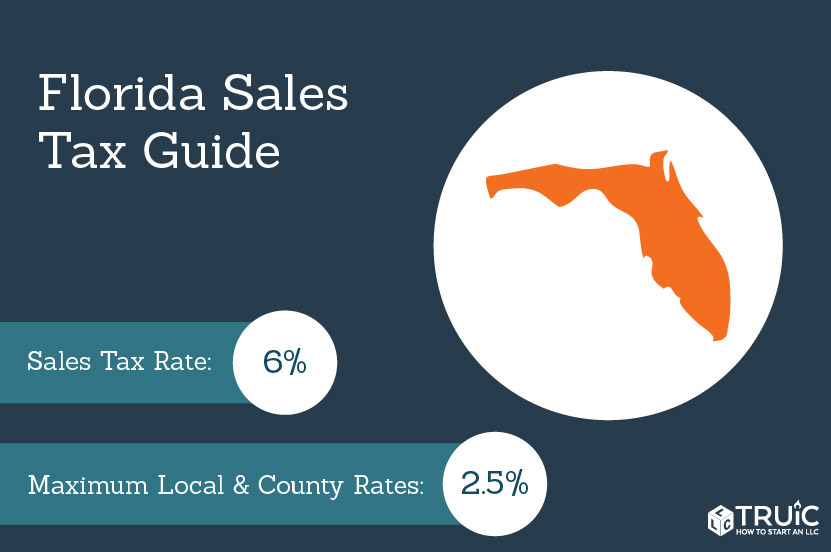
The foundation of Florida’s sales tax system is its statewide rate, which is set at 6%. This rate applies to the sale of most tangible personal property and certain services across all 67 counties of the state. When you purchase souvenirs from a gift shop in St. Augustine, fill up your rental car at a gas station near Fort Lauderdale, or buy a new swimsuit for lounging on South Beach, this 6% state sales tax will be added to the price.
This state rate is a consistent factor in your budgeting, making it easier to estimate costs for items like clothing, electronics, and other consumer goods. For travelers exploring various destinations within Florida, such as moving from the Atlantic Coast to the Gulf Coast, this base rate provides a stable point of reference. However, it’s crucial not to mistake this 6% as the only tax you’ll encounter, as local additions can quickly increase your total expenditure. For instance, a meal at a charming local restaurant or a purchase from a boutique in Palm Beach will invariably include this 6% base, but often, more.
Understanding Discretionary Sales Surtaxes (County Taxes)
Beyond the statewide 6%, many Florida counties have the authority to impose a “discretionary sales surtax,” often referred to simply as county tax. These surtaxes are enacted by local governments and can add an extra percentage to the sales tax, bringing the total rate above the state’s 6%. The purpose of these local surtaxes varies, frequently funding local infrastructure projects, public transportation, or other community services that benefit both residents and the millions of tourists who visit annually. This system directly impacts the cost of your travel, from booking hotels to enjoying local attractions, highlighting the importance of researching specific county rates for your chosen destinations.
The rates of these discretionary surtaxes typically range from 0.5% to 1.5%, meaning the combined sales tax rate in some areas can reach up to 7.5% (6% state + 1.5% county). This might seem like a small difference, but over the course of an entire trip, especially one involving significant spending on accommodation, dining, and entertainment, these percentages can add up considerably.
Key examples of counties with significant tourist populations and their typical discretionary sales surtaxes include:
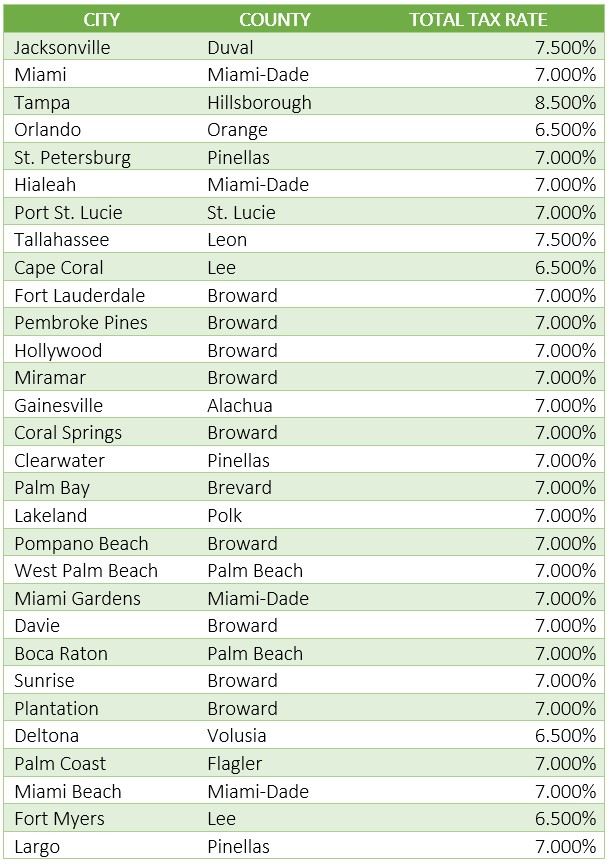
- Miami-Dade County: Home to Miami and Miami Beach, this county often has a local surtax, bringing the combined rate higher. Visitors to iconic areas like South Beach or those shopping along the Lincoln Road Mall will encounter this elevated rate.
- Orange County: The heart of Orlando’s theme park empire, including Walt Disney World Resort and Universal Orlando Resort. The local surtax here significantly impacts the cost of theme park tickets, resort stays, and meals within the tourism corridor like International Drive.
- Hillsborough County: Where Tampa is located, including attractions like Busch Gardens Tampa Bay and vibrant downtown districts. Shoppers and diners in Tampa will also see the county surtax reflected in their bills.
- Other popular destinations like Key West (Monroe County), Sarasota (Sarasota County), and Naples (Collier County) also have their respective county surtaxes.
For travelers, this means that even if an item costs the same listed price in two different Florida cities, the final amount you pay could differ. It’s a critical point for budget-conscious travelers, family trips, and even business stays where expenses are closely monitored. Always check the specific sales tax rate for the county you plan to visit to avoid any surprises.
How Sales Tax Impacts Your Florida Travel Budget
Understanding the basic sales tax rates is one thing, but knowing how these taxes apply to your specific travel expenditures is another. For visitors to Florida, the sales tax isn’t just a concern for shopping sprees; it permeates almost every aspect of your trip, from where you lay your head at night to the adventures you embark on during the day. This is especially pertinent for those managing a travel budget, whether for a luxury experience or a more economical journey, as these taxes can significantly add to the overall cost of your accommodation, dining, entertainment, and transportation.
Accommodation and Lodging
One of the largest components of any travel budget is accommodation, and in Florida, this is where sales tax, alongside other specific tourism taxes, becomes particularly relevant. When you book a stay at a hotel, resort, apartment, or villa, whether it’s a sprawling theme park hotel like Disney’s Contemporary Resort, a boutique hotel in South Beach, or a vacation rental through platforms like Airbnb or VRBO, you will typically pay the state sales tax (6%) plus any applicable county discretionary sales surtax.
However, it’s crucial to note that lodging in Florida is also subject to an additional tax known as the Tourist Development Tax (TDT), often referred to as resort tax or bed tax. This TDT is levied by counties on short-term rentals (generally six months or less) and is in addition to the regular sales tax. TDT rates vary widely by county, usually ranging from 2% to 6% of the rental amount. For instance, a luxurious suite in a Miami Beach resort might incur a 7% total sales tax (state + county) plus an additional TDT, which could easily add another 4-6% to your nightly rate. This can substantially inflate the cost of your dream Florida resort or a family-friendly villa for a week. Always check the total breakdown of taxes and fees when booking accommodation to avoid surprises, especially when comparing prices between different hotels or vacation rental providers.
Dining and Entertainment
For many travelers, experiencing Florida’s diverse culinary scene and world-class entertainment is a highlight. From gourmet restaurants in Miami to casual beachfront cafes in St. Petersburg, and from exhilarating rides at Universal Studios Florida to exploring the Kennedy Space Center Visitor Complex, sales tax will be a factor.
Prepared food and beverages consumed at restaurants, cafes, bars, and concession stands are subject to the full state and local sales tax rates. So, that delicious seafood platter in Key West or the refreshing drink at a Walt Disney World Resort park will have the sales tax added to the menu price. This also applies to food purchased from food trucks, catering services, and even many convenience stores if the food is “prepared” for immediate consumption.
When it comes to entertainment, tickets to theme parks like Magic Kingdom, Epcot, Hollywood Studios, Animal Kingdom, Islands of Adventure, Busch Gardens Tampa Bay, live shows, concerts, sporting events, and entry fees to many commercial attractions are typically subject to Florida sales tax. This means that a family’s theme park budget, already a significant expense, will be further increased by the sales tax, potentially adding hundreds of dollars over several days. Even small activities, like mini-golf or arcade games, will likely include sales tax. For budget travelers, this underscores the importance of factoring in tax when planning daily activities and meal expenses.
Rental Cars and Transportation
Exploring the vast and varied landscapes of Florida often necessitates a rental car, especially if you plan to venture beyond major city centers or theme park resorts. Rental cars are subject to both the state sales tax and any applicable county discretionary sales surtax. Additionally, Florida levies specific surcharges on motor vehicle rentals, which are separate from sales tax but contribute to the overall cost. These can include a mandatory state surcharge per day and potentially other airport-specific fees if you pick up your vehicle from a major airport like Orlando International Airport or Miami International Airport.
While not strictly sales tax, these combined charges make renting a car a more substantial investment than many travelers initially anticipate. Whether you’re embarking on a scenic drive along the Florida Keys Overseas Highway or navigating the bustling streets of Tampa, factoring in these additional costs for your vehicle is crucial for accurate travel budgeting.
Shopping and Souvenirs
No trip to Florida would be complete without some shopping, whether for high-end fashion, local artisan crafts, or iconic souvenirs. All tangible personal property purchased in Florida is subject to sales tax. This includes everything from clothes and electronics to artwork and gifts. Shopping districts like Orlando’s International Drive outlet malls, Miami’s upscale boutiques, or the charming shops of St. Augustine’s historic district will add sales tax to your purchases.
For those planning to do significant shopping, particularly for luxury items or during family trips where multiple souvenirs are bought, these taxes can quickly accumulate. Understanding the exact rate in the county where you’re shopping can help you manage your budget and make informed purchasing decisions, whether you’re seeking a specific designer item or just a memento of your Florida adventure.
What’s Exempt from Florida Sales Tax?
While it might seem that nearly everything in Florida is subject to sales tax, there are notable exceptions that can provide some relief for travelers and residents alike. Understanding these exemptions is key to smart budgeting, especially for those looking to stretch their dollars on a family trip or a long-term stay. These exemptions primarily focus on essential goods and certain types of services, reflecting policy decisions aimed at easing the financial burden on everyday necessities.
Essential Goods
The most significant and widely appreciated exemption from Florida sales tax applies to groceries. Unprepared food items, often referred to as “food for home consumption,” are exempt from sales tax. This means that when you visit a grocery store, supermarket, or farmer’s market to purchase ingredients for meals, fresh produce, dairy products, or packaged staples, you won’t pay the 6% state sales tax or any county surtax on these items. This exemption is particularly beneficial for families or budget-conscious travelers staying in accommodations with kitchen facilities, such as vacation rentals or hotels with suites, as preparing some of your own meals can lead to substantial savings compared to dining out, where prepared food is taxed.
Beyond groceries, several other essential goods are also exempt:
- Prescription Medicines: Both prescription drugs and certain non-prescription medical items (e.g., insulin, syringes) are generally exempt from sales tax. This is a crucial exemption for health and wellness, ensuring that vital medical supplies are more accessible.
- Medical Services: Most professional medical, dental, and hospital services are not subject to sales tax.
- Certain Prosthetic and Orthopedic Appliances: Specific medical devices and equipment are also typically exempt, further reducing the cost burden for individuals with particular health needs.
Knowing these exemptions can help travelers plan their purchases strategically. For instance, stocking up on snacks and drinks at a grocery store before heading to a theme park can save you money compared to buying taxed, often higher-priced, items inside the park.
Select Services
While many services related to tangible goods (e.g., repair services for taxable items) might be subject to sales tax, a broad category of professional and personal services is generally exempt in Florida. This includes:
- Personal Services: Services like haircuts, manicures, and massages are typically not taxed. So, if you’re indulging in a spa day at a luxury resort, the service itself will likely be exempt, although any tangible products purchased during the visit would be taxed.
- Professional Services: Legal, accounting, architectural, and consulting services are generally exempt from sales tax. While this might be more relevant to business travelers or those considering a long-term stay, it highlights the distinction between taxing goods and taxing certain types of expertise.
- Educational Services: Tuition fees for schools, colleges, and other educational institutions are typically not subject to sales tax.
This distinction between taxable goods and often-exempt services can sometimes be nuanced. For example, while a prepared meal at a restaurant is taxed, the labor component of a catering service might be treated differently depending on how the invoice is structured. For the average tourist, the primary takeaway is that buying unprepared food at a grocery store and utilizing personal services like a haircut are areas where sales tax will not be applied, providing small but meaningful opportunities for savings.
Strategic Budgeting and Tips for Your Florida Vacation
Navigating Florida’s sales tax system effectively is an integral part of planning a successful and stress-free vacation. By proactively understanding and accounting for these taxes, you can ensure your trip aligns with your financial goals, whether you’re embarking on a luxurious escape or a carefully budgeted family adventure. Integrating sales tax considerations into your overall travel planning process will empower you to make informed decisions about your spending and avoid any unwelcome surprises.
Factor Sales Tax into Your Planning
The most crucial tip for any traveler is to always factor sales tax into your budget calculations. It’s easy to look at a list price for a hotel room, a rental car, or a theme park ticket and assume that’s the final cost. However, as discussed, Florida’s combined state and local sales tax, along with other specific tourism taxes, can significantly increase these figures.
When researching accommodations, dining options, or attractions, make it a habit to look for the “all-in” price or carefully calculate the estimated tax. For example, if a hotel room is advertised at $200 per night in Orange County (Orlando), don’t just budget $200. Account for the 6% state sales tax, any county surtax (e.g., 0.5% or 1%), plus the Tourist Development Tax (which could be another 6%). This means your $200 room could easily become $225-$230 per night after taxes.
Use online budgeting tools, create a simple spreadsheet, or even dedicated travel apps to track your expenses. Allocate separate line items for estimated taxes on major expenditures like lodging, car rentals, and significant purchases. This approach will give you a much clearer picture of your actual spending capacity and help you stay within your financial comfort zone throughout your Florida journey. For a business trip, this meticulous planning also ensures accurate expense reporting.
Understanding Tourist Development Taxes (TDT)
While not strictly sales tax, the Tourist Development Tax (TDT) is a critical component of your accommodation costs and deserves special attention. As mentioned, this is a separate county-level tax levied on short-term rentals, ranging typically from 2% to 6% of the rental amount, in addition to the standard sales tax. The TDT is often used to fund tourism marketing, convention centers, sports facilities, and other infrastructure that directly supports the visitor economy.
Travelers need to be aware that the TDT rate varies by county. For example, a stay in Miami-Dade County or Orange County will likely incur a higher TDT compared to some less-visited counties. When booking through platforms like Booking.com, Expedia, or directly with hotels like the Grand Hyatt Hotel, ensure you see the final price breakdown that includes all taxes and fees. Some booking sites may initially show prices exclusive of these taxes, adding them at the very end of the booking process. Always double-check to avoid sticker shock, especially if you’re planning a multi-night stay at a luxurious Florida resort or a large villa for a family reunion.
Smart Shopping and Dining Strategies
Armed with knowledge of Florida’s sales tax exemptions, you can implement smart strategies to optimize your spending:
- Embrace Groceries: Take advantage of the sales tax exemption on unprepared food. If your accommodation offers a kitchen or even just a mini-fridge, consider purchasing breakfast items, snacks, and some lunch supplies from a local grocery store. This not only saves you the sales tax on prepared meals but also significantly reduces the overall cost of dining out. It’s a fantastic option for families and budget travelers looking to save money while still enjoying quality food.
- Hydrate Smart: Bottled water, sodas, and other beverages purchased from grocery stores for off-premises consumption are typically considered groceries and are not taxed. Buying these in bulk can save you money compared to purchasing individual, taxed bottles at convenience stores or attractions.
- Consider All-Inclusive Packages: While all-inclusive resorts might seem pricier upfront, they often bundle taxes and fees into the overall rate. For some travelers, especially those seeking a hassle-free luxury travel experience, this can provide predictability and avoid the constant mental calculation of taxes on every purchase. However, always confirm what exactly is included in an “all-inclusive” package to ensure it truly meets your expectations.
- Be Mindful of High-Value Purchases: If you plan on making a significant purchase, such as high-end electronics, jewelry, or designer clothing, be aware that the sales tax will add a substantial amount to the sticker price. Calculate the total cost before committing.
- Research Local Deals and Discounts: Many tourist areas offer discount cards or coupons for attractions, dining, and shopping. While these discounts reduce the base price, remember that sales tax will still apply to the reduced price, offering a small saving on the tax itself.
By strategically planning your activities, dining, and shopping with sales tax in mind, you can fully enjoy all that Florida has to offer without exceeding your financial limits. Whether you’re relaxing on the pristine sands, exploring iconic landmarks, or indulging in local culture, a clear understanding of sales tax empowers you to create a memorable and financially sound Florida experience.
In conclusion, Florida’s sales tax system, combining a statewide rate with varying county surtaxes and additional tourism-specific taxes, is a crucial element of travel budgeting. By familiarizing yourself with these rates and exemptions, especially concerning accommodation, dining, and transportation, you can plan your visit more efficiently. A well-informed traveler is a well-prepared traveler, ready to soak in the sun, fun, and diverse experiences of the Sunshine State without any unexpected financial clouds on the horizon. Enjoy your trip to Florida!