
When planning a trip to the heartland of America, specifically the Sunflower State of Kansas, understanding its sales tax structure is a crucial part of budgeting for your adventure. While the allure of Kansas lies in its vast prairies, charming small towns, iconic landmarks, and vibrant local culture, the practicalities of travel often involve more than just booking your stay at a cozy hotel or an exciting resort. Sales tax is a factor that can subtly influence the overall cost of your experience, from the price of souvenirs to the cost of a meal at a local diner. This guide aims to demystify the sales tax in Kansas, providing you with the knowledge to make informed decisions as you explore its many offerings, whether you’re a luxury traveler, a budget-conscious explorer, or on a family vacation.
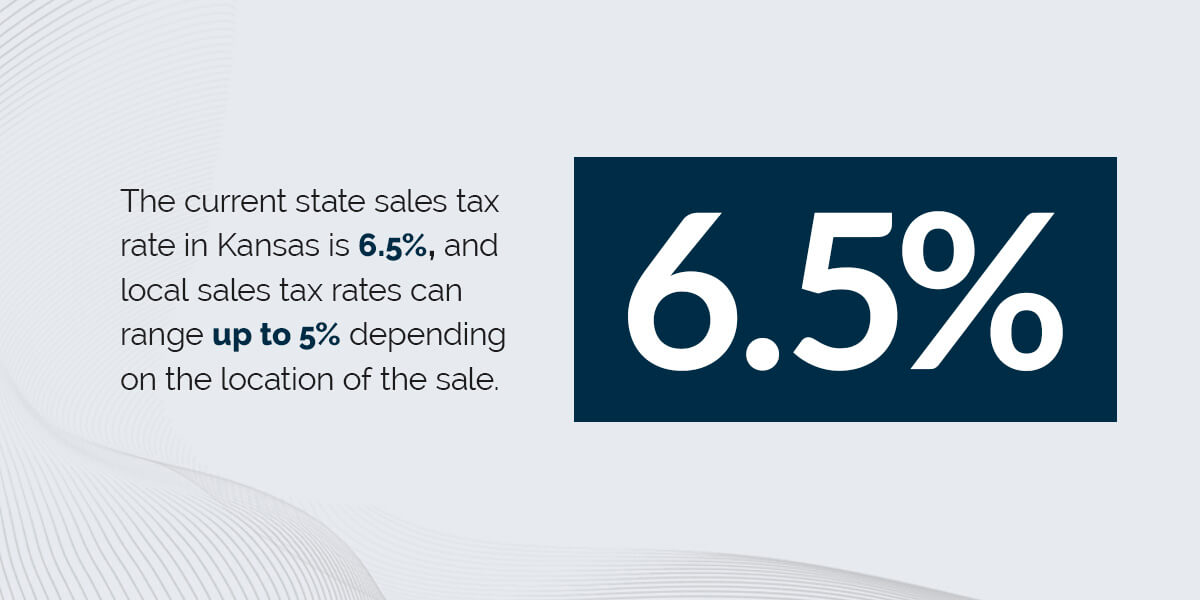
The sales tax system in Kansas is a layered one, with a state-level tax supplemented by local taxes levied by cities and counties. This means that the exact rate you encounter can vary significantly depending on where your travels take you within the state. From the bustling streets of Wichita to the historic charm of Leavenworth, each locality has the authority to add its own percentage to the state’s base rate, creating a dynamic tax landscape. Navigating this can seem daunting, but by understanding the components and how they interact, you can gain clarity.
Understanding the Kansas Sales Tax Structure
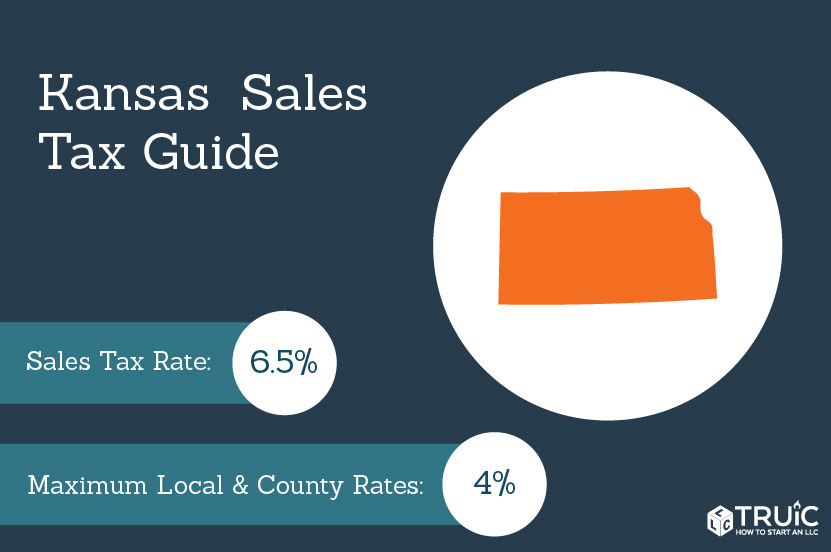
The sales tax in Kansas is not a single, uniform rate across the entire state. Instead, it’s a combination of the state sales tax rate and local sales tax rates. This dual system is common in many U.S. states and is designed to allow local governments to generate revenue to fund public services, infrastructure, and community development projects. For travelers, this means that the price of goods and services, including accommodation at places like the Eldridge Hotel or admission to attractions like the Keeper of the Plains, can fluctuate based on the specific location.
The State Sales Tax
At the core of the Kansas sales tax is the state-level rate. This is the fundamental percentage that applies to most taxable transactions across the entire state. While the state sales tax rate can be subject to legislative changes, it provides a consistent baseline. When you are purchasing items or services, this state rate will always be a component of the total tax you pay. For instance, if you’re enjoying a delicious meal at a restaurant in Kansas City, a portion of your bill will be attributed to this state tax.
It’s important to note that not all items and services are subject to sales tax. Many states, including Kansas, exempt certain goods and services from taxation to achieve various economic or social policy goals. These exemptions can include essential items like groceries, prescription drugs, and certain services deemed necessary or beneficial to the public. Understanding these exemptions can help savvy travelers save money. For example, if you’re planning a longer stay and considering a villa rental for a family trip, knowing whether the rental itself is taxed, or if certain amenities are exempt, can impact your budget.
Local Sales Taxes: City and County Levies
The layer of complexity, and often the reason for differing tax rates, comes from local sales taxes. Cities and counties within Kansas have the authority to impose their own sales taxes, which are then added to the state sales tax. This means that a purchase made in Overland Park might have a different total sales tax rate than the exact same purchase made in Salina.
These local taxes are crucial for funding local governments. They can be used to support a wide range of public services, from maintaining local parks and recreational facilities to funding police and fire departments, and even contributing to local tourism initiatives that enhance the visitor experience. For example, a vibrant arts scene or a well-maintained historic district in a city like Lawrence might be partly supported by the local sales tax that visitors contribute to when purchasing tickets or souvenirs.
The specific rates for local sales taxes are determined by individual city and county ordinances. These rates can change over time as local governing bodies adjust their budgets and tax policies. Therefore, for the most up-to-date information on local sales tax rates, it’s always advisable to check the official resources of the specific city or county you are visiting. This is particularly relevant if you’re booking accommodation in a less-trafficked area or planning an extensive exploration of the state’s natural landmarks.
How Sales Tax Affects Your Kansas Travel Experience
The sales tax in Kansas is an often-overlooked aspect of travel planning, but it can have a tangible impact on your overall budget, particularly for those who enjoy a variety of activities, indulge in local cuisine, or plan extensive shopping excursions. Understanding how these taxes are applied can lead to more informed financial decisions, ensuring your trip to the Sunflower State is both enjoyable and economically sound.
Impact on Accommodation and Dining
When you book your stay at a hotel, resort, or apartment in Kansas, the final price you pay will almost certainly include sales tax. This applies whether you’re looking for a luxurious suite at the Overland Park Marriott or a budget-friendly motel. The sales tax on accommodation is a significant factor, especially for longer stays or family trips where the cumulative cost can add up. Similarly, dining out at Kansas‘s diverse range of restaurants, from fine dining establishments in Wichita to charming cafes in rural towns, will also be subject to sales tax on your food and beverages. The local flavor and culinary experiences that are a hallmark of Kansas tourism are thus directly influenced by these tax rates.
Souvenirs, Attractions, and Activities
The cost of souvenirs, entry fees to attractions, and participation in various tourist activities are also subject to sales tax. If you’re visiting a historic landmark like the Nicodemus National Historic Site or enjoying an outdoor adventure, the price advertised may not be the final amount you pay. The sales tax will be added at the point of purchase. For those interested in the state’s rich history and the architecture of places like the Kansas State Capitol Building, understanding these additional costs is important for budgeting your exploration. This applies to everything from purchasing a handcrafted item at a local craft fair to buying tickets for a performance at a venue in Topeka.
Business Stays and Long-Term Visits
For those on business stays or planning longer-term visits, the impact of sales tax can be amplified. The cumulative cost of accommodation, meals, and any necessary purchases over an extended period can become substantial. While some businesses may be able to claim tax deductions or have specific tax arrangements, individual travelers on extended leases or longer accommodation bookings will need to factor in the sales tax for the duration of their stay. This is especially relevant for individuals considering apartments or villas for a more home-like experience, where the longer the stay, the more significant the total tax burden becomes.
Tips for Managing Sales Tax While Traveling in Kansas
Navigating the sales tax in Kansas doesn’t have to be a source of stress. With a little foresight and understanding, you can effectively manage this aspect of your travel budget and make the most of your experiences. Whether you’re exploring the vast landscapes or immersing yourself in the local culture, being tax-savvy can contribute to a more enjoyable and financially sound trip.
Research Local Rates Before You Go
The most effective way to manage sales tax is to be informed before you arrive at your destination. While a universal Kansas sales tax rate doesn’t exist, you can often find the combined state and local rates for major cities and popular tourist destinations online. Many Kansas tourism websites or official city government pages will provide this information. Knowing the approximate tax rate for Wichita, Kansas City, or Topeka, for instance, will give you a clearer picture of expected costs for accommodation, dining, and shopping. This is especially helpful if you’re comparing different lodging options, such as a resort versus an apartment rental, as the tax will be a constant factor in the final price.
Look for Tax-Exempt Items and Services
As mentioned, Kansas has exemptions for certain goods and services. While these are primarily focused on necessities, it’s worth being aware of them. For example, if you’re staying in Kansas for an extended period and plan to cook some meals in your accommodation, purchasing groceries may be a more tax-efficient option than dining out for every meal. Understanding what is exempt can help you make more budget-conscious choices. Even small savings on everyday purchases can add up, allowing you to allocate more funds to experiencing the unique attractions and activities that Kansas has to offer, such as visiting a charming bed and breakfast or exploring the natural beauty of the Flint Hills.
Consider the Total Cost, Not Just the Sticker Price
When evaluating prices for hotels, tours, or even souvenirs, always consider the potential addition of sales tax. A seemingly lower sticker price might end up being higher than a slightly more expensive option once tax is factored in, especially in areas with higher local tax rates. This is a crucial tip for business travelers who may be looking for the best value for corporate stays or for families on budget travel who need to stretch their dollars further. Always ask for the final price including taxes if it’s not readily apparent, especially when booking accommodation at places like the Eldon Luxury Suites or considering packages for local attractions.
By keeping these tips in mind, you can approach your travel to Kansas with confidence, knowing that you’re prepared to navigate the sales tax landscape. This allows you to focus on the true joys of your journey: the breathtaking landscapes, the rich history, the warm hospitality, and the unforgettable experiences that the Sunflower State has to offer, from the iconic Gateway Arch National Park (though located in Missouri, it’s a common day trip for Kansans) to the more intimate charm of a small town festival.
LifeOutOfTheBox is a participant in the Amazon Services LLC Associates Program, an affiliate advertising program designed to provide a means for sites to earn advertising fees by advertising and linking to Amazon.com. Amazon, the Amazon logo, AmazonSupply, and the AmazonSupply logo are trademarks of Amazon.com, Inc. or its affiliates. As an Amazon Associate we earn affiliate commissions from qualifying purchases.