
Planning a trip to the picturesque Pine Tree State? Whether you’re embarking on a luxurious resort getaway in Kennebunkport, exploring the historic charm of Portland, or venturing into the rugged beauty of Acadia National Park, understanding the local tax landscape is crucial for budgeting your travel and accommodation. Maine, known for its stunning coastlines, delectable seafood, and vibrant local culture, also has its own specific rules regarding sales tax. This guide will delve into what Maine’s sales tax entails, how it impacts your tourism experiences, and what you should be aware of as you plan your stay.
Understanding Maine’s Sales Tax Framework
At its core, Maine has a relatively straightforward sales tax system. Unlike some states that impose a multitude of taxes on various goods and services, Maine primarily focuses its sales tax on tangible personal property and specific enumerated services. This means that when you purchase items like souvenirs, clothing, or electronics, you can expect to see a sales tax added to the bill. The standard rate is a crucial piece of information for any visitor or even a local resident looking to make informed purchases.
The Standard Rate and What it Covers
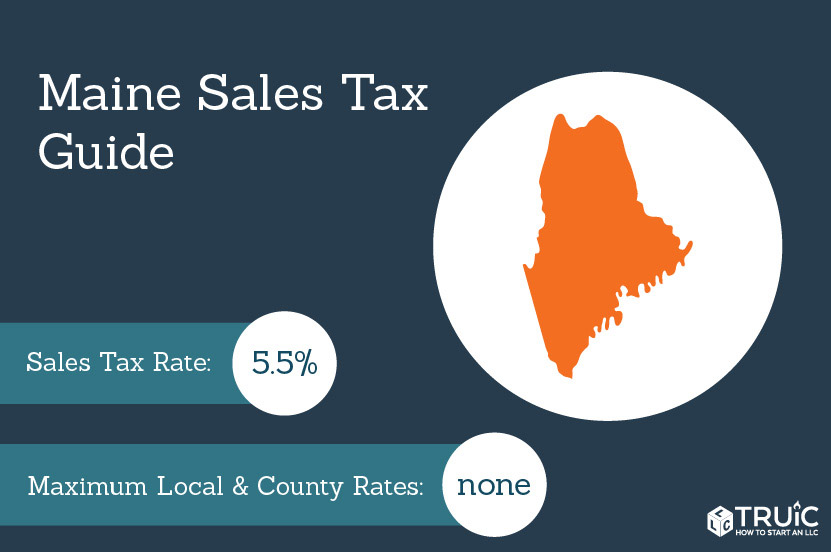
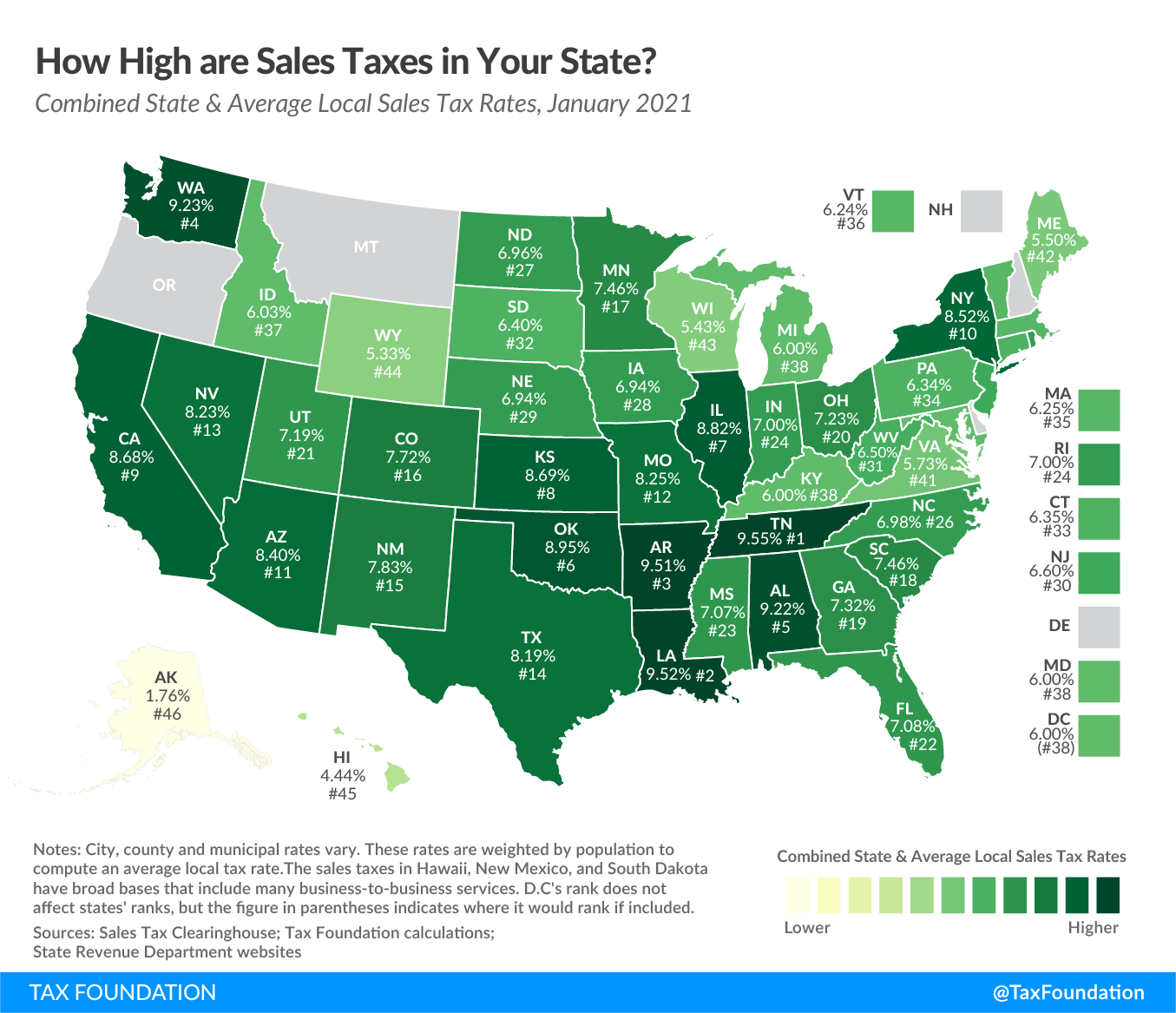
The state of Maine levies a six percent (6%) statewide sales tax. This rate applies to most retail sales of tangible personal property. So, if you’re browsing the charming shops in Bar Harbor, picking up some local artisan crafts, or stocking up on provisions for a family trip, this 6% will likely be added to your total. It’s a consistent figure that forms the basis of Maine’s sales tax collection.
However, the impact of this tax isn’t solely confined to physical goods. Maine also designates certain services as taxable, which can significantly influence your lifestyle choices and accommodation expenses. Understanding which services fall under this umbrella is key to avoiding any unexpected charges during your visit. This often includes things like repair services, amusement and recreational services, and certain types of rentals. For instance, if you’re renting a boat for a day of exploring the coast or enjoying a guided tour of a historic landmark, the sales tax might be factored into the cost.
Exemptions and What You Don’t Pay Tax On
While the 6% rate is prevalent, Maine has thoughtfully carved out several important exemptions to alleviate the tax burden on essential goods and specific types of transactions. This is where the nuances of Maine’s sales tax truly become apparent, offering some relief and strategic planning opportunities for budget-conscious travelers.
One of the most significant exemptions pertains to groceries. The everyday food items you purchase at a supermarket, such as fruits, vegetables, meats, dairy products, and bread, are generally exempt from sales tax. This is a common practice in many states aimed at reducing the cost of living for residents and visitors alike. So, if you’re planning to prepare some meals at your apartment or villa rather than dining out every night, you can rest assured that your grocery bill won’t be subject to the 6% tax.
Another crucial exemption relates to clothing and footwear intended for human wear. This is a fantastic piece of news for anyone looking to update their wardrobe while visiting Maine or picking up some practical gear for outdoor adventures. Items like coats, shoes, shirts, and pants are typically exempt. However, it’s important to note that this exemption usually doesn’t extend to accessories like jewelry, handbags, or hats, which may still be subject to the standard 6% sales tax. This distinction is vital for savvy shoppers who want to maximize their purchasing power.
Furthermore, Maine offers exemptions for certain prescription drugs and medical devices, recognizing the essential nature of these items. This aligns with a broader societal goal of making healthcare more accessible and affordable.
Beyond tangible goods, Maine also provides exemptions for services that are considered fundamental or are aimed at promoting specific industries. For example, many professional services, such as legal or accounting services, are not subject to sales tax. Similarly, when it comes to accommodation, while hotels and motels are generally taxed, there are specific rules regarding long-term stays that can offer a reduction in the tax rate or even an exemption after a certain period, which is particularly relevant for those considering a long-term stay in Maine. This is a key detail for individuals or families planning an extended visit, perhaps for a seasonal job or a prolonged exploration of Maine’s diverse attractions.
Sales Tax on Accommodation and Tourism
When it comes to tourism and accommodation in Maine, sales tax plays a significant role in the overall cost of your visit. Whether you’re booking a luxurious suite at a beachfront resort or a cozy room in a historic inn, understanding how sales tax applies to your lodging is essential for accurate budgeting.
Hotels, Motels, and Short-Term Rentals
For most short-term stays in hotels, motels, inns, and even many vacation rentals like apartments or villas, the 6% Maine sales tax will apply to the room rate. This is a standard practice across the country, as lodging is generally considered a taxable service. So, if you book a few nights at a renowned hotel in Portland or a charming bed and breakfast overlooking the Atlantic, factor in that additional 6% when calculating your expenses.
However, there’s a notable exception for long-term stays. Maine offers a sales tax exemption for lodging when the rental period exceeds 31 consecutive days. This means that if you plan to stay in one place for over a month, you can often avoid paying sales tax on your accommodation. This is a fantastic incentive for those who are relocating to Maine for work, enjoying an extended sabbatical, or simply falling in love with the state and wanting to immerse themselves in its lifestyle for an extended period. It’s always advisable to confirm this exemption with your chosen accommodation provider, as some may have specific policies or require direct booking to ensure the tax is handled correctly for longer durations.
Restaurants and Dining Experiences
Maine’s culinary scene is a major draw for visitors, from savoring fresh lobster rolls on the coast to enjoying fine dining in cities like Portland. When it comes to dining out, the 6% Maine sales tax applies to prepared food and beverages sold for immediate consumption. This includes meals ordered in restaurants, takeout orders, and even beverages purchased at a bar or cafe.
However, there’s a key distinction to be aware of: groceries purchased for home consumption are generally exempt, as mentioned earlier. So, if you buy ingredients from a local market to cook your own meals, you won’t incur sales tax. But if you decide to have those ingredients prepared for you by a restaurant or caterer, the sales tax will apply. This helps to differentiate between essential food purchases and services that provide a culinary experience.
Tips given to servers are generally not subject to sales tax. This is a common understanding in the service industry, ensuring that gratuities directly benefit the staff.
Attractions and Entertainment
When you’re exploring Maine’s many attractions, landmarks, and experiences, you’ll likely encounter sales tax on various entertainment and admission fees. This can include tickets to museums, historical sites, amusement parks, theaters, and sporting events. The 6% Maine sales tax is typically applied to these admission charges.
For example, if you’re planning a visit to a famous place like Acadia National Park, while the park entrance fee itself might have its own pricing structure, any associated tours or concessions within the park would likely be subject to sales tax. Similarly, attending a concert at a local venue or visiting a historical landmark often involves a ticket price that includes the 6% sales tax.
It’s also worth noting that certain recreational services, such as guided tours, equipment rentals for activities like kayaking or skiing, and even some luxury travel experiences, may also be subject to the 6% sales tax. Always check the pricing details when booking or purchasing tickets to ensure you have a clear understanding of the total cost, including any applicable taxes.
Navigating Sales Tax for Budget and Lifestyle Considerations
Understanding Maine’s sales tax is not just about knowing the rate; it’s about integrating this knowledge into your travel planning, budgeting, and overall lifestyle choices while in the state. Whether you’re a budget traveler or seeking luxury travel experiences, being tax-aware can make a significant difference.
Budget Travel Tips and Tax Savings
For budget travelers, every dollar counts. Maine’s sales tax can add up, especially on discretionary purchases. Here are a few tips to keep your expenses in check:
- Embrace the Grocery Exemption: As previously highlighted, the exemption on groceries is a major benefit. Stocking up on essentials from supermarkets and preparing meals at your accommodation can significantly reduce your food costs compared to dining out for every meal. This is particularly helpful for families on family trips.
- Prioritize Tax-Exempt Clothing: If you need to purchase clothing or footwear, do so from retailers that fall under the exemption. This can save you a considerable amount, especially on larger purchases.
- Look for Tax-Inclusive Pricing (Rare): While not common, some smaller businesses or specific tours might advertise prices that are all-inclusive of tax. Always inquire if you’re unsure.
- Consider Long-Term Stays: If your travel plans allow for an extended stay of over 31 days, the exemption on accommodation can lead to substantial savings, making long-term stays a more financially viable option.
- Plan Your Purchases: If you have larger, non-essential purchases in mind, like electronics or specific souvenirs, you might consider if it’s more tax-efficient to buy them in a location with a lower or no sales tax, if that’s feasible with your travel itinerary. However, for most travelers, the convenience and experience of purchasing locally outweigh these minor considerations.

Luxury Travel and Understanding Added Costs
For those indulging in luxury travel, the 6% sales tax, while a smaller percentage of their overall budget, still represents an added cost that should be factored in. High-end resorts, fine dining establishments, and premium experiences will naturally incur higher tax amounts due to the higher base price.
- Factor into Total Cost: When budgeting for a luxury vacation in Maine, always include the 6% sales tax on hotels, restaurant meals, spa treatments, and exclusive experiences. This ensures you have a realistic financial picture.
- Services with Varied Taxability: Be aware that some luxury services might have different tax implications. For instance, while a hotel stay is taxed, a private chef hired to cook at your villa might be considered a different type of service with its own tax rules. It’s always best to confirm with the service provider.
- The Value of Exemptions: Even in luxury travel, the exemptions can still be beneficial. For example, if a luxury resort offers a package that includes groceries for in-room dining or provides high-quality clothing as part of an amenity, those items would be tax-exempt.
In conclusion, Maine’s sales tax is a significant, yet manageable, aspect of visiting or living in the Pine Tree State. By understanding the standard 6% rate, its applicable areas, and the numerous exemptions, you can navigate your travels, accommodation, and lifestyle choices more effectively, ensuring a smooth and enjoyable experience in the beautiful state of Maine. Whether you’re exploring landmarks, enjoying the local culture, or simply seeking a relaxing escape, a little tax knowledge goes a long way.
LifeOutOfTheBox is a participant in the Amazon Services LLC Associates Program, an affiliate advertising program designed to provide a means for sites to earn advertising fees by advertising and linking to Amazon.com. Amazon, the Amazon logo, AmazonSupply, and the AmazonSupply logo are trademarks of Amazon.com, Inc. or its affiliates. As an Amazon Associate we earn affiliate commissions from qualifying purchases.