
Visiting a new city is an exciting prospect, filled with opportunities to explore unique attractions, savor local cuisine, and immerse oneself in a distinct culture. For travelers venturing to Minneapolis, understanding the local financial landscape, particularly sales tax, is a crucial step in effective budgeting and avoiding unwelcome surprises. Beyond just a single percentage, the sales tax structure in Minneapolis is a composite of state, county, and city-specific levies, which can vary significantly depending on what you’re buying or where you’re staying. This comprehensive guide aims to demystify the sales tax in Minneapolis, offering clear insights for tourists and visitors alike to plan their finances with confidence.
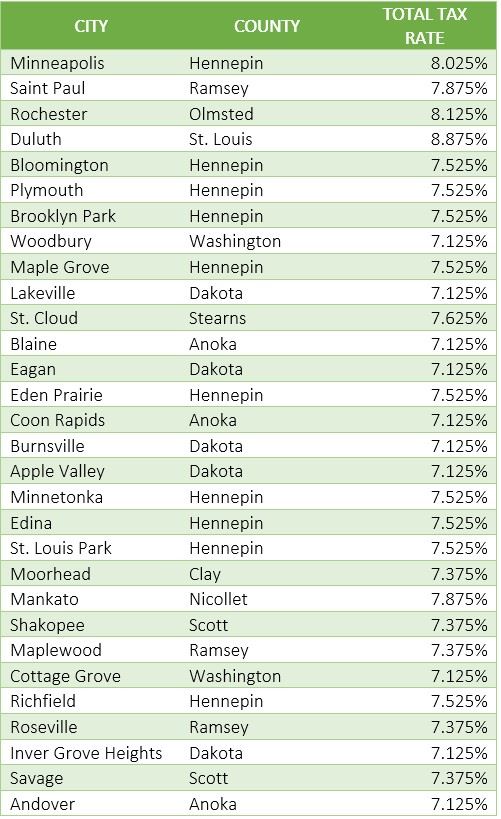
Navigating the Multi-Layered Sales Tax System in Minneapolis
The sales tax in Minneapolis is not a static number but rather an aggregation of different governmental levels. To truly grasp what you’ll be paying, it’s essential to break down these components. This layered approach is common across many U.S. cities but understanding the specifics for Minneapolis can make a significant difference in your travel expenses.
The Foundation: Minnesota State Sales Tax
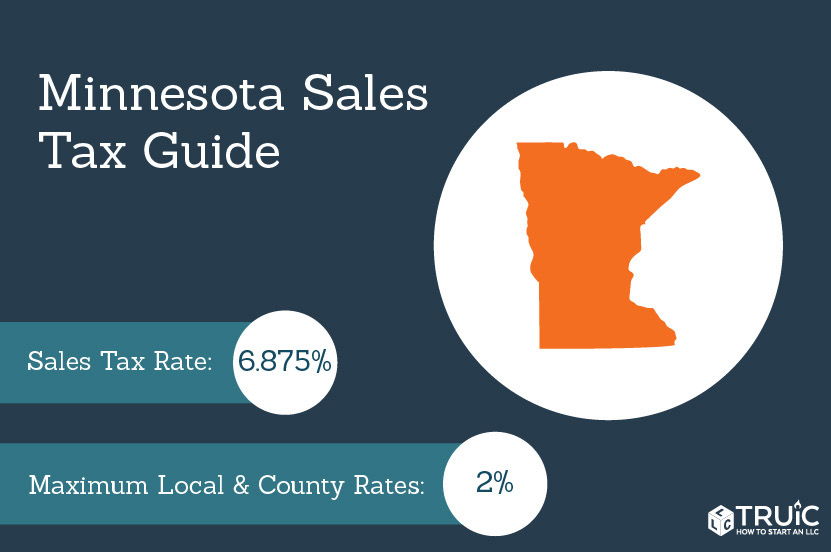
At the base of the sales tax structure is the Minnesota state sales tax. As of the latest figures, the statewide sales tax rate is 6.875%. This percentage applies to a broad range of tangible personal property and certain taxable services purchased throughout the state of Minnesota, including within Minneapolis. This is the initial layer that almost every taxable transaction will encounter. Understanding this base rate is the first step in calculating your overall tax burden. It’s important to note that this state rate can be subject to legislative changes, so it’s always wise to check for the most current information, especially for long-term planning.
Hennepin County: Adding Transit and Stadium Taxes
Beyond the state level, Hennepin County, where Minneapolis is located, imposes its own set of taxes. These are primarily dedicated to funding specific regional initiatives.
Firstly, there’s a 0.5% Transit Tax. This tax contributes to the funding and improvement of public transportation systems across the seven-county metropolitan area, including light rail, buses, and other transit infrastructure vital for connecting communities and easing congestion. This directly benefits visitors who use public transport to navigate Minneapolis and its surrounding areas, making it easier to reach attractions, restaurants, and shopping districts without the need for a car.
Secondly, Hennepin County also levies a 0.15% Stadium Tax. This tax was put in place to help fund the construction and maintenance of major sports venues within the county, such as Target Field, home to the Minnesota Twins, and U.S. Bank Stadium, the impressive home of the Minnesota Vikings. While primarily for sports, these stadiums also host concerts, conventions, and other large-scale events that draw tourists and boost the local economy.
Minneapolis City Specific Taxes: Dining, Lodging, and Entertainment
Unlike some cities that impose a general city-wide sales tax on all goods, Minneapolis implements specific taxes on certain categories that are highly relevant to tourists: dining, lodging, and entertainment.
- Food and Beverage Tax: Minneapolis imposes a 3% Food and Beverage Tax. This applies to prepared food and drinks sold by restaurants, bars, and certain other food service establishments within the city limits. This tax is a significant addition for anyone planning to enjoy Minneapolis’ vibrant culinary scene.
- Lodging Tax: For accommodations, the tax structure is even more intricate. In addition to the standard state and county sales taxes that apply to lodging, Minneapolis adds a 3% city lodging tax and a 1% Convention Center tax. Furthermore, Minnesota state also has a 2.75% state lodging tax. These combined taxes can significantly increase the cost of your hotel stay.
- Entertainment Tax: While less frequently discussed, certain entertainment venues or events within Minneapolis may also be subject to additional local taxes, though these are often incorporated into ticket prices or specific venue charges.
Decoding the Combined General Sales Tax Rate
When all these layers are combined, the general sales tax rate on most taxable goods and services in Minneapolis is:
- Minnesota State Sales Tax: 6.875%
- Hennepin County Transit Tax: 0.5%
- Hennepin County Stadium Tax: 0.15%
- Total General Sales Tax: 7.525%
However, as detailed above, this rate escalates for specific categories like dining and lodging, making it crucial to be aware of the exact tax implications for different types of purchases during your visit.
Impact on Your Minneapolis Experience: Where Sales Tax Applies
Understanding the base rates is one thing, but knowing how these taxes specifically affect your spending during a trip to Minneapolis is key to smart budgeting. Different aspects of your visit will incur different tax burdens, ranging from retail purchases to dining out and booking your stay.
Dining Out: The Minneapolis Food and Beverage Tax
Minneapolis boasts a dynamic food scene, from upscale restaurants to casual eateries and bustling breweries. When you dine out, you’re looking at a combined sales tax rate that includes the general 7.525% plus the 3% Minneapolis Food and Beverage Tax. This means your total tax on a restaurant meal or a round of drinks will be 10.525%. This percentage can add up quickly over several meals, so factor it into your dining budget. For example, a $100 meal will effectively cost you $110.53 before tip. This tax also applies to take-out and delivery from these establishments.
Retail Therapy: Shopping for Souvenirs and More
Whether you’re exploring the shops along Nicollet Mall, browsing boutiques in the North Loop, or picking up essentials, most retail purchases of tangible goods will be subject to the general sales tax rate of 7.525%. This includes souvenirs, electronics, home goods, and other items. However, there are notable exemptions for certain categories like most clothing, which can offer a welcome relief for shoppers. We will delve into these exemptions shortly. For items that are taxable, remember to mentally add that 7.525% to the sticker price.
Accommodations: Understanding the Lodging Tax Stack
Booking a hotel, vacation rental, or bed and breakfast in Minneapolis involves a substantial lodging tax. As mentioned, this is a combination of state, county, and city taxes.
- Minnesota State Sales Tax: 6.875%
- Hennepin County Transit Tax: 0.5%
- Hennepin County Stadium Tax: 0.15%
- Minnesota State Lodging Tax: 2.75%
- Minneapolis City Lodging Tax: 3%
- Minneapolis Convention Center Tax: 1%
The cumulative effect is a total lodging tax of 14.275% on your room rate. This is a significant percentage that can substantially increase the final cost of your stay. A $200 per night hotel room, for instance, would incur an additional $28.55 in taxes, making it $228.55 before any resort fees or incidentals. It’s always best to check the total price, including all taxes and fees, when booking your accommodation.
Entertainment and Events: Taxes on Your Fun
Attending a concert, catching a show at the Guthrie Theater, visiting a museum, or cheering at a sports game at Target Field or U.S. Bank Stadium might also involve sales tax. Generally, tickets for these events are subject to the standard 7.525% sales tax. Depending on the venue or specific type of entertainment, additional local fees or taxes might also apply, although these are typically integrated into the ticket price you see advertised. Always review the full breakdown of charges when purchasing tickets to understand the final cost.
Exemptions and Special Considerations: Saving on Sales Tax
While sales tax is a prevalent part of transactions in Minneapolis, understanding what is exempt from tax can help you save money and make more informed purchasing decisions. Minnesota offers several notable exemptions that are particularly beneficial for visitors.
Groceries and Essential Food Items: A Welcome Break
One of the most significant exemptions in Minnesota is for most food products purchased for home consumption. This means that when you buy groceries from a supermarket or grocery store – such as fresh produce, meat, dairy, packaged foods, and non-alcoholic beverages – you will generally not pay sales tax. This exemption helps keep the cost of living and basic necessities more affordable. However, prepared foods, hot foods, and restaurant meals are taxable, including the Minneapolis food and beverage tax, as discussed earlier. So, picking up a cold sandwich from a deli counter might be tax-free, but ordering a hot meal from a restaurant will not be.
Clothing and Footwear: Generally Exempt
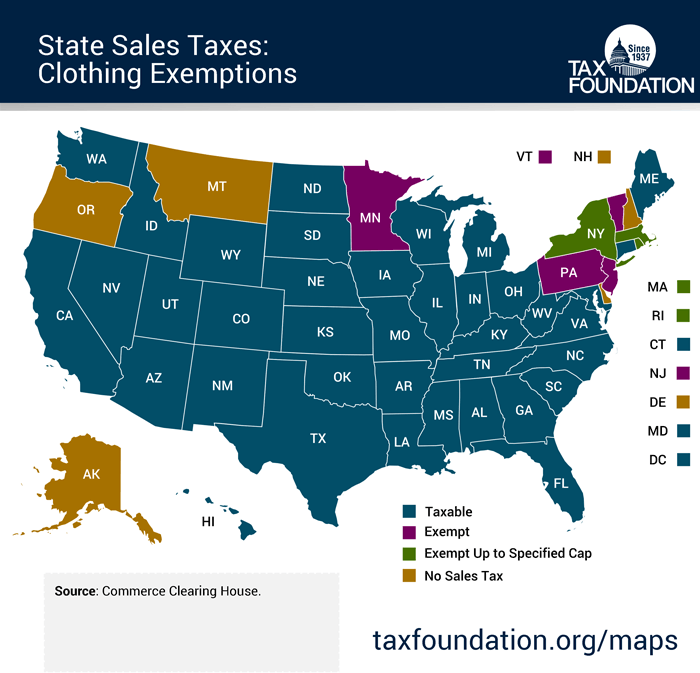
Another major exemption that benefits shoppers is for most clothing and footwear. In Minnesota, nearly all articles of clothing and footwear are exempt from state, county, and city sales taxes. This is a considerable advantage for those looking to update their wardrobe or purchase cold-weather gear. There are some exceptions, such as certain accessories, sports equipment, or specialty items that are not considered “clothing,” but for typical apparel purchases, you can expect to pay the sticker price without additional sales tax. This makes Minneapolis an attractive destination for clothes shopping, especially at major retail hubs like the Mall of America (though technically in Bloomington, the tax exemption applies statewide).
Services vs. Tangible Goods: Knowing the Difference
Generally, sales tax in Minnesota applies to the sale of tangible personal property and a limited number of specified services. Many common services, such as haircuts, dry cleaning, medical services, and certain professional services, are not subject to sales tax. However, services that are related to the sale of tangible goods, like installation services for a taxable item, may be taxable. It’s a nuanced area, and if you are purchasing a service that seems related to a taxable good, it’s worth clarifying with the vendor.
Digital Products and Software: Modern Tax Rules
In the digital age, understanding how sales tax applies to digital products is increasingly relevant. Minnesota generally taxes specified digital products if they are transferred electronically and sold for personal use. This can include downloaded software, digital music, e-books, and streaming services. The rules here can be complex and may depend on the nature of the product and its intended use. For most tourists, this might be less of a concern, but for those making significant digital purchases, it’s a point to be aware of.
Practical Tips for Budgeting Sales Tax as a Tourist
Navigating the various sales tax rates in Minneapolis might seem daunting, but with a few practical tips, you can effectively budget for your trip and avoid any financial surprises. Being prepared means you can focus more on enjoying the vibrant city and less on unexpected costs.
Factor in the “Hidden” Costs
The most important tip is to always remember that the price you see on a menu or a retail tag might not be the final price you pay. For dining, lodging, and most retail goods, you need to add the relevant sales tax percentages. Make it a habit to mentally (or with a quick calculation) add the tax when considering a purchase. For a general guideline, assume at least 7.5% for most goods, 10.5% for dining, and over 14% for lodging. Building this into your initial budget estimations will prevent overspending.
Leveraging Tax-Free Categories
Take advantage of Minnesota’s generous exemptions for groceries and most clothing. If you’re looking to save money on food, consider preparing some of your own meals, especially breakfast or snacks, by purchasing groceries from a local supermarket. Similarly, if you plan on doing some shopping, Minneapolis (and Minnesota in general) can be an excellent place to buy clothes, knowing that you won’t be paying extra sales tax on those purchases.
Digital Tools and Price Checks
Many modern point-of-sale systems and online booking platforms will display the total cost including all applicable taxes. When booking accommodations online, always look for the “total price” breakdown before confirming, which should itemize all taxes and fees. For everyday shopping, a simple calculator app on your phone can quickly help you add the sales tax to an item’s sticker price. Some budgeting apps can also help you track your spending and factor in tax estimates.
When in Doubt: Ask the Vendor
If you are unsure whether a specific item or service is subject to sales tax, or what the exact rate might be, don’t hesitate to ask the cashier or service provider. Most businesses are accustomed to these questions and can provide clarity. This is particularly useful for unique purchases, special services, or items that might fall into a grey area of exemptions.
The Economic Ripple: Where Your Minneapolis Tax Dollars Go
Understanding where your sales tax dollars are allocated can provide a deeper appreciation for the public services and infrastructure they support. While these taxes add to your overall cost, they play a crucial role in maintaining and enhancing the very city you’re visiting. For tourists, recognizing this connection can transform a mandatory payment into an investment in the local community and visitor experience.
Funding Public Services and Infrastructure
A significant portion of state and county sales tax revenues is channeled into essential public services. This includes maintaining roads and bridges, supporting emergency services (police and fire departments), funding public education, and providing social welfare programs. By contributing through sales tax, visitors indirectly help sustain the safe, clean, and well-maintained environment that makes Minneapolis an attractive destination. These funds ensure smooth travel, efficient public safety, and a healthy community for both residents and guests.
Supporting Tourism and Convention Centers
The specific Minneapolis Convention Center tax and a portion of other local taxes are directly reinvested into the city’s tourism infrastructure. This includes the upkeep and promotion of the Minneapolis Convention Center, a hub for large events, conferences, and exhibitions that draw visitors from around the globe. These investments also support local tourism initiatives, marketing campaigns, and visitor services that aim to enhance the experience for everyone exploring the city. Essentially, a part of your lodging and dining tax helps ensure Minneapolis remains a vibrant and welcoming destination.
Sustaining Local Transit and Stadiums
The Hennepin County Transit Tax is explicitly dedicated to improving and expanding the public transportation network, including light rail lines and bus services. This robust transit system is invaluable for tourists, offering convenient and eco-friendly ways to explore different neighborhoods and attractions without the hassle of driving and parking. Similarly, the Stadium Tax contributes to world-class venues like U.S. Bank Stadium and Target Field, which not only host major sports events but also significant concerts and entertainment, adding to the city’s appeal. Your tax dollars help ensure these facilities are maintained and continue to attract high-profile events, enriching the cultural and recreational offerings of Minneapolis.
In conclusion, while the sales tax structure in Minneapolis can appear intricate, breaking it down into its state, county, and city components reveals a logical system. By being aware of the different rates for general goods, dining, and lodging, and by understanding the beneficial exemptions for groceries and clothing, visitors can confidently navigate their purchases and fully enjoy everything this remarkable Minnesota city has to offer.
LifeOutOfTheBox is a participant in the Amazon Services LLC Associates Program, an affiliate advertising program designed to provide a means for sites to earn advertising fees by advertising and linking to Amazon.com. Amazon, the Amazon logo, AmazonSupply, and the AmazonSupply logo are trademarks of Amazon.com, Inc. or its affiliates. As an Amazon Associate we earn affiliate commissions from qualifying purchases.