
Understanding the sales tax landscape is an essential aspect of planning any trip or conducting business within a state. For visitors and residents alike, knowing the applicable tax rates can influence budgeting and purchasing decisions. Nebraska boasts a unique approach to sales tax, blending state and local components that create a dynamic system. This exploration delves into the intricacies of sales tax in the Cornhusker State, offering clarity for travelers and those making purchases within its borders.
Nebraska’s State Sales Tax Rate
At the core of Nebraska’s sales tax structure is a statewide rate that applies to most goods and services. This base rate serves as the foundation upon which local taxes are added, creating the final consumer price.
The Base Rate and Its Application
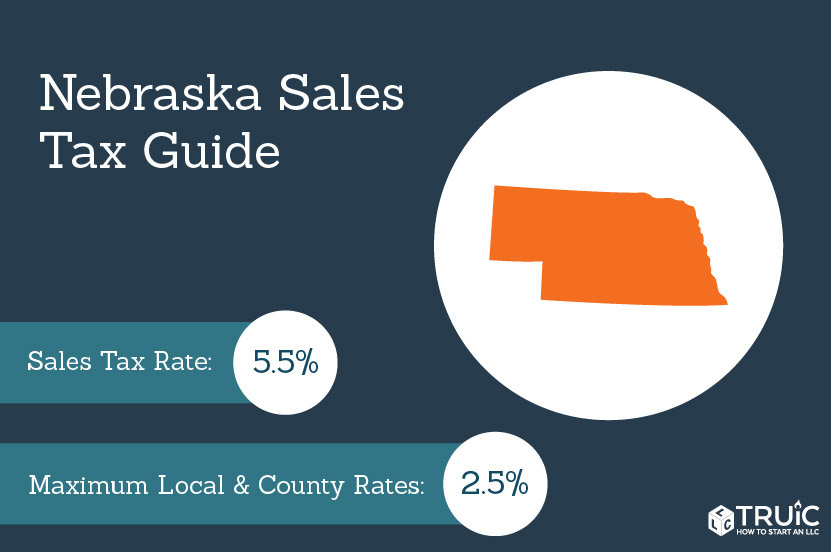
The current state sales tax rate in Nebraska is 5.5%. This rate is applied to a broad spectrum of tangible personal property and specified services. Understanding what is taxable is crucial for accurate financial planning. Generally, items you can touch and feel, such as clothing, electronics, and furniture, are subject to this tax. Services that are typically taxed include admissions to amusement facilities, photographic services, and dry-cleaning services, among others.
However, it is important to note that certain items and services are exempt from state sales tax. These exemptions are often put in place to encourage specific economic activities or to provide relief for essential goods. Common exemptions include most food items intended for home consumption, prescription drugs, and agricultural products. Travelers, for instance, will find that groceries purchased for their own preparation are generally not taxed, while dining at a restaurant will incur the applicable sales tax.
Revenue Allocation and Its Impact
The revenue generated from the state sales tax plays a significant role in funding various state government services. These funds contribute to public education, infrastructure development, and a wide array of other essential public programs. The state’s reliance on sales tax makes it a vital component of its overall fiscal health. For travelers, this means that their purchases directly contribute to the upkeep and services of the state they are visiting.
Local Sales Taxes in Nebraska
Beyond the state-level rate, Nebraska allows its cities and counties to levy their own local sales taxes. This feature means that the total sales tax rate can vary considerably depending on the specific location within the state. This is a critical piece of information for anyone traveling through or planning to make significant purchases in different Nebraska locales.
The Add-On Tax System
Local sales taxes in Nebraska are administered as “add-on” taxes. This means they are added directly to the state sales tax rate. The combined rate, therefore, is the sum of the state rate and any applicable city or county rates. This system is common across many states that permit local sales taxation, ensuring a straightforward calculation for consumers.
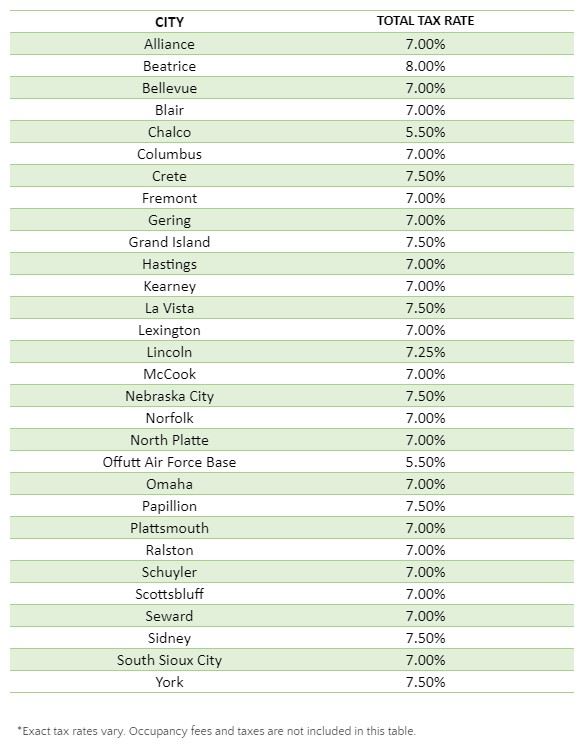
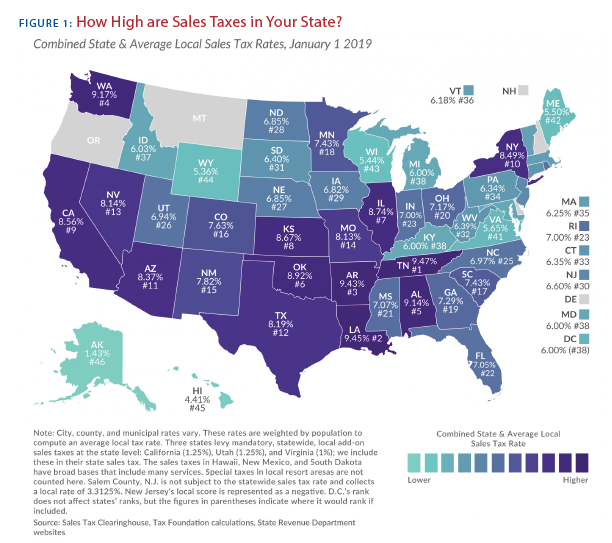
The maximum combined state and local sales tax rate in Nebraska is capped. This cap prevents excessively high tax burdens in certain areas. However, within this cap, there is substantial variation. For example, a purchase made in Omaha, Douglas County, may have a different total sales tax than a purchase made in Lincoln, Lancaster County, or a more rural area.
Understanding Tax Jurisdictions
Navigating Nebraska’s local sales tax structure requires an understanding of tax jurisdictions. These jurisdictions are defined by the boundaries of cities and counties, and sometimes special taxing districts. The Department of Revenue in Nebraska provides resources and tools to help businesses and consumers determine the correct tax rate for a given location. This is particularly important for online retailers who must collect and remit sales tax based on the destination of the sale.
For travelers, this translates to checking the total sales tax rate for the specific city or county they are visiting. A quick search or inquiry at a local visitor center can provide this information. For instance, if you are staying at a hotel in Scottsbluff, the sales tax rate will be determined by the combined state, county, and city rates applicable there, which could differ from Grand Island.
Specific Taxable Goods and Services in Nebraska
While the general principles of sales tax apply, Nebraska has specific classifications for certain goods and services that can impact travelers and residents. These often relate to hospitality, entertainment, and specific types of transactions.
Hospitality and Accommodation Taxes
For those visiting Nebraska for leisure or business, the tax on lodging is a significant consideration. Hotel stays, motel rentals, and other forms of short-term accommodation are subject to sales tax. This tax is typically levied at the combined state and local rate applicable to the location of the lodging establishment. This means that staying at a luxurious resort like the Omaha Marriott Downtown will incur sales tax, as will a more budget-friendly motel.
Beyond room charges, other services provided by hospitality businesses may also be taxed. This can include charges for meals consumed on the premises if they are not separately itemized and taxed. It is always advisable to check the billing details to understand all applicable taxes.
Tangible Personal Property and Prepared Food
As mentioned earlier, tangible personal property is generally taxable. This includes items purchased in retail stores across Nebraska. However, there are nuances. For instance, the distinction between food for home consumption (generally exempt) and prepared food purchased for immediate consumption (generally taxable) is important. A diner in North Platte selling a plate of hot food will charge sales tax on that meal, whereas a grocery store selling raw ingredients will not.
This distinction can sometimes be blurred, particularly with pre-packaged meals from grocery stores or convenience items. Nebraska’s Department of Revenue provides clear guidelines on what constitutes prepared food versus food for home consumption to help clarify these situations.
Services and Digital Goods
The scope of sales tax has expanded over the years to include various services and, in many states, digital goods. In Nebraska, several services are subject to sales tax. These can include services such as repair work on tangible personal property, telecommunication services, and cable television services.
The taxation of digital goods and services, such as software downloads or streaming services, is a complex area that is continually evolving. Nebraska follows federal guidelines and its own legislative decisions on these matters. For travelers relying on streaming services or purchasing digital content, it is prudent to be aware that these may also be subject to sales tax depending on the provider’s nexus within the state.
Filing and Remitting Sales Tax in Nebraska
For businesses operating in Nebraska or selling into the state, understanding the requirements for filing and remitting sales tax is paramount. This ensures compliance with state regulations and avoids potential penalties.
Registration and Licensing
Businesses that are engaged in selling taxable goods or services in Nebraska must register with the Nebraska Department of Revenue. This registration process establishes the business’s tax account and enables them to collect the appropriate sales tax from their customers. A seller’s permit or similar license is typically issued upon successful registration.
For businesses with no physical presence in Nebraska but that exceed certain sales thresholds (often referred to as economic nexus), the requirement to collect and remit sales tax may also apply. This is a significant development in sales tax law that impacts many online retailers.
Filing Frequency and Methods
Sales tax returns in Nebraska are generally filed on a monthly, quarterly, or annual basis, depending on the volume of sales and the business’s history. The Department of Revenue will typically inform businesses of their required filing frequency. Returns are typically filed electronically through the department’s online portal, which streamlines the process and ensures accuracy.
When filing, businesses report the total sales made and the amount of sales tax collected. They then remit the collected tax to the state. It is crucial to file accurately and on time to avoid penalties and interest charges.
Record Keeping Requirements
Maintaining accurate and complete records is a fundamental requirement for all businesses subject to sales tax. This includes records of all sales transactions, purchases, and tax collected. Proper record-keeping facilitates accurate tax filing and is essential in the event of an audit by the Nebraska Department of Revenue. Businesses should retain their records for a specified period, as outlined by state regulations.
Conclusion: Navigating Nebraska’s Sales Tax for Smooth Travels and Transactions
For travelers, understanding Nebraska’s sales tax means being prepared for the total cost of purchases, from souvenirs in Scottsbluff to dining in Omaha. For residents and businesses, it necessitates diligent compliance with state and local regulations. The blend of state and local rates, along with specific exemptions and taxable categories, creates a detailed system that, once understood, contributes to a transparent and predictable financial experience within the state. By familiarizing yourself with these guidelines, you can ensure your travels and transactions in Nebraska are both enjoyable and financially sound.
LifeOutOfTheBox is a participant in the Amazon Services LLC Associates Program, an affiliate advertising program designed to provide a means for sites to earn advertising fees by advertising and linking to Amazon.com. Amazon, the Amazon logo, AmazonSupply, and the AmazonSupply logo are trademarks of Amazon.com, Inc. or its affiliates. As an Amazon Associate we earn affiliate commissions from qualifying purchases.