
Navigating the financial landscape of any destination is an integral part of planning a fulfilling trip. For travelers exploring the picturesque state of Maine, understanding its sales tax structure is key to budgeting effectively and avoiding any unwelcome surprises. This guide delves into the specifics of Maine’s sales tax, offering clarity for tourists, visitors, and those considering a longer stay within its charming cities and natural wonders.
Understanding Maine’s Sales Tax Framework
Maine operates under a state-level sales tax system, which is applied to the retail sale of tangible personal property and certain services. Unlike some states that have a complex web of local taxes, Maine’s sales tax is primarily managed at the state level, though there are specific nuances to be aware of. This unified approach generally simplifies the process for consumers, allowing for a more predictable understanding of additional costs.
The Standard Sales Tax Rate
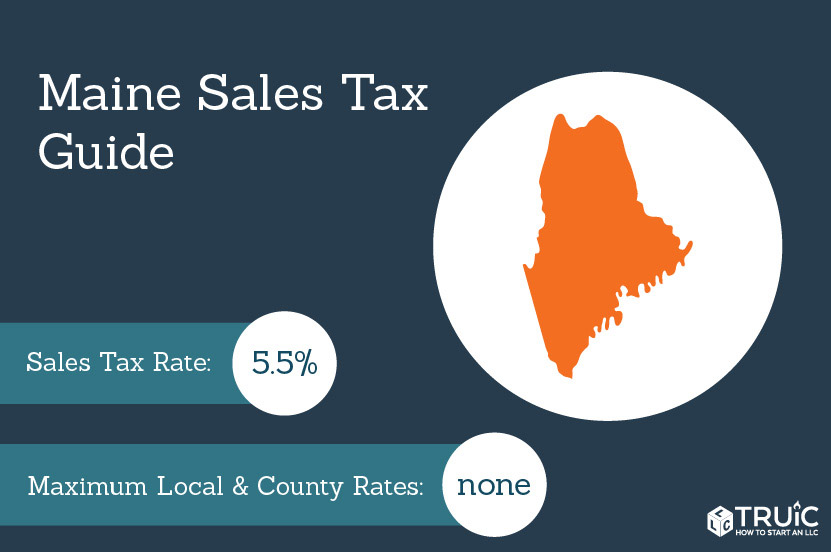
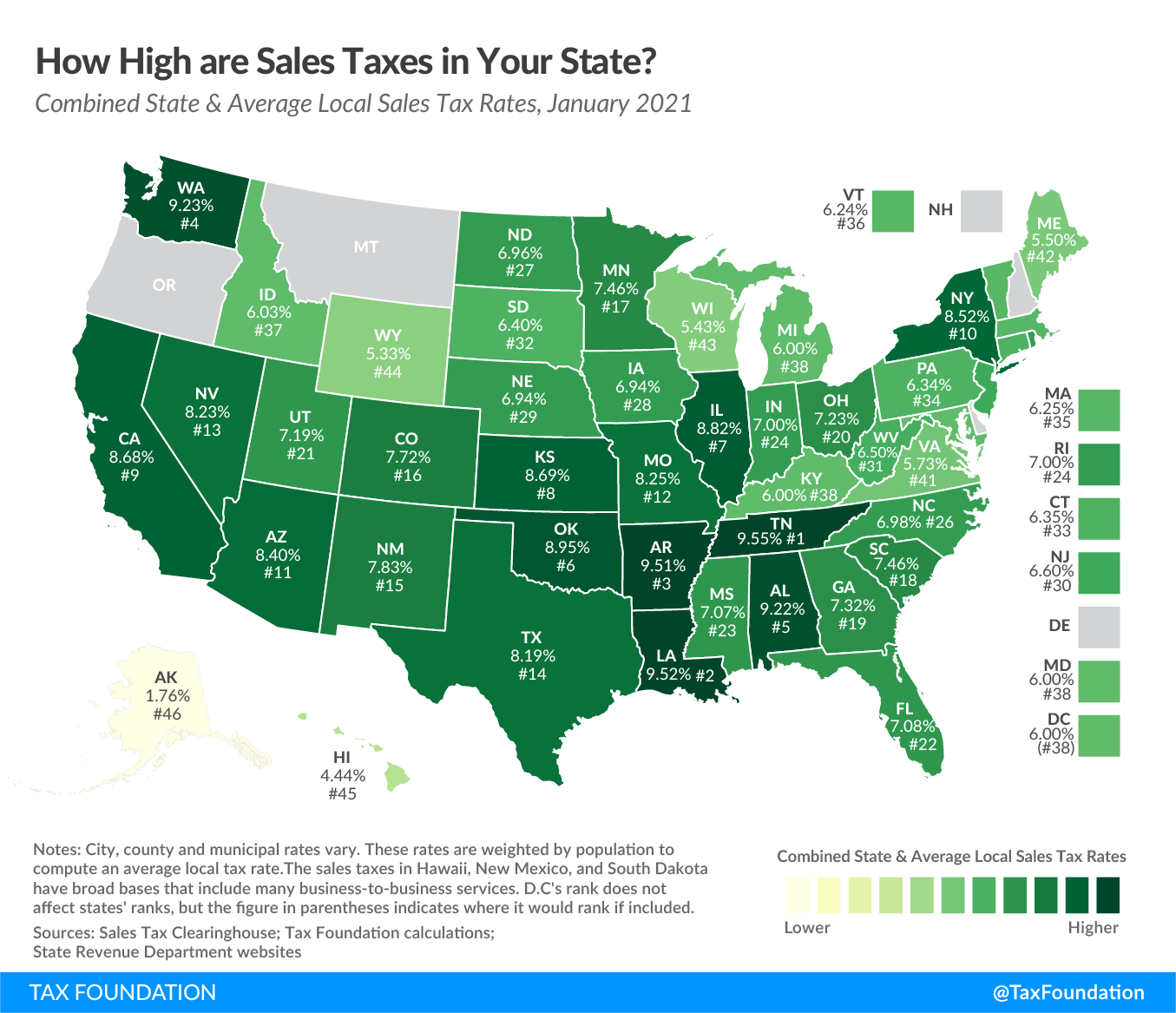
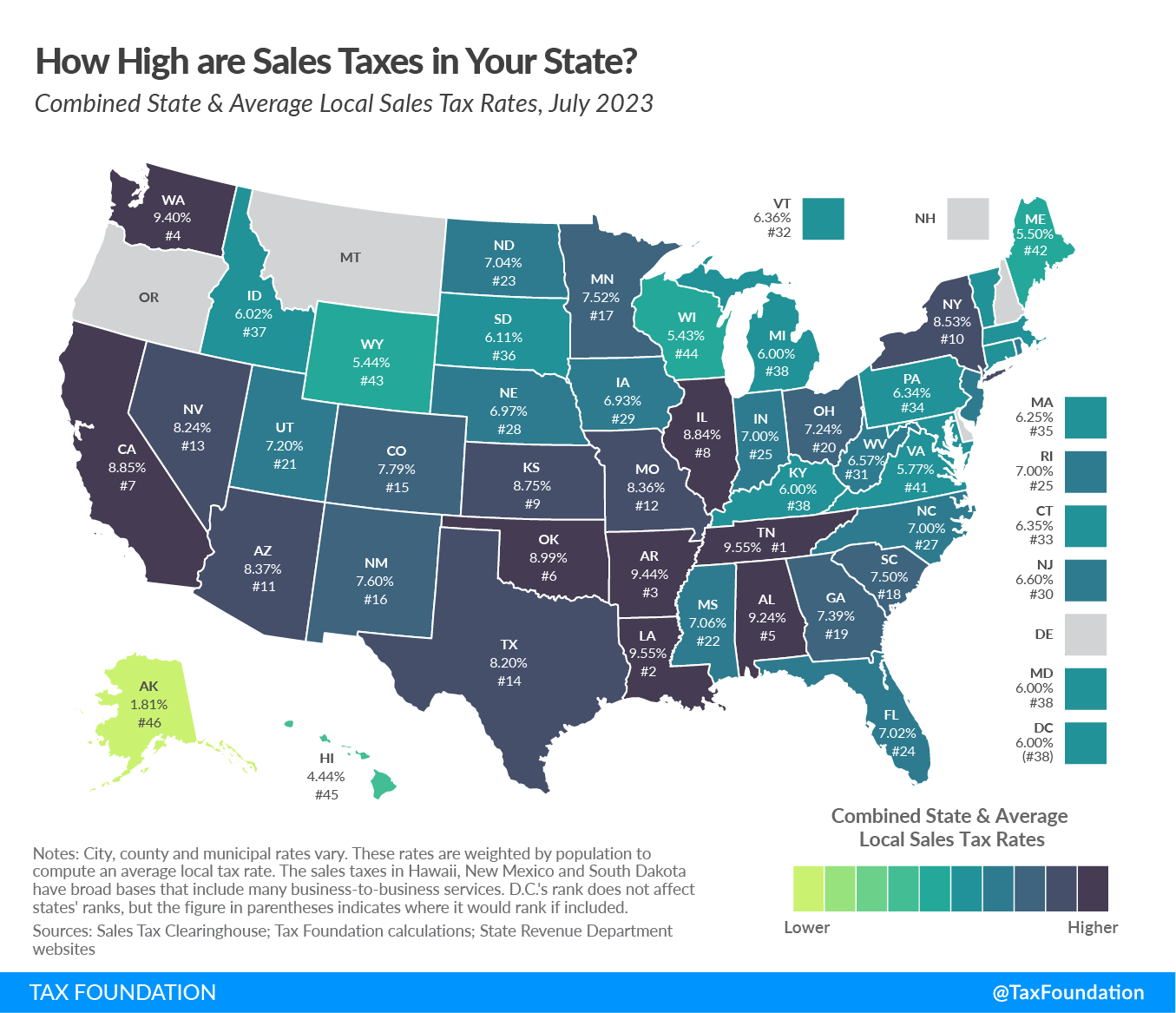
The current statewide sales tax rate in Maine is 5.5%. This rate applies to most purchases made within the state. It’s important to note that this is a general rate, and certain exceptions and specific categories of goods and services may be treated differently, either through exemptions or a different tax classification.
What is Taxable?
Generally, most tangible goods purchased at retail are subject to the 5.5% sales tax. This includes items such as clothing, souvenirs, electronics, furniture, and most personal belongings. When you make a purchase in a shop in Portland, browse an antique store in Kennebunkport, or buy a memento in a craft shop in Acadia National Park, you can expect the 5.5% sales tax to be added to the listed price.
Beyond physical goods, certain services are also subject to sales tax in Maine. These can include:
- Admissions to amusement, gaming, and recreations: This covers tickets to movie theaters, arcades, sporting events, and other entertainment venues.
- Laundry and dry cleaning services: While everyday cleaning might be taxed, specific exemptions can apply.
- Repair services for tangible personal property: If you have an item repaired, the cost of that service is often taxable.
- Telecommunication services: This includes landline and mobile phone services.
- Interior cleaning and custodial services: Services provided to maintain the cleanliness of buildings.
- Landscaping and horticultural services: Work performed on gardens and outdoor spaces.
- Building cleaning and maintenance services: Beyond basic custodial work, more extensive maintenance can be taxed.
- Home improvement services: Larger renovation or repair projects on residential properties can fall under taxable services.
- Any service provided by a licensed electrician, plumber, or heating and cooling contractor.
- Any service provided by a licensed barber, beautician, or cosmetologist.
It’s always prudent to ask at the point of sale if a particular service is taxable, especially for home-related services or personal grooming.
What is Exempt?
Maine offers several important exemptions from its sales tax, which are particularly relevant for travelers. These exemptions can significantly impact your overall spending.
- Groceries: Most basic food items intended for home consumption are exempt from sales tax. This includes items like fruits, vegetables, meat, dairy products, bread, and other staples. However, prepared foods, restaurant meals, and “gourmet” or specialty food items often are taxable. This distinction is crucial when deciding where to purchase your sustenance.
- Prescription Drugs and Medical Devices: Medications prescribed by a doctor and essential medical equipment are typically exempt.
- Clothing and Footwear (under a certain price threshold): This is a significant exemption that often surprises visitors. In Maine, clothing and footwear intended for personal use are exempt from sales tax if the price of any single item is less than $110. For example, if you purchase a shirt for $45, it is tax-free. If you buy a coat for $150, the full $150 will be subject to the 5.5% sales tax. This exemption applies to individual items, not the total purchase. This makes Maine a popular destination for clothing purchases, particularly for families stocking up on essentials.
- Newspapers and Periodicals: Regular publications are generally not subject to sales tax.
- Tangible Personal Property Used in Manufacturing: Businesses involved in manufacturing may be exempt from sales tax on certain raw materials and equipment.
- Sales to the U.S. Government and to Maine state and local governments.
- Sales of agricultural and timber harvesting products.
- Certain business services: Professional services like accounting, legal advice, and consulting are generally not subject to sales tax, as they are not considered tangible personal property.
Understanding these exemptions can lead to substantial savings, especially for longer trips or for those planning to purchase significant amounts of clothing.
Sales Tax on Services: A Deeper Dive
While tangible goods form the bulk of sales tax considerations, the taxation of services in Maine has evolved and can impact various aspects of a visitor’s experience. The state has a policy of taxing services that are analogous to the sale of tangible property.
Key Taxable Services for Tourists
For travelers, several services commonly encountered are subject to the 5.5% sales tax. These include:
- Restaurant Meals and Prepared Foods: Unlike groceries for home consumption, meals purchased at restaurants, cafes, delis, and even food from a convenience store’s hot food counter are generally taxable. This applies whether you dine in or take out.
- Lodging: While not typically classified under the standard “sales tax,” hotels, motels, and short-term rentals in Maine are subject to occupancy taxes or lodging taxes. These taxes vary by municipality and can range from 7% to 9% or more, in addition to the state’s general purpose tax. It is crucial to factor these lodging taxes into your accommodation budget. For instance, a stay at a charming inn in Bar Harbor or a hotel in Augusta will include these additional charges.
- Car Rentals: The rental of vehicles is subject to sales tax.
- Certain Entertainment: As mentioned, admissions to amusement, gaming, and recreation are taxable. This can include entry fees to theme parks, mini-golf, or even some guided tours that are considered recreational.
Services Generally Exempt
Many professional and personal services that don’t involve the transfer of tangible property are typically exempt. This includes:
- Medical services
- Educational services
- Financial services
- Legal services
- Accounting services
- Real estate brokerage services
- Transportation services (e.g., taxi or rideshare, though specific regulations can apply)
Special Considerations for Travelers
Purchases Made Online
The sales tax treatment of online purchases can be complex. Maine has adopted economic nexus laws, meaning that if an out-of-state seller meets certain sales thresholds into Maine, they are required to collect and remit sales tax. This means that many online retailers are now collecting Maine sales tax on purchases made by residents, aligning with federal court decisions that allow states to require remote sellers to collect sales tax. For travelers, this means that purchases made from online retailers shipping to their home address in Maine might be subject to sales tax, depending on the seller’s nexus.
Purchases Made Outside of Maine
If you are a resident of Maine or are purchasing items to bring back to Maine, you may be subject to “use tax” on items purchased out-of-state if sales tax was not paid at the time of purchase. The use tax rate is the same as the sales tax rate (5.5%). This prevents individuals from avoiding Maine sales tax by shopping in neighboring states or online from retailers that don’t collect the tax. While enforcement for small, individual purchases is generally low, it’s a principle to be aware of, especially for larger acquisitions.
Exemptions for Tourists and Non-Residents
Maine does not offer a general sales tax refund program for tourists or non-residents. This is a common feature in some other states or countries, but it is not a provision in Maine’s tax code. Therefore, all applicable sales taxes will apply to purchases made by visitors during their stay.
Maximizing Your Budget in Maine
Understanding Maine’s sales tax can be a powerful tool for savvy travelers. By being aware of the exemptions, particularly for clothing under $110 and groceries, you can strategically plan your shopping and dining experiences.
- Shop Smart for Clothing: Leverage the clothing exemption by purchasing individual items under $110. This makes Maine an attractive spot for apparel purchases.
- Dine Wisely: Differentiate between purchasing groceries for self-catering and dining out. Preparing some of your own meals can lead to significant savings on taxable food expenses.
- Factor in Lodging Taxes: Always add the estimated local lodging taxes to the advertised room rate when budgeting for accommodations. Check with your hotel or rental agency for precise rates.
- Inquire if Unsure: If you are ever uncertain about whether a purchase or service is taxable, don’t hesitate to ask the vendor.
By keeping these points in mind, visitors to Maine can better manage their expenses, allowing them to fully enjoy the breathtaking landscapes, vibrant culture, and delicious cuisine this beautiful New England state has to offer, from the rocky coastlines to the serene inland lakes. A well-informed traveler is a happy and well-budgeted traveler.
LifeOutOfTheBox is a participant in the Amazon Services LLC Associates Program, an affiliate advertising program designed to provide a means for sites to earn advertising fees by advertising and linking to Amazon.com. Amazon, the Amazon logo, AmazonSupply, and the AmazonSupply logo are trademarks of Amazon.com, Inc. or its affiliates. As an Amazon Associate we earn affiliate commissions from qualifying purchases.