
Understanding the sales tax rate in California is a crucial element for any traveler planning a visit to the Golden State, and by extension, a significant consideration for budgeting and managing expenses related to exploring its diverse attractions. While often perceived as a single, straightforward percentage, the reality of California’s sales tax is more nuanced, involving a combination of statewide, county, and district-specific rates. This intricate system impacts everything from the cost of a souvenir picked up in San Francisco to the price of a meal enjoyed in Los Angeles.
Decoding California’s Sales Tax Structure
California’s sales and use tax is a multifaceted levy that funds essential public services. It comprises a statewide base rate, supplemented by voter-approved district taxes at the county and city levels. This means that the total sales tax rate can vary significantly depending on the specific location within the state. For travelers, this variability can lead to differing costs for goods and services across California’s many regions.
The Statewide Foundation
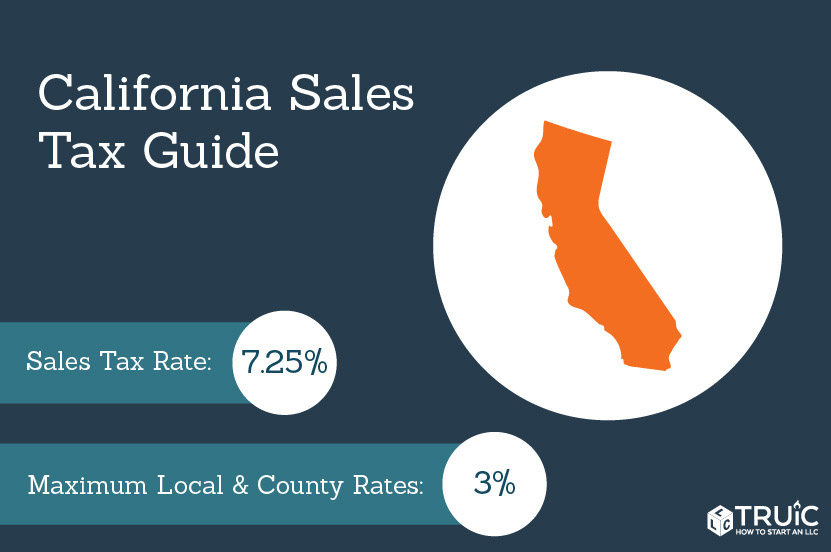
At its core, California imposes a uniform state sales and use tax rate. This base rate is set by the state government and applies across all jurisdictions. It serves as the foundational component upon which other local taxes are added. For many years, this rate remained relatively stable, providing a predictable starting point for tax calculations. However, the dynamic nature of public finance means that these rates can be subject to legislative adjustments, making it important to stay informed about any potential changes.
County and District Taxes: The Variable Component
The true complexity arises from the addition of county and district taxes. These taxes are enacted through local ballot measures and are designed to fund specific local projects and services, such as transportation improvements, public safety initiatives, or education. Consequently, a visitor to San Diego might encounter a different total sales tax rate than someone visiting the wine country of Napa Valley.
These district taxes can include:
- County-Local Sales Taxes: Many counties have voter-approved add-on taxes that are applied uniformly within that county.
- District Taxes: These are more localized and can apply to specific cities or special taxing districts within a county. Examples include transit district taxes or improvement area taxes.
The combination of these various levels of taxation means that California has some of the highest combined sales tax rates in the United States. This is a critical piece of information for travelers to consider when budgeting for their trips, as it can significantly influence the overall cost of their vacation.
Navigating Sales Tax Rates by Region
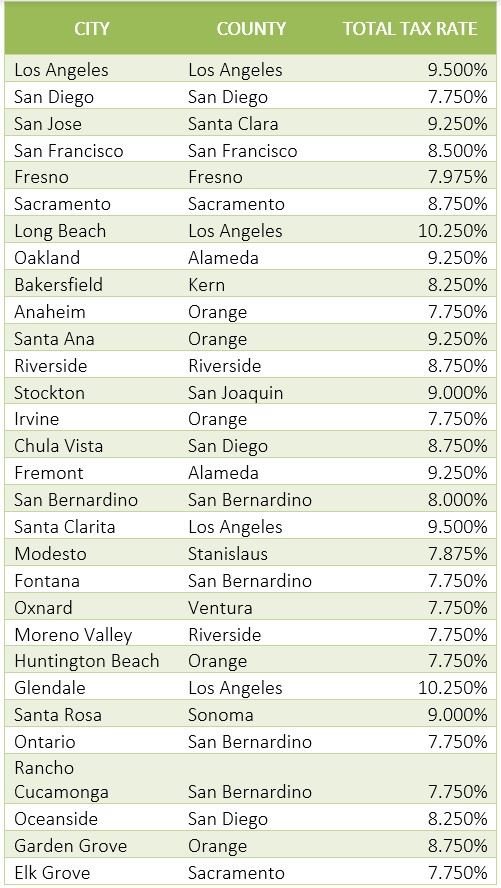
Given the localized nature of district taxes, understanding the sales tax rate for specific travel destinations within California is essential for prudent financial planning. While it’s impossible to list every single rate for every municipality, examining some major tourist hubs can illustrate the variability.
Major Metropolitan Areas and Their Tax Implications
- Los Angeles County: As one of the most populous counties, Los Angeles County has a substantial base rate combined with several district taxes. For instance, the city of Los Angeles itself has a combined rate that can be considerably higher than the statewide minimum due to local transit and other district taxes. This impacts everything from a concert ticket at the Hollywood Bowl to a day at Disneyland.
- San Francisco County: San Francisco also features a complex tax structure. Its status as a major tourist and business center means that its sales tax rate, incorporating various district levies, is often at the higher end of the spectrum within California. This affects the cost of exploring iconic landmarks like the Golden Gate Bridge or dining in renowned restaurants.
- San Diego County: Visitors to San Diego, known for its beautiful beaches and attractions like the San Diego Zoo, will also encounter a combined rate influenced by county and city-specific taxes. Understanding these rates is key to budgeting for activities and shopping.
- Orange County: Home to popular theme parks such as Disneyland Park and Knott’s Berry Farm, Orange County has its own set of district taxes that contribute to the overall sales tax burden on consumer goods and services.
It’s important to note that even within a single county, different cities or special districts might have slightly different rates, further adding to the complexity.
Rural vs. Urban Tax Differences
Generally, urban and heavily populated areas in California tend to have higher combined sales tax rates due to the presence of more district taxes supporting extensive public services and infrastructure. Rural areas, while still subject to the statewide rate and any applicable county taxes, might have fewer additional district levies, potentially resulting in a slightly lower overall rate. However, this is not a universal rule and can vary based on specific local initiatives.
Practical Implications for Travelers
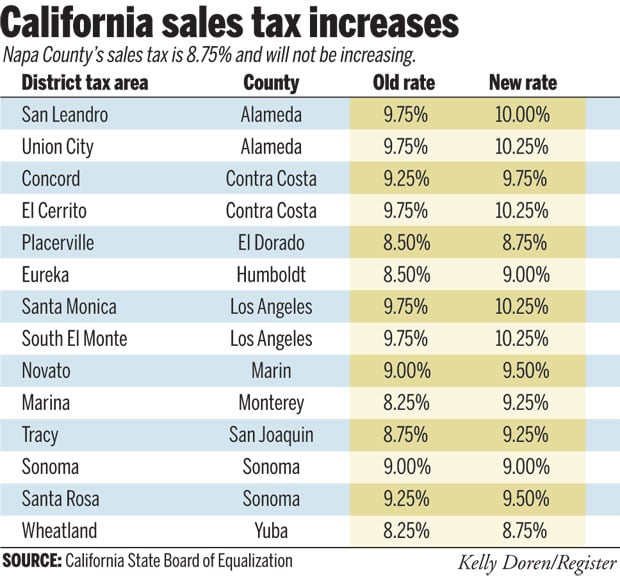
For the traveler, knowledge of California’s sales tax rates translates into tangible benefits for managing their travel budget.
Budgeting for Purchases
The most direct impact of sales tax on travel is on the cost of goods and services. When budgeting for souvenirs, meals, activities, or even accommodation (though hotel taxes are often structured differently, they are also impacted by local levies), travelers should factor in the applicable sales tax rate for their destination. A small difference in percentage can add up significantly over the course of a trip, especially for extensive shopping or dining.
Understanding Use Tax
California also has a “use tax,” which is complementary to the sales tax. Use tax is imposed on items purchased outside of California but brought into the state for use or consumption. This is particularly relevant for online purchases or items bought during a trip to another state. If the sales tax rate in the place of purchase is lower than California’s rate, the buyer is responsible for paying the difference to the state. While enforcement for small, personal purchases by individual travelers can be inconsistent, it’s a legal obligation to be aware of.
Where to Find Accurate Rates
Staying up-to-date with California’s sales tax rates can be challenging due to their dynamic nature. The California Department of Tax and Fee Administration (CDTFA) is the official state agency responsible for administering sales and use taxes. Their website provides resources, including rate look-up tools by address or city, which can be invaluable for travelers seeking precise figures for their specific destinations. Many travel planning websites and apps also offer estimated tax rates for different cities, serving as a useful quick reference.
Sales Tax Exemptions and Considerations for Tourists
While the general rule is that sales tax applies to most tangible personal property and enumerated services, there are certain exemptions and specific considerations that might be relevant to tourists.
Food and Groceries
In California, most unprepared food items for home consumption are exempt from state and local sales tax. This means that groceries purchased at a supermarket are generally tax-free. However, prepared foods, such as those purchased from a restaurant, deli, or convenience store (like a sandwich or a hot meal), are typically taxable. This distinction is important for travelers deciding between dining out and preparing their own meals.
Certain Services
Some services are not subject to sales tax in California. These often include professional services like legal advice or medical services. However, many services consumed by tourists, such as admission to theme parks, movie theaters, or guided tours, are generally taxable.
Temporary Sales and Events
For travelers attending special events, festivals, or temporary markets, it’s important to remember that sales tax still applies to purchases made from vendors at these events. Vendors are responsible for collecting and remitting the appropriate taxes to the state.
Online Purchases and International Travelers
International visitors who are not residents of California or the United States might have different tax obligations, particularly concerning items they are taking out of the country. While general sales tax applies, specific export exemptions may exist for certain goods purchased by international travelers and intended for export. This is a complex area, and seeking clarification from the CDTFA or a tax professional is advisable for substantial purchases. For online purchases made during their stay, the same use tax principles apply as for residents.
Conclusion: A Key Component of the California Travel Experience
The sales tax rate in California is not a monolithic figure but a dynamic mosaic of state, county, and district levies. For travelers, understanding this structure is more than just a fiscal detail; it’s an integral part of planning a successful and financially sound visit. By being aware of the potential variations across different destinations, from the bustling streets of Los Angeles to the scenic coastlines of Big Sur, and by utilizing resources like the CDTFA website, visitors can better budget for their experiences. This awareness empowers travelers to make informed decisions, ensuring that their exploration of the diverse attractions California has to offer is both memorable and fiscally responsible. While the rates themselves may change, the principle of diligence in understanding them remains a constant for the savvy traveler.
LifeOutOfTheBox is a participant in the Amazon Services LLC Associates Program, an affiliate advertising program designed to provide a means for sites to earn advertising fees by advertising and linking to Amazon.com. Amazon, the Amazon logo, AmazonSupply, and the AmazonSupply logo are trademarks of Amazon.com, Inc. or its affiliates. As an Amazon Associate we earn affiliate commissions from qualifying purchases.