
Embarking on a journey to the Golden State promises an unforgettable tapestry of experiences, from sun-drenched beaches and iconic landmarks to vibrant cities and world-class dining. Whether you’re planning a luxurious escape to Beverly Hills, a family adventure to Disneyland, or a tranquil retreat to Napa Valley, understanding the local financial landscape is crucial for a smooth and enjoyable trip. One of the most common questions travelers and prospective residents alike ponder is: “What is the sales tax rate in California?” This seemingly simple query unlocks a deeper understanding of budgeting for your travels, daily expenses, and major purchases in one of the United States’ most popular destinations.
California’s sales tax system is a dynamic blend of statewide regulations and local district levies, creating a varied landscape that can subtly yet significantly impact your travel budget. For those accustomed to fixed sales tax rates, the Golden State’s approach might require a little extra planning. This comprehensive guide will demystify California’s sales tax, offering insights into its structure, how it affects common tourist expenditures, and practical tips for navigating it efficiently, ensuring your focus remains on soaking in the unparalleled beauty and culture California has to offer. From booking your ideal accommodation to savoring exquisite local cuisine and picking up unique souvenirs, an informed approach to sales tax will empower you to make the most of your California adventure.
Understanding California’s Sales Tax for Travelers and Tourists
For any visitor, whether on a spontaneous weekend getaway or an extended lifestyle exploration, deciphering California’s sales tax is an essential first step in effective budgeting. Unlike some states that have no sales tax, California does impose a tax on the sale of most tangible personal property, meaning most of the physical goods you purchase during your stay will be subject to this levy. This section will break down the foundational statewide rate and explain how local variations contribute to the final price tag you see at the register.
The Statewide Sales Tax: A Foundation for Your Travel Budget
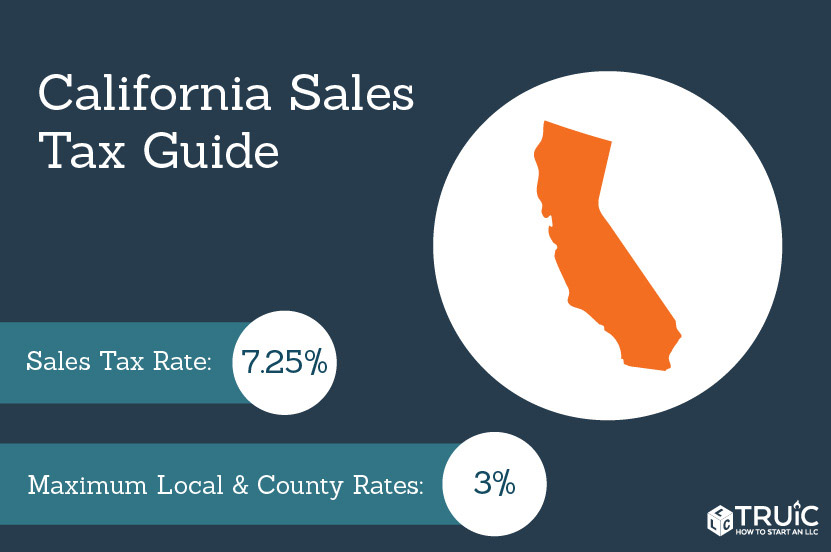
At the heart of California’s sales tax structure is the statewide base rate. As of the most recent legislative updates, the statewide sales tax rate in California is 7.25%. This is the minimum sales tax you will encounter anywhere within the state. This 7.25% is composed of several components, including a statewide sales tax, local uniform sales tax, and various district taxes that fund specific state and local programs. This base rate applies uniformly across all 58 counties, providing a consistent starting point for understanding your potential expenditures.
For travelers, this 7.25% forms the bedrock of budgeting for purchases such as clothing, electronics, souvenirs, and most items bought in retail stores. While seemingly a small percentage, it can add up quickly, especially for those planning significant shopping sprees or buying higher-value items. When browsing boutiques along Rodeo Drive in Beverly Hills or grabbing essential gear for a hike in Yosemite National Park, remember that the listed price doesn’t typically include this tax, which will be added at checkout. Understanding this base rate allows you to mentally adjust prices as you shop, ensuring you don’t overspend your designated budget.
Navigating Local Sales Tax Rates: City-Specific Nuances
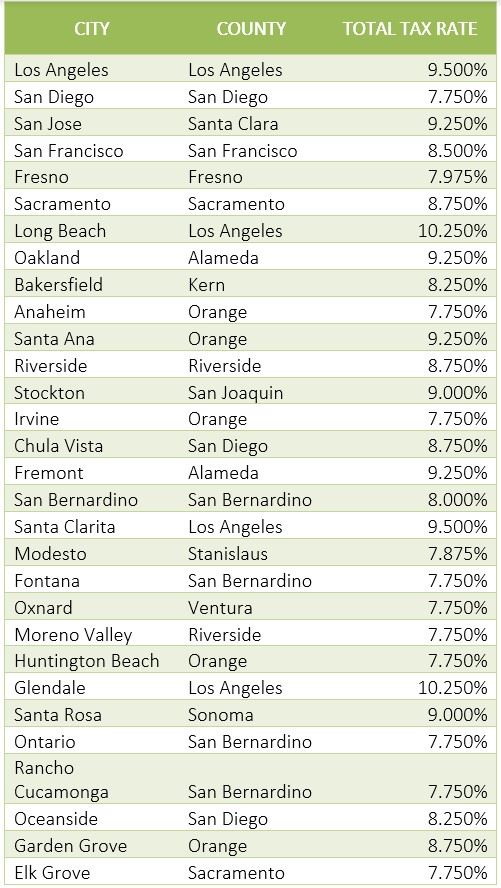
While the 7.25% statewide rate provides a baseline, it is crucial for travelers to understand that the actual sales tax rate you pay in most parts of California will be higher due to additional local district taxes. These district taxes are imposed by cities, counties, or special districts to fund specific local services, infrastructure projects, or transportation initiatives. These rates vary significantly from one locale to another, meaning the sales tax in San Francisco will likely be different from that in San Diego or a small town in the Central Valley.
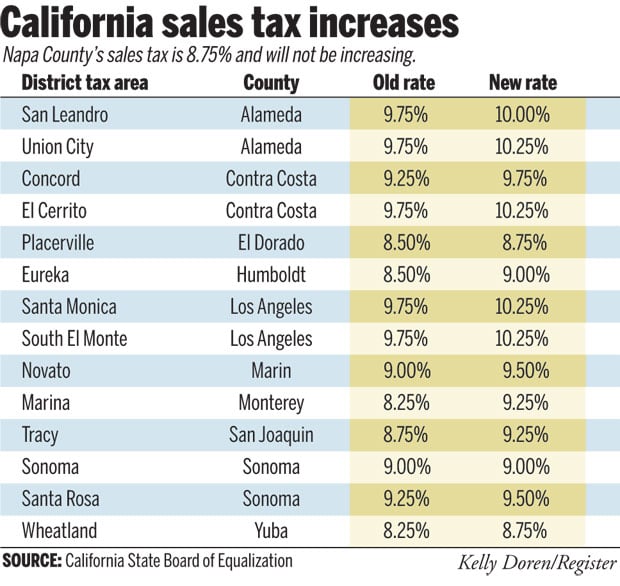
Combined, the statewide rate and these local district taxes can push the total sales tax rate to as high as 10.75% in certain areas. For instance, popular tourist destinations like Los Angeles County often have rates above 9%, with specific cities within the county, such as Santa Monica, potentially adding even more. Similarly, parts of the Bay Area, including Alameda County and San Francisco itself, frequently feature higher combined rates.
This variability means that savvy travelers might consider where they make significant purchases. For example, if you’re traveling through multiple regions, you might find a slightly lower sales tax rate in a less urbanized area compared to a major metropolitan hub for certain items. While the difference might seem minor on a single purchase, it can accumulate over a trip, especially for family trips involving numerous souvenirs or for travelers engaging in extensive retail therapy. Always check the local sales tax rate for your specific destination to avoid surprises, especially if you’re on a budget travel plan. Resources from the California Department of Tax and Fee Administration (CDTFA) offer up-to-date rates by city and county, which can be invaluable for detailed planning.
How Sales Tax Impacts Your Travel Expenses: Accommodation, Dining, and Shopping
Understanding the actual sales tax rate is one thing; comprehending its practical impact on your travel expenses is another. The sales tax primarily applies to tangible goods, but its nuances extend into various aspects of a traveler’s budget.
- Shopping and Souvenirs: This is where sales tax is most directly felt. Any physical item you buy – from that iconic Hollywood t-shirt, artisanal goods from Fisherman’s Wharf, or high-end fashion – will have sales tax added to its price. Budget for this additional percentage on top of the sticker price.
- Dining Out: While the preparation and serving of food itself are considered services and generally not subject to sales tax, the sale of prepared food in restaurants, cafes, and delis is typically taxable. This means your exquisite meal in San Francisco or your casual beachside taco in San Diego will have sales tax applied. Unprepared groceries purchased from a supermarket for cooking in your villa or apartment are generally exempt, offering a potential saving for longer stays or budget travel where self-catering is an option.
- Accommodation: This is a critical distinction. Sales tax generally does not apply to hotel stays, resorts, suites, or other accommodation bookings. Instead, accommodations are subject to a separate levy known as the Transient Occupancy Tax (TOT), often referred to as a “hotel tax” or “bed tax.” The TOT rate is determined by individual cities and counties and can range significantly, often between 8% and 15% or even higher in popular tourist destinations. This tax is explicitly designed to be paid by guests staying in hotels, motels, bed and breakfasts, and often short-term rentals like those found on Airbnb. It’s essential not to confuse sales tax with TOT, as both contribute to the final cost of your stay but apply to different categories of expenses. When comparing hotels or planning your accommodation budget, always factor in the TOT, as it can add a substantial amount to your bill, especially for longer stays at luxury resorts or upscale hotels.
- Attractions and Experiences: Tickets for entry to theme parks like Universal Studios, museums, concerts, or guided tours are generally considered services and are usually not subject to sales tax. However, if you purchase tangible items like souvenirs, food, or beverages within these venues, sales tax will apply to those specific purchases.
Understanding these distinctions allows for more precise budgeting. A luxury travel enthusiast might find the higher sales tax on designer goods less impactful than a budget traveler might on a grocery bill. Knowing what to expect prevents sticker shock and allows you to enjoy your California travel experience without financial worries.
Beyond the Basics: What’s Taxable and What’s Not in the Golden State
The complexity of California’s sales tax extends beyond just varying rates; it also encompasses a detailed set of rules defining what types of goods and services are subject to the tax and which are exempt. For travelers, especially those planning a longer stay or specific activities, grasping these distinctions can lead to smarter spending and better budget management. This section delves into common purchases, notable exemptions, and the crucial difference between taxing tangible goods versus services.
Common Purchases Affected by Sales Tax
As previously mentioned, the general rule in California is that sales tax applies to the retail sale of most tangible personal property. This broad category covers a vast array of items that tourists commonly purchase:
- Clothing and Accessories: From a swimsuit for Laguna Beach to a stylish jacket from a San Francisco boutique, all apparel items are subject to sales tax.
- Electronics: New gadgets, cameras, or accessories purchased for capturing memories of Lake Tahoe or Big Sur will incur sales tax.
- Souvenirs and Gifts: Trinkets, artwork, postcards, and other mementos of your California journey are taxable.
- Pre-packaged Food and Beverages: While unprepared groceries are largely exempt, many packaged snacks, bottled drinks, and ready-to-eat meals from convenience stores or delis are subject to sales tax.
- Books and Magazines: If you pick up a novel for your flight home or a local guide to Palm Springs, expect to pay sales tax.
- Gasoline: Interestingly, the price you see at the pump for gasoline in California already includes federal and state excise taxes, but not sales tax on the fuel itself. However, sales tax will apply to any convenience store items purchased at the gas station. This makes calculating the total cost of a Pacific Coast Highway road trip a slightly different exercise.
- Rental Cars: While the rental fee for a car itself is generally not subject to sales tax (as it’s a service), many car rental transactions include various fees and surcharges, some of which might be taxable or are simply separate taxes (like tourism fees or vehicle license fees) imposed by local jurisdictions. Always scrutinize the breakdown of your rental car bill.
Essentially, if you can touch it and take it with you, it’s very likely subject to California sales tax. This comprehensive coverage means a significant portion of a traveler’s discretionary spending will be impacted.
Notable Exemptions and How They Might Benefit You
While the list of taxable items is extensive, California does provide some key exemptions that can be beneficial for travelers, particularly those mindful of their budget travel or long-term stay considerations.
- Unprepared Food Products: Perhaps the most significant exemption for travelers is on most unprepared food items purchased at grocery stores. This includes fresh fruits, vegetables, meat, dairy products, bread, and other staples intended for home consumption. If you’re staying in an apartment or villa with kitchen facilities, buying groceries and cooking some of your meals can significantly reduce your overall spending by avoiding sales tax on food and potentially the higher markups of restaurant dining.
- Prescription Medicine: Prescription drugs and certain over-the-counter medicines (when dispensed by a pharmacist) are exempt from sales tax. This is an important consideration for any traveler needing to refill prescriptions or purchase essential health items.
- Newspapers and Periodicals: Subscriptions to newspapers and magazines are generally exempt.
- Certain Agricultural Products: Sales of specific agricultural products are also exempt, though this typically applies to bulk purchases or wholesale transactions less relevant to the average tourist.
Understanding these exemptions allows travelers to make informed choices. Opting to purchase groceries for a picnic at a National Park like Joshua Tree or Death Valley rather than dining out for every meal not only offers a different experience but also provides a small financial advantage by avoiding sales tax on the food items.
Services vs. Tangible Goods: A Key Distinction
A fundamental principle in California’s sales tax law is the distinction between tangible personal property (goods) and services. Generally, pure services are not subject to sales tax. This distinction is crucial for travelers booking various experiences and activities:
- Service-based activities: Admission fees to landmarks like Alcatraz Island or Hearst Castle, guided tours, spa treatments, salon services, car repairs (though parts used in repair are taxable), and most entertainment event tickets are typically exempt from sales tax.
- Professional Services: Fees for legal, medical, or consulting services are not taxable.
- Labor for Installation/Repair: The labor component of a service, such as installation of an appliance or repair of an item, is usually not taxed, though the parts used in the repair are.
However, the line can blur. If a service involves the transfer of tangible personal property, sales tax may apply to that property. For example, while a haircut is a service, any hair products you purchase at the salon would be taxable. Similarly, while a massage is a service, any oils or lotions you buy from the spa for home use would be subject to sales tax. This distinction highlights the importance of asking for an itemized bill if you are unsure about the taxability of certain components of a service-related purchase, particularly in hybrid scenarios. By keeping this goods-versus-services rule in mind, travelers can better anticipate the final cost of their activities and experiences across the diverse offerings of California.
Strategic Planning: Minimizing Sales Tax Impact on Your California Journey
A fantastic California adventure isn’t just about picking the right destinations and attractions; it’s also about smart financial planning. With California’s variable sales tax rates and the additional Transient Occupancy Tax on accommodation, a little strategic thinking can go a long way in stretching your travel budget further, whether you’re planning a luxury travel experience or a more frugal budget travel itinerary.
Smart Shopping Tips for Tourists
For travelers, especially those planning to indulge in retail therapy or buy significant souvenirs, adopting a few smart shopping habits can help mitigate the impact of sales tax:
- Consolidate Purchases: If you know you’ll be traveling through areas with different sales tax rates, consider making larger, non-essential purchases in cities or counties known to have lower combined rates. While the difference might seem small, on high-value items, it can be noticeable.
- Focus on Exempt Items for Food: As highlighted, buying unprepared groceries for self-catering can save you sales tax on food items, plus the markups of restaurant dining. For longer stays in apartments or villas, this is a significant saving. Even for shorter trips, packing a cooler with drinks and snacks bought from a grocery store rather than constantly buying from convenience stores can add up.
- Look for All-Inclusive Packages: Some travel experiences or tour packages might advertise “all-inclusive” pricing, which could potentially bundle various costs. While these often focus on services and may not directly reduce sales tax on goods purchased separately, they can simplify budgeting by presenting one upfront cost for a larger experience. Always clarify what is and isn’t included.
- Prioritize Experiences Over Goods: Since most services and admission fees are exempt from sales tax, prioritizing unique experiences – such as a hot air balloon ride over Napa Valley, a surf lesson in Santa Barbara, or tickets to a show in San Francisco – can offer tremendous value without the added sales tax burden on the initial purchase. Of course, any merchandise purchased at these venues would still be subject to sales tax.
Budgeting for Sales Tax in Major Tourist Destinations
The variation in sales tax rates across California’s diverse regions necessitates specific budgeting awareness, especially in popular tourist hubs where district taxes are often higher.
- Los Angeles: As a vast metropolitan area encompassing many cities and unincorporated regions, Los Angeles County frequently has combined sales tax rates in the 9-10% range. This significantly impacts shopping on Melrose Avenue, dining in Hollywood, and purchases at theme parks or large retail centers. Factor in this higher rate for all tangible purchases.
- San Francisco: Another high-tax jurisdiction, San Francisco often sees combined rates around 8.5-9%. For those exploring Union Square for shopping or dining in the city’s renowned culinary scene, these rates will apply to meals and retail goods.
- San Diego: While often slightly lower than Los Angeles or San Francisco, San Diego County still has combined rates above the statewide minimum, typically in the 8-9% range. This affects souvenir purchases at the Gaslamp Quarter or items bought near its famous beaches.
- Sacramento: The state capital also often has a rate around 8.5-9%.
- Orange County: Home to Disneyland and popular beach cities, Orange County generally features rates in the 7.75-8.75% range.
Before you travel, a quick search for the sales tax rate in your primary destinations can help you set realistic spending expectations. Many online tools or the California Department of Tax and Fee Administration website allow you to look up current rates by city and county.
The Combined Tax Picture: Sales Tax, Hotel Tax, and Other Levies
When planning your overall budget for California, it’s crucial to consider the full spectrum of taxes that might apply, not just sales tax. The most significant additional tax for travelers is the Transient Occupancy Tax (TOT), or hotel tax.
- TOT Rates: These vary widely by municipality. For example, San Francisco has a TOT often exceeding 14%, while Los Angeles can be around 10-12%. Smaller cities might have lower rates, but popular tourist hubs almost always have higher ones to fund local tourism initiatives and services. This is applied as a percentage of your hotel or accommodation rate.
- Other Fees: Beyond sales tax and TOT, travelers might encounter other fees. These can include resort fees at some luxury hotels or resorts, parking fees, or specific tourism assessments, especially in popular areas. When booking your accommodation, always review the total breakdown of costs to understand all applicable taxes and fees. Websites typically display the base rate, but the final price can be significantly higher after all taxes and fees are added.
By understanding the interplay of sales tax on goods, TOT on accommodation, and other potential fees, travelers can create a comprehensive and accurate budget for their California travel. This holistic approach to budgeting ensures that whether you’re embarking on a business stay, a family trip, or a romantic getaway, you’re fully prepared for the financial realities of exploring the Golden State. This detailed planning allows you to focus on creating cherished memories, confident in your financial preparedness for every aspect of your Californian adventure.
A Deeper Dive: Where Does Your Sales Tax Go?
While understanding the practical impact of sales tax on your wallet is paramount, it’s also insightful to consider where these funds ultimately go. For travelers and those interested in tourism and local culture, knowing how sales tax contributes to the fabric of California can deepen appreciation for the infrastructure and services that enhance their visit.
The revenue generated from California’s sales tax is a critical funding source for both state and local governments. The statewide portion of the sales tax is allocated to the state’s General Fund, which supports a wide array of public services. These include education, healthcare, public safety, and various social programs that benefit all residents and indirectly, visitors. A portion also goes towards transportation projects, which directly improve the roads, highways (like the iconic Pacific Coast Highway), and public transit systems that travelers frequently utilize.
The additional local district taxes, which push the combined rate higher in specific cities and counties, are earmarked for localized initiatives. These can be particularly relevant to the tourism sector. For example, district taxes might fund:
- Local Infrastructure: Improvements to streets, parks, and public facilities in cities like San Diego or Sacramento that directly enhance the visitor experience.
- Public Services: Increased funding for local police and fire departments ensures safety and security for both residents and tourists alike.
- Specific Projects: In some areas, district taxes might fund particular transportation projects (e.g., light rail expansions in Los Angeles or the Bay Area) or environmental initiatives that preserve California’s stunning natural beauty, from its redwood forests to its desert landscapes.
Similarly, the Transient Occupancy Tax (TOT) collected on hotel stays is almost exclusively retained by the local municipality where the accommodation is located. These funds are often directly channeled into local services and programs, with a significant portion frequently dedicated to supporting local tourism bureaus, marketing efforts for destinations (like Anaheim for Disneyland), convention centers, and the maintenance of local attractions and landmarks.
In essence, while sales tax and TOT add to your travel costs, they also contribute to maintaining the very infrastructure, services, and attractions that draw millions of visitors to California each year. Your tax dollars help ensure that the roads are well-maintained, public spaces are clean, and the vibrant culture and experiences that define the Golden State continue to thrive for future generations of travelers.
Conclusion: Making the Most of Your California Adventure
Navigating the intricacies of California’s sales tax rate is a key component of savvy travel planning for any visitor to the Golden State. From the baseline statewide rate of 7.25% to the varied local district taxes that can push the total to over 10% in some of California’s most popular urban centers, understanding these figures empowers you to budget more accurately and avoid unexpected costs.
We’ve explored how sales tax primarily applies to tangible goods – from souvenirs and clothing to prepared meals at restaurants – while generally exempting pure services like attraction admissions and many experiences. Crucially, we’ve distinguished sales tax from the Transient Occupancy Tax (TOT), which is the separate, often significant, levy applied to your hotel, resort, or other accommodation bookings. These two distinct taxes combine to form a larger financial picture for any traveler exploring California’s diverse destinations.
By adopting smart shopping strategies, such as prioritizing tax-exempt groceries for some meals or consolidating larger purchases in areas with slightly lower rates, you can subtly yet effectively manage your expenditures. Moreover, recognizing that the taxes you pay contribute directly to the maintenance of California’s infrastructure, public services, and thriving tourism promotion offers a broader perspective on their value.
Whether your lifestyle leans towards luxury travel through Beverly Hills, an adventurous family trip to Disneyland, or a serene budget travel escape to Lake Tahoe, a mindful approach to California’s sales tax system ensures a smoother and more predictable financial journey. Armed with this knowledge, you can now focus less on the numbers and more on immersing yourself in the unparalleled beauty, vibrant culture, and unforgettable experiences that await you in California. Enjoy every moment of your well-planned and financially savvy adventure!