
Embarking on a journey to the stunning landscapes and vibrant cities of Colorado promises an unforgettable travel experience, whether you’re drawn to the majestic peaks of the Rocky Mountains, the bustling streets of Denver, or the charming ski resorts of Aspen and Vail. As you plan your adventure, understanding the nuances of local finances, particularly sales tax, is a crucial step towards a seamless and budget-friendly trip. From booking your accommodation to savoring local cuisine and exploring iconic landmarks, sales tax can add a noticeable amount to your overall expenses. This comprehensive guide will demystify Colorado’s sales tax rates, helping both visitors and potential residents navigate their financial journey through the Centennial State.

Understanding Colorado’s Layered Sales Tax System
Colorado’s sales tax system is not a single, fixed rate across the entire state. Instead, it’s a multi-layered structure comprising a statewide base rate, supplemented by various local taxes that differ significantly from one municipality to another. This means that the total sales tax you pay can vary depending on where you are within Colorado, impacting everything from your hotel stay to the souvenirs you purchase.
The Statewide Base Rate: A Starting Point
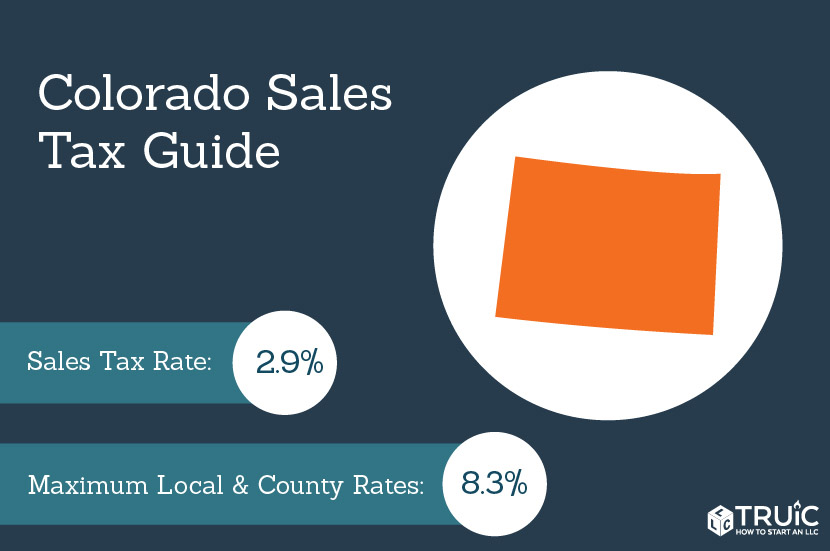
At the heart of Colorado’s sales tax framework is the statewide sales tax rate. As of recent updates, the state sales tax rate in Colorado is a modest 2.9%. This rate applies uniformly across the state to the sale of most tangible goods and certain services. It’s important to recognize that this 2.9% is merely the foundation. While it might seem relatively low compared to other states, it’s just the starting point before local jurisdictions add their own percentages, which can significantly increase the final rate. For anyone planning a trip or considering a long-term stay, knowing this base rate is essential, but it’s only one piece of the puzzle. The true cost of many items and services will only become clear once the local components are factored in.
Local Taxes: Where the Rates Truly Vary
The real complexity and variation in Colorado’s sales tax system come from the local level. Counties, cities, and various special districts each have the authority to levy their own sales taxes, which are stacked on top of the state’s 2.9%. This means that while a purchase made in one city might have a combined sales tax rate of, for example, 4.5%, the exact same purchase just a few miles away in a different jurisdiction could carry a rate of 8% or even higher. For instance, a transaction in downtown Denver will include the state tax, Denver city tax, and potentially a Denver Regional Transportation District (RTD) tax. Compare this to a rural county or a small town like Telluride or Breckenridge, which might have different city and county rates, plus their own local special district taxes often earmarked for specific community projects like tourism promotion or infrastructure. These local variations are crucial for budgeting, particularly if your travel itinerary includes multiple stops across different regions of Colorado.
Sales Tax Impact on Your Colorado Travel & Lifestyle
Understanding how sales tax affects various aspects of your visit to Colorado is key to smart lifestyle and budget travel planning. From the roof over your head to the meals you enjoy and the activities you engage in, sales tax is an omnipresent factor.
Accommodation and Lodging Taxes: Beyond the Room Rate
When booking your stay in Colorado, whether it’s a luxurious suite at The Broadmoor in Colorado Springs, a cozy apartment in Boulder, or a charming villa overlooking the slopes of Beaver Creek Resort, you’ll encounter more than just the advertised room rate. In addition to the standard state and local sales taxes on tangible goods, most Colorado municipalities impose specific lodging taxes. These are often higher than the general sales tax and are designed to fund local tourism initiatives, destination marketing, and infrastructure improvements that benefit visitors.
For example, a stay at a resort in Vail might incur a combined sales tax and lodging tax significantly higher than a general sales tax on a retail purchase. These taxes can vary wildly by location. Denver, Colorado Springs, and popular ski towns like Aspen, Breckenridge, and Telluride often have some of the highest combined rates due to their popularity as tourist hubs. Always check the total price, including all taxes and fees, when comparing hotel options or reviewing your booking confirmation. Websites for hotel reviews and accommodation comparisons are excellent resources for factoring these costs into your overall travel budget, especially if you’re looking for long-term stays where these daily taxes can accumulate substantially.
Dining, Shopping, and Entertainment: The Everyday Expenses
Beyond your accommodation, sales tax will be a part of nearly every other transaction during your Colorado adventure. When you dine out, whether it’s a gourmet meal in Cherry Creek, a casual brewpub experience in Fort Collins, or a quick bite from a food truck, the sales tax will be added to your bill for prepared food and beverages. This is particularly relevant for those planning to explore Colorado’s renowned food scene and local culture.
Similarly, retail therapy, from purchasing outdoor gear for your mountain excursions to buying souvenirs and gifts, will be subject to sales tax. Visiting unique shops at Larimer Square in Denver or boutique stores along the Pearl Street Mall in Boulder means adding the local sales tax percentage to your purchases. Even certain entertainment expenses, like tickets to concerts at the iconic Red Rocks Amphitheatre or events at the Denver Performing Arts Complex, might have a sales tax component, depending on the nature of the transaction and the specific venue. Budget-conscious travelers should keep these recurring taxes in mind to avoid unexpected costs throughout their trip.
Activities, Attractions, and Adventures: Taxing Your Fun
Colorado is a playground for outdoor enthusiasts and culture seekers alike, offering an incredible array of attractions and experiences. From exploring museums like the Denver Art Museum to riding rollercoasters at Elitch Gardens, or embarking on guided tours through natural wonders like the Garden of the Gods, sales tax can apply to ticket purchases, equipment rentals, and guided services.
For instance, if you rent skis or snowboards in Winter Park or Keystone Resort, the rental fee will be subject to state and local sales tax. While entry fees to federal national parks like Rocky Mountain National Park or Mesa Verde National Park are typically federal charges and not subject to state sales tax, any purchases made within park gift shops or privately operated concessions inside the parks would be. Similarly, passes for ski areas like Arapahoe Basin Ski Area or Ski Cooper, while generally not directly taxed as sales of tangible goods, any related services or retail purchases (like lessons or gear) would be. Always clarify if the advertised price for an activity or experience includes all applicable taxes, as this can make a difference in your overall budget for luxury travel or more budget-friendly trips.
Key Exemptions and Special Considerations
While sales tax is a broad component of nearly all purchases in Colorado, there are important exemptions and special considerations that can impact your financial planning, whether you’re a short-term visitor or considering a permanent move.
What’s Not Taxed: Groceries and Services
One significant exemption in Colorado is most unprepared food for home consumption. This means that when you purchase groceries from a supermarket to cook your own meals, you generally won’t pay state sales tax on these items. However, be aware that prepared foods, hot foods, and items purchased for immediate consumption (like deli sandwiches or rotisserie chicken) are typically taxable. Local jurisdictions might also have their own specific rules, so it’s always wise to check if you’re unsure.
Another area of common exemption pertains to services. Generally, pure services that do not result in a tangible product are not subject to Colorado sales tax. This can include professional services like legal or accounting advice, haircuts, or car repairs. However, if a service involves the sale of a tangible product (e.g., auto repair that includes parts, or a beauty treatment that includes products you take home), then the tangible goods component might be taxed. This distinction is important for understanding where your money goes, especially if you plan an extended stay or require specific services during your visit.
Understanding Special Districts and Fees
Beyond the standard county and city sales taxes, Colorado has numerous “special districts” that levy additional sales taxes to fund specific projects or services. These can include cultural districts, transportation districts, or metropolitan districts, each with a mandate to generate revenue for particular community needs. For example, the Denver Regional Transportation District (RTD) imposes its own sales tax to support public transit services in the greater Denver metropolitan area.
These special district taxes are typically a small percentage, but they add to the combined sales tax rate, sometimes making it significantly higher than just the state and city rates alone. They are often transparently listed on receipts, allowing you to see the breakdown of the taxes you’re paying. For travelers and new residents, being aware of these additional layers helps in fully understanding the cost of living and visiting in different parts of the state, from Grand Junction to Pueblo and beyond.
Navigating Colorado’s Sales Tax for a Seamless Experience
Successfully navigating Colorado’s sales tax system is an integral part of planning any visit or move to the state. With a little foresight and research, you can ensure your financial planning is as solid as the Rocky Mountains themselves.
Researching Local Rates: Your Pre-Trip Homework
The most effective way to manage sales tax costs is to do your homework before you arrive. Since rates vary so widely by location, it’s highly recommended to research the specific combined sales tax rates for the cities and counties you plan to visit. Official government websites for the Colorado Department of Revenue and individual city and county government sites often provide detailed breakdowns of their current sales tax rates, including special district taxes. This pre-trip preparation is especially useful if your travel guide takes you through multiple jurisdictions, from the bustling urban lifestyle of Denver to the serene natural beauty surrounding Great Sand Dunes National Park. Knowing the rates beforehand allows you to compare costs for accommodations, anticipate dining expenses, and estimate the final price of any major purchases or attractions you plan to enjoy.
Budgeting for the Unexpected: Factor in the Tax
When setting your daily or overall trip budget, it’s crucial not to overlook the impact of sales tax. Many travelers focus solely on the base price of goods, services, and accommodations, only to be surprised by the additional percentage added at checkout. Always budget a little extra for sales tax on items like hotel suites, restaurant meals, souvenirs from places like the 16th Street Mall or Union Station, and tickets to various Colorado attractions like the Denver Zoo or Denver Botanic Gardens. A common budgeting tip for sales tax is to mentally add 5-10% to the advertised price of taxable items, depending on the average combined rate of your planned destinations. This simple practice can prevent your travel funds from running short and ensures a more relaxed and enjoyable experience as you explore all the incredible Colorado destinations have to offer.
Conclusion
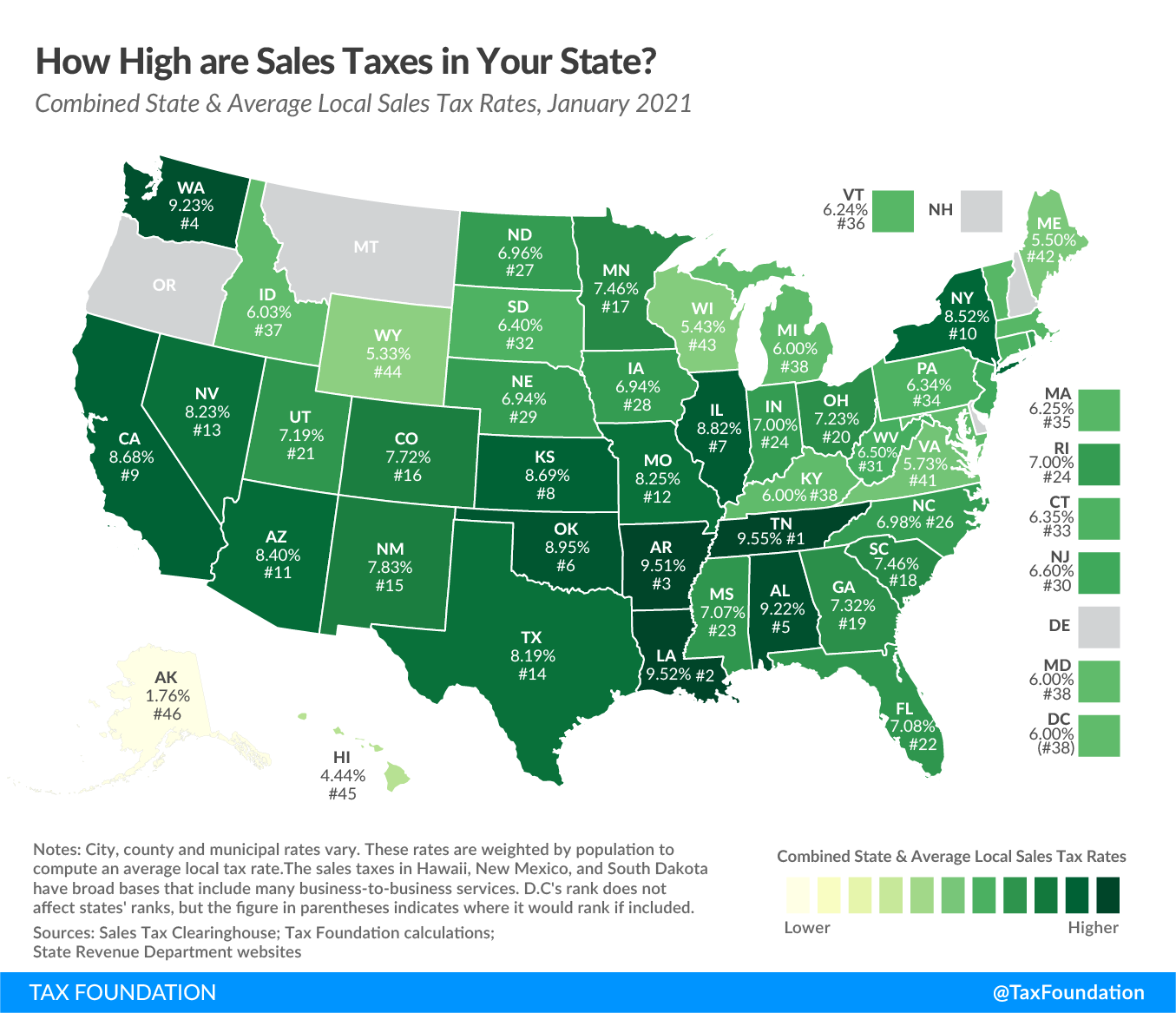
The sales tax rate in Colorado is more than just a single number; it’s a dynamic, layered system that reflects the diverse financial landscapes of its numerous cities, counties, and special districts. While the statewide rate of 2.9% provides a baseline, the true cost of goods, accommodation, and services is significantly influenced by local taxes. For anyone planning to visit or relocate to the Centennial State, understanding these varying rates is paramount for effective budgeting and financial preparedness. By researching the specific rates for your chosen destinations, accounting for lodging taxes, and factoring sales tax into your everyday expenses, you can ensure a smoother, more predictable, and ultimately more enjoyable Colorado travel or lifestyle experience. Armed with this knowledge, you are well-prepared to embrace the beauty, adventure, and culture that make Colorado truly unique.
LifeOutOfTheBox is a participant in the Amazon Services LLC Associates Program, an affiliate advertising program designed to provide a means for sites to earn advertising fees by advertising and linking to Amazon.com. Amazon, the Amazon logo, AmazonSupply, and the AmazonSupply logo are trademarks of Amazon.com, Inc. or its affiliates. As an Amazon Associate we earn affiliate commissions from qualifying purchases.