
Planning a trip to the vibrant, dynamic, and endlessly fascinating New York State is an exciting endeavor. Whether you dream of strolling through the iconic streets of New York City, exploring the natural wonders of Upstate New York, or indulging in world-class dining and shopping, understanding the financial landscape is crucial for a smooth and enjoyable experience. Beyond airfare, accommodation, and activity costs, one significant factor that can impact your travel budget is sales tax. Unlike some countries where sales tax is included in the sticker price, in the United States, it’s typically added at the point of purchase, often surprising unaware travelers.
This comprehensive guide will demystify the sales tax rates across New York, helping you budget effectively for everything from a souvenir trinket to a luxurious hotel stay. We’ll explore the statewide rates, delve into local variations, highlight specific exemptions relevant to tourists, and provide practical tips to navigate these costs seamlessly. By the end, you’ll be well-equipped to manage your expenses and focus on creating unforgettable memories in one of the world’s most captivating destinations.
Understanding New York’s Sales Tax Landscape
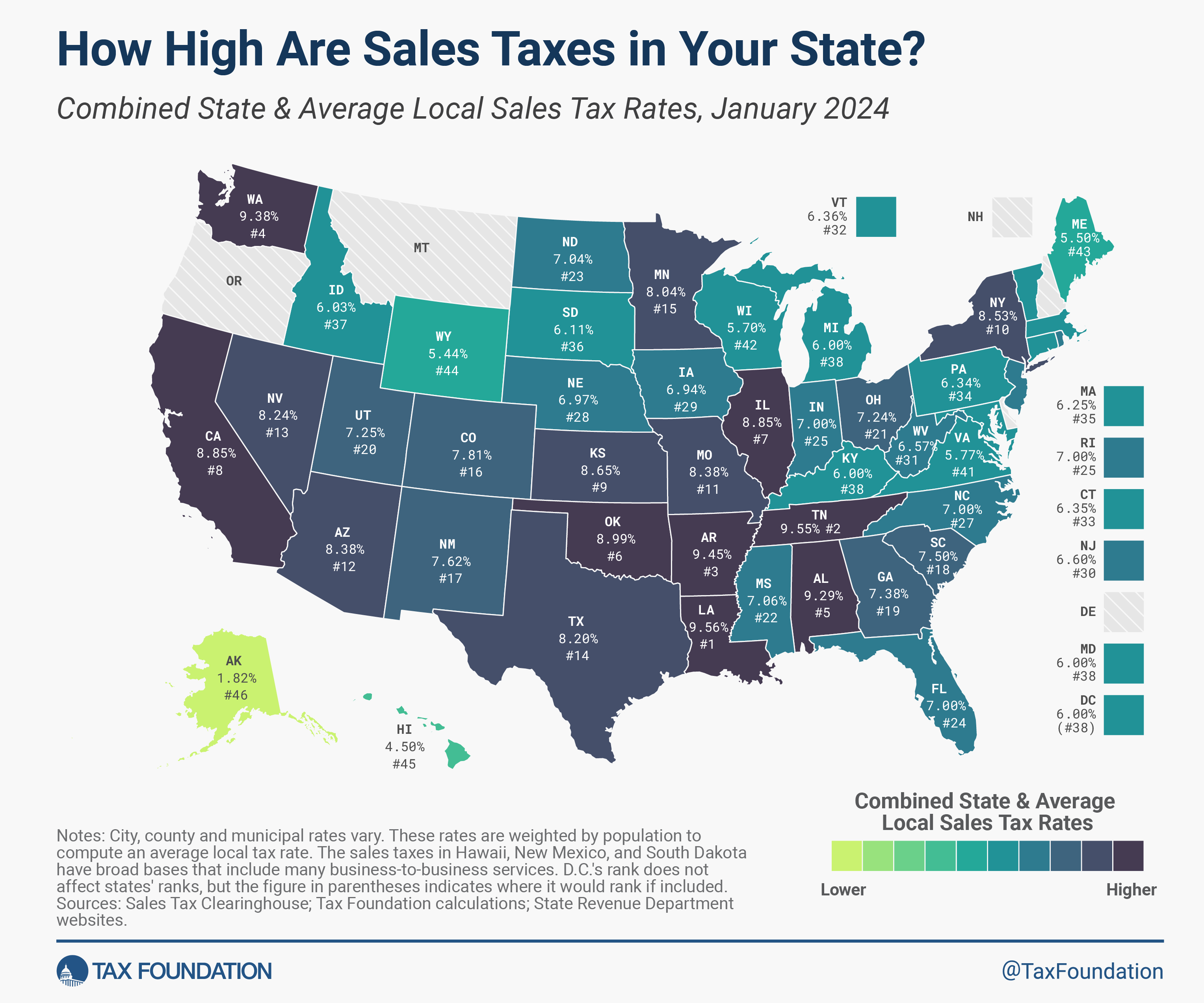
Navigating the sales tax system in New York State requires a bit of local knowledge, as rates can vary depending on where you are. The state imposes a base sales tax, and on top of that, many localities add their own rates, leading to a combined total that can differ from county to county, and even city to city.
The Statewide Sales Tax Rate
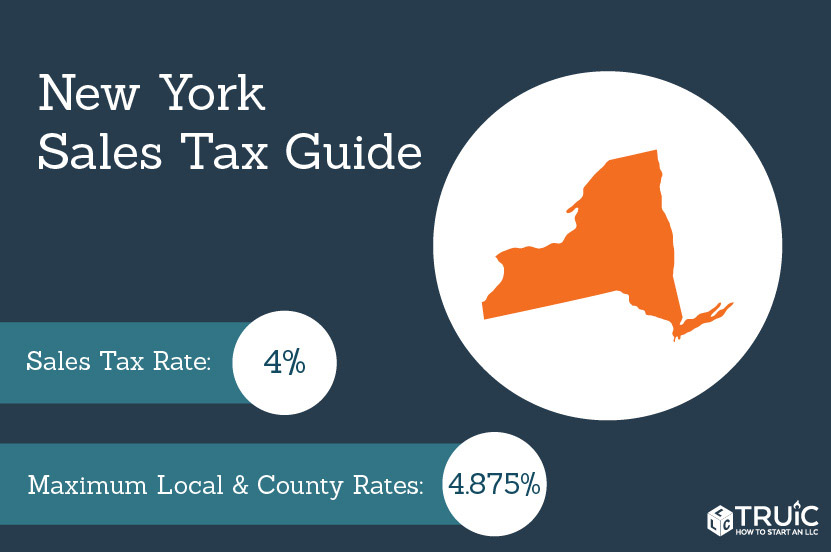
At its core, New York State levies a sales and use tax rate of 4%. This foundational rate applies to most taxable goods and services purchased within the state. From the moment you buy a coffee at a roadside diner in the Hudson Valley to purchasing a hiking gear item for an adventure in the Adirondacks, this 4% state tax is almost always a component of your final bill. Understanding this base rate is the first step in unraveling the complexities of New York’s taxation.
Local Sales Taxes: A Deeper Dive
While the 4% state tax is universal, it’s the local sales taxes that truly dictate the final amount you’ll pay. Counties and some cities have the authority to impose their own additional sales tax rates, which are then combined with the state’s 4%. This is where budgeting can become tricky, as a purchase made in Buffalo might have a different combined sales tax rate than an identical purchase made in Albany or Syracuse.
The most prominent example, and one that affects millions of tourists annually, is New York City. The city itself imposes a sales tax rate of 4.5%, along with an additional 0.375% Metropolitan Commuter Transportation District (MCTD) surcharge. When you combine these with the statewide 4%, the total sales tax rate within the five boroughs of Manhattan, Brooklyn, Queens, The Bronx, and Staten Island comes to 8.875%. This is a significant figure that travelers to New York City must factor into their budgets, whether they are shopping for luxury items on Fifth Avenue, dining at a Michelin-starred restaurant, or picking up souvenirs near Times Square.
Beyond New York City, other municipalities also have their own rates. For instance, many counties in New York State add 4% to the state’s 4%, bringing their combined rate to 8%. Some, like Rochester in Monroe County, or Westchester County, have slightly different rates. Therefore, when planning your itinerary across different regions of New York, it’s wise to be aware of the specific combined sales tax rates applicable to each area to avoid any surprises. A quick search for “sales tax rate in XYZ City, NY” can provide real-time information.
How Sales Tax Impacts Your New York Travel Budget
For travelers, sales tax isn’t just an abstract number; it’s a very real addition to almost every transaction. Understanding where and how it applies can make a substantial difference in managing your overall travel budget, enabling you to allocate funds more efficiently for experiences, tours, and those must-have souvenirs.
Accommodation and Lodging Taxes
When booking your stay, whether it’s a cozy boutique hotel in Greenwich Village, a family-friendly resort near Niagara Falls, or a business-oriented suite in Midtown Manhattan, you’ll encounter more than just the advertised room rate. In New York City, in addition to the standard 8.875% sales tax, there’s a separate hotel occupancy tax of 5.875% plus an additional $1.50 per room per night. This means that a room costing $300 a night could easily have over $40 in taxes alone.
This additional lodging tax is crucial to remember for anyone looking at hotels from major chains like Marriott and Hilton to independent guesthouses. These taxes apply to various types of accommodation, including traditional hotels, motels, bed and breakfasts, and even many short-term vacation rentals or apartments booked through platforms, though specific rules can vary for very long stays. Always check the final price breakdown before confirming your booking to get a clear picture of the total cost.
Dining Out and Food Purchases
New York is a culinary paradise, offering everything from street food vendors to world-class fine dining. How sales tax applies to your food purchases depends on where and how you buy your meal. Generally, prepared food, restaurant meals, and beverages consumed on-premises or for takeout are subject to the full combined sales tax rate of the locality. So, that iconic New York bagel and coffee, a slice of Brooklyn pizza, or a gourmet dinner in SoHo will all incur sales tax.
However, most unprepared food items and groceries purchased from supermarkets or grocery stores for home consumption are typically exempt from sales tax. This distinction can be a significant saving for budget travelers or families planning to cook some of their meals in accommodations with kitchenettes. If you’re staying in an apartment in DUMBO with a kitchen, buying ingredients from a local market will be tax-free, whereas ordering a similar meal from a restaurant will not.
Shopping for Souvenirs and Fashion
Shopping is an integral part of many New York itineraries, whether it’s for luxury brands, unique boutiques, or classic souvenirs. Most retail goods, from electronics to gifts from the Metropolitan Museum of Art gift shop, are subject to the full sales tax rate.
However, there’s a noteworthy exemption for clothing and footwear in New York State. Individual items of clothing and footwear costing less than $110 are exempt from both the state and local sales taxes. This means if you buy a t-shirt for $25 or a pair of sneakers for $100, you won’t pay any sales tax on those specific items. This exemption is a fantastic benefit for shoppers, especially those looking for wardrobe updates at flagship stores like Macy’s Herald Square or exploring the outlets at Woodbury Common Premium Outlets. Be aware that if an item costs $110 or more, the full sales tax rate applies to the entire price of that item. This distinction can influence purchasing decisions, particularly for travelers from regions like Europe or Canada where sales tax refund schemes for tourists are common.
Entertainment and Attractions
From Broadway shows and concerts to museum admissions and guided tours, New York offers an unparalleled array of entertainment options. Generally, admission fees to entertainment events, cultural institutions like the Museum of Modern Art (MoMA) or the Guggenheim Museum, and guided tours (e.g., of the Statue of Liberty or the Empire State Building) are subject to sales tax. This means that when you’re budgeting for that must-see show or bucket-list attraction, remember to factor in the additional percentage on top of the ticket price.
Transportation services, however, are usually exempt from sales tax. This includes subway and bus fares, as well as taxi and ride-share services. So, getting around New York City won’t incur additional sales tax on the fare itself, making public transit an even more economical choice.
Navigating Sales Tax as a Visitor: Tips and Exemptions
Being a savvy traveler means understanding how to minimize unexpected costs and make the most of available exemptions. While the United States doesn’t offer a blanket sales tax refund for tourists as some other countries do (e.g., in Europe), New York State does provide specific relief in certain categories.
Notable Exemptions and Reduced Rates
The most significant exemption for visitors is for clothing and footwear under $110. As mentioned, these items are completely exempt from sales tax. This means if you plan to update your wardrobe, New York is an excellent place to do so, provided individual items stay below that threshold. Many shops will automatically apply this exemption, but it’s always good to double-check your receipt.
Another key exemption is for most unprepared food items and groceries. If your accommodation includes kitchen facilities, stocking up on breakfast items, snacks, or ingredients for a simple dinner at a local supermarket can lead to considerable savings. Remember, this generally applies to food meant for consumption off-premises and not prepared meals from delis or restaurants.
Certain services are also often exempt from sales tax. While specific rules can be complex, many professional services (like haircuts or massages) and personal care services generally do not incur sales tax, although tips are always expected and appreciated.
Budgeting for Sales Tax
The best strategy for any traveler is to integrate sales tax into your budget from the outset. Instead of thinking of an item’s sticker price, mentally add the appropriate sales tax rate for the region you’re in. For New York City, a quick mental calculation of adding roughly 9% to your intended purchase price (or 15% for hotels including occupancy tax) will give you a more accurate picture of the final cost. This approach helps prevent sticker shock and ensures you have enough funds for everything you desire.
Consider using budgeting apps or spreadsheets to track your spending. Allocate separate categories for accommodation, dining, shopping, and entertainment, and remember to account for taxes in each. For instance, if you plan to spend $500 on shopping in New York City (excluding tax-exempt clothing), budget closer to $545.
Refund Policies for Tourists? (Clarification)
It is crucial for international visitors to understand that the United States generally does not offer sales tax refunds for tourists upon departure, unlike countries in Europe, Asia, or Canada. Once sales tax is paid, it cannot be reclaimed. The specific exemptions mentioned above (like for clothing under $110) are applied at the point of sale, meaning you simply don’t pay the tax in the first place, rather than paying it and then seeking a refund. Therefore, plan your shopping and purchases wisely, taking advantage of exemptions where they exist, as there will be no opportunity to recoup these taxes later.
Beyond Sales Tax: Other Taxes Affecting Your New York Trip
While sales tax is a primary concern, it’s not the only additional cost visitors might encounter. Being aware of other potential taxes and fees can further refine your budget and prevent any unwelcome surprises during your New York adventure.
Hotel Occupancy Tax Revisited
As discussed, in New York City, the hotel occupancy tax is a substantial addition to your accommodation bill, levied on top of the standard sales tax. This tax varies by locality across New York State, with different counties imposing their own rates. For example, popular tourist destinations outside of NYC like Saratoga Springs or areas in the Finger Lakes region also have local occupancy taxes. Always inquire about or check for this separate lodging tax when booking anywhere in the state, as it significantly contributes to the overall cost of your stay, whether you choose a luxury suite at The Plaza Hotel or a more budget-friendly option.
Tourist Fees and Surcharges
Beyond sales and occupancy taxes, travelers might encounter various fees and surcharges, particularly in larger cities or at resorts. These are typically not government-imposed taxes but rather fees levied by businesses themselves.
- Resort Fees: Common in resort destinations, especially outside of New York City (e.g., in the Catskills or near Lake Placid), these mandatory daily charges cover amenities like Wi-Fi, fitness center access, or bottled water. They are often not included in the initial quoted room rate and can add $20-$50 or more per night.
- Facility Fees: Similar to resort fees, some urban hotels, particularly in New York City, now impose “facility fees” or “destination fees” for similar services.
- Energy Surcharges: While less common now, some older hotels might still have small, per-night energy surcharges.
It’s vital to read the fine print when booking your accommodation to understand all potential additional charges. These fees are typically subject to sales tax themselves, further increasing the final amount. Transparent pricing is becoming more common, but vigilance from the traveler remains the best defense against unexpected costs.
In conclusion, a trip to New York promises an unparalleled array of experiences, from exploring historic landmarks like the Brooklyn Bridge and Grand Central Terminal to enjoying the vibrant local culture in Chelsea Market or walking The High Line. By understanding the state’s sales tax rates, the variations across localities like New York City, and key exemptions for items like clothing and groceries, you can confidently manage your finances. Factor in not just sales tax but also hotel occupancy taxes and potential resort/facility fees to get a complete picture of your travel budget. With this knowledge, you can truly relax and immerse yourself in everything New York has to offer, without any financial surprises dimming your adventure. Enjoy your travels responsibly and make memories that will last a lifetime!
LifeOutOfTheBox is a participant in the Amazon Services LLC Associates Program, an affiliate advertising program designed to provide a means for sites to earn advertising fees by advertising and linking to Amazon.com. Amazon, the Amazon logo, AmazonSupply, and the AmazonSupply logo are trademarks of Amazon.com, Inc. or its affiliates. As an Amazon Associate we earn affiliate commissions from qualifying purchases.