
Few songs in the annals of music history have generated as much speculation, interpretation, and enduring fascination as the Eagles’ iconic 1976 track, “Hotel California.” From its haunting guitar intro to its enigmatic lyrics, the song paints a vivid, albeit often unsettling, picture that has captivated listeners for decades. It’s a sonic journey that feels both deeply personal and universally resonant, transcending its time to become a timeless anthem. But what precisely is this sprawling, seven-minute masterpiece truly about? Is it a literal tale of a traveler’s strange encounter, or a complex metaphor for something far deeper, perhaps even sinister? The allure of Hotel California lies precisely in its ambiguity, allowing it to be a canvas onto which generations have projected their own anxieties, aspirations, and understandings of the human condition, particularly within the context of travel, lifestyle, and the pursuit of dreams.
The song, released as the title track from their fifth studio album, quickly became a global phenomenon, selling over 42 million copies worldwide and earning the Eagles a Grammy Award for Record of the Year in 1978. Its impact, however, extends far beyond commercial success. It has permeated popular culture, becoming a touchstone for discussions about the music industry, the American Dream, and the darker side of paradise. For those who love to explore different destinations and unique accommodation experiences, the very title “Hotel California” conjures images of mysterious lodgings, perhaps luxurious yet foreboding resorts, that promise an escape but deliver an unexpected reality. This article delves into the multifaceted layers of the song, exploring its most prominent interpretations and the cultural context that brought it to life.

The Enigmatic Narrative: Literal vs. Symbolic Meanings
At its surface, “Hotel California” tells a story that any traveler might recognize, albeit one infused with a distinct sense of unease. A weary traveler, driving down a dark desert highway, pulls over for the night at a mysterious hotel. He’s welcomed by a beautiful, alluring woman and what seems like paradise – “warm smell of colitas, rising up through the air,” “pink champagne on ice.” Yet, beneath this veneer of hospitality and luxury, a sense of dread slowly builds, culminating in the chilling realization that “you can check out any time you like, but you can never leave.” This seemingly straightforward narrative, however, is merely the entry point into a labyrinth of deeper meanings.
The Allure of the Hotel California
The hotel itself is arguably the most potent symbol in the song. It represents more than just a place to stay; it embodies a destination, an experience, and a lifestyle choice. For many, a hotel is a temporary haven, a place of rest and rejuvenation during a journey. The Hotel California, however, subverts this expectation. Its initial allure speaks to a common desire for luxury travel and exotic experiences. The imagery of “mirror on the ceiling, the pink champagne on ice” evokes a sense of opulence, a promise of indulgence that would appeal to anyone seeking a lavish getaway or a unique resort experience.
The building itself is often rumored to be inspired by real Southern California establishments like the historic Beverly Hills Hotel or the [Sunset Marquis Hotel](https://lifeoutofthebox.com/sunset-marquis-hotel], famous for its rock and roll clientele. Whether directly inspired or not, the song’s hotel becomes a powerful metaphor for the transient yet impactful nature of certain accommodations. It’s a place where one might arrive with high hopes, seeking a dream vacation or a temporary escape, only to find the reality far more complex than anticipated. The hotel, in this sense, stands as a grand landmark, not necessarily in a historical or architectural way, but as a symbolic monument to aspiration and disillusionment.

A Journey into Disillusionment
Beyond the literal interpretation, “Hotel California” is widely understood as a powerful allegory for disillusionment. The traveler’s journey and eventual entrapment within the hotel mirror a common theme in human experience: the pursuit of a dream that, once attained, proves to be hollow or even destructive. The welcoming facade of the hotel quickly gives way to darker undertones. The “lovely, dark hair lady” who ushers him in speaks of being “prisoners of our own device.” The seemingly endless party, fueled by “pink champagne” and “sweet summer sweat,” masks a deeper emptiness.
This sense of being trapped, despite the superficial luxuries, resonates deeply with anyone who has felt ensnared by choices they made or a lifestyle they adopted. It speaks to the idea that some destinations, some ways of living, can become inescapable, even if they initially promised freedom or happiness. The “long year since I left my home” line suggests a long journey, perhaps across many destinations, only to find oneself in a similar, if more gilded, cage. It touches on the darker aspects of tourism and travel, where one might embark on a quest for something new, only to find the new experiences are just variations of old patterns of confinement.
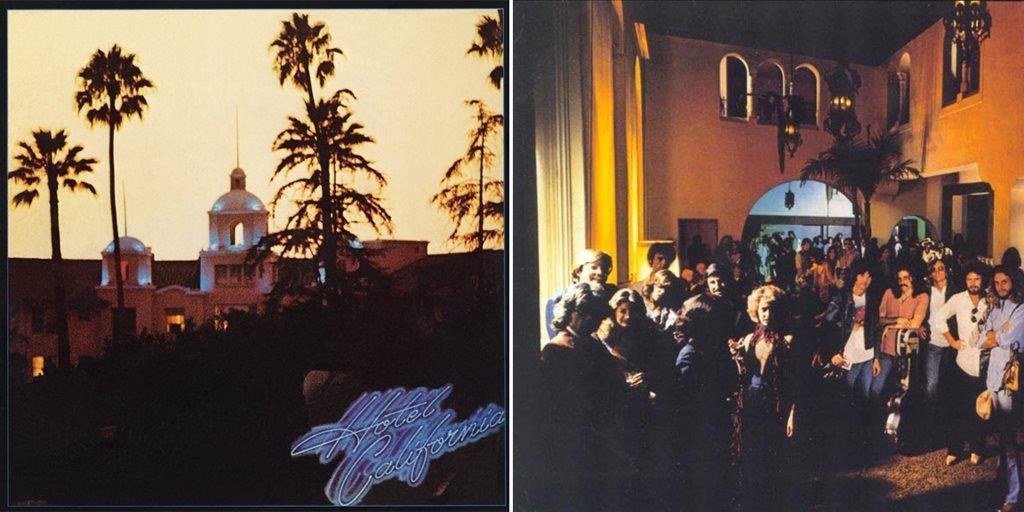
Decoding the Golden State’s Dark Side
The most pervasive and perhaps intended interpretation of “Hotel California” positions it as a critique of the hedonism, materialism, and moral decay that the Eagles observed in 1970s Southern California, particularly within the music industry and the broader pursuit of the “California Dream.” Don Henley, one of the song’s primary lyricists, has often spoken about the song being a commentary on the “excesses of American culture and certain people we knew.” The Golden State, with its promise of fame, fortune, and perpetual sunshine, becomes a gilded cage, alluring from afar but ultimately corrupting.
The California Dream Derailed
For decades, California has been synonymous with opportunity, innovation, and a laid-back, sun-soaked lifestyle. Millions have flocked to its shores, seeking their version of the “California Dream” – be it Hollywood stardom, Silicon Valley success, or simply a life of perpetual summer. However, the Eagles were privy to the underbelly of this dream, especially in places like Los Angeles and Hollywood. The song captures the disillusionment that can set in when the promise of paradise meets the harsh realities of ambition, greed, and superficiality.
The imagery in the lyrics powerfully evokes this contrast: the “warm smell of colitas” (a slang term for cannabis, or possibly a desert flower, suggesting a hazy, drug-influenced atmosphere) juxtaposed with the “up all night, still trying to find that feeling.” This isn’t just about a vacation; it’s about a permanent state of seeking, a constant striving for an elusive high or fulfillment that never truly arrives. The “mirrors on the ceiling” and “pink champagne on ice” represent the superficial glamour and excessive lifestyle that defined a certain segment of California society, a lifestyle often associated with luxury hotels and exclusive resorts, where outward appearances often masked inner turmoil. The song implicitly warns travelers and dream-seekers that the allure of a destination might hide a deeper, more unsettling truth about the lifestyle it promotes.
Reflections on the Music Industry and Fame
Given the Eagles’ firsthand experience, it’s natural to interpret “Hotel California” as a sharp critique of the music industry itself and the corrosive effects of fame. The hotel, in this context, becomes a metaphor for the music business – a glamorous, seductive entity that draws in hopeful artists but then traps them in its demands, expectations, and often morally ambiguous practices. The lyrics about “she got the Mercedes Benz, uh, she got a lot of pretty, pretty boys, that she calls friends” could easily describe the hangers-on and superficial relationships common in the entertainment world.
The line “we haven’t had that spirit here since 1969” is particularly telling. It references a perceived loss of innocence and idealism in the music scene, perhaps a nod to the end of the counterculture era and the rise of more commercialized, cynical tendencies. The “steely knives” they “stab it with” but “just can’t kill” could represent the enduring, pervasive nature of the industry’s darker elements, or perhaps even the artists’ own internal struggles with creative integrity versus commercial success. The journey to California for an aspiring musician is often a path lined with promises of stardom and luxury accommodation, but the song reveals the potential for it to lead to an internal hotel of entrapment where one’s soul becomes a commodity. This narrative serves as a stark warning, particularly relevant to those who travel to iconic landmarks like Hollywood or Los Angeles with dreams of making it big.
The Eagles’ Perspective and Lasting Legacy
While interpretations abound, the members of the Eagles themselves have offered insights into the song’s meaning, primarily confirming its metaphorical nature. Their perspectives, combined with the song’s enduring popularity, cement its status as a masterpiece of social commentary and musical artistry.
The Band’s Intentions
Don Henley and Glenn Frey, the principal lyricists, have consistently maintained that “Hotel California” is an allegory for the hedonism and self-destruction prevalent in Los Angeles during the 1970s. Henley famously described it as “our interpretation of the high life in Los Angeles,” and a commentary on “the dark underbelly of the American Dream.” He explained that the song was meant to explore “the dark side of paradise” and the perils of excessive materialism. The band members, having moved to California themselves in pursuit of their musical dreams, witnessed firsthand the seductive yet destructive nature of the environment.
Glenn Frey once elaborated, stating, “We were all middle-class kids from the Midwest. ‘Hotel California’ was our first foray into the big time. It was supposed to be a metaphor for the whole California lifestyle and the music industry.” This confirms that the narrative about the hotel and its inhabitants is less about a literal accommodation and more about the psychological and cultural landscape they inhabited. It speaks to the broader themes of lifestyle choices, the illusions of luxury travel, and the often-unseen costs of living a certain way.
An Enduring Cultural Phenomenon
Decades after its release, “Hotel California” continues to resonate deeply with audiences worldwide. Its universal themes of aspiration, temptation, disillusionment, and the search for meaning ensure its timeless appeal. The song’s complex structure, evocative imagery, and the unforgettable guitar work by Don Felder and Joe Walsh (and later Timothy B. Schmit) have cemented its place in music history, securing its spot on countless “greatest songs” lists.
The mystery surrounding its exact meaning only adds to its allure, inviting new generations to ponder its depths. Whether interpreted as a cautionary tale about the pitfalls of fame, a critique of unchecked capitalism, a metaphor for addiction, or simply a chilling ghost story, the song remains a powerful piece of art. It prompts listeners to reflect on their own journeys, their own pursuits of ideal destinations and perfect lifestyles, and the often-hidden costs that come with them. For anyone interested in the cultural narratives embedded within travel and accommodation, the “Hotel California” stands as a quintessential exploration of paradise lost, a landmark in its own right in the landscape of human experience. It remains a powerful reminder that even the most beautiful destinations and luxurious accommodations can hide profound complexities, challenging us to look beyond the surface of what seems like an idyllic retreat.
LifeOutOfTheBox is a participant in the Amazon Services LLC Associates Program, an affiliate advertising program designed to provide a means for sites to earn advertising fees by advertising and linking to Amazon.com. Amazon, the Amazon logo, AmazonSupply, and the AmazonSupply logo are trademarks of Amazon.com, Inc. or its affiliates. As an Amazon Associate we earn affiliate commissions from qualifying purchases.