
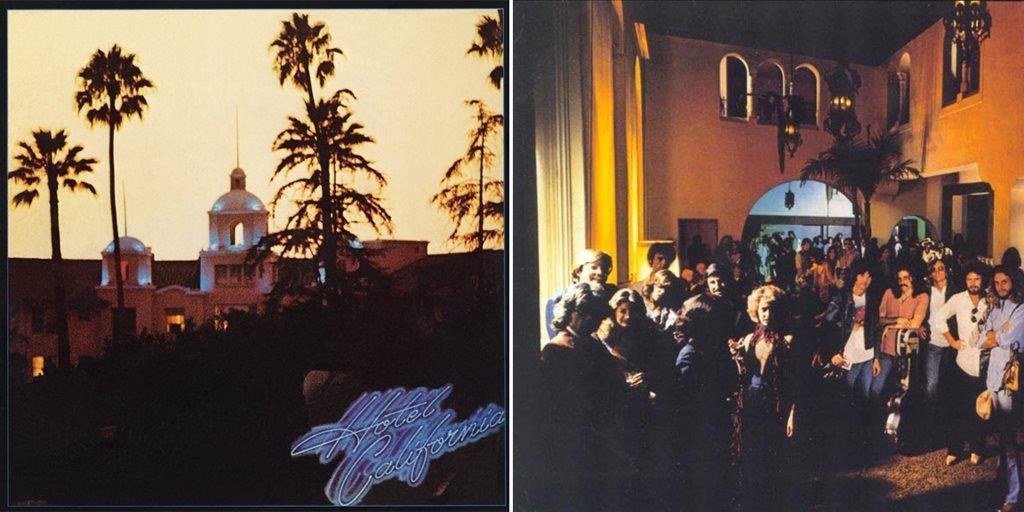
Few songs in the annals of music history have generated as much enduring fascination, debate, and myriad interpretations as the Eagles‘ iconic 1976 hit, “Hotel California.” More than just a catchy tune, it’s a lyrical tapestry woven with evocative imagery and a haunting narrative that has captivated audiences for decades. On a website dedicated to travel, hotels, tourism, accommodation, landmarks, and lifestyle, “Hotel California” resonates profoundly, not merely as a song, but as a cultural landmark that explores the allure, complexities, and sometimes the dark underbelly of desirable destinations and aspirational lifestyles. It transcends the literal to become a metaphor for the choices we make, the places we seek, and the experiences that can both enchant and entrap us. While the band members have offered various explanations over the years – often describing it as a commentary on the excess and hedonism of 1970s Los Angeles and the dark side of the American Dream – the song’s true power lies in its ambiguity, allowing listeners to project their own fears, desires, and understanding of the world onto its enigmatic lyrics.

A Journey Through The Mystique: The Lyrical Narrative Unveiled
The narrative of “Hotel California” begins as a seemingly idyllic travelogue, drawing listeners into a vivid and cinematic experience. It paints a picture that many travelers can relate to – the weary journey, the search for respite, and the unexpected discovery of a captivating place.
The Allure of the Desert Road and the Grand Hotel
The song opens with a traveler, “on a dark desert highway, cool wind in my hair,” exhausted and seeking solace. Suddenly, “up ahead in the distance, I saw a shimmering light.” This light belongs to the “Hotel California,” an imposing and mysterious hotel that appears like a mirage in the desert. The description immediately evokes a sense of both grandeur and isolation, reminiscent of an exclusive resort found in an unexpected location, promising escape and luxury. For anyone seeking the perfect accommodation after a long drive, the sight of a magnificent hotel offers a profound sense of relief and anticipation. The “warm smell of colitas, rising up through the air” adds an exotic, almost intoxicating element to the welcome, hinting at the sensory richness often associated with high-end travel and immersive experiences. The traveler is drawn in by the promise of comfort and indulgence, a familiar yearning for a haven from the road. The sheer scale and architectural presence of the Hotel California suggest a place of significant history and perhaps even mystique, making it a compelling fictional landmark in its own right.
The Unsettling Welcome and Hidden Traps
However, the initial allure quickly gives way to a growing sense of unease. The “pretty, pretty boys” and the “Tiffany-twisted” woman who greets him at the door are beautiful yet unsettling, their smiles hinting at something disingenuous. The lyrics describe a place where the “spirit” has been missing “since 1969,” a line often interpreted as a lament for the fading ideals of the counterculture era in California and the shift towards a more commercialized, perhaps soulless, lifestyle. The seemingly innocuous request for wine (“Please bring me my wine,” she said, “We haven’t had that spirit here since 1969”) carries a profound double meaning, referring not just to alcohol but to the very essence of joy and authenticity. The voices in the corridor, the mirrors on the ceiling, and the “pink champagne on ice” all contribute to an atmosphere of opulent decadence, yet also a feeling of being watched, observed, and perhaps even judged. This shift from welcoming luxury to subtle menace touches upon a common theme in tourism: the initial enchantment with a destination that, upon closer inspection, reveals underlying complexities or even darker truths beneath its polished surface. The traveler, once relieved, now finds himself in a situation that feels less like a chosen stay and more like an unfolding predicament, blurring the lines between a dream vacation and a waking nightmare.
Interpretations Beyond the Literal: Metaphors of Lifestyle and Society
Beyond its literal narrative, “Hotel California” functions as a powerful allegory, offering sharp social commentary that resonates with themes of societal excess, the pursuit of pleasure, and the insidious nature of certain lifestyles. The song’s brilliance lies in its ability to simultaneously be a captivating story and a profound critique.
The Golden Cage: Addiction, Excess, and the Hollywood Dream
One of the most widely accepted interpretations of “Hotel California” positions the hotel as a metaphor for the glamorous yet destructive excesses of the California lifestyle, particularly prevalent in Los Angeles during the 1970s. This era was characterized by a pursuit of hedonism, material wealth, and fleeting fame, often at a significant personal cost. The lyrics paint a vivid picture of this “golden cage,” where the trappings of luxury – “mirrors on the ceiling, the pink champagne on ice” – conceal a deeper sense of entrapment. “Colitas,” often interpreted as a slang term for marijuana buds, and the idea of “stabbing it with their steely knives, but they just can’t kill the beast” suggest drug addiction and the struggle against self-destructive habits that were rampant in the era. The song hints at the insatiable hunger for more, the relentless pursuit of pleasure that ultimately leaves one empty and unable to escape. For many, the “Hotel California” symbolizes the dark side of the Hollywood dream: a place where aspirations turn into obsessions, and the promise of endless summer leads to a permanent winter of the soul. This interpretation deeply connects with the “lifestyle” aspect of our website, exploring the allure and pitfalls of aspirational living, where the desire for luxury and status can lead to unforeseen consequences, making a once-dreamed destination feel like a prison.
The Music Industry’s Dark Side
Another compelling interpretation views the “Hotel California” as a searing critique of the music industry itself, a world the Eagles knew intimately. In this context, the hotel represents the exploitative nature of record labels and the demands of fame. The “master of the house” could symbolize a powerful record executive or the industry as a whole, holding artists captive in lucrative but soul-crushing contracts. The lines “We are programmed to receive. You can check out any time you like, but you can never leave” become particularly poignant here, reflecting the feeling of artists who, despite their success, find themselves trapped by their obligations, image, and the machinery of their profession. The industry, much like the hotel, offers immense riches and glittering opportunities, but at the cost of personal freedom and authenticity. This perspective delves into the “lifestyle” of creatives in a high-stakes industry, highlighting how the pursuit of a dream can lead to an unexpected form of lifelong “long-term stay” in a metaphorical gilded cage. The song serves as a cautionary tale about the perils of celebrity and the compromises often demanded by the path to stardom, a stark contrast to the carefree spirit often associated with travel and exploration.

A Commentary on the American Dream and Spiritual Decay
Beyond individual vices or industry critiques, “Hotel California” extends its gaze to broader societal themes, serving as a powerful commentary on the state of the American Dream and the spiritual erosion of a generation. The song acts as a profound cultural artifact, encapsulating the disillusionment that followed the idealism of the 1960s.
Loss of Innocence and the Pursuit of Materialism
For many, the “Hotel California” symbolizes the decay of the post-1960s American Dream. The era that followed the social and political upheavals of the 1960s saw a shift towards increased materialism, individualism, and a relentless pursuit of superficial pleasure. The hotel thus becomes a poignant metaphor for a society that has lost its moral compass, where grand promises of freedom and prosperity have morphed into empty extravagance and spiritual emptiness. The “spirit” that hasn’t been there “since 1969” could represent the idealism, communal values, and countercultural aspirations that seemingly vanished, replaced by a more cynical and self-serving ethos. This hotel is not just a place to stay; it is a landmark of a societal turning point, a monument to what was gained in material wealth but lost in soul. From a tourism perspective, it prompts reflection on the impact of changing cultural values on places and people, and how certain alluring destinations can symbolize larger societal shifts. The pursuit of “luxury travel” and opulent accommodations can sometimes mask a deeper search for meaning that remains unfulfilled.
The Haunting Specter of The Past
The spectral elements within the song – the “voices in the corridor,” the eerie atmosphere, the inability to leave – also lend themselves to interpretations of purgatory or a spiritual trap. The hotel could represent a place where lost souls, trapped by their past choices or their inability to confront reality, are forced to relive their mistakes. The “feast” where “they gathered for the feast” but “stab it with their steely knives, but they just can’t kill the beast” suggests a perpetual cycle of indulgence and despair, an attempt to destroy the very thing that keeps them captive, yet failing each time. This haunting quality aligns with the idea that the consequences of certain lifestyles or societal paths can linger, creating a metaphorical prison from which escape seems impossible. The historical context, particularly the cultural shifts in California and Los Angeles, informs this interpretation, positioning the Hotel California as a chilling reminder of unresolved historical tensions and the enduring impact of choices made in pursuit of a particular dream. It’s a powerful reflection on how places, real or imagined, can carry the weight of their past, influencing present perceptions and experiences for those who encounter them.
The Enduring Legacy and Impact on Travel and Culture
Despite its enigmatic nature, the message of “Hotel California” has resonated deeply across generations, solidifying its place not only in music history but also in the broader cultural consciousness, influencing how we perceive travel, accommodation, and the pursuit of ideal lifestyles.
A Fictional Landmark, Real Echoes
While the “Hotel California” is not a physical place, its vivid description and powerful symbolism have established it as a significant fictional landmark in popular culture. It profoundly shapes the way people think about California and Los Angeles – not just as vibrant tourist destinations, but as places imbued with a complex history of dreams, ambition, and potential disillusionment. The song has become shorthand for the allure of glamorous locales that hide a darker, more complex reality beneath the surface. It subtly influences our perception of luxury hotels and resorts, prompting a subconscious inquiry into the true cost of such opulent accommodations and the lifestyles they represent. Travelers embarking on journeys to sunny, seemingly perfect locales might find themselves humming the tune, a subtle reminder to look beyond the brochure and consider the deeper cultural currents of their chosen destination. The song encapsulates the essence of what it means for a place, real or imagined, to hold significant cultural weight, inviting contemplation and debate for years to come.
The Universal Appeal of the Unexplained
The persistent ambiguity of “Hotel California” is arguably its greatest strength and a key reason for its enduring appeal. By refusing to offer a single, definitive meaning, the song invites listeners to actively engage with its narrative, projecting their own experiences, fears, and understandings onto its evocative lyrics. This open-endedness makes it universally relatable, touching upon themes that transcend specific geographical locations or time periods: the seduction of temptation, the consequences of excess, the illusion of freedom, and the search for identity in a complex world. Whether one interprets it as a critique of consumerism, an allegory for addiction, or a spiritual journey, the song prompts introspection. This enduring mystery ensures that the “Hotel California” remains a timeless piece of art, continuously relevant to discussions about society, personal choices, and the profound impact of our surroundings. It’s a reminder that even in the most seemingly straightforward aspects of travel and accommodation, there can be layers of meaning and experience waiting to be uncovered, transforming a simple stay into a profound journey of discovery or, perhaps, a cautionary tale.
In conclusion, “Hotel California” is far more than just a song; it is a cultural phenomenon, a lyrical puzzle, and a profound commentary on the human condition. While its narrative ostensibly concerns a weary traveler finding a mysterious hotel, its true meaning sprawls across interpretations that touch upon the excesses of the California lifestyle, the pitfalls of the music industry, and the fading ideals of the American Dream. It functions as a powerful, albeit fictional, landmark, drawing listeners into a contemplative space about alluring destinations and the hidden costs of aspirational living.
For those interested in travel, hotels, tourism, and accommodation, the song serves as both an intriguing narrative and a thought-provoking allegory. It reminds us that while we may seek a luxurious resort or an unforgettable experience, every destination and every lifestyle choice comes with its own complexities and unspoken truths. The “Hotel California” thus endures as a masterpiece of ambiguity, inviting us all to check in, but forever pondering if we can ever truly leave its profound influence behind.