
Navigating the bustling streets of New York City requires more than just a good map or a GPS; it demands a comprehensive understanding of the city’s strict traffic regulations. For tourists, business travelers, and locals alike, knowing the rules of the road is essential to avoiding hefty fines and ensuring the safety of pedestrians. In a city defined by its rapid pace and high volume of traffic, traffic laws are enforced with rigor to manage the complexities of urban movement.
Understanding the Standard Speed Limit
In the vast majority of residential and commercial streets throughout New York City, the default speed limit is 25 miles per hour. This legislative decision, which took effect several years ago as part of the city’s “Vision Zero” initiative, was designed to significantly reduce the risk of traffic-related fatalities.

Why the 25 MPH Rule Matters
The logic behind the 25 mph limit is rooted in physics and pedestrian safety. In a dense metropolis where millions of people walk to subway stations, offices, and landmarks like Times Square or Central Park, the speed of a vehicle is directly proportional to the survivability of an accident. By capping speeds at this relatively low threshold, the city aims to ensure that if a collision occurs, the outcome is far less likely to be fatal.
The Role of Speed Enforcement Cameras
It is important to note that “the speed limit” is not merely a suggestion. The New York City Department of Transportation utilizes an extensive network of automated speed enforcement cameras. These cameras operate 24 hours a day, seven days a week, capturing vehicles that exceed the limit by as little as 10 miles per hour. For visitors renting cars or using ride-share services, it is vital to remember that these cameras do not discriminate between locals and tourists; violations result in automated fines mailed directly to the registered owner of the vehicle.
Exceptions to the Rule: Highways and Arterial Roads
While the default 25 mph limit governs most neighborhood streets, New York City contains an intricate system of parkways, expressways, and arterial roads where different rules apply. Assuming the 25 mph limit applies everywhere can lead to confusion, especially when navigating major corridors that connect the boroughs.
Standard Highway Speeds
On major expressways such as the Long Island Expressway or the Brooklyn-Queens Expressway, speed limits are generally set at 50 to 55 miles per hour. However, these limits are not universal. It is common for speed limits to fluctuate based on construction, sharp curves, or high-traffic merging zones.
Signage Is the Ultimate Authority
The most reliable way to determine the speed limit is to ignore assumptions and focus entirely on posted signage. In New York City, speed limit signs are placed frequently along arterial roads. If you are driving on a road that feels like a highway—such as the Henry Hudson Parkway—but you do not see a sign, the safest practice is to default to 25 mph until you see a speed limit indicator to the contrary. Ignoring posted signs is the most common cause of traffic citations for out-of-town visitors.

Navigating Special Zones: School and Construction Areas
Beyond the standard residential and highway limits, there are specific “special zones” where speed limits are further restricted. Recognizing these areas is critical for maintaining safety and compliance.
School Speed Zones
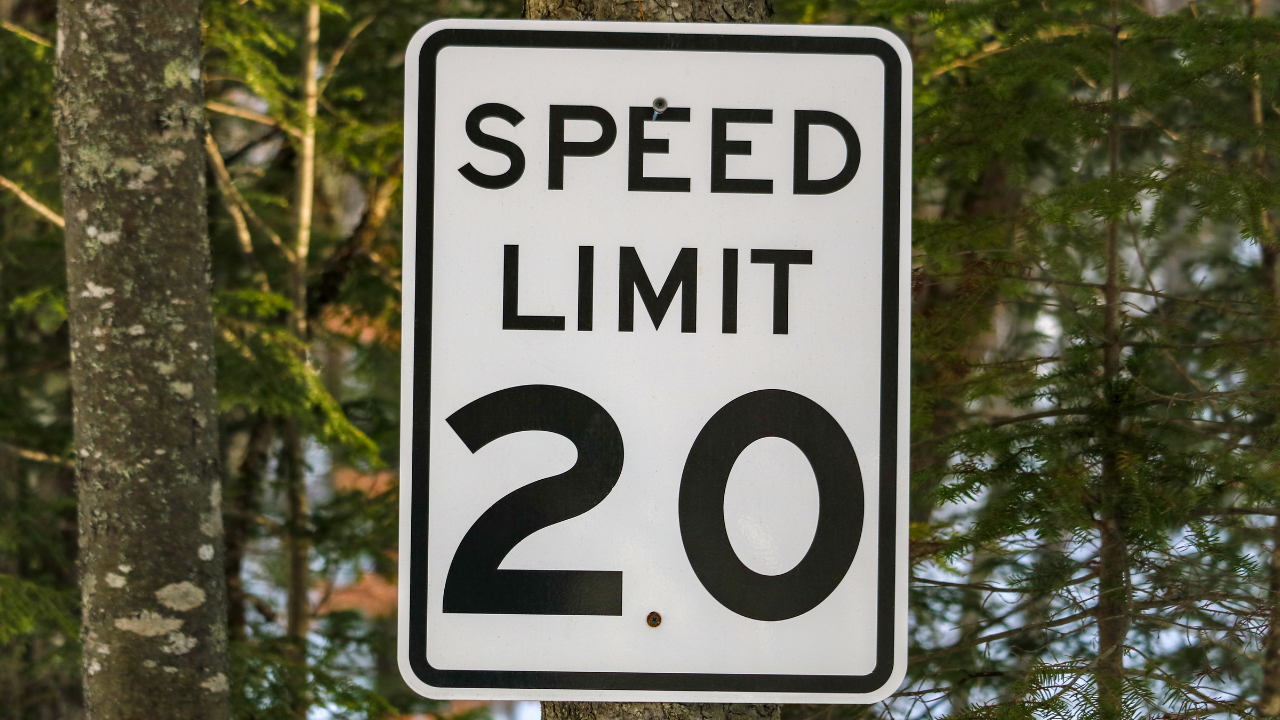
School zones in New York City are strictly regulated. During school hours, speed limits in these marked areas are often reduced to 20 miles per hour. These zones are heavily monitored by speed cameras. If you are driving near educational institutions—whether you are near a school in Manhattan or a quieter neighborhood in Queens—always look for the flashing lights or yellow signs that indicate an active school zone. The fines for speeding in these zones are significantly higher than in standard areas, as the city prioritizes the protection of students above all else.
Construction and Work Zones
Construction is a permanent fixture of life in New York City. Whether it is road repair on the George Washington Bridge or utility maintenance in Brooklyn, you will frequently encounter work zones. When you see orange signage or cones, assume that the speed limit is reduced, even if a specific number is not posted. Always defer to the instructions of traffic enforcement officers or flaggers on-site, as their signals supersede standard road rules.
Driving Tips for a Smooth Experience in NYC
Driving in New York City is a challenge that requires patience and alertness. Because speed limits are low and traffic is high, the “need for speed” should be replaced by a commitment to safety and situational awareness.
Use Technology Wisely
Utilize navigation apps, but do not rely on them exclusively for speed limit data. While apps like Waze or Google Maps provide real-time updates, they are sometimes slightly behind the reality of changing construction zones or temporary speed limit adjustments. Your eyes on the road and the physical signs posted by the city are your primary sources of truth.
Be Aware of Cyclists and Pedestrians
In a city where the speed limit is intentionally kept low, the biggest hazards are rarely other cars—they are the unpredictable movements of pedestrians and the growing population of cyclists. When driving through districts like SoHo or Greenwich Village, the 25 mph limit is your best friend. It allows you the necessary reaction time to stop for a pedestrian stepping off a curb or a cyclist weaving through traffic.
The Importance of Patience
Aggressive driving, such as tailgating or rapid lane changes, is discouraged throughout New York City. Because of the heavy congestion, speeding will rarely get you to your destination faster. You will often find that the car that sped past you is waiting at the very next red light. By maintaining a steady, lawful speed, you not only avoid the risk of fines and accidents but also contribute to a less stressful environment for everyone sharing the road.
Final Considerations for Visitors
If you are visiting from another state or country, familiarize yourself with local traffic ordinances before getting behind the wheel. Remember that New York City has specific laws regarding turns, bus lanes, and yielding. Keeping to the speed limit is just one part of being a responsible driver in this massive, vibrant urban environment. Whether you are driving past the Empire State Building or heading out toward the beaches of Long Island, staying within the posted speed limit ensures that your travel experience remains focused on the sights and sounds of the city, rather than the red tape of traffic violations.
LifeOutOfTheBox is a participant in the Amazon Services LLC Associates Program, an affiliate advertising program designed to provide a means for sites to earn advertising fees by advertising and linking to Amazon.com. Amazon, the Amazon logo, AmazonSupply, and the AmazonSupply logo are trademarks of Amazon.com, Inc. or its affiliates. As an Amazon Associate we earn affiliate commissions from qualifying purchases.