
Colorado beckons travelers with its majestic peaks, vibrant cities like Denver, and an unparalleled sense of adventure. From the world-renowned ski slopes of Aspen and Vail to the serene beauty of its national parks, the Centennial State offers an abundance of experiences for every type of tourist. As you plan your visit, delving into the local culture often begins with understanding its most cherished symbols. Among these, the state animal holds a special place, embodying the spirit, resilience, and natural grandeur of Colorado’s wilderness. So, what iconic creature claims the title of Colorado’s state animal? It is none other than the magnificent Rocky Mountain Bighorn Sheep. This article will guide you through the significance of this remarkable animal, how it enriches Colorado’s tourism landscape, and how you can responsibly experience its presence during your travels.
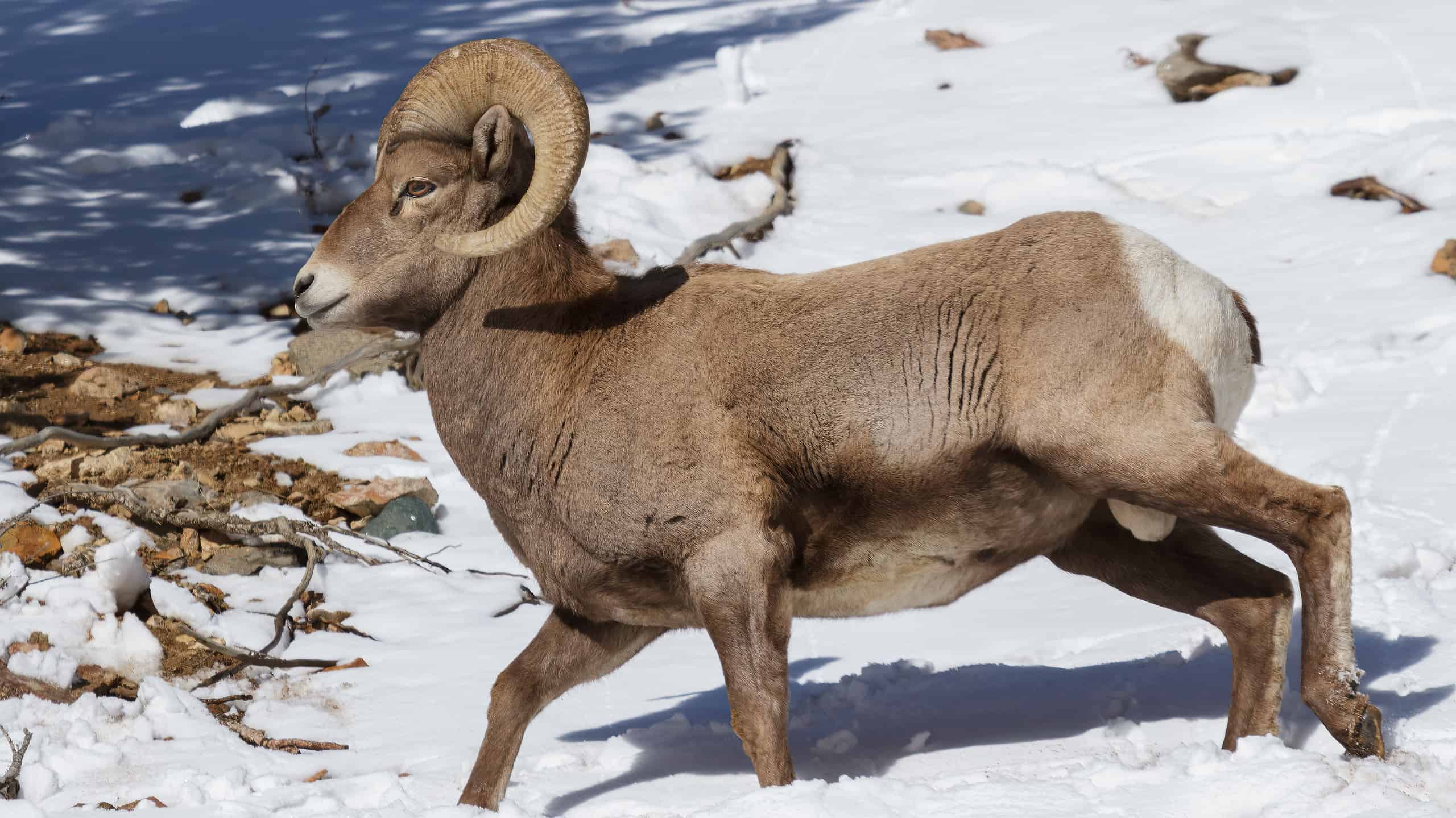
Discovering Colorado’s Wild Heart: The Rocky Mountain Bighorn Sheep
The designation of the Rocky Mountain Bighorn Sheep as Colorado’s state animal in 1961 was a fitting tribute to a creature that perfectly encapsulates the rugged beauty and enduring spirit of its mountainous terrain. For tourists seeking an authentic connection with Colorado’s natural heritage, understanding this animal is key to appreciating the local culture and wilderness.
A Portrait of Resilience: Characteristics and Habitat
The Rocky Mountain Bighorn Sheep (Ovis canadensis canadensis) is a true marvel of adaptation. Renowned for their incredible agility and footing on steep, treacherous cliffs, these sheep are perfectly engineered for life in the high-altitude environments of the Rocky Mountains. Males, known as rams, are particularly striking with their massive, curled horns that can weigh up to 30 pounds and form a full circle by the time they reach maturity. These horns are not only impressive displays for dominance but also records of the animal’s life, with growth rings indicating age. Females, or ewes, have smaller, more slender horns. Their coats range from light brown to grayish-brown, providing excellent camouflage against the rocky slopes.
Their primary habitat extends across the alpine and subalpine regions of the Rocky Mountains, typically above 8,000 feet, though they may descend to lower elevations in winter to find forage. They thrive in areas characterized by steep, rugged terrain, which provides them with refuge from predators like mountain lions and coyotes. Their diet consists mainly of grasses, forbs, and shrubs, which they forage with remarkable efficiency in their challenging environment. For tourists, encountering these animals in their natural habitat offers a profound glimpse into the raw, untamed beauty of Colorado’s backcountry, making it an activity that deeply resonates with the state’s outdoor-centric local culture.
The Cultural Significance: Why the Bighorn Sheep Represents Colorado
The choice of the Rocky Mountain Bighorn Sheep as Colorado’s state animal is not merely arbitrary; it’s deeply rooted in the state’s identity. The bighorn sheep symbolizes the very essence of the Rocky Mountains: strength, perseverance, and an unbreakable spirit. Their ability to survive and thrive in harsh, high-altitude conditions reflects the fortitude often attributed to the early pioneers and the enduring adventurous spirit of Coloradans.
Historically, the bighorn sheep has been an integral part of the mountain ecosystem and the lives of indigenous peoples, who revered them for their hardiness and as a source of sustenance and materials. Today, its image is ubiquitous throughout Colorado, appearing on everything from state emblems to local businesses, solidifying its place in the modern local culture. For visitors, the bighorn sheep becomes a natural ambassador, representing the wild, untamed beauty that draws so many to explore the wonders of the Centennial State. Its presence adds a layer of depth to the tourism experience, moving beyond mere sightseeing to a deeper appreciation of ecological and cultural heritage.
Enhancing Your Colorado Visit: Where and How to Spot the State Animal
For many tourists, a trip to Colorado would be incomplete without the chance to witness the iconic Rocky Mountain Bighorn Sheep in its natural environment. Spotting these magnificent animals requires a combination of patience, knowledge of their preferred habitats, and adherence to responsible wildlife viewing practices. This activity not only fulfills a unique tourism desire but also connects visitors directly with the natural activities that define Colorado’s appeal.
Prime Wildlife Viewing Destinations for Tourists
While bighorn sheep are wild animals and sightings are never guaranteed, several areas in Colorado offer higher probabilities for observation, especially during cooler months when they descend to lower elevations. These locations are often popular tourist destinations themselves, providing a double benefit for travelers.
One of the most renowned locations is Rocky Mountain National Park. Specifically, the Sheep Lakes area in the park is aptly named for its frequent bighorn sheep visitors during the summer months, attracted by the mineral licks. The Mount Evans Scenic Byway, the highest paved road in North America, also offers excellent opportunities, particularly at higher elevations where sheep are often seen traversing the rocky slopes.
Another excellent spot is near Georgetown and Georgetown Lake, where sheep are often visible from Interstate 70, clinging to the steep rock faces. The Arkansas River Canyon, particularly sections along U.S. 50 between Cañon City and Salida, is another hot spot. Additionally, areas within the Pike National Forest, the San Juan Mountains (near Ouray), and the Shavano Wildlife Area are known habitats. Remember to consult local visitor centers or park rangers upon arrival for the most current information on recent sightings and optimal viewing locations.
Responsible Wildlife Tourism: Tips for Ethical Observation
Engaging in ethical wildlife observation is paramount to ensuring the safety of both the animals and the tourists, while also preserving the natural environment for future generations. These tips are crucial for a positive and responsible tourism experience:

- Maintain Distance: Always keep a respectful and safe distance from bighorn sheep, ideally at least 100 yards (about the length of a football field). Never approach them, chase them, or attempt to interact with them. Binoculars or a telephoto lens are your best friends for close-up views.
- Never Feed Wildlife: Feeding wild animals, including bighorn sheep, can be detrimental to their health and survival. It habituates them to humans, leading to aggressive behavior, increased disease transmission, and reliance on unnatural food sources.
- Stay on Designated Trails: Wandering off-trail can disturb habitats, trample delicate vegetation, and increase the risk of encountering dangerous terrain or wildlife.
- Be Quiet and Patient: Wildlife is easily spooked by sudden movements and loud noises. Move slowly, speak softly, and be patient. The best sightings often come to those who wait quietly.
- Observe Behavior: Learn to recognize signs of stress in animals, such as agitated movements or direct stares. If you notice these, you are too close and should slowly retreat.
- Pack It In, Pack It Out: Leave no trace of your visit. Take all trash with you, and do not disturb natural objects like rocks or plants.
- Respect Park Regulations: Always abide by the rules and guidelines set forth by national parks, state parks like Golden Gate Canyon State Park, and wildlife areas. These rules are in place to protect both visitors and the ecosystem.
By following these guidelines, tourists can enjoy a memorable and impactful experience with Colorado’s state animal, contributing positively to local conservation efforts and the overall spirit of responsible tourism.
Protecting Colorado’s Natural Heritage: Conservation and Community Role
The Rocky Mountain Bighorn Sheep is more than just a symbol; it’s a vital component of Colorado’s ecological fabric. Understanding its role and the conservation efforts underway enriches the “Local Culture” aspect of tourism, highlighting the community’s commitment to preserving its unique natural resources.
The Bighorn’s Ecological Role in Mountain Environments
As a large herbivore, the Rocky Mountain Bighorn Sheep plays a crucial role in shaping the mountain ecosystems it inhabits. Through grazing, they influence plant communities, preventing overgrowth in certain areas and promoting biodiversity. They are also a prey species, forming an essential link in the food chain for predators such as mountain lions and golden eagles, which helps maintain a healthy balance in these wild environments. Their presence is often an indicator of a healthy, intact alpine ecosystem. For tourists, recognizing this interconnectedness fosters a deeper appreciation for the delicate balance of nature that Colorado’s conservation initiatives strive to protect.
Engaging with Conservation: How Tourism Supports Preservation
Despite their hardiness, bighorn sheep populations have faced significant challenges over the past century, including habitat loss due to human encroachment, disease transmission from domestic sheep, and historical overhunting. Today, extensive conservation efforts are spearheaded by organizations like Colorado Parks and Wildlife (CPW), alongside federal agencies and non-profit groups. These efforts include habitat restoration, disease management, population monitoring, and regulated hunting to manage herd health and size.
Tourism plays a surprising and significant role in these conservation efforts. Revenue generated from park entrance fees, wildlife viewing permits, and eco-tourism initiatives often directly funds conservation programs. Furthermore, responsible tourism educates visitors about the importance of these animals and their habitats, fostering a sense of stewardship. When tourists adhere to ethical viewing guidelines, they minimize their impact on wildlife, allowing bighorn sheep to thrive. By choosing to visit and support destinations committed to conservation, tourists become active participants in protecting Colorado’s precious natural heritage, aligning perfectly with the ethos of responsible “Activities” within the tourism sector.
The Bighorn’s Echo in Colorado’s Local Culture and Mountain Lifestyle
The influence of the Rocky Mountain Bighorn Sheep on Colorado’s local culture extends beyond its official state symbol status. It permeates various aspects of mountain living, from historical narratives to contemporary art, shaping a unique “Local Culture” that visitors can explore.
From Ancient Petroglyphs to Modern Symbolism
The bighorn sheep’s presence in the Rocky Mountains predates modern Colorado. Indigenous communities, for millennia, have depicted these animals in petroglyphs and oral traditions, revering them for their strength and connection to the spirit world. These ancient artistic expressions, found in various archaeological sites across the state, serve as a testament to the animal’s long-standing cultural significance.
In contemporary Colorado, the bighorn sheep continues to inspire. Its likeness is proudly displayed on official state seals, license plates, and the uniforms of various sports teams, solidifying its role as an icon. Local artists and craftspeople frequently incorporate the bighorn into their work, from sculptures and paintings to jewelry, offering tourists unique souvenirs that reflect authentic Colorado craftsmanship and a piece of its natural spirit. This pervasive imagery allows visitors to feel a tangible connection to the state animal even when not out in the wilderness, enriching their understanding of Colorado’s identity.
Experiencing Colorado’s Wild Spirit: Beyond Wildlife Viewing
While direct wildlife viewing is a highlight, the bighorn sheep’s spirit is woven into the broader mountain lifestyle that defines much of Colorado’s appeal. This extends to the outdoor activities and community events that celebrate the state’s natural beauty. For instance, many mountain towns host festivals and events that, while not always exclusively about bighorn sheep, celebrate mountain wildlife and the rugged outdoors. These events, often featuring local food, music, and art, provide tourists with opportunities to immerse themselves in the local culture that values and protects creatures like the bighorn sheep.
Whether it’s hiking trails in the Gore Range or the Indian Peaks Wilderness, skiing down the slopes of Grand Mesa, or simply enjoying a hearty meal at a mountain lodge, the underlying connection to the wild, symbolized by the bighorn sheep, is ever-present. These experiences cultivate an appreciation for the raw beauty and untamed spirit that the state animal represents, making a trip to Colorado not just a vacation, but an encounter with a distinct and captivating local culture.
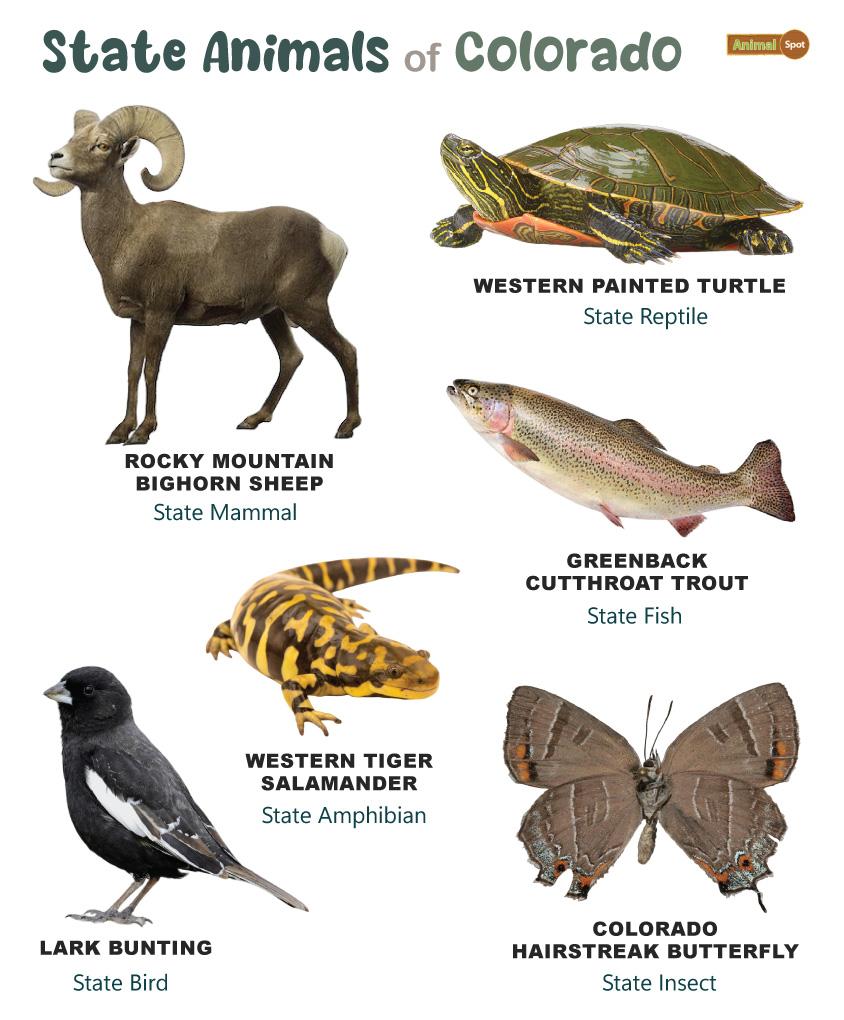
A Lasting Impression of the Centennial State
The Rocky Mountain Bighorn Sheep is far more than just a state animal; it is a living emblem of Colorado’s untamed beauty, enduring spirit, and deep commitment to preserving its natural heritage. For any tourist venturing into the Centennial State, understanding and appreciating this majestic creature profoundly enriches the travel experience. From its physical attributes and ecological importance to its deep roots in local culture and the dedicated conservation efforts, the bighorn sheep invites visitors to look beyond the obvious attractions and connect with the very heart of Colorado. So, as you plan your journey through Colorado’s breathtaking landscapes, keep an eye out for its iconic state animal. A glimpse of a bighorn sheep against a backdrop of towering peaks is a truly unforgettable activity and a powerful reminder of the wild beauty that makes Colorado a world-class tourism destination.
LifeOutOfTheBox is a participant in the Amazon Services LLC Associates Program, an affiliate advertising program designed to provide a means for sites to earn advertising fees by advertising and linking to Amazon.com. Amazon, the Amazon logo, AmazonSupply, and the AmazonSupply logo are trademarks of Amazon.com, Inc. or its affiliates. As an Amazon Associate we earn affiliate commissions from qualifying purchases.