
New Mexico, a land of breathtaking landscapes and rich cultural heritage, boasts a diverse array of flora and fauna that contribute to its unique identity. While many associate the Land of Enchantment with its iconic red rocks and vibrant pueblos, understanding its official symbols offers a deeper appreciation for its natural world. Among these symbols, the state animal holds a special place, representing qualities that resonate with the spirit of New Mexico. The question of “What is the state animal for New Mexico?” leads us to a creature that embodies resilience, beauty, and a deep connection to the rugged terrain.
The Majestic New Mexico State Animal: The Roadrunner
The official state animal of New Mexico is the Greater Roadrunner (Geococcyx californianus). This distinctive bird is a symbol of speed, agility, and adaptation, characteristics that are mirrored in the very essence of the state. Its presence is deeply woven into the ecological tapestry of New Mexico, thriving in the arid and semi-arid environments that define much of its landscape, from the Chihuahuan Desert to the foothills of the Sangre de Cristo Mountains.
A Symbol of the Desert Southwest
The choice of the roadrunner as New Mexico’s state animal is no accident. It is perfectly adapted to its environment, showcasing remarkable survival strategies. Its ability to run at impressive speeds, often exceeding 20 miles per hour, has earned it widespread recognition and a place in popular culture. This terrestrial bird, rarely taking to the air for extended flights, relies on its swiftness to evade predators and hunt its prey.
The Greater Roadrunner is a carnivorous bird, feeding primarily on insects, scorpions, spiders, small reptiles, and rodents. Its keen eyesight and quick reflexes make it an efficient hunter. The arid landscapes of New Mexico provide an abundant hunting ground for this opportunistic predator. Observing a roadrunner dart across a dusty road or swiftly pursue a lizard is a quintessential New Mexican experience, deeply intertwined with the region’s natural allure.
Cultural Significance and Folklore
Beyond its ecological importance, the roadrunner holds a significant place in the folklore and cultural heritage of New Mexico and the broader Southwest. Indigenous peoples have long observed and respected this creature, often incorporating it into their myths and stories. The roadrunner’s cleverness and resourcefulness are frequently highlighted, portraying it as a cunning survivor in a challenging environment.
In more modern times, the roadrunner gained widespread fame through its animated depiction in Warner Bros. cartoons, famously outsmarting Wile E. Coyote. While this portrayal is largely comedic, it has indelibly linked the roadrunner with the image of the American West and its iconic desert landscapes, making it instantly recognizable to people worldwide. This popular association further solidifies its status as a beloved symbol of New Mexico.
Where to Spot the Roadrunner in New Mexico
For travelers and nature enthusiasts visiting New Mexico, the opportunity to spot a Greater Roadrunner is a thrilling prospect. These birds are most commonly found in open, arid or semi-arid country, including deserts, scrublands, grasslands, and chaparral. Areas with sparse vegetation and exposed ground are ideal habitats, providing both hunting opportunities and clear paths for their rapid sprints.
- White Sands National Park: The vast, gypsum dunes and surrounding desert scrub of White Sands National Park offer a dramatic backdrop where roadrunners can be observed. Their camouflage helps them blend with the sandy terrain.
- Chaco Culture National Historical Park: Exploring the ancient Pueblo ruins within Chaco Culture National Historical Park often involves traversing desert landscapes where roadrunners are known to inhabit. The quiet stillness of the park can increase the chances of spotting wildlife.
- Gila National Forest: The diverse ecosystems within Gila National Forest, ranging from high desert to mountainous regions, provide various habitats where roadrunners might be present, particularly in the more open, drier areas.
- Petrified Forest National Park: While primarily in Arizona, the adjacent desert regions and roadside viewing areas in eastern New Mexico can also yield sightings. Roadrunners are well-adapted to the varied terrain found across the Southwest.
- Rural Roads and Highways: Many of New Mexico’s scenic byways and less-trafficked rural roads cut through prime roadrunner habitat. Driving slowly and keeping an eye on the sides of the road, especially during dawn and dusk, can be an effective way to see them. Areas around Las Cruces and the Organ Mountains-Desert Peaks National Monument are known for their roadrunner populations.
When seeking out the roadrunner, it is essential to practice responsible wildlife viewing. Maintain a respectful distance, avoid feeding the animals, and do not disturb their natural habitats. Observing these magnificent birds in their natural environment is a privilege that allows for a deeper connection with the wild heart of New Mexico.
Beyond the Roadrunner: Other Notable New Mexican Wildlife

While the Greater Roadrunner is the undisputed star as New Mexico’s state animal, the Land of Enchantment is home to a rich tapestry of wildlife that contributes to its ecological significance and the visitor experience. Understanding these other species further enriches the appreciation of New Mexico’s natural heritage.
Mammalian Residents
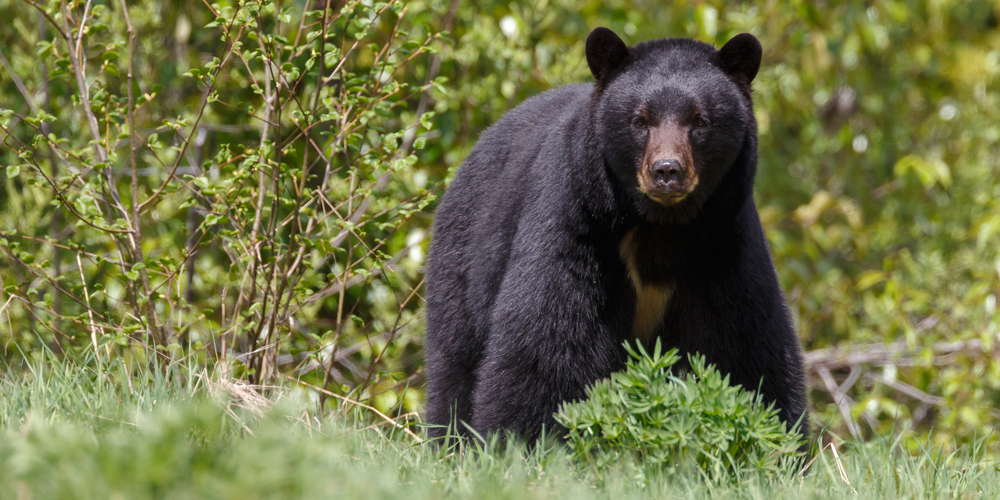
New Mexico’s diverse topography supports a variety of mammals, each adapted to its specific niche. Among the most iconic is the Black Bear (Ursus americanus), which can be found in the forested mountainous regions of northern and western New Mexico, including areas within the Carson National Forest and the Gila National Forest. These bears are omnivores and play a vital role in seed dispersal and ecosystem health.
The Pronghorn (Antilocapra americana), often mistakenly called an antelope, is another notable resident, frequently spotted in the open grasslands and plains of eastern New Mexico. It is the fastest land animal in North America and is a symbol of the wide-open spaces that characterize the region.
Elusive yet present, the Mountain Lion (Puma concolor) roams throughout the state’s mountainous and rugged terrains. As an apex predator, it helps regulate populations of deer and other prey animals. Less frequently seen but equally important are various species of coyotes, foxes, badgers, and raccoons, all contributing to the intricate food webs of New Mexico.
In the higher elevations, elk and mule deer are common, particularly in national forests and wilderness areas. The majestic bighorn sheep can also be found in remote, steep, and rocky areas, showcasing incredible agility on treacherous terrain.
Avian Diversity
Beyond the state bird, New Mexico’s skies and landscapes are alive with a stunning diversity of birdlife. The Northern Cardinal (Cardinalis cardinalis) is a vibrant and common sight, particularly in riparian areas and residential gardens, its cheerful song a familiar sound. In the desert regions, various species of quail and doves are prevalent.
Raptors are a significant part of New Mexico’s avian population. Red-tailed Hawks are ubiquitous, soaring overhead or perched on utility poles. Golden Eagles can be observed in more open country, while Ospreys are often seen near larger bodies of water.
The diverse habitats also support a variety of migratory birds. Wetlands, such as those found around Elephant Butte Lake, attract waterfowl, shorebirds, and wading birds during their seasonal journeys. Birdwatching is a popular activity, with numerous hotspots offering opportunities to observe species ranging from tiny hummingbirds to large raptors.
Reptiles and Amphibians
The arid and semi-arid climate of New Mexico is conducive to a variety of reptiles. Various species of lizards, including the iconic Greater Short-horned Lizard, are common in the desert and scrubland environments. Snakes also inhabit the state, from non-venomous species like the Gophersnake to venomous ones such as the Western Diamondback Rattlesnake. These reptiles play crucial roles in controlling rodent populations and serving as prey for other animals.
Amphibians are found in more mesic environments, such as near rivers, streams, and ephemeral pools. Various species of toads, frogs, and salamanders inhabit these areas, often becoming more active during and after rains.

The Importance of Conservation
The presence of the Greater Roadrunner and the diverse array of other wildlife underscores the ecological richness of New Mexico. For visitors, encountering these creatures in their natural habitats is a profound experience, offering a tangible connection to the wild spirit of the region. Responsible tourism and conservation efforts are vital to ensuring that these animals continue to thrive for generations to come. By understanding and respecting the natural heritage of New Mexico, travelers can gain a deeper appreciation for what makes this state so uniquely enchanting.
LifeOutOfTheBox is a participant in the Amazon Services LLC Associates Program, an affiliate advertising program designed to provide a means for sites to earn advertising fees by advertising and linking to Amazon.com. Amazon, the Amazon logo, AmazonSupply, and the AmazonSupply logo are trademarks of Amazon.com, Inc. or its affiliates. As an Amazon Associate we earn affiliate commissions from qualifying purchases.