
California, a state renowned for its diverse landscapes, iconic landmarks, and vibrant culture, also boasts a rich natural heritage. Beyond the sun-drenched beaches of Southern California and the majestic peaks of the Sierra Nevada, the state is home to a fascinating array of wildlife. When considering California’s identity, its state animal plays a significant role in representing its unique spirit and natural beauty. This article delves into what that esteemed creature is, exploring its significance and the captivating presence it holds within the Golden State.
The designation of a state animal is more than just a ceremonial title; it’s a symbol that embodies the essence of a place, its history, and its ecological importance. For California, this symbol is deeply intertwined with the state’s captivating natural environment and its enduring allure for travelers and residents alike.

The Grizzly Bear: A Symbol of Strength and Resilience
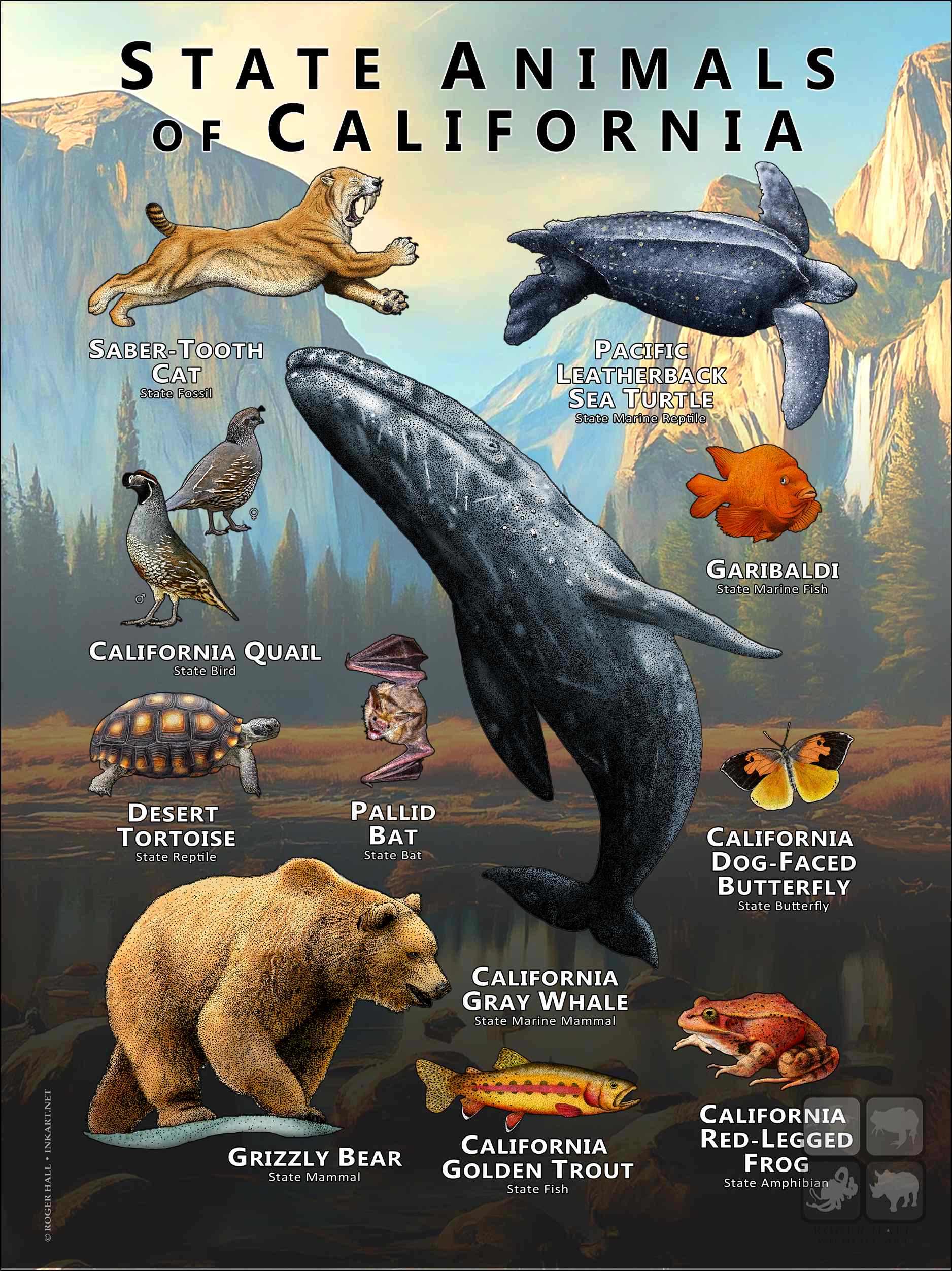
The state animal of California is the California Grizzly Bear (Ursus arctos californicus). This magnificent and powerful creature has long been an emblem of the state, its image prominently featured on the California flag, a testament to its iconic status. The grizzly bear represents strength, power, and untamed wilderness, qualities that resonate deeply with the spirit of California.
Historical Significance and Decline
The grizzly bear once roamed across vast swathes of California, from the coastal mountains to the inland valleys. These apex predators were an integral part of the state’s ecosystems, playing a crucial role in maintaining ecological balance. Their presence was a defining feature of the wild California that explorers and early settlers encountered.
However, the history of the grizzly bear in California is also a poignant story of decline. As human settlement and development expanded, the grizzly bear population faced immense pressure. Habitat loss due to agriculture, urbanization, and resource extraction, coupled with hunting, led to a drastic reduction in their numbers. By the early 20th century, the California Grizzly Bear was declared extinct in the wild within the state. The last confirmed sighting of a wild grizzly in California was in 1922.
Despite their disappearance from the wild landscape of California, the grizzly bear’s legacy endures. Its image on the state flag, known as the “Bear Flag,” serves as a constant reminder of the wild spirit that once defined the region. The flag itself has a rich history, originating from the Bear Flag Revolt of 1846, a short-lived rebellion against Mexican rule in California. The bear on the flag is often depicted with a star and a red stripe, symbolizing defiance and independence.
Ecological Role and Modern Conservation Efforts
The ecological role of the grizzly bear was profound. As omnivores, they influenced plant communities through their foraging habits and played a role in seed dispersal. Their presence also helped regulate populations of other animals. The loss of the grizzly bear has had lasting impacts on the state’s ecosystems.
While the California Grizzly Bear is no longer found in the wild within California, conservation efforts are afoot to protect and potentially reintroduce grizzly bears into their historic range. This is a complex undertaking, involving scientific research, habitat preservation, and community engagement. The reintroduction of apex predators is a critical aspect of restoring ecological balance and biodiversity. Organizations and government agencies are working to assess the feasibility of such a project, considering factors like habitat availability, human-wildlife conflict mitigation, and the overall health of the ecosystem.
The desire to see grizzly bears thrive again in California reflects a broader commitment to preserving the state’s natural heritage and recognizing the intrinsic value of its wildlife. It’s a testament to the understanding that a healthy ecosystem is one that includes all its original components, even the most powerful.

Exploring California’s Wild Side: Beyond the Grizzly
While the grizzly bear may no longer be a common sight in California’s natural landscapes, the state remains a haven for a remarkable diversity of wildlife. For travelers and nature enthusiasts, exploring these wild spaces offers a unique opportunity to connect with the natural world and appreciate the ongoing efforts to protect its inhabitants.
Diverse Habitats and Wildlife Encounters
California’s varied topography creates a multitude of habitats, each supporting a unique array of species. From the rugged coastlines to the arid deserts and dense forests, opportunities for wildlife viewing abound.
-
Coastal Regions: Along the Pacific coast, visitors can spot marine mammals such as whales, dolphins, and sea lions. Whale watching tours are a popular attraction, particularly during migration seasons. The shores are also frequented by various seabirds. For instance, the picturesque coastline near Big Sur offers stunning vistas and a chance to observe elephant seals along the beaches.
-
Mountainous Areas: The Sierra Nevada and other mountain ranges are home to diverse terrestrial wildlife. While grizzlies are gone, black bears are still present and can sometimes be observed (from a safe distance, of course). Deer, coyotes, mountain lions, and a wide variety of bird species, including raptors, inhabit these elevated regions. National parks like Yosemite National Park and Sequoia National Park provide incredible opportunities for observing these animals in their natural settings.
-
Desert Ecosystems: The vast deserts of Southern California, such as the Mojave Desert and the Anza-Borrego Desert State Park, teem with life adapted to arid conditions. Reptiles like various lizards and snakes are common, as are desert rodents, birds of prey, and unique desert flora. The spring wildflower blooms in these areas are a spectacular natural phenomenon.
-
Forests and Woodlands: The extensive forests of northern California, particularly the redwood forests, are home to species adapted to these environments. Elks, various types of squirrels, and numerous bird species can be found. The ancient redwood trees themselves are a landmark and a habitat for countless organisms.
Responsible Wildlife Tourism
When visiting California’s natural areas, responsible tourism is paramount. This involves observing wildlife from a distance, refraining from feeding animals, and minimizing disturbance to their habitats. Following park regulations and guidelines ensures that these encounters are safe for both humans and animals, and contribute to the long-term conservation of California’s precious wildlife.
Many destinations offer guided tours and educational programs that enhance the wildlife viewing experience while promoting conservation awareness. These initiatives are crucial for fostering a deeper appreciation for the natural world and for supporting the ongoing efforts to protect species and their habitats across the state. From luxury resorts nestled in scenic landscapes to budget-friendly campgrounds offering proximity to nature, California provides a spectrum of accommodation options for those eager to explore its wild side.
The Enduring Symbolism of the Bear
The choice of the grizzly bear as the state animal is not merely historical; it continues to resonate with the identity of California. It serves as a powerful reminder of the state’s wild past and the importance of preserving its natural landscapes for future generations. While the physical presence of the grizzly may be absent, its symbolic spirit of untamed nature, strength, and resilience remains deeply embedded in the fabric of the Golden State.
For those planning a trip to California, understanding its state animal adds another layer of appreciation to the travel experience. It connects the iconic landmarks and vibrant cities to the underlying natural heritage that has shaped the region. Whether exploring the bustling streets of Los Angeles or the serene beauty of the Yosemite Valley, the ghost of the mighty grizzly bear serves as a silent, yet potent, reminder of the wild heart of California. This symbolism can be further appreciated by visiting museums with natural history exhibits or by exploring areas that were once prime grizzly territory, imagining these magnificent creatures roaming freely. The legacy of the grizzly bear is a crucial part of California’s story, intertwined with its exploration, its history, and its ongoing quest for conservation.
LifeOutOfTheBox is a participant in the Amazon Services LLC Associates Program, an affiliate advertising program designed to provide a means for sites to earn advertising fees by advertising and linking to Amazon.com. Amazon, the Amazon logo, AmazonSupply, and the AmazonSupply logo are trademarks of Amazon.com, Inc. or its affiliates. As an Amazon Associate we earn affiliate commissions from qualifying purchases.