
When one thinks of Maine, images often conjure up rocky coastlines, dense forests, and perhaps even the iconic lobster. But beyond these widely recognized symbols, Maine also boasts a designated state animal that embodies the spirit and natural heritage of the Pine Tree State. Understanding this animal offers a deeper appreciation for Maine’s unique ecosystem and its enduring connection to the wild.
The Majestic Moose: Maine’s Official State Animal
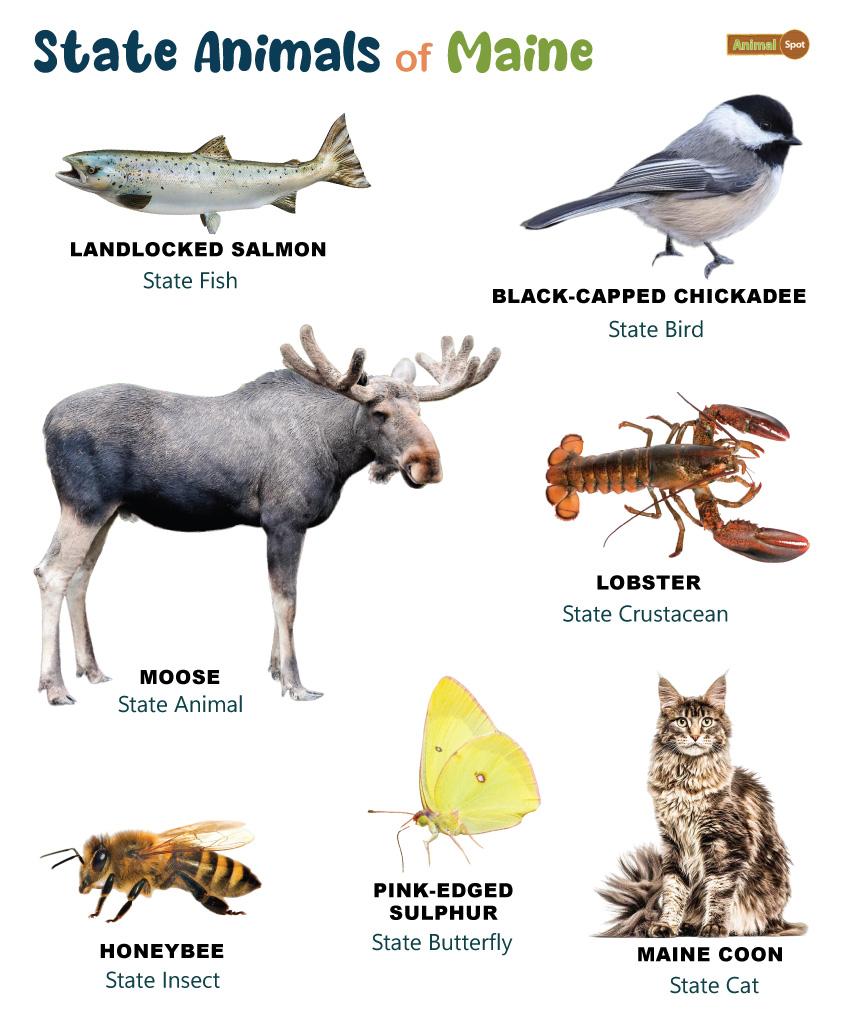
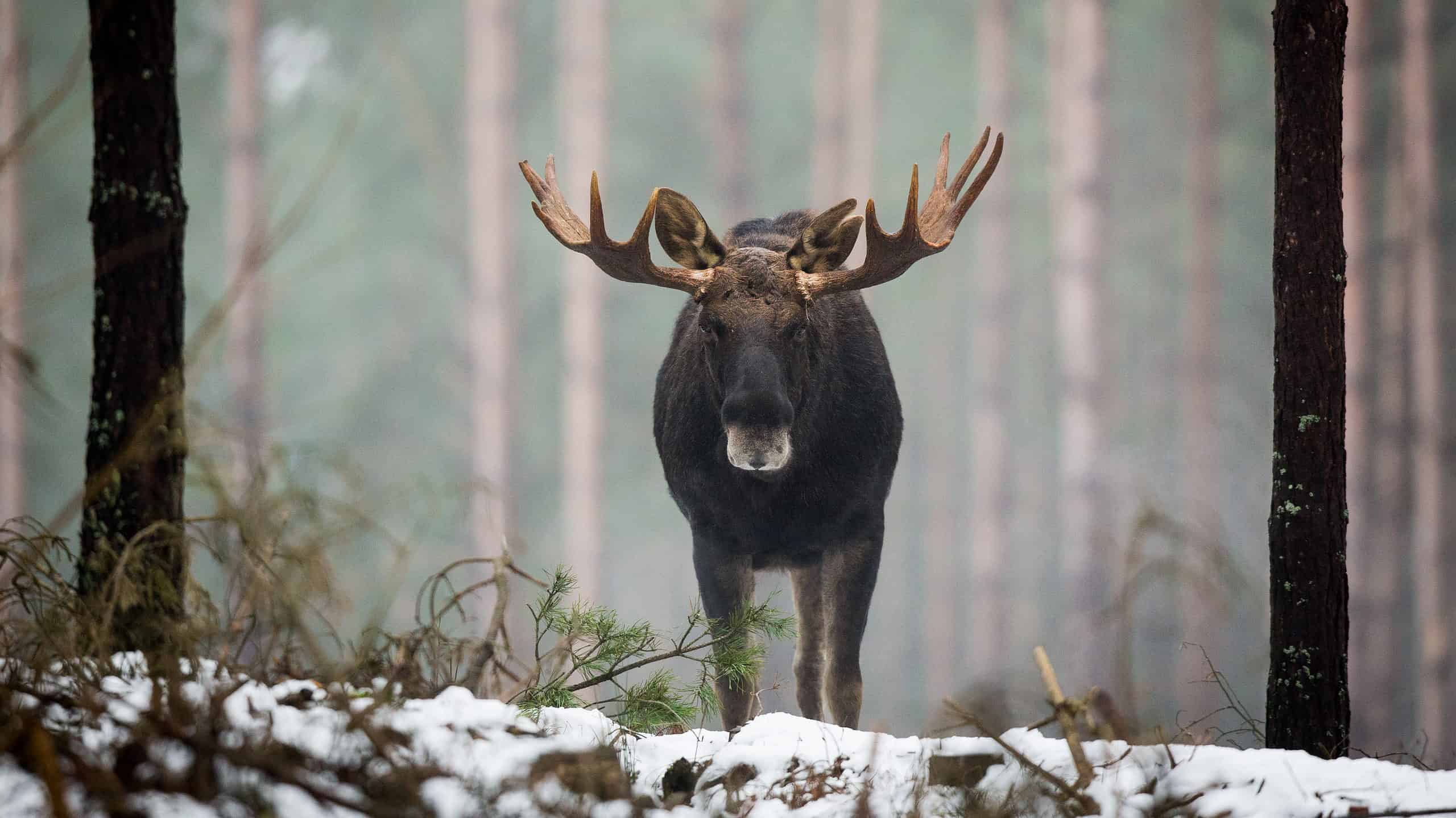
The official state animal of Maine is the moose (Alces alces). This magnificent creature is not merely a symbol; it represents the vast, untamed wilderness that characterizes much of the state. With their impressive size, imposing antlers, and a calm, yet powerful presence, moose are a testament to the rich biodiversity that Maine continues to protect.

Why the Moose? Symbolism and Significance
The selection of the moose as Maine‘s state animal is deeply rooted in its ecological importance and its iconic status within the state’s landscape. Moose are the largest members of the deer family, and their presence is synonymous with the extensive boreal forests and wetlands that cover a significant portion of Maine.
- Ecological Keystone: Moose play a crucial role in their environment. Their browsing habits can influence forest composition and structure, creating diverse habitats that support other wildlife. They are a vital part of the food chain, and their health is often an indicator of the overall health of the ecosystem.
- Cultural Icon: For generations, the moose has been a figure of awe and respect for the indigenous peoples of the region, as well as for early settlers and modern-day residents. They are frequently depicted in local art, folklore, and tourism materials, symbolizing the wild, rugged, and natural beauty of Maine.
- A Measure of Wilderness: The thriving populations of moose in Maine are often seen as a direct reflection of the state’s commitment to conservation and the preservation of its natural resources. Areas with healthy moose populations typically possess large, contiguous tracts of undeveloped land, including forests and wetlands.
Habitat and Distribution in Maine
The moose is ideally suited to the environment found in Maine. These large herbivores prefer areas with abundant vegetation, particularly deciduous trees, shrubs, and aquatic plants.
-
Preferred Habitats:
- Boreal Forests: The extensive conifer and mixed forests of northern and central Maine provide ample food and shelter. Young forests, created by natural disturbances like logging or wildfires, are particularly attractive as they offer fresh, new growth.
- Wetlands and Marshes: Moose are known to frequent swamps, bogs, and the edges of lakes and rivers. They feed on aquatic vegetation during the warmer months, which provides essential nutrients and helps them stay cool.
- Edge Habitats: The transition zones between different types of vegetation, such as forests bordering meadows or wetlands, offer a diverse range of food sources.
-
Geographic Distribution: While moose can be found throughout the state, they are most prevalent in the northern, eastern, and western regions of Maine, areas characterized by large undeveloped wilderness. Notably, the Moosehead Lake region, Maine’s largest lake, is a particularly renowned area for moose sightings.
Experiencing the Moose in its Natural Environment
For visitors and residents alike, encountering a moose in the wild is a memorable and often profound experience. Maine offers numerous opportunities to observe these magnificent animals, provided one approaches with respect and caution.
Best Places and Times for Moose Sightings
Observing moose requires patience and an understanding of their behavior and habitat.
-
Prime Locations:
- Northern Maine: The vast wilderness areas around Allagash Wilderness Waterway, Baxter State Park, and the North Maine Woods are prime moose territory. These regions are less populated and feature extensive forests and wetlands.
- Central and Western Maine: Areas surrounding Moosehead Lake, Rangeley Lakes Region, and the Kennebec Valley also offer excellent opportunities.
- Roadsides: Early mornings and late evenings are often the best times to spot moose along less-traveled rural roads, particularly those that traverse wetlands or young forests.
-
Optimal Timing:
- Dawn and Dusk: Moose are most active during the crepuscular hours of dawn and dusk, when they forage for food.
- Fall Mating Season (Rut): During the fall rut, typically in late September and October, bull moose can be more vocal and visible as they search for cows.
- Spring Thaw: In the spring, as snow melts and new vegetation emerges, moose often venture to roadside areas to feed on the fresh growth.
Responsible Wildlife Viewing
When seeking out moose, it is paramount to prioritize their safety and well-being, as well as your own.
- Maintain Distance: Always observe moose from a safe distance. They are wild animals, and unexpected encounters can be dangerous. A general rule is to maintain at least 100 yards (about 90 meters).
- Never Feed Moose: Feeding wild animals can lead to unnatural behaviors, dependency, and the transmission of diseases. It is illegal and harmful to feed moose.
- Drive with Caution: Be especially vigilant when driving in areas known for moose activity, particularly at dawn and dusk. The speed limit should be reduced, and drivers should be prepared to stop suddenly.
- Respect Their Space: Avoid startling or cornering a moose. If an animal appears agitated or defensive, slowly back away.
- Photography Etiquette: Use telephoto lenses for close-up shots. Never approach a moose for a photograph.
Conservation Efforts and the Future of Moose in Maine
The presence of a healthy moose population in Maine is a result of dedicated conservation efforts and sound wildlife management practices. The Maine Department of Inland Fisheries and Wildlife plays a vital role in monitoring moose populations, conducting research, and implementing strategies to ensure their long-term survival.
Challenges and Threats
Despite conservation successes, moose populations face ongoing challenges.
- Habitat Loss and Fragmentation: Development and land-use changes can reduce the availability of suitable moose habitat, leading to increased encounters with human infrastructure and potential dangers.
- Climate Change: Changing weather patterns and increased frequency of extreme events can impact food availability and increase stress on moose populations.
- Parasites and Diseases: Winter ticks, for example, can have a significant impact on moose health, particularly on young animals, leading to anemia and starvation.
- Human-Wildlife Conflicts: Vehicle collisions are a serious concern, posing a risk to both drivers and moose.
Management and Conservation Strategies
The state employs various strategies to manage and protect its moose population.
- Population Monitoring and Research: Regular surveys and studies help wildlife biologists understand population dynamics, health, and reproductive success, informing management decisions.
- Habitat Management: Efforts are made to conserve and restore critical moose habitats, including forests and wetlands, often in collaboration with landowners and conservation organizations like the The Nature Conservancy.
- Vehicle Collision Mitigation: Public awareness campaigns and the implementation of warning signs in high-risk areas aim to reduce the incidence of vehicle-moose collisions.
- Hunting Seasons: Carefully managed hunting seasons, based on scientific data, help to regulate moose populations and ensure their sustainability. These permits are highly sought after and are a significant part of Maine’s wildlife management.
Beyond the Symbol: The Moose’s Role in Maine’s Identity
The moose is more than just an animal on a state flag; it is intrinsically woven into the fabric of Maine’s identity and its appeal as a travel destination.
Tourism and Economic Impact
The majestic moose draws visitors from around the world who are eager to experience the wilderness and catch a glimpse of this iconic animal.
- Moose-Watching Tours: Many outfitters and guides in areas like Greenville and The Forks offer specialized moose-watching tours, providing expert knowledge and safe viewing opportunities.
- Outdoor Recreation: The presence of moose enhances the appeal of Maine’s vast natural landscapes for activities such as hiking, canoeing, and wildlife photography.
- Local Economy: The interest in moose contributes to the local economy through tourism-related businesses, including lodges, inns, and outdoor equipment suppliers.
Cultural Resonance
The moose’s influence extends into Maine’s cultural landscape.
- Art and Literature: The image of the moose is a recurring motif in Maine art, crafts, and literature, reflecting its deep connection to the state’s heritage.
- Festivals and Events: While not as prevalent as lobster festivals, events and communities sometimes celebrate the moose, further cementing its place in the state’s collective consciousness.
In conclusion, the moose, as Maine’s state animal, embodies the wild, rugged, and breathtaking natural beauty of the Pine Tree State. Its continued presence is a testament to Maine’s commitment to conservation, offering both a vital ecological component and a captivating draw for those seeking to connect with nature’s grandeur.
LifeOutOfTheBox is a participant in the Amazon Services LLC Associates Program, an affiliate advertising program designed to provide a means for sites to earn advertising fees by advertising and linking to Amazon.com. Amazon, the Amazon logo, AmazonSupply, and the AmazonSupply logo are trademarks of Amazon.com, Inc. or its affiliates. As an Amazon Associate we earn affiliate commissions from qualifying purchases.