
When you think of the Empire State, images of the bustling streets of New York City, the majestic Niagara Falls, or the serene beauty of the Adirondack Mountains might immediately come to mind. However, beyond these iconic landmarks and vast natural landscapes lies a rich tapestry of state symbols, each chosen to represent a facet of New York’s identity. Among these, the state animal holds a special place, symbolizing the character, history, and natural heritage of the Empire State. While often overlooked in favor of more prominent attractions, understanding the state animal offers a unique glimpse into the values and natural world that define New York.

The designation of a state animal is more than just an arbitrary choice; it’s a deliberate act reflecting a state’s natural heritage and often, its historical significance. These symbols can inspire conservation efforts, educate the public about local wildlife, and foster a sense of pride in the natural environment. For New York, a state renowned for its diverse ecosystems, from the Atlantic coast to the Great Lakes, the selection of its official animal carries particular weight. It speaks to the wildlife that has roamed its lands for centuries and continues to be an integral part of its natural story.
This exploration into New York’s state animal will delve into its identity, its ecological importance within the state, and the reasons behind its official designation. We will also touch upon how this creature intersects with New York’s tourism and the broader lifestyle it represents, offering insights for travelers and residents alike.
The Unveiling: New York’s Official State Animal
After much deliberation and public interest, New York officially recognized its state animal in 1976. The chosen creature is none other than the American Beaver (Castor canadensis). This industrious mammal, known for its remarkable engineering skills and its profound impact on riparian ecosystems, was selected to represent the Empire State.
A Symbol of Industry and Resilience
The choice of the American Beaver as New York’s state animal is far from coincidental. It embodies qualities that resonate deeply with the state’s history and character. Beavers are renowned for their tireless work ethic, their ability to transform their environment through dam construction, and their resilience in adapting to various habitats. These are traits that can be seen mirrored in the spirit of New York itself – a state built on innovation, perseverance, and the ability to shape and overcome challenges.
Historically, the beaver played a pivotal role in the early economy of New York. The lucrative fur trade, driven by the demand for beaver pelts in Europe, was a significant economic engine for the region during the colonial era. Fortunes were made and lost, and the pursuit of beaver pelts led to exploration and settlement across vast swathes of the continent, including what is now New York. This historical connection underscores the beaver’s deep roots in the state’s past and its contribution to its development.
Furthermore, the beaver’s ecological impact is undeniable. By building dams, beavers create wetlands, which are vital habitats for a multitude of other species, including fish, amphibians, birds, and insects. These wetlands also play a crucial role in water purification and flood control. Therefore, the beaver is not just a symbol of hard work, but also a keystone species, highlighting New York’s commitment to preserving its natural resources and biodiversity.
The Beaver’s Domain: Habitat and Ecology in New York
The American Beaver is a semi-aquatic rodent, perfectly adapted to life in and around freshwater environments. Its powerful jaws, sharp incisors, and webbed hind feet are testaments to its evolutionary success in these habitats. In New York, beavers can be found in a wide array of aquatic settings, including:
- Rivers and Streams: The most common habitat, where they build their iconic dams.
- Ponds and Lakes: Providing open water for foraging and escape from predators.
- Wetlands and Marshes: Offering abundant food sources and shelter.
Their engineering feats, the dams and lodges they construct, are not merely shelters but also integral to their survival and the health of the ecosystem. Beaver dams create backwaters that reduce water velocity, trap sediment, and raise the water table. This process transforms the landscape, creating diverse wetland habitats that support a rich array of flora and fauna. For instance, many bird species rely on beaver ponds for nesting and feeding, and fish populations often thrive in the calmer waters.
The presence of beavers in New York is a positive indicator of ecosystem health. Their decline in the past due to overhunting for fur led to significant habitat degradation. The return and sustained presence of beaver populations signify a healthier environment, with cleaner water and more robust natural habitats. This makes the beaver a fitting ambassador for New York’s commitment to environmental stewardship and conservation.
Beavers in the Broader New York Experience
While one might not see a beaver on every corner of Times Square or during a stroll through Central Park, their influence is felt across the state’s natural attractions. Areas like the Adirondack Park, with its countless lakes and waterways, are prime beaver territory. The conservation efforts in places like the Catskill Mountains and along the shores of Lake Ontario also indirectly benefit these industrious creatures.
For travelers interested in nature tourism and eco-adventures, spotting a beaver can be a highlight. Guided tours in state parks or wildlife refuges might offer opportunities to observe these animals in their natural habitat, often best seen at dawn or dusk. Understanding their behavior and the importance of their ecological role can significantly enrich a visitor’s experience, turning a simple nature walk into an educational expedition.
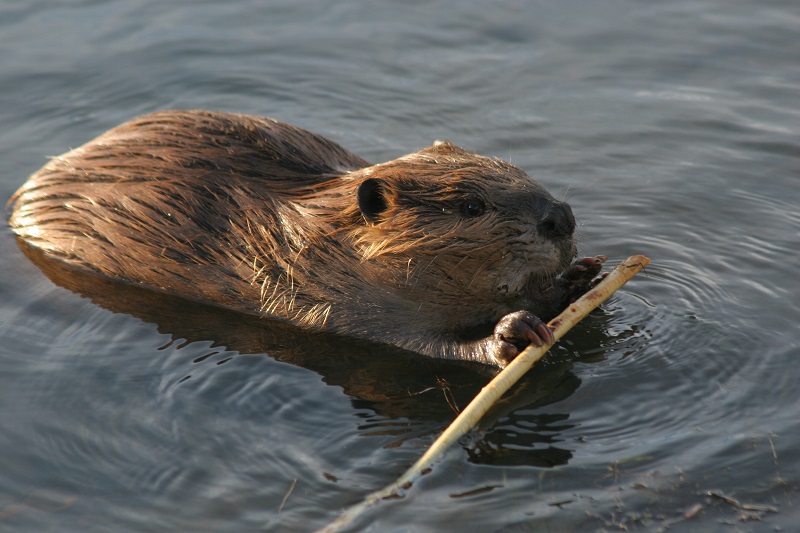
The American Beaver’s story in New York is one of ecological significance, historical importance, and enduring symbolism. It represents the industrious spirit, the transformative power of nature, and the ongoing commitment to preserving the natural beauty that defines the Empire State. Its designation as the state animal serves as a constant reminder of the wild heritage that coexists with the urban landscapes and technological advancements that also characterize New York.
The Empire State, a land of contrasts and enduring allure, boasts a rich natural heritage that is as varied as its bustling metropolises and serene countryside. From the iconic skyscrapers of New York City to the breathtaking vistas of the Adirondack Mountains, New York offers a kaleidoscope of experiences for every traveler. Yet, beyond the well-trodden paths of its famous attractions and luxurious accommodations, lies a deeper connection to the wild, embodied by its state symbols. Among these, the official state animal stands as a quiet yet profound representative of the state’s natural character and historical legacy. Understanding this symbol offers a unique perspective on what makes New York truly special, revealing the intricate balance between human endeavor and the untamed beauty that has shaped its identity for centuries.
The Unveiling: New York’s Official State Animal
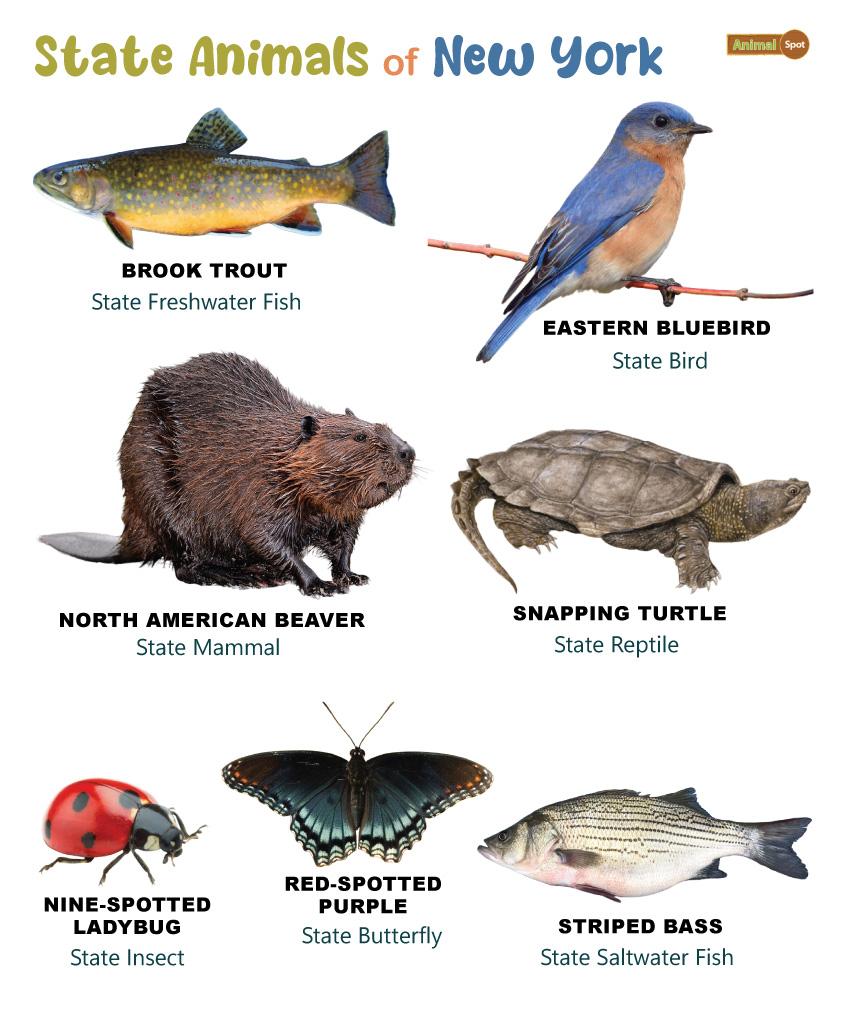
The year 1976 marked a significant moment for the natural heritage of New York when the American Beaver (Castor canadensis) was officially designated as the state animal. This choice was not arbitrary but was a deliberate recognition of a creature that has played a crucial role in the state’s ecological balance and historical development. The beaver, a master engineer of the waterways, perfectly encapsulates the industrious spirit and the transformative power of nature that are intrinsic to the Empire State.
A Symbol of Industry, Resilience, and Ecological Impact
The American Beaver was chosen for its strong symbolic resonance with the character of New York. Beavers are known for their unwavering dedication to building and modifying their environment, creating dams and lodges with remarkable ingenuity. This relentless work ethic and their ability to adapt and thrive in diverse aquatic settings mirror the very spirit that has driven the growth and resilience of New York throughout its history. The state, much like the beaver, has a narrative woven with innovation, perseverance, and the capacity to overcome challenges.
Historically, the beaver held immense economic importance for New York. The fur trade, particularly the demand for beaver pelts in Europe, was a cornerstone of the colonial economy. This lucrative industry not only fueled trade but also spurred exploration and settlement across the vast landscapes that now constitute New York, deeply embedding the beaver in the state’s foundational history.
Beyond its historical and symbolic value, the beaver is a keystone species, essential to the health of aquatic ecosystems. By constructing dams, beavers create wetlands, which are critical habitats supporting a wide array of plant and animal life, from fish and amphibians to a multitude of bird species. These wetlands also perform vital ecological services, including water purification and natural flood control. Thus, the beaver represents not only hard work but also the intricate interconnectedness of nature and New York’s commitment to preserving its rich biodiversity. The presence of a healthy beaver population is a strong indicator of a thriving natural environment, a testament to the state’s ongoing conservation efforts.
The Beaver’s Domain: Habitat and Ecology in New York
The American Beaver is a marvel of adaptation, uniquely suited for a semi-aquatic existence. Its powerful jaws and large incisors are perfect for felling trees and gnawing through tough vegetation, while its broad, webbed hind feet provide efficient propulsion in the water. In New York, these industrious mammals inhabit a diverse range of freshwater environments, demonstrating their adaptability and widespread presence across the state’s natural landscapes.
Their preferred habitats include:
- Rivers and Streams: These flowing waterways are ideal for the construction of their characteristic dams, which create the stiller waters necessary for their lodges and foraging.
- Ponds and Lakes: Providing ample open water for easy navigation, escape from predators, and access to food sources.
- Wetlands and Marshes: These areas offer abundant vegetation for food and building materials, as well as sheltered environments.
The construction of beaver dams is a remarkable feat of natural engineering. These structures slow down water flow, creating ponds that raise the water table and reduce erosion. This process transforms the landscape, fostering the development of diverse wetland ecosystems. These beaver-created wetlands serve as crucial nurseries for fish, provide essential breeding grounds for waterfowl, and offer feeding and resting spots for migratory birds, significantly enhancing the biodiversity of New York’s natural areas.
The ecological role of the beaver underscores its importance as a symbol for New York. Their presence signifies healthy waterways and robust ecosystems, reflecting the state’s dedication to environmental conservation. The beaver’s resilience, from historical overexploitation to its current status as a protected species, mirrors the broader narrative of conservation and ecological recovery in New York.
Beavers in the Broader New York Experience
While the American Beaver may not be as visible as the Empire State Building or as widely sought after as a Broadway show, its influence is woven into the fabric of New York’s natural attractions. The vast wilderness of the Adirondack Park, with its pristine lakes and winding rivers, is a prime habitat for these industrious animals. Similarly, conservation initiatives in regions like the Catskill Mountains and along the shores of Lake Ontario contribute to the preservation of the beaver’s natural environment.
For those drawn to nature tourism, wildlife photography, and eco-friendly travel experiences, observing a beaver in its natural habitat can be an unforgettable encounter. Many state parks and wildlife refuges in New York offer opportunities for guided tours or designated viewing areas where visitors might catch a glimpse of these fascinating creatures, most active during the twilight hours of dawn and dusk. Learning about the beaver’s ecological significance and unique behaviors can transform a simple outing into an enriching educational journey, deepening one’s appreciation for New York’s natural world.
The narrative of the American Beaver in New York is a compelling one, intertwining ecological importance, historical significance, and enduring symbolism. It stands as a testament to the industrious spirit, the profound impact of nature’s architects, and the state’s ongoing commitment to safeguarding its natural beauty. Its designation as the state animal serves as a constant reminder of the wild heritage that thrives alongside the urban dynamism and technological marvels that also define New York. Whether you’re exploring the luxury resorts of the Catskills, planning a family trip to the Adirondacks, or seeking budget-friendly adventures, the beaver’s story adds another layer of appreciation to the diverse tapestry of the Empire State.
LifeOutOfTheBox is a participant in the Amazon Services LLC Associates Program, an affiliate advertising program designed to provide a means for sites to earn advertising fees by advertising and linking to Amazon.com. Amazon, the Amazon logo, AmazonSupply, and the AmazonSupply logo are trademarks of Amazon.com, Inc. or its affiliates. As an Amazon Associate we earn affiliate commissions from qualifying purchases.