
The rugged, diverse landscapes of Idaho offer a spectacular backdrop for birdwatchers and nature enthusiasts alike. From the jagged peaks of the Sawtooth Mountains to the expansive depths of Hells Canyon, the state is a haven for avian biodiversity. Central to the identity of the Gem State is its official state bird, the Mountain Bluebird, a creature that embodies the spirit of the American West with its striking sapphire plumage and resilient nature.
The Mountain Bluebird: An Icon of the Gem State
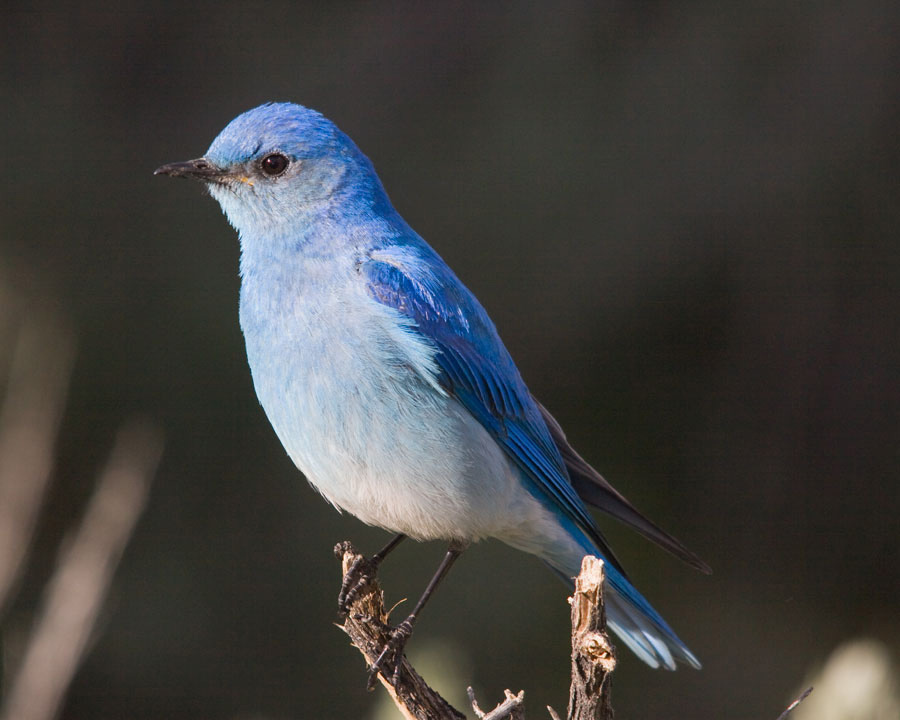
The Mountain Bluebird (Sialia currucoides) was officially adopted as the state bird of Idaho by the state legislature in 1931. This selection was far from arbitrary; the bird represents the clear, expansive skies and the untamed wilderness that define the region. Unlike many other species that prefer deep, dense forests, the Mountain Bluebird thrives in the high-altitude, open environments that characterize much of the Rocky Mountains range.
Characteristics and Appearance
The male Mountain Bluebird is unmistakable, boasting a vibrant, sky-blue color that appears almost iridescent under the high-altitude sun. The female is more subtly colored, typically featuring shades of gray-brown with hints of blue in her wings and tail. This sexual dimorphism is a hallmark of the species, allowing them to remain camouflaged during nesting while still displaying the brilliant coloration required for mating rituals in the open meadows of Idaho.
Habitat and Behavioral Patterns
You are most likely to encounter these birds in open areas such as mountain meadows, grasslands, and forest edges. They are secondary cavity nesters, meaning they do not excavate their own holes. Instead, they rely on existing crevices in trees or old woodpecker holes. In areas where natural cavities are scarce, conservationists and nature enthusiasts in Boise and Sun Valley often install nest boxes, which the birds readily occupy, helping to bolster local populations throughout the summer months.
Birdwatching Destinations Across Idaho
For travelers eager to spot the state bird and other indigenous species, Idaho offers a network of prime locations that showcase the state’s natural beauty. Whether you are trekking through the Bitterroot Range or exploring the riparian corridors near the Snake River, the opportunities for avian observation are endless.
The Importance of the Snake River Plain
The Snake River provides a vital migratory corridor for a multitude of birds. While the Mountain Bluebird prefers higher elevations, the surrounding riparian zones are essential for migratory species. Visitors traveling through Twin Falls often find that the juxtaposition of arid desert landscapes and lush river valleys creates a unique micro-ecosystem that supports year-round bird activity.

High-Altitude Birding in the Sawtooth National Forest
If you are planning a trip to the Sawtooth National Forest, you are entering the heart of Mountain Bluebird territory. During the late spring and early summer, these birds are highly active, feeding on insects in the open mountain pastures. The crisp, clean air and the relative isolation of areas near Stanley provide an ideal environment for quiet observation. As a visitor, maintaining distance is crucial; the birds are sensitive to disturbances near their nesting sites, especially during the peak breeding season.
Seasonal Shifts and Migration
One of the most common questions regarding the Mountain Bluebird is whether they remain in Idaho throughout the harsh winter months. As a migratory species, most Mountain Bluebirds head to lower elevations or further south when the temperatures drop and food sources like insects become scarce.
Summer Residency
From April through September, Idaho serves as the primary breeding ground for these birds. During this window, you will witness the peak of their activity. They are incredibly beneficial to the local ecosystem, consuming a large number of grasshoppers, beetles, and other insects that might otherwise become pests in agricultural zones like the Treasure Valley.
Winter Retreats
As autumn takes hold, the vibrant blue plumage of the mountains retreats toward the Pacific Coast or deeper into the southern United States. While they are occasionally sighted in lower, protected valleys during milder winters, their absence from the high peaks of the Clearwater Mountains signals the arrival of the deep freeze. This seasonal movement is a fascinating aspect of their ecology, illustrating the adaptive strategies required to survive in the rugged terrain of the American West.
Promoting Conservation and Ethical Observation
Observing the Mountain Bluebird and other native wildlife is a privilege that comes with the responsibility of preservation. Idaho is deeply committed to maintaining the health of its natural landscapes, and visitors play a significant role in this effort.
Responsible Tourism Practices
- Keep Your Distance: Use binoculars or telephoto lenses to view the birds. Approaching a nest too closely can cause the parents to abandon their young.
- Stay on Marked Trails: In popular areas like Craters of the Moon National Monument, staying on paths prevents the destruction of fragile ground-nesting vegetation.
- Leave No Trace: Ensure that all trash is packed out. Litter not only ruins the pristine aesthetic of the Salmon River but can also be lethal to local wildlife.
Supporting Local Initiatives
Organizations throughout the state work tirelessly to manage bird habitats. Whether you are visiting Coeur d’Alene or traversing the high deserts of Eastern Idaho, supporting local conservation programs helps ensure that the Mountain Bluebird remains a symbol of the state for generations to come. By choosing eco-conscious tour operators and respecting the wildlife refuges, you contribute directly to the longevity of these beautiful avian populations.

Conclusion: An Enduring Symbol
The Mountain Bluebird is more than just a colorful inhabitant of the Rocky Mountains; it is a reflection of the enduring wildness of Idaho. Its presence in the high meadows and its resilience in the face of varying climates mirror the values of the people who call this state home. For those traveling to the Gem State, taking the time to look upward and appreciate the flash of brilliant blue against a backdrop of Cascade Range foothills is an essential part of the experience.
Whether you are an avid birder with a high-end spotting scope or a casual traveler enjoying a hike near Ketchum, the Mountain Bluebird serves as a constant reminder of the fragile, interconnected web of life that makes Idaho one of the most remarkable destinations in the world. As you traverse the forests, rivers, and mountains of this vast state, let the state bird be your guide to a deeper connection with the natural world.
LifeOutOfTheBox is a participant in the Amazon Services LLC Associates Program, an affiliate advertising program designed to provide a means for sites to earn advertising fees by advertising and linking to Amazon.com. Amazon, the Amazon logo, AmazonSupply, and the AmazonSupply logo are trademarks of Amazon.com, Inc. or its affiliates. As an Amazon Associate we earn affiliate commissions from qualifying purchases.