
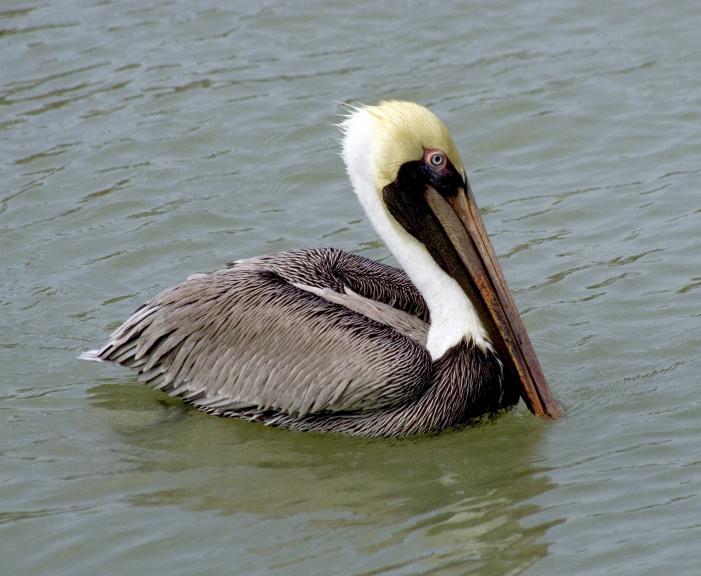
When exploring the vibrant landscapes of the Deep South, specifically the unique bayous and coastal marshes of Louisiana, travelers often find themselves captivated by the local fauna. The state bird of this culturally rich region is the Brown Pelican, a creature that serves as both a symbol of resilience and an iconic figure within the natural tapestry of the American South. Known for its distinct appearance and remarkable hunting prowess, the Brown Pelican represents the spirit of the Gulf Coast, echoing the history and endurance of the people who call this humid, lush territory home.
The Cultural Significance of the Brown Pelican
The designation of the Brown Pelican as the state bird of Louisiana is deeply rooted in the history and folklore of the region. Long before it was officially codified as a symbol of the state, the pelican was associated with self-sacrifice and devotion. In various mythologies, the pelican was believed to feed its young with its own blood during times of scarcity, a narrative that resonated with early settlers and locals who valued community, family, and the strength to survive against the elements.
A Symbol on the State Flag
The image of the pelican is not limited to bird-watching guides or wildlife preserves; it is etched into the very identity of the state by appearing on the Louisiana State Flag. The flag depicts a mother pelican in her nest, tearing at her breast to feed her young, accompanied by the state motto: “Union, Justice, Confidence.” This imagery captures the essence of the bird as a provider, solidifying its place in the daily lives of residents from the bustling streets of New Orleans to the quiet, moss-draped swamps of Lafayette.
Historical Adoption
While the bird has been a fixture of local symbolism for centuries, the formal adoption occurred in the mid-20th century. By selecting the Brown Pelican, the state legislature aimed to honor the bird’s tenacity, particularly given its recovery from environmental challenges that threatened its population in the late 20th century. Today, seeing these majestic birds glide over the waters of the Gulf of Mexico is a testament to conservation efforts and the enduring natural heritage of the region.
Natural History and Behavior of the Pelican
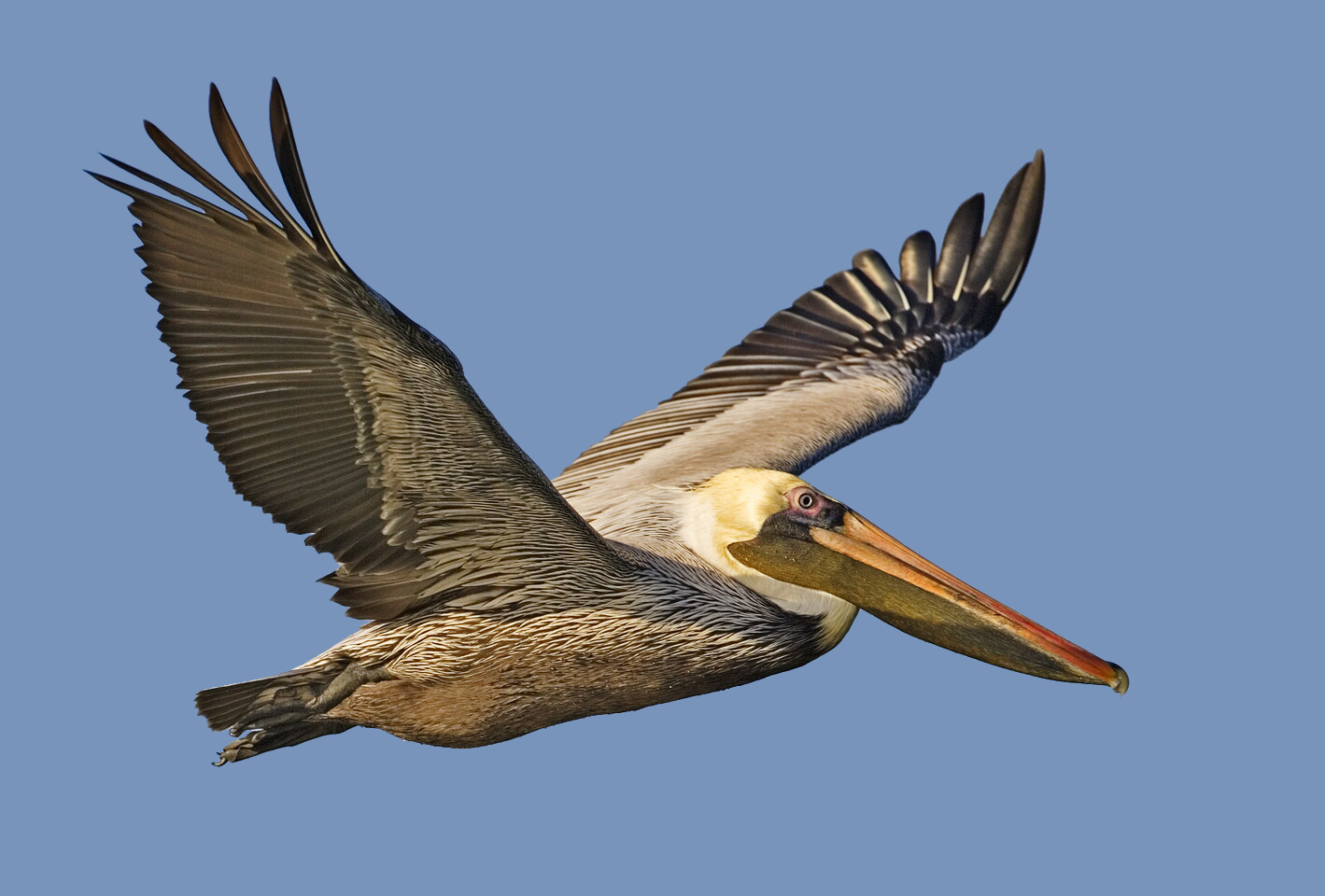
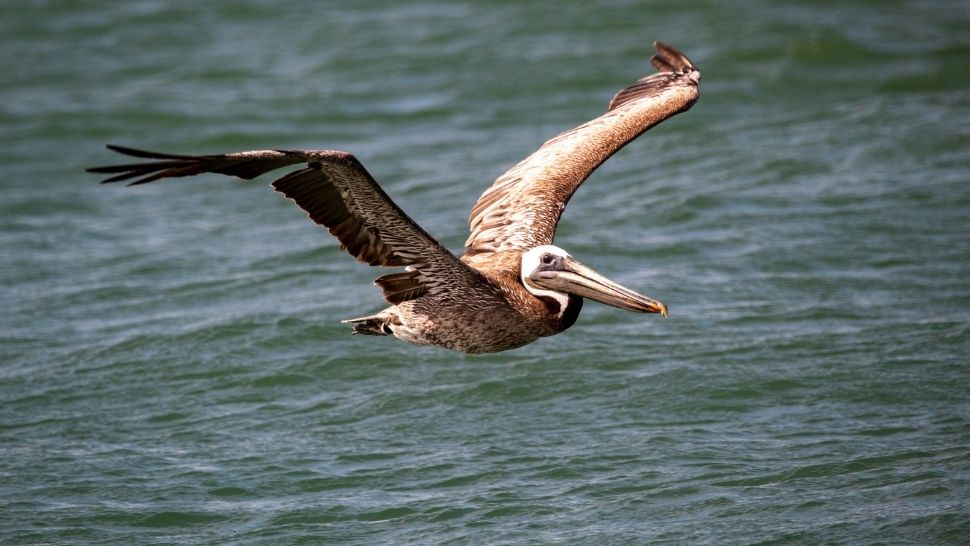
To understand why this bird is such a fitting emblem for Louisiana, one must observe its behavior in the wild. The Brown Pelican is a master of the coastal environment. Unlike many other seabirds that soar high above the horizon, the pelican typically flies low over the water, skimming the surface to minimize energy expenditure while scouting for schools of fish.
Remarkable Feeding Techniques
The most iconic feature of the Brown Pelican is its throat pouch. When a pelican spots prey, it performs a dramatic, high-speed dive, entering the water with its bill open. This maneuver can look clumsy to the uninitiated, but it is an evolutionary masterpiece. Upon surfacing, the bird drains the water from its pouch, leaving only the fish behind. This efficiency is why the pelican remains one of the most successful predators along the coastal reaches of North America.
Habitat and Range
The preferred habitat of the Brown Pelican spans the saltwater marshes, lagoons, and sandy beaches that define the Mississippi Delta. During a visit to Grand Isle, bird watchers and nature photographers often witness these birds congregating on piers or nesting in the protected mangrove areas. They are highly social creatures, often nesting in colonies that can grow quite large, provided the environment remains pristine and rich in food sources.
Wildlife Tourism and Birding in the Bayou State
For those traveling to Louisiana with a keen interest in ornithology, the state offers unparalleled opportunities to observe the Brown Pelican in its natural setting. Birding has become a significant component of local tourism, drawing visitors to various national wildlife refuges and state parks.
Top Spots for Pelican Sightings
If you are planning an itinerary, several locations are essential for catching a glimpse of the state bird. The Sabine National Wildlife Refuge provides a vast expanse of wetlands where migratory birds and resident pelicans interact in a stunning display of biodiversity. Similarly, the coastal regions near Lake Charles offer quiet inlets where pelicans are frequently seen perched on navigation markers or diving for breakfast in the early morning light.
Tips for Responsible Bird Watching
Travelers are encouraged to practice ethical wildlife observation to ensure that the Brown Pelican and other local species remain undisturbed. Key recommendations include:
- Keep your distance: Use binoculars or telephoto lenses to observe birds without encroaching on their nesting sites.
- Respect the environment: Do not leave waste behind, as litter—particularly fishing line—poses a severe threat to coastal birds.
- Time it right: Dawn and dusk are generally the most active times for feeding, providing the best photographic opportunities.
Environmental Conservation and the Future
The story of the Brown Pelican in Louisiana is also a story of environmental resilience. In the 1960s and 70s, the species faced near-extirpation in the state due to the widespread use of pesticides like DDT, which thinned their eggshells. Through state-led conservation programs, including successful reintroduction efforts from neighboring regions like Florida, the population made a spectacular comeback.
Protecting the Wetlands
The survival of the Brown Pelican is inextricably linked to the health of the Louisiana wetlands. These ecosystems act as nurseries for the fish that the pelicans rely on, and they provide the essential nesting grounds for colonies to thrive. As travelers explore the Atchafalaya Basin, they are seeing firsthand the importance of land preservation. Supporting ecotourism and local conservation initiatives is a direct way for visitors to contribute to the ongoing protection of this beautiful creature.
The Bird as a Modern Icon
Today, the Brown Pelican is more than just a biological specimen; it is a cultural icon that represents the wild, untamed beauty of the American coast. Whether you are enjoying a boat tour through the swamps or simply walking along the shores of the Gulf Coast, the sight of a pelican diving into the water serves as a reminder of the delicate balance between nature and civilization.
As you navigate the unique geography of Louisiana, keep your eyes on the horizon. The presence of the Brown Pelican is a constant, reassuring signal that you are in the heart of the bayou, surrounded by one of the most distinctive and resilient ecosystems on the planet. From the historic districts of Baton Rouge to the furthest reaches of the barrier islands, the state bird remains a proud emblem of a land defined by water, wind, and wonder.
LifeOutOfTheBox is a participant in the Amazon Services LLC Associates Program, an affiliate advertising program designed to provide a means for sites to earn advertising fees by advertising and linking to Amazon.com. Amazon, the Amazon logo, AmazonSupply, and the AmazonSupply logo are trademarks of Amazon.com, Inc. or its affiliates. As an Amazon Associate we earn affiliate commissions from qualifying purchases.