
The Great Plains state of North Dakota is a land of wide-open spaces, rich history, and diverse natural beauty. From the rugged badlands to the sprawling prairies, its landscapes are home to a fascinating array of wildlife. Understanding the state’s natural heritage often begins with recognizing its official symbols, among which the state bird holds a special place. For North Dakota, this honor belongs to a bird that embodies the spirit of the prairie, a creature known for its distinctive song and its adaptation to the challenging yet rewarding environment.
The Proud Recognition of the Western Meadowlark
The Western Meadowlark was officially designated as the state bird of North Dakota on March 19, 1947. This choice was not arbitrary; it reflects a deep appreciation for the bird’s presence and its symbolic representation of the state’s natural character. The Western Meadowlark is a beloved fixture across much of western North America, but it holds particular significance for states like North Dakota, where its cheerful melody is a familiar sound during warmer months.
A Song of the Prairies
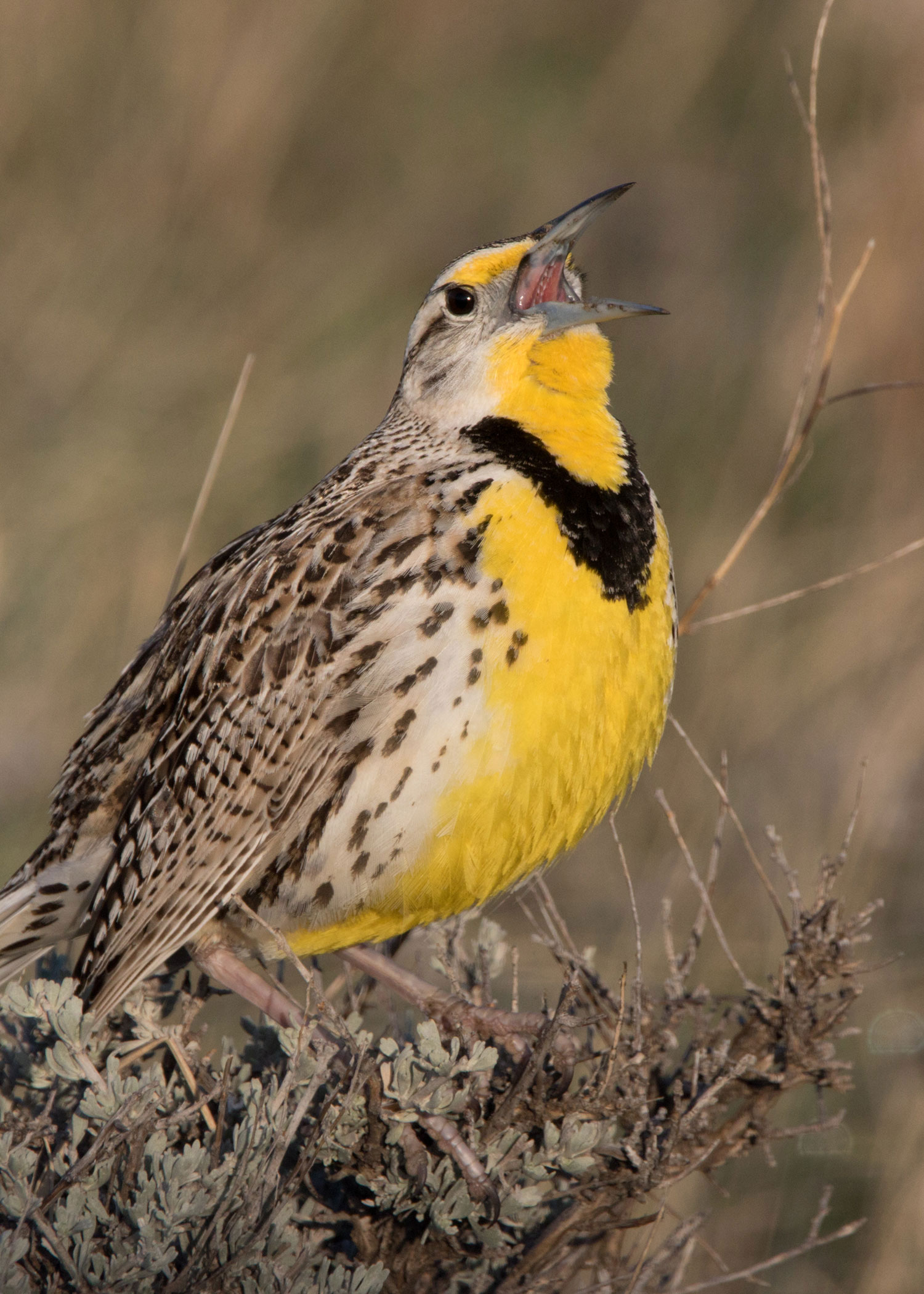
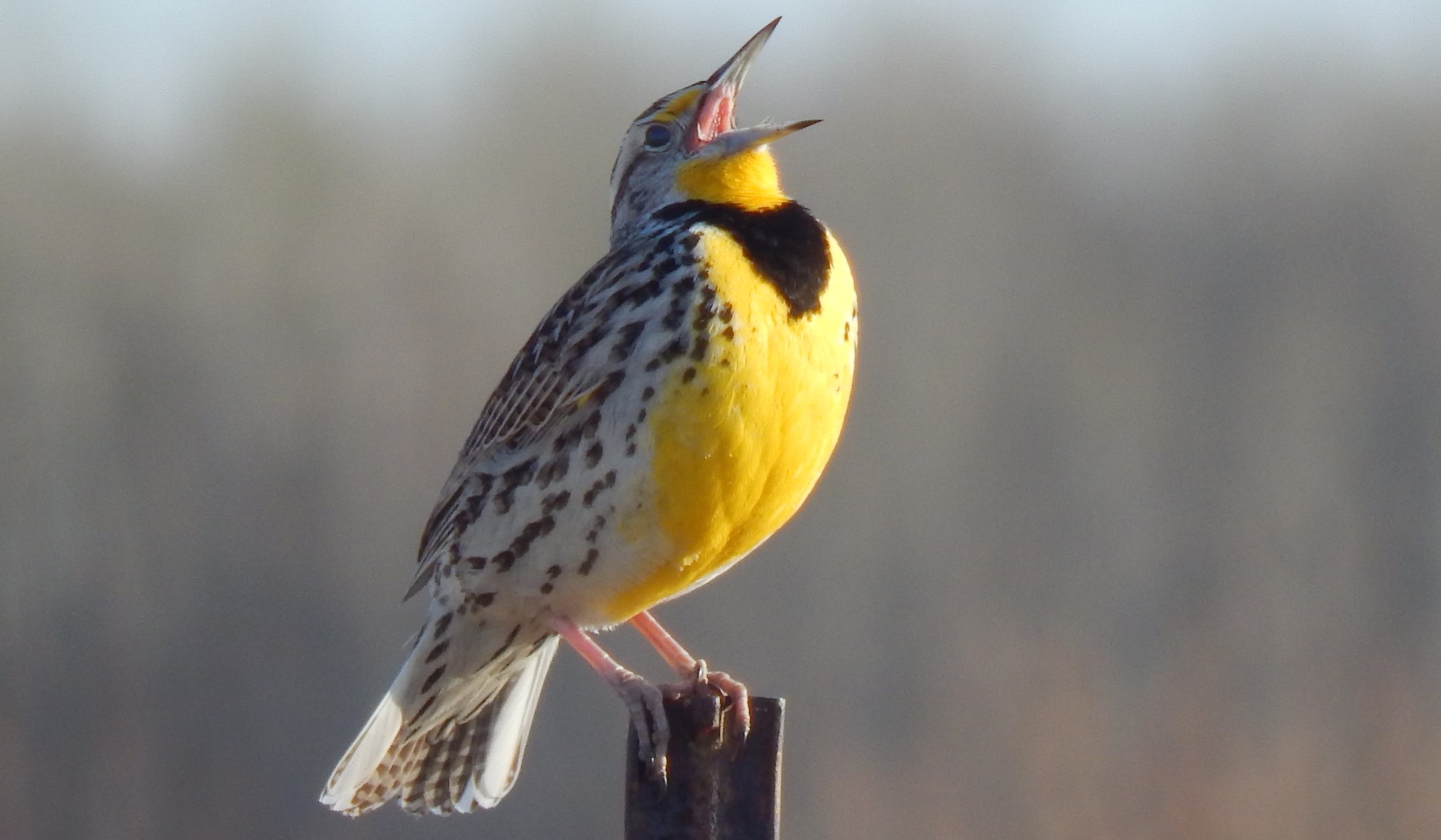
The most striking characteristic of the Western Meadowlark is its song. It is a rich, flutelike series of whistles, often described as pure and melodious. This distinctive vocalization is frequently heard at dawn and dusk, filling the air with a joyful sound that perfectly complements the vast, open landscapes of the Great Plains. For residents and visitors alike, the song of the Western Meadowlark has become an auditory symbol of the North Dakota prairie. Its presence evokes feelings of peace, freedom, and a connection to the natural world.
Physical Characteristics
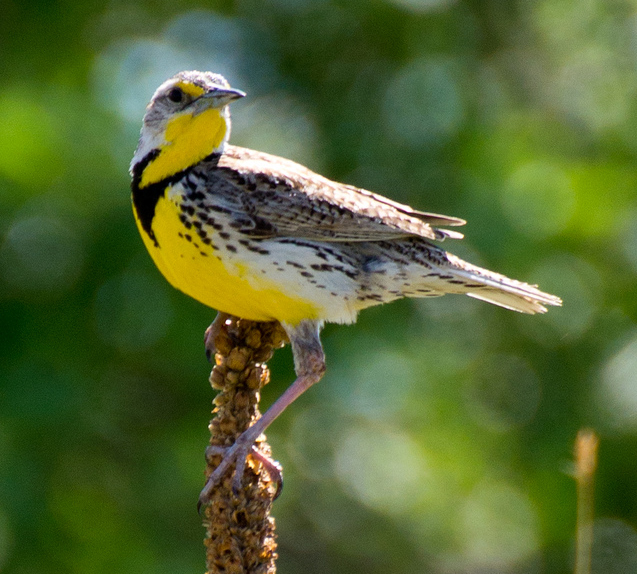
Beyond its song, the Western Meadowlark is easily identifiable by its physical appearance. It is a medium-sized songbird, measuring about 8 to 10 inches in length. Its back is streaked with brown and black, providing excellent camouflage against the earthy tones of its habitat. However, its most distinctive feature is its bright yellow breast, adorned with a prominent black “V” shape. This striking coloration makes it stand out against the backdrop of the prairie grasses and wildflowers. Both males and females share this coloration, though males tend to have slightly more vibrant markings. Their bills are long and pointed, adapted for foraging on insects and seeds found on the ground.
Habitat and Range
The Western Meadowlark thrives in open grasslands, meadows, agricultural fields, and prairies. These are precisely the types of landscapes that define much of North Dakota. They prefer areas with short to medium grasses, where they can easily spot insects and avoid predators. Their nests are typically built on the ground, cleverly concealed within dense vegetation. This preference for open, undisturbed habitats makes them a barometer of sorts for the health of the prairie ecosystem. As human development encroaches on natural lands, populations of grassland birds like the Western Meadowlark can be particularly vulnerable. Conservation efforts focused on preserving these open spaces are crucial for their continued presence in states like North Dakota.
Diet and Foraging Habits
The diet of the Western Meadowlark varies seasonally, reflecting the availability of food sources. During the warmer months, insects form a significant portion of their diet. They are adept at foraging on the ground, pecking at grasshoppers, beetles, ants, and caterpillars. As autumn approaches and winter sets in, their diet shifts to include more seeds and berries. Their long bills are well-suited for probing the soil and leaf litter for hidden insects and seeds. This adaptability in their diet allows them to survive through the changing seasons in North Dakota.
The Western Meadowlark in North Dakota’s Cultural Landscape
The designation of the Western Meadowlark as the state bird is more than just an ornithological fact; it is woven into the cultural fabric of North Dakota. It appears on state seals, educational materials, and in literature celebrating the state’s natural heritage. Its presence serves as a constant reminder of the beauty and resilience of the prairie ecosystem.
Connection to Agriculture and Rural Life
North Dakota is a state with a strong agricultural identity, and the Western Meadowlark’s habitat often overlaps with farmland and ranches. Farmers and ranchers frequently encounter these birds on their land, and their cheerful songs are a familiar soundtrack to rural life. This close association strengthens the bird’s connection to the state’s primary industries and the people who sustain them. The Western Meadowlark thus becomes a symbol of the land and the hard work that shapes it.
Symbolism and Identity
The Western Meadowlark embodies several qualities that resonate with the spirit of North Dakota and its people. Its resilience in the face of harsh weather, its ability to thrive in wide-open spaces, and its cheerful disposition despite challenging conditions are all traits that can be seen reflected in the state’s history and its inhabitants. It represents a sense of optimism and enduring spirit, a constant presence that brings a touch of beauty to the expansive skies.
Discovering the Western Meadowlark in North Dakota
For travelers and nature enthusiasts visiting North Dakota, seeking out the Western Meadowlark can be a rewarding experience. While they are widespread, certain areas offer prime opportunities for observation.
Prime Locations for Birdwatching
The open prairies of western North Dakota, particularly in areas like the Theodore Roosevelt National Park and its surrounding public lands, are excellent places to spot Western Meadowlarks. Driving along scenic byways such as the Enchanted Highway or exploring state parks like Lake Sakakawea State Park often provides opportunities to hear their distinctive calls. Early morning and late afternoon are typically the best times for bird activity and song.
Conservation and Appreciation
Understanding and appreciating the Western Meadowlark also means supporting conservation efforts that protect its natural habitat. Organizations dedicated to wildlife conservation and land preservation play a vital role in ensuring that this iconic bird continues to grace the skies of North Dakota for generations to come. Visitors can contribute by respecting natural areas, staying on marked trails, and refraining from disturbing wildlife. Learning more about the bird’s ecology and conservation status can deepen one’s appreciation for this significant state symbol. The Audubon Society and local birdwatching groups are excellent resources for learning more about the Western Meadowlark and its role in the North Dakota ecosystem.
In conclusion, the Western Meadowlark stands as a proud emblem of North Dakota, embodying the spirit of its prairies, the resilience of its people, and the enduring beauty of its natural landscapes. Its melodious song is a cherished soundtrack to the state, a constant reminder of the wild heart that beats within its borders.
LifeOutOfTheBox is a participant in the Amazon Services LLC Associates Program, an affiliate advertising program designed to provide a means for sites to earn advertising fees by advertising and linking to Amazon.com. Amazon, the Amazon logo, AmazonSupply, and the AmazonSupply logo are trademarks of Amazon.com, Inc. or its affiliates. As an Amazon Associate we earn affiliate commissions from qualifying purchases.