
The heart of any state often beats strongest in its capital city, a nexus of government, culture, and history. For the vast state of Nebraska, that pivotal point is Lincoln. Far more than just the seat of government, Lincoln offers a vibrant tapestry of attractions, a rich historical narrative, and a burgeoning cultural scene that makes it a compelling destination for travelers and history enthusiasts alike. Understanding Lincoln is to understand a significant facet of the Nebraska experience.
Lincoln: A Hub of Government and Culture
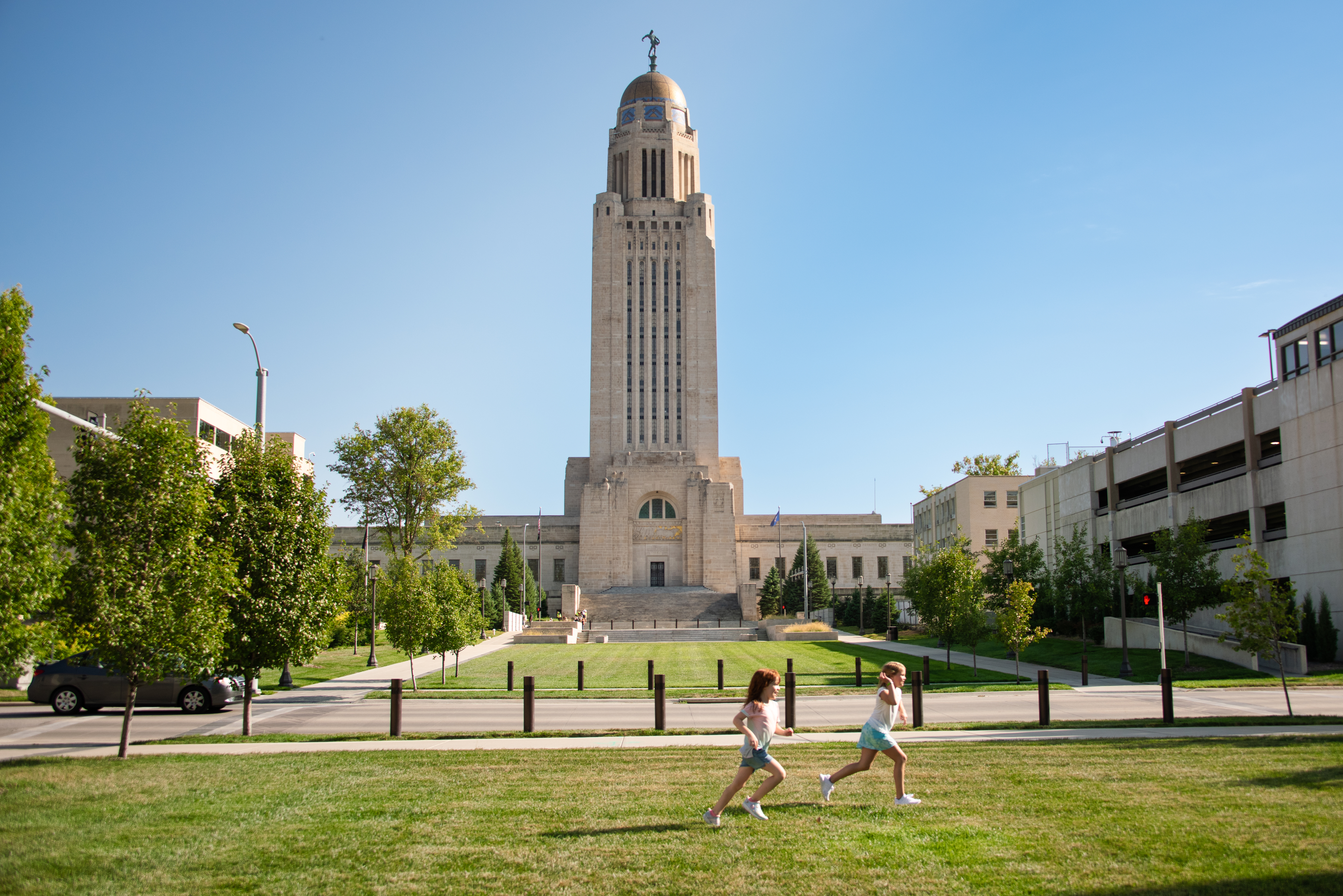
As the state capital, Lincoln is home to the iconic Nebraska State Capitol Building, a towering testament to Art Deco architecture and a symbol of democratic governance. Beyond its governmental functions, Lincoln has cultivated a dynamic cultural landscape, boasting a thriving arts community, numerous museums, and a lively downtown area.
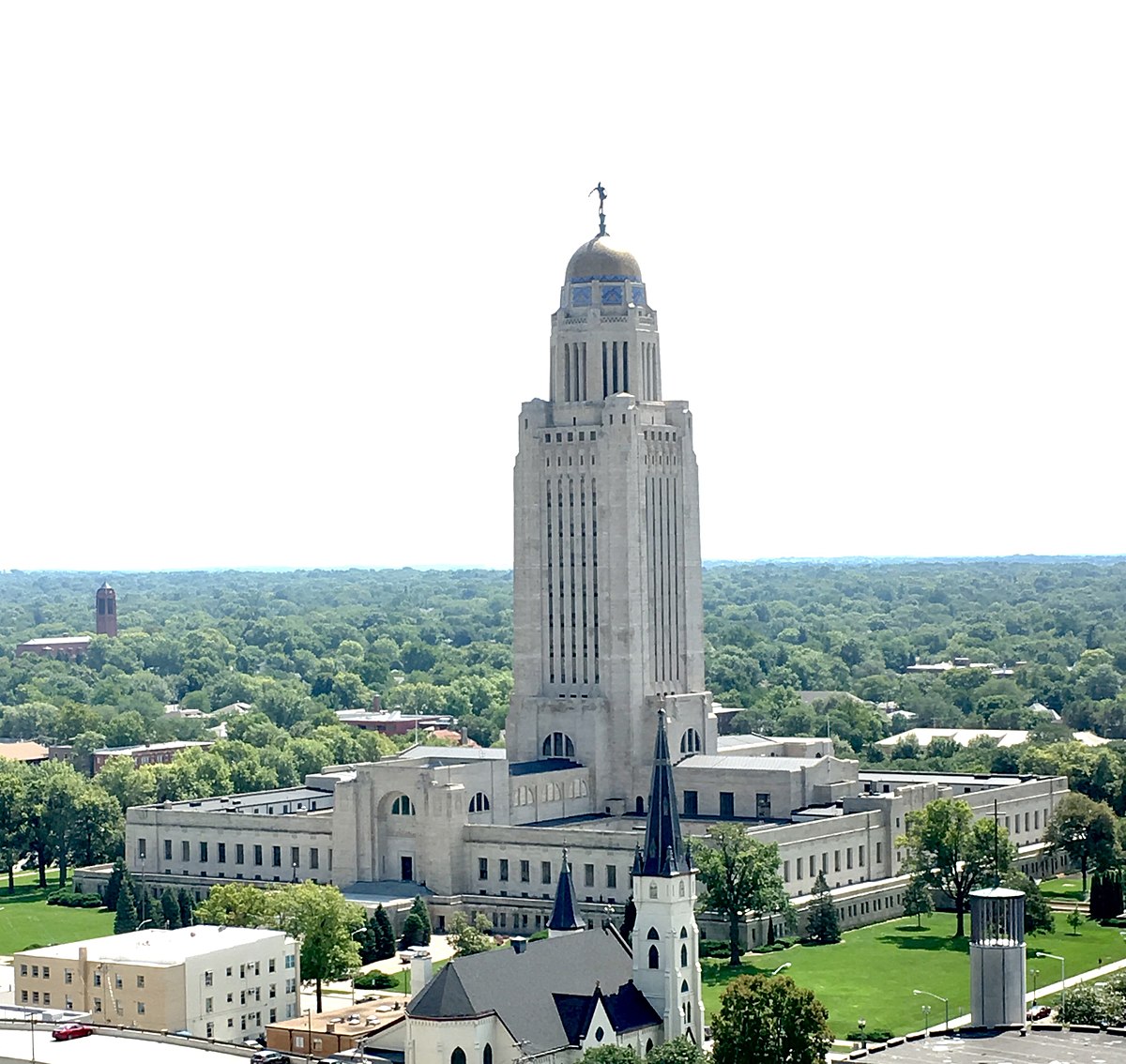
The Nebraska State Capitol Building
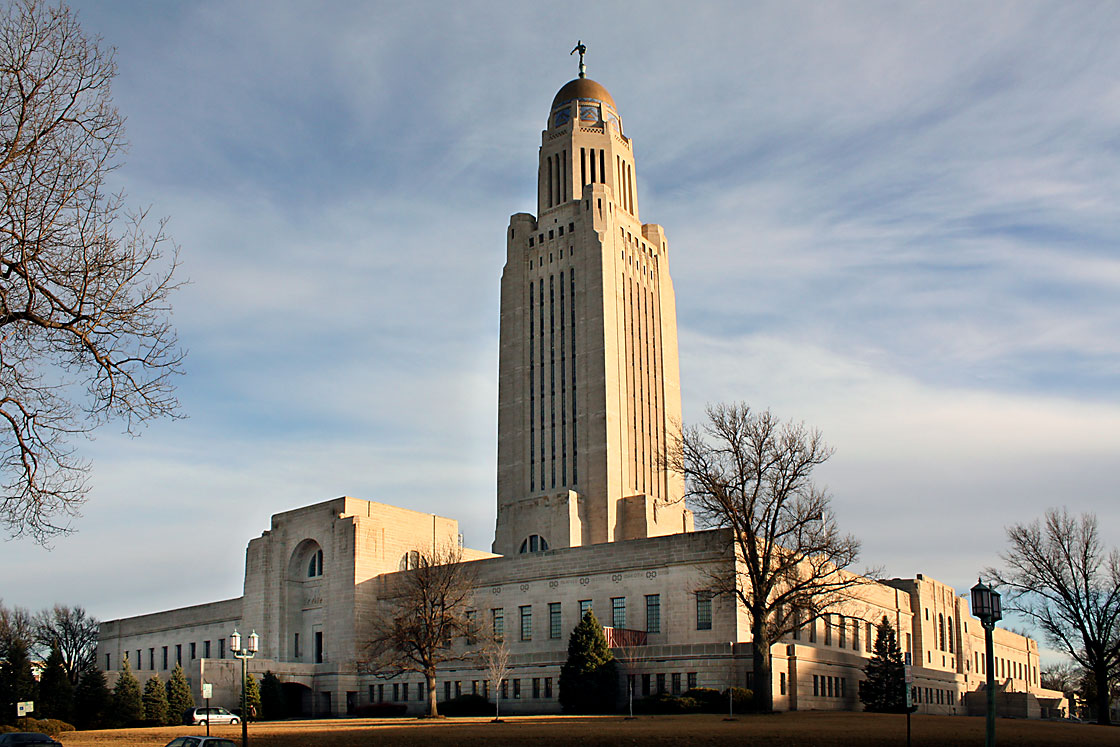
The Nebraska State Capitol Building is not merely a building; it is a landmark of national significance and an architectural masterpiece. Designed by Bertram Goodhue, its distinctive skyscraper design, completed in 1932, was a radical departure from traditional capitol buildings, symbolizing Nebraska’s forward-thinking spirit. Visitors can explore its opulent interiors, ascend to the observation deck for panoramic views of the city and surrounding plains, and learn about the legislative process that shapes the state. The building’s detailed artwork, including murals and sculptures, further enriches the experience, offering insights into Nebraska’s history and values.
Museums and Galleries
Lincoln is a treasure trove for those with a curious mind. The Nebraska History Museum provides an immersive journey through the state’s past, from its indigenous roots and pioneer days to its agricultural heritage. For art aficionados, the Sheldon Museum of Art houses an impressive collection spanning centuries and continents, featuring works by renowned artists such as Edward Hopper and Georgia O’Keeffe. Younger visitors and families will delight in the Lincoln Children’s Zoo, a vibrant sanctuary for a diverse array of animals.
Downtown Lincoln and the Haymarket District
The vibrant heart of Lincoln pulses in its downtown area and the historic Haymarket District. The Haymarket District, with its cobblestone streets and restored Victorian-era warehouses, is a charming blend of history and modernity. Today, it buzzes with an eclectic mix of independent boutiques, art galleries, lively pubs, and critically acclaimed restaurants. It’s the perfect place to stroll, shop for unique souvenirs, and savor the local flavors, especially during its popular farmers markets held seasonally. The energy of the district is palpable, offering a glimpse into the city’s contemporary social fabric.
Exploring Lincoln’s Natural and Recreational Offerings
Beyond its urban attractions, Lincoln offers ample opportunities to connect with nature and engage in outdoor recreation, making it an appealing destination for those seeking both cultural enrichment and natural respite.
Pioneers Park Nature Center
For an escape into the natural beauty of the Great Plains, the Pioneers Park Nature Center is a must-visit. This expansive urban park provides miles of hiking trails winding through diverse landscapes, including prairies, woodlands, and wetlands. It’s an ideal spot for birdwatching, wildlife observation, and simply enjoying the tranquility of the natural world. The center also features educational exhibits that highlight the flora and fauna native to Nebraska. The rolling hills and open skies here truly capture the essence of the region.
Lincoln’s Extensive Park System
Lincoln boasts an exceptionally well-maintained and expansive park system, with over 130 parks offering a variety of amenities. From sprawling green spaces like Holmes Lake Park, which offers water activities and extensive trails, to smaller neighborhood parks providing recreational facilities, there’s a green oasis for every visitor. The city’s commitment to preserving green spaces ensures that residents and visitors alike have access to areas for recreation, relaxation, and community gathering. Many of these parks are interconnected by trails, facilitating cycling and walking tours of the city’s verdant offerings.
The Strategic Air Command & Aerospace Museum
While technically located just outside of Lincoln in Ashland, the Strategic Air Command & Aerospace Museum is a significant draw for those interested in aviation history and military endeavors. This impressive museum houses a vast collection of historic aircraft, including the iconic B-52 Stratofortress and the SR-71 Blackbird. It offers a fascinating glimpse into the technological advancements and the pivotal role Nebraska played in the Cold War era. The sheer scale of the exhibits, with many aircraft housed indoors, makes it a captivating experience for all ages.
Understanding Lincoln’s Role in Nebraska
The designation of Lincoln as the state capital was a deliberate choice rooted in the state’s history and development. Its central location and steady growth have solidified its position as the administrative and cultural heart of Nebraska.
Historical Context of the Capital’s Location
The journey to establish Lincoln as the capital was not without its complexities. Originally, the capital was located in Omaha. However, a statewide vote in 1867 led to the relocation of the capital to a more central site. The city was named in honor of the recently assassinated President Abraham Lincoln, a symbolic gesture reflecting the nation’s sentiments. The construction of the first capitol building marked the beginning of Lincoln’s rise as the political and administrative center of Nebraska.
The Economic and Social Impact of a Capital City
As the capital, Lincoln benefits from a stable economy driven by government employment, education, and a growing tech sector. The presence of the state government also fosters a vibrant social and cultural scene. Universities, such as the University of Nebraska–Lincoln, contribute significantly to the city’s intellectual and cultural dynamism, attracting students and scholars and enriching the local community with diverse perspectives and activities. This academic presence fuels innovation and contributes to the city’s overall growth and development.
A Gateway to Nebraska
Lincoln serves as an excellent starting point for exploring the broader wonders of Nebraska. Its accessibility via major highways and its own airport make it a convenient entry point for visitors wishing to discover the state’s agricultural heartland, its charming small towns, and its unique natural landscapes. From Lincoln, travelers can venture out to explore the sandhills, visit historical sites, and experience the genuine hospitality that defines the “Cornhusker State.” It’s a city that invites exploration, both within its own boundaries and as a launchpad for wider regional adventures.
In conclusion, Lincoln is a city that embodies the spirit of Nebraska. Its identity as the state capital is inextricably linked to its rich history, its impressive architecture, its thriving cultural scene, and its commitment to preserving the natural beauty of the region. Whether you are drawn by the allure of its governmental institutions, the charm of its historic districts, or the tranquility of its parks, Lincoln offers a compelling and enriching experience for any visitor seeking to understand the heart and soul of Nebraska.
LifeOutOfTheBox is a participant in the Amazon Services LLC Associates Program, an affiliate advertising program designed to provide a means for sites to earn advertising fees by advertising and linking to Amazon.com. Amazon, the Amazon logo, AmazonSupply, and the AmazonSupply logo are trademarks of Amazon.com, Inc. or its affiliates. As an Amazon Associate we earn affiliate commissions from qualifying purchases.