
The question of “What Is The State Capital Of New Mexico?” leads us to a city steeped in history, vibrant with culture, and brimming with unique attractions. While often overshadowed by its more famous neighbors, the capital city of New Mexico offers a compelling destination for travelers seeking an authentic Southwestern experience. It’s a place where ancient traditions seamlessly blend with contemporary life, creating an atmosphere that is both captivating and inviting. Beyond simply identifying its governmental seat, understanding the capital of New Mexico is an invitation to explore a rich tapestry of history, art, and natural beauty.

Discovering Santa Fe: A Cultural and Historical Epicenter
The state capital of New Mexico is Santa Fe. This designation is more than just a political fact; it’s a key to unlocking the spirit of the region. Founded in 1610, Santa Fe holds the distinction of being the oldest capital city in the United States. Its storied past is evident in its architecture, its street names, and the very fabric of its community. The city’s unique blend of Native American, Spanish, and Anglo influences has shaped a distinctive cultural identity that permeates every aspect of life here, from the cuisine to the arts scene. Visiting Santa Fe is not merely a trip to a state capital; it’s an immersion into centuries of history and a celebration of enduring cultural traditions.
The Rich Historical Tapestry of Santa Fe
Santa Fe’s history is long and complex, dating back to its establishment by Spanish conquistador Don Pedro de Peralta in 1610. It served as the capital of the Spanish colony of New Mexico and later, the Mexican province. The city’s strategic location made it a vital hub along the Santa Fe Trail, a bustling trade route connecting Missouri with the Southwest. This historical significance is palpable as you wander through its adobe-lined streets. The Palace of the Governors, a National Historic Landmark, stands as a testament to this enduring legacy, having continuously served as a seat of government for over 400 years. Its distinctive Territorial architecture, characterized by thick adobe walls and flat roofs, is a defining feature of the cityscape, offering a tangible connection to the city’s past. Exploring these historical sites provides a deep appreciation for the resilience and evolution of Santa Fe.
Architectural Marvels and Artistic Expressions
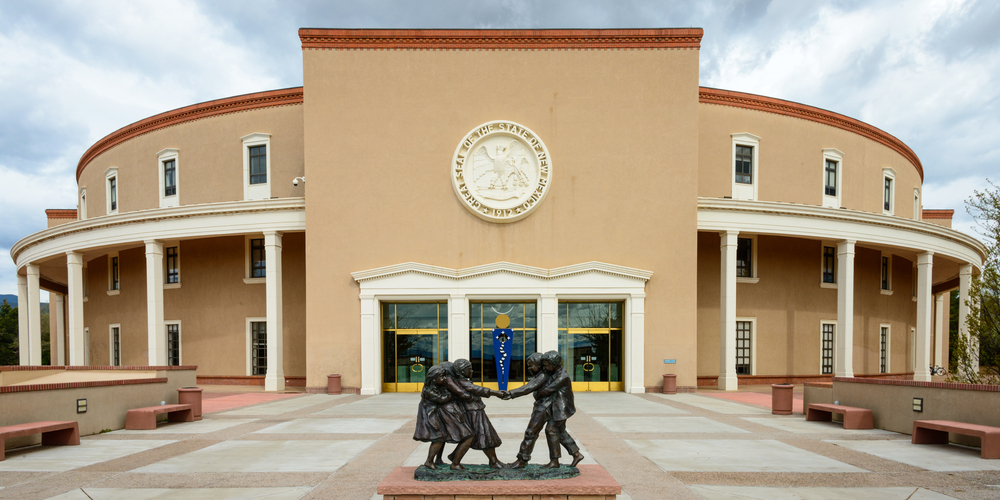
The architectural landscape of Santa Fe is unlike any other in the United States. The dominant style, Pueblo Revival, draws inspiration from the traditional dwellings of the indigenous peoples of the region, emphasizing natural materials like adobe and earth tones. This aesthetic is not just a stylistic choice; it’s a reflection of the city’s deep connection to its heritage and its environment. Beyond residential and governmental buildings, Santa Fe is renowned for its vibrant arts scene. Canyon Road is a world-famous street lined with dozens of art galleries, showcasing everything from traditional Southwestern art to contemporary masterpieces. The Georgia O’Keeffe Museum is a must-visit for art enthusiasts, dedicated to the iconic American modernist painter who found profound inspiration in the New Mexico landscape. The city’s commitment to the arts is also evident in its numerous theaters, performance venues, and public art installations, making it a cultural haven.
Beyond the Statehouse: Exploring Santa Fe’s Unique Attractions
While identifying Santa Fe as the capital of New Mexico is the starting point, understanding its appeal requires delving into the diverse array of attractions and experiences it offers. This capital city transcends its administrative role to become a destination rich in history, art, and a unique Southwestern charm. From its ancient roots to its thriving contemporary culture, Santa Fe provides a compelling journey for any traveler.
A Culinary Journey Through Santa Fe’s Flavors
The culinary scene in Santa Fe is a direct reflection of its multicultural heritage. Influenced by Native American, Spanish, and Mexican traditions, the food here is bold, flavorful, and utterly distinctive. New Mexican cuisine is characterized by its liberal use of chilies, particularly the red and green varieties, which are often served “smothered” over various dishes. The city boasts a high concentration of award-winning restaurants, from casual eateries serving authentic enchiladas and tamales to upscale establishments offering innovative interpretations of regional classics. Exploring the local flavors is an essential part of the Santa Fe experience. Don’t miss the opportunity to sample authentic New Mexican dishes like Frito pie, blue corn tortillas, and the famous biscochito, the state cookie. Local markets and food tours offer further opportunities to savor the authentic tastes of this culinary capital.
Natural Wonders and Outdoor Adventures Near the Capital
The allure of Santa Fe extends beyond its city limits, drawing visitors with its stunning natural surroundings and opportunities for outdoor adventure. The Sangre de Cristo Mountains provide a dramatic backdrop to the city and offer a playground for hikers, skiers, and nature enthusiasts. Nearby, Ski Santa Fe provides excellent skiing opportunities during the winter months, while the surrounding wilderness is ideal for hiking and mountain biking during warmer seasons. The Santa Fe National Forest offers miles of trails, scenic drives, and opportunities for wildlife viewing. For those seeking a more relaxed connection with nature, the Botanical Garden at Museum Hill showcases native and adaptive plants of the Southwest, providing a tranquil and educational experience. The unique geological formations and vast desert landscapes that characterize New Mexico are readily accessible, offering a stark contrast to the city’s urban charm.
Experiencing Santa Fe: Tips for Travelers
To truly appreciate the essence of Santa Fe, the capital of New Mexico, a thoughtful approach to your visit will enhance your experience. Understanding the city’s unique rhythm, its cultural nuances, and its practical considerations can transform a good trip into an unforgettable one. From navigating its historic streets to savoring its distinct flavors and art scene, a little preparation goes a long way.
Embracing the Local Culture and Pace
Santa Fe operates at its own distinctive pace, often described as relaxed and unhurried. This is a city that encourages visitors to slow down, breathe in the high-desert air, and immerse themselves in its unique atmosphere. Engaging with the local culture means appreciating the deep respect for history, art, and community that defines the city. Take the time to chat with gallery owners, artisans, and restaurant staff; they are often the best sources of local insights and recommendations. Attend a local festival or event, as these offer vibrant glimpses into the traditions and celebrations that are integral to Santa Fe’s identity. The city’s blend of Native American, Hispanic, and Anglo influences has created a rich cultural mosaic, and understanding these layers will undoubtedly enrich your visit.

Planning Your Visit: Practical Advice for Santa Fe
When planning a trip to Santa Fe, consider the best time of year to visit. Spring and fall offer pleasant temperatures and fewer crowds, while summer can be warm but vibrant with cultural events. Winter provides a cozy atmosphere and opportunities for skiing. Getting around Santa Fe is relatively easy, especially within the historic downtown area, which is very walkable. However, for exploring attractions further afield, a car may be beneficial. The high altitude of Santa Fe, over 7,000 feet, can affect some visitors, so it’s advisable to stay hydrated and take it easy upon arrival. Embracing the city’s unique charm, from its adobe architecture to its vibrant arts scene and delicious cuisine, will ensure a memorable and rewarding experience in New Mexico’s captivating capital.
LifeOutOfTheBox is a participant in the Amazon Services LLC Associates Program, an affiliate advertising program designed to provide a means for sites to earn advertising fees by advertising and linking to Amazon.com. Amazon, the Amazon logo, AmazonSupply, and the AmazonSupply logo are trademarks of Amazon.com, Inc. or its affiliates. As an Amazon Associate we earn affiliate commissions from qualifying purchases.