
Oklahoma, a state renowned for its vast prairies, rich Native American heritage, and burgeoning energy sector, holds a significant geographical and cultural heart in its capital city. This vibrant metropolis serves not only as the administrative center but also as a dynamic hub for arts, culture, and economic activity. Understanding its capital is crucial for anyone looking to delve deeper into the essence of the Sooner State.
Discovering Oklahoma City
The state capital of Oklahoma is Oklahoma City. Often abbreviated as OKC, it is the most populous city in Oklahoma and the 20th largest in the United States. Situated in the heart of the state, Oklahoma City spans across several counties, with its core anchored in Oklahoma County. The city’s strategic location and expansive reach make it a pivotal point for commerce, transportation, and cultural exchange within the region.
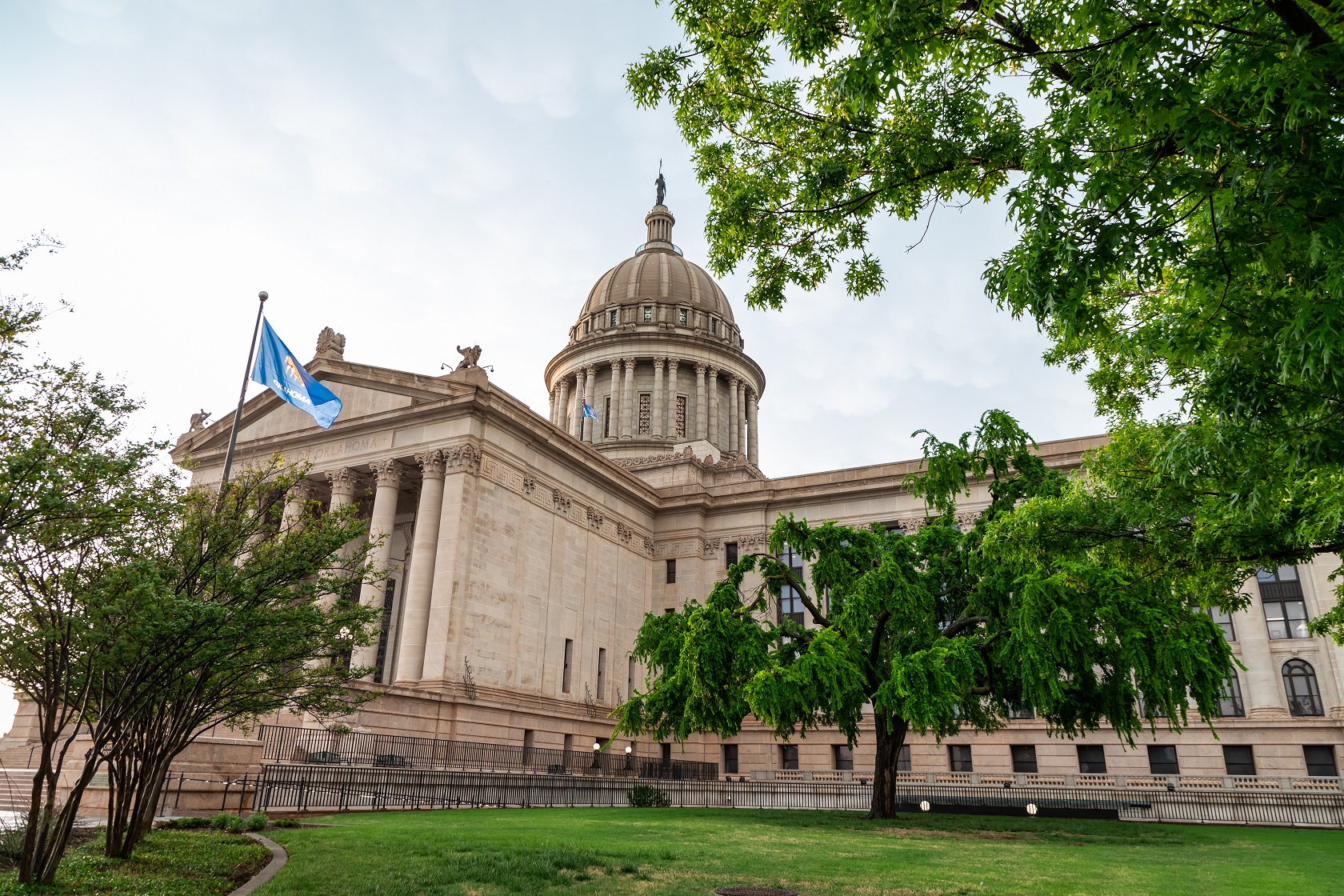
The establishment of Oklahoma City is intrinsically linked to the historic Land Run of 1889. On April 22, 1889, thousands of settlers participated in this event, claiming tracts of land in the Unassigned Lands of Oklahoma Territory. Within hours, a tent city sprang up, marking the spontaneous birth of what would become Oklahoma City. This rapid genesis is reflected in the city’s grid-like layout, a testament to the swift planning required to accommodate the influx of people. From these humble, rapid beginnings, OKC has evolved into a modern, diverse urban center.
Growth and Development
The initial settlement phase was marked by rapid growth, driven by the fertile land and opportunities for homesteading. As the territory progressed towards statehood, Oklahoma City solidified its position as a vital commercial and transportation nexus. The discovery of oil in Oklahoma in the early 20th century further fueled the city’s economic expansion, leading to significant development in infrastructure and population. This oil boom era saw the construction of many of the city’s iconic buildings and established its foundation as a key player in the energy industry.
Throughout the mid-20th century, Oklahoma City continued to grow, adapting to changing economic landscapes. While oil and gas remain significant, the city has diversified its economy, fostering growth in sectors such as aerospace, biosciences, and information technology. This economic diversification has contributed to a stable and resilient urban environment, attracting new businesses and residents. The city’s commitment to innovation and development is evident in its ongoing urban renewal projects and its strategic focus on attracting and retaining talent.
Key Attractions and Landmarks
Oklahoma City offers a wealth of attractions that showcase its unique character and history. The Oklahoma City National Memorial & Museum stands as a poignant tribute to the victims, survivors, and rescuers of the 1995 bombing, a deeply moving landmark that draws visitors from around the world to reflect and remember. The memorial’s simple yet profound design, featuring the Survivor Tree and the Field of Empty Chairs, offers a space for solemn contemplation.
The Bricktown Entertainment District is a testament to the city’s revitalization efforts. Once a warehouse district, it has been transformed into a vibrant area filled with restaurants, bars, shops, and entertainment venues, all accessible via a picturesque canal. A water taxi ride along the Bricktown Canal offers a unique perspective of the district, highlighting its energetic atmosphere. This district serves as a prime example of successful urban redevelopment, blending historical architecture with modern leisure facilities.
For those interested in the state’s heritage, the National Cowboy & Western Heritage Museum provides an immersive experience into the American West. Its extensive collections of Western art, artifacts, and interactive exhibits offer insights into the lives of cowboys, Native Americans, and the pioneers who shaped the region. The museum’s dedication to preserving and interpreting the spirit of the West makes it a cornerstone of cultural tourism in Oklahoma City.
The Myriad Botanical Gardens offers a tranquil urban oasis, featuring a stunning Crystal Bridge conservatory filled with exotic plants, as well as outdoor gardens, walking paths, and children’s play areas. It is a perfect spot for a leisurely stroll or a peaceful escape from the city’s bustle. The gardens also host various events and activities throughout the year, making it a popular destination for both locals and tourists seeking natural beauty and relaxation.
Cultural Tapestry and Local Life
Oklahoma City boasts a rich cultural tapestry woven from diverse influences, including its significant Native American history, its Western heritage, and a growing modern arts scene. The city is home to numerous tribal headquarters and cultural centers, reflecting the enduring legacy of the indigenous peoples who have inhabited this land for centuries. Events like the Native American Indian Cultural Center and Museum (though currently a conceptual project, its spirit is present in various local initiatives) aim to preserve and promote this vital aspect of Oklahoma’s identity.
The arts scene in OKC has been flourishing, with a strong presence of performing arts organizations and visual art galleries. The Civic Center Music Hall hosts a variety of performances, from opera and ballet to Broadway shows and concerts. The Oklahoma City Museum of Art features impressive collections of European and American art, with a particular focus on Chihuly glass. The Paseo Arts District and the Plaza District are vibrant hubs for independent galleries, artist studios, and live music venues, contributing to the city’s dynamic creative energy.

Culinary Delights
The culinary landscape of Oklahoma City is as diverse as its population. Visitors can savor traditional Southern comfort food, explore contemporary American cuisine, and enjoy flavors from around the globe. Bricktown offers a plethora of dining options, from steakhouses to ethnic eateries, while the Plaza District is known for its trendy cafes and innovative restaurants. The city also boasts a growing craft beer scene, with several local breweries offering unique brews.
A signature element of Oklahoma cuisine is its connection to agriculture and ranching. Expect to find high-quality beef dishes, from classic steaks to creative interpretations. Barbecue is another beloved staple, with numerous smokehouses serving up tender ribs, brisket, and pulled pork. For a taste of local flavor, try some traditional dishes like fried okra, biscuits and gravy, or a chicken-fried steak. The farmers’ markets scattered throughout the city also provide an opportunity to sample fresh, locally sourced produce and artisanal products, offering a true farm-to-table experience.
Sports and Recreation
Oklahoma City is a passionate sports town. It is the home of the Oklahoma City Thunder, the state’s only major professional sports franchise in the National Basketball Association (NBA). The team plays its home games at the Paycom Center, a state-of-the-art arena that is a focal point of downtown activity. The excitement of Thunder games is a significant draw for both residents and visitors, contributing to the city’s vibrant atmosphere.
Beyond professional basketball, OKC offers a wide array of recreational opportunities. The Oklahoma River has been transformed into the Boathouse District, a world-class venue for rowing, kayaking, and other water sports. The district features multiple boathouses, training facilities, and a 2,000-meter competition course, attracting national and international competitions. For outdoor enthusiasts, numerous parks and trails provide spaces for hiking, biking, and enjoying the natural beauty of the region. The Myriad Botanical Gardens and the Scissortail Park offer large, accessible green spaces within the city, perfect for a day of outdoor fun.
Exploring the Surrounding Areas
While Oklahoma City serves as the state’s administrative and cultural nucleus, the surrounding regions offer compelling destinations that complement the urban experience. Exploring these areas provides a broader understanding of Oklahoma’s diverse geography and rich history.
Historical Significance
The influence of Native American tribes is deeply embedded in the history of Oklahoma. Many of the Five Civilized Tribes were forcibly relocated to what is now Oklahoma during the 19th century, and their descendants continue to play a vital role in the state’s identity. Visiting areas like the Chickasaw Cultural Center near Sulphur or exploring the historic sites related to the Trail of Tears offers profound insights into this significant chapter of American history.
The legacy of the American frontier is also palpable beyond the capital. Towns like Guthrie, the first territorial capital of Oklahoma, preserve much of their late 19th-century architecture and charm. A visit to Guthrie feels like stepping back in time, with its well-preserved Victorian buildings and its historical downtown district. This city provides a tangible connection to the pioneering spirit that defined the state’s early development.
Natural Wonders
Oklahoma is blessed with diverse natural landscapes, from the rolling plains to the rugged Ozark Mountains. A drive east towards the Ouachita Mountains offers opportunities for hiking, camping, and exploring scenic byways. Beavers Bend State Park is a popular destination within this region, known for its crystal-clear rivers and dense forests.
To the west, the Great Plains dominate the scenery, offering expansive vistas and unique geological formations. The Wichita Mountains Wildlife Refuge is a remarkable sanctuary where visitors can see bison herds roaming free, hike through granite mountains, and discover ancient rock formations. This vast prairie ecosystem provides a stark yet beautiful contrast to the urban energy of Oklahoma City.

Artistic and Culinary Excursions
Beyond Oklahoma City, smaller towns across Oklahoma often harbor hidden artistic gems and unique culinary experiences. The revitalization efforts seen in Oklahoma City are mirrored in some of these smaller communities, where local artists and chefs are creating vibrant cultural scenes. Exploring these areas can lead to discovering local craft breweries, artisan food producers, and charming bed and breakfasts.
The commitment to celebrating Oklahoma’s agricultural roots extends throughout the state. Farmers’ markets in various towns offer a chance to connect with local producers and sample the bounty of the land. From fresh produce and homemade jams to regional specialties, these markets provide a flavorful insight into the state’s culinary identity. These excursions offer a more intimate and authentic experience of Oklahoma, allowing travelers to engage with the local culture in a meaningful way.
LifeOutOfTheBox is a participant in the Amazon Services LLC Associates Program, an affiliate advertising program designed to provide a means for sites to earn advertising fees by advertising and linking to Amazon.com. Amazon, the Amazon logo, AmazonSupply, and the AmazonSupply logo are trademarks of Amazon.com, Inc. or its affiliates. As an Amazon Associate we earn affiliate commissions from qualifying purchases.