
Hawaii, a paradise archipelago famed for its volcanic landscapes, pristine beaches, and vibrant culture, harbors a wealth of natural wonders, both above and below its azure waters. Among its many iconic symbols, one creature stands out, captivating visitors and locals alike with its striking appearance and truly unforgettable name: the Humuhumunukunukuapua’a. More than just a colorful reef inhabitant, this unique fish holds the distinguished title of Hawaii’s state fish, embodying the spirit and biodiversity of these Pacific islands. For travelers planning a journey to this tropical haven, understanding the significance of the Humuhumunukunukuapua’a adds another layer of appreciation to the rich tapestry of Hawaiian life and provides a fantastic focal point for aquatic adventures.
The story of Hawaii’s state fish is a tale woven with natural history, cultural pride, and a touch of legislative drama. It reflects the islands’ deep connection to the ocean and the enduring desire to protect its precious marine ecosystems. For anyone venturing to Maui, Oahu, Kauai, or the Big Island, learning about this fascinating creature is an essential part of immersing oneself in the local environment and maximizing the quintessential Hawaiian experience. From the thrill of spotting it on a snorkeling excursion to appreciating its depiction in local art, the Humuhumunukunukuapua’a truly embodies the magic of Hawaii.
Unveiling the Humuhumunukunukuapua’a: Hawaii’s Iconic State Fish
To truly appreciate Hawaii’s official state fish, one must first get acquainted with its distinctive characteristics and understand the fascinating origins of its legendary name. Often a source of amusement and a popular tongue-twister for visitors, the Humuhumunukunukuapua’a is much more than just a linguistic curiosity; it is a creature of remarkable beauty and resilience, perfectly adapted to its vibrant coral reef home.
A Name as Unique as the Fish Itself
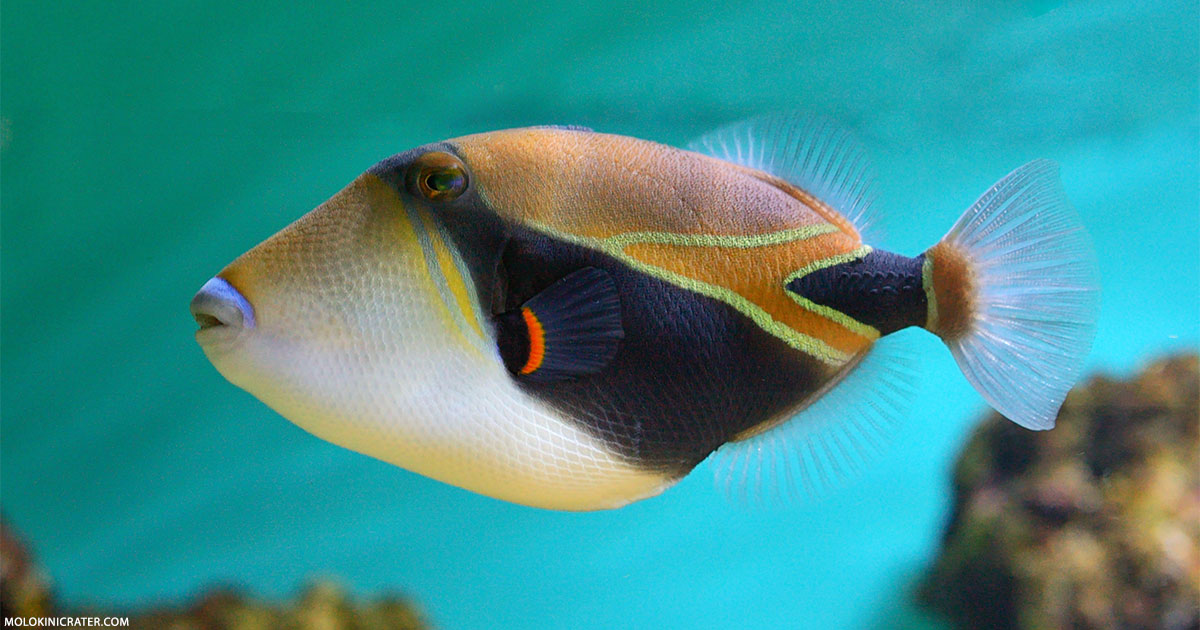
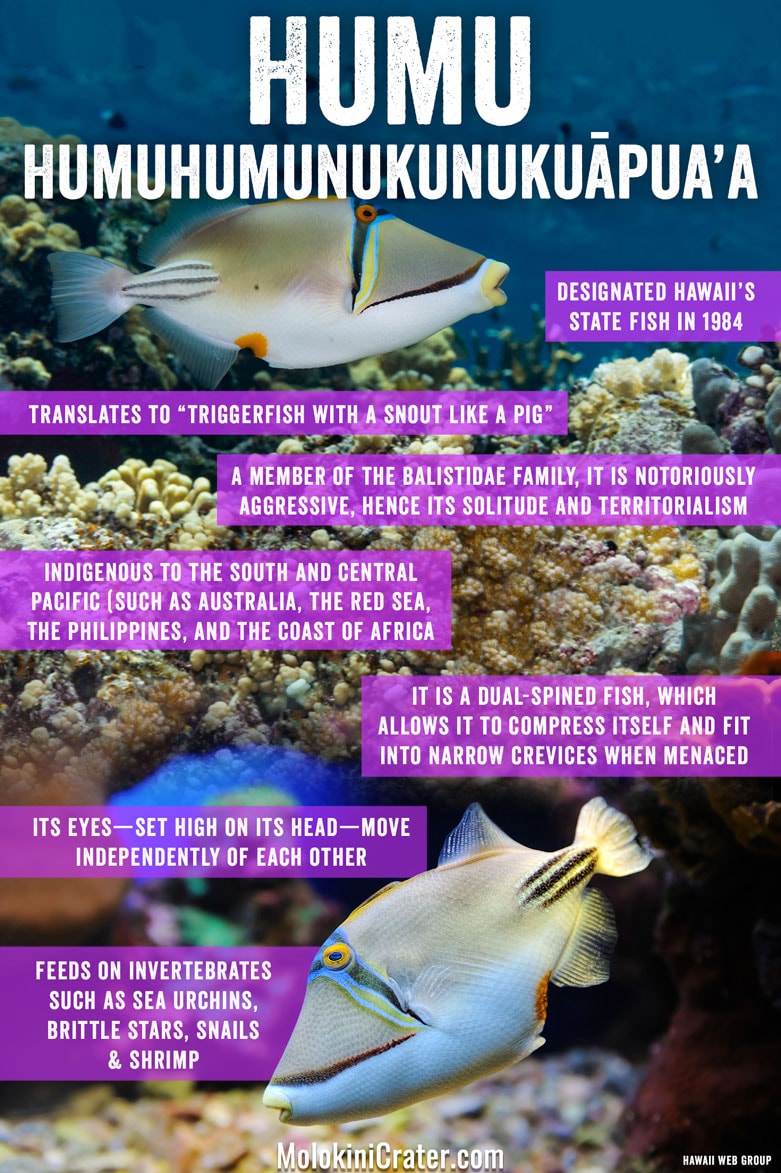
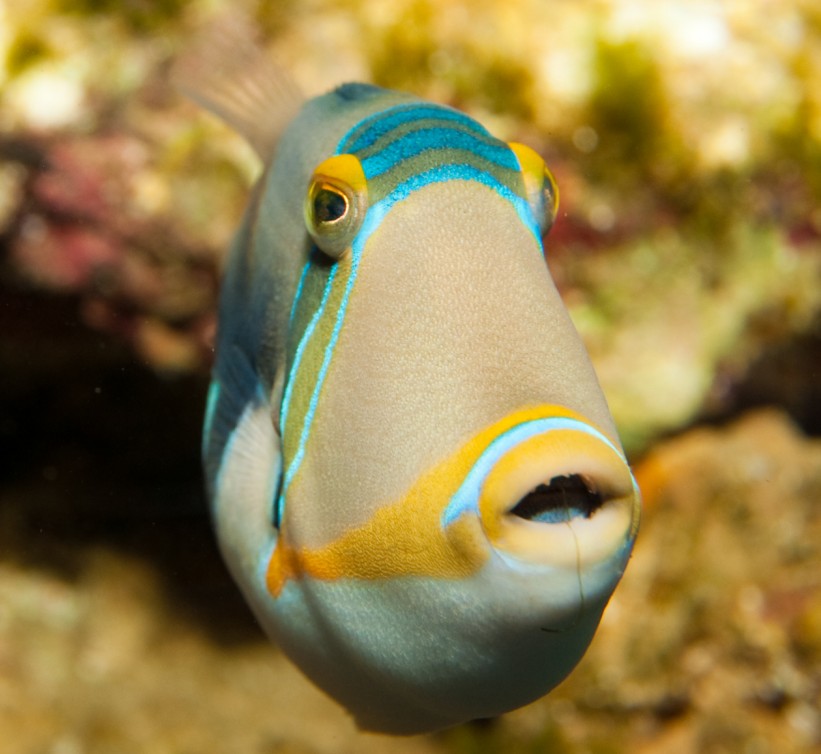
The name itself, Humuhumunukunukuapua’a (pronounced Hoo-moo-hoo-moo-noo-koo-noo-koo-ah-poo-ah-ah), is a mouthful, but it carries a charming meaning in the Hawaiian language. It translates to “reef triggerfish with a pig-like snout.” This descriptive name perfectly captures one of the fish’s most noticeable features: its elongated snout, which, when observed closely, bears a striking resemblance to a pig’s snout. This unique oral structure is perfectly suited for its diet, allowing it to forage among corals and rocks for invertebrates and algae.
Beyond its whimsical name, the Humuhumunukunukuapua’a is officially known to the scientific community as Rhinecanthus rectangulus. It belongs to the triggerfish family, a group renowned for their tough, leathery skin, powerful jaws, and distinctive dorsal fin locking mechanism that allows them to wedge themselves into crevices, making them difficult for predators to dislodge.
Distinctive Features and Habitat
The visual appeal of the Humuhumunukunukuapua’a is undeniable. This medium-sized fish, typically growing up to 10 inches (25 cm) in length, boasts a vibrant and complex pattern that makes it stand out against the backdrop of the reef. Its body is primarily yellow and brown, adorned with striking diagonal black bands. A prominent black triangle sits near its head, often contrasting with a lighter forehead and bright blue lips, adding to its charismatic appearance. Its eyes are set high on its head, giving it an almost watchful demeanor.
These colorful reef dwellers are indigenous to the Indo-Pacific region, but it is in the waters surrounding the Hawaiian Islands where they hold particular significance. They prefer shallow, protected coastal areas, thriving among the intricate structures of coral reefs, rocky crevices, and sandy bottoms of lagoons. Their presence is a strong indicator of a healthy marine ecosystem, as they play a role in maintaining the balance of the reef environment. They are often seen individually or in small groups, diligently foraging, occasionally nipping at corals or sifting through sand. Their often-skittish nature adds to the excitement of spotting one during a snorkel or dive, as they tend to dart away into the safety of the reef at the first sign of a disturbance.
The Journey to State Symbol: A History of Recognition
The story of how the Humuhumunukunukuapua’a became Hawaii’s state fish is an interesting saga that highlights the deep cultural connection the islands have with their natural surroundings. It wasn’t a straightforward process but rather a testament to the fish’s enduring charm and symbolic importance.
From Ancient Waters to Modern Icon
Long before it gained official recognition, the Humuhumunukunukuapua’a was an integral part of Hawaiian folklore and daily life. Like many marine creatures, it featured in legends and served as a food source, though its tough skin and strong flavor made it less desirable than some other fish. Its distinctive appearance and behavior likely contributed to its unique name and presence in local stories, making it a familiar sight for generations of Hawaiians navigating their ocean home.
The fish’s resilience and its ability to thrive in the dynamic reef environment also resonated with the spirit of the Hawaiian people, who have always maintained a profound respect for the kai (ocean) and its inhabitants. This intrinsic connection laid the groundwork for its eventual elevation to official state symbol.
The First Reign (1985-1990)
The Humuhumunukunukuapua’a first earned its official title as the state fish of Hawaii in 1985. The designation was a result of a concerted effort to choose a marine emblem that was both unique to the islands and easily recognizable. The bill passed through the Hawaiian State Legislature and was signed into law, granting the Humuhumunukunukuapua’a temporary status as the state fish for a period of five years. This initial period was intended as a trial to gauge public sentiment and the suitability of the choice.
During this time, the fish quickly became a beloved symbol. Its long, charming name made it memorable, and its vibrant colors made it a popular motif in local art, tourism promotions, and souvenirs. It became a point of pride for residents and an intriguing talking point for visitors.
A Temporary Absence and Triumphant Return (2006)
Interestingly, the initial designation of the Humuhumunukunukuapua’a as Hawaii’s state fish was temporary. When the five-year period expired in 1990, the law was not renewed, and the islands found themselves without an official marine representative for a considerable period. This absence, however, only served to highlight how deeply ingrained the fish had become in the public consciousness.
The public outcry and persistent sentiment for its return were significant. Many residents felt that the Humuhumunukunukuapua’a was the natural and undeniable choice. After a period of lobbying and public advocacy, the fish made its triumphant return to official status in 2006. This time, the designation was made permanent, solidifying its place as an enduring symbol of Hawaii’s natural beauty and cultural heritage. Its re-designation was met with widespread approval, proving that some symbols are simply meant to be.
Encountering the Humuhumu: A Traveler’s Guide to Aquatic Exploration in Hawaii
For travelers eager to connect with Hawaii’s marine life, spotting the Humuhumunukunukuapua’a is often high on the list of desired experiences. Its presence truly brings the reef to life, and with a little planning, encountering this iconic fish can be a highlight of any Hawaiian adventure.
Prime Locations for Snorkeling and Diving
The good news for visitors is that the Humuhumunukunukuapua’a is relatively common in Hawaiian waters, particularly in healthy reef environments. Some of the best places to try and spot them include:
- Hanauma Bay Nature Preserve (Oahu): This renowned marine life conservation area near Honolulu is a protected haven for countless fish species, including the Humuhumu. Its calm, shallow waters make it ideal for snorkelers of all skill levels.
- Molokini Crater (Maui): A crescent-shaped volcanic crater located off the coast of Maui, Molokini offers crystal-clear waters and an abundance of marine life. Boat tours regularly depart from Ma’alaea Harbor or Lahaina to this spectacular snorkeling and diving destination.
- Kealakekua Bay State Historical Park (Big Island): Accessible primarily by boat, this historical bay is home to vibrant coral reefs and a rich array of fish. It’s a fantastic spot for both snorkeling and kayaking.
- Poipu Beach Park (Kauai): On Kauai’s sunny south shore, Poipu Beach offers sheltered coves perfect for snorkeling, often revealing triggerfish and other colorful species.
- Ka’anapali Beach (Maui): The northern end of Ka’anapali Beach, particularly near Black Rock, offers accessible snorkeling from the shore with a good chance of seeing various reef fish.
Remember to bring your own snorkel gear or rent it from local shops. Many resorts also offer gear rentals for their guests. Joining a guided snorkeling or diving tour can enhance your experience, as knowledgeable guides can point out specific marine life and provide insights into the ecosystem.
Responsible Tourism and Marine Conservation
When embarking on your quest to find the Humuhumunukunukuapua’a, it’s crucial to practice responsible tourism. Hawaii’s delicate marine ecosystems are facing increasing pressures, and every visitor plays a role in their preservation.
- Reef-Safe Sunscreen: Always use reef-safe sunscreen that is free of oxybenzone and octinoxate, as these chemicals are harmful to corals and marine life.
- Do Not Touch: Never touch or stand on coral reefs. Corals are living organisms that are easily damaged.
- Maintain Distance: Observe marine life from a respectful distance. Do not chase or harass fish, turtles, or any other sea creatures.
- Pack It In, Pack It Out: Leave no trace. Take all your trash with you and avoid bringing single-use plastics to the beach.
- Support Local Conservation: Consider supporting local organizations dedicated to marine conservation through donations or participation in volunteer programs.
By adhering to these principles, you not only protect the environment but also ensure that future generations of travelers can enjoy the same breathtaking encounters with Hawaii’s state fish and its many companions.
Beyond Sightseeing: Cultural Significance and Souvenirs
The Humuhumunukunukuapua’a’s iconic status extends beyond mere natural observation. It has become a significant cultural motif throughout the islands. You’ll find its likeness adorning a myriad of souvenirs, from intricate wood carvings and vibrant paintings to practical items like t-shirts and coffee mugs. Many local artists draw inspiration from its striking patterns and colors, incorporating it into unique pieces that reflect the spirit of Hawaii.
For those interested in Hawaiian mythology and storytelling, learning about the fish’s role in ancient lore or its representation in modern culture can enrich your travel experience. Seeking out these cultural expressions in local markets and art galleries in towns like Paia or Kailua-Kona offers a wonderful way to bring a piece of Hawaii home while supporting local artisans.
Planning Your Hawaiian Adventure: Accommodations and Experiences
Integrating the quest for the Humuhumunukunukuapua’a into your Hawaiian itinerary means more than just knowing where to snorkel; it involves choosing the right accommodations and activities that align with a deep dive into Hawaii’s marine wonders.
Top Resorts and Hotels for Ocean Enthusiasts
When selecting accommodations, consider locations that offer easy access to prime snorkeling and diving spots, or those with strong commitments to eco-tourism and marine education. Many of Hawaii’s world-class resorts and hotels are perfectly positioned for ocean-centric exploration.
- Four Seasons Resort Maui at Wailea: Located on Maui’s sunny south shore, this luxury resort offers unparalleled beachfront access and often partners with local tour operators for snorkeling trips to Molokini and other nearby reefs. Its amenities and service cater to a high-end lifestyle traveler.
- Hyatt Regency Maui Resort and Spa: Situated on Ka’anapali Beach in Maui, this resort is a fantastic choice for families and couples. Guests can snorkel directly from the beach, and the resort often hosts marine life presentations.
- The Kahala Hotel & Resort (Oahu): For a more secluded luxury experience near Honolulu, The Kahala boasts its own private lagoon with resident dolphins and is a short drive from Hanauma Bay, making it an ideal base for marine exploration on Oahu.
- Mauna Kea Beach Hotel, Autograph Collection (Big Island): On the stunning Kohala Coast of the Big Island, this historic hotel offers direct access to some of the island’s best beaches and snorkeling spots. It’s an excellent choice for those seeking a blend of history, luxury, and marine adventure.
- Boutique Hotels and Villas: For travelers seeking a more intimate or long-term stay, numerous boutique hotels and private villas across the islands offer personalized experiences. Many are located within charming towns, providing easy access to local dive shops and cultural sites, and often boast amenities like private pools or ocean views. Checking reviews and comparison sites can help find the perfect accommodation tailored to your travel lifestyle, whether it’s budget-friendly or a luxury escape.
Integrating Marine Life into Your Hawaii Itinerary
Beyond where you stay, how you structure your days will greatly impact your marine life encounters. Consider the following activities:
- Guided Snorkel and Dive Tours: These tours, often departing from harbors like Lahaina, Kailua-Kona, or Waikiki, provide expert knowledge, safety equipment, and transport to the best spots. Many operators specialize in eco-friendly tours, emphasizing marine conservation.
- Visits to Aquariums: The Maui Ocean Center, for instance, offers an incredible opportunity to see the Humuhumunukunukuapua’a and a vast array of other Hawaiian marine life up close in a controlled environment. It’s an excellent educational experience for all ages and a guaranteed sighting of the state fish.
- Kayaking and Paddleboarding: Exploring calmer bays and coves by kayak or stand-up paddleboard can offer a unique perspective on the marine world, allowing you to observe fish in their natural habitat from above. Places like Kailua Bay on Oahu are perfect for this.
- Sunset Cruises and Glass-Bottom Boat Tours: While not always focused on snorkeling, these tours often provide opportunities to appreciate the coastal beauty and sometimes spot marine life from a different vantage point, often offering a romantic or family-friendly experience.
Remember to book tours and accommodations in advance, especially during peak travel seasons, to secure your preferred options and ensure a smooth, stress-free Hawaiian holiday. Checking reviews and comparing different experiences can help you tailor your trip to your specific interests and budget, aligning with various travel lifestyles from adventure seekers to those seeking a relaxing, immersive cultural experience.
The Humuhumunukunukuapua’a is more than just a fish; it’s a living symbol of Hawaii’s vibrant natural heritage and the enduring connection between its people and the ocean. Its unique name, striking appearance, and compelling history make it a fascinating subject for any traveler exploring the islands. By seeking out opportunities to observe this iconic state fish responsibly, engaging with Hawaiian culture, and choosing accommodations and activities that support marine conservation, visitors can enrich their journey and gain a deeper appreciation for the unparalleled beauty of this Pacific paradise. So, as you plan your dream Hawaiian escape, keep an eye out for the charming Humuhumunukunukuapua’a – a true ambassador of the islands’ aquatic wonders.
LifeOutOfTheBox is a participant in the Amazon Services LLC Associates Program, an affiliate advertising program designed to provide a means for sites to earn advertising fees by advertising and linking to Amazon.com. Amazon, the Amazon logo, AmazonSupply, and the AmazonSupply logo are trademarks of Amazon.com, Inc. or its affiliates. As an Amazon Associate we earn affiliate commissions from qualifying purchases.