
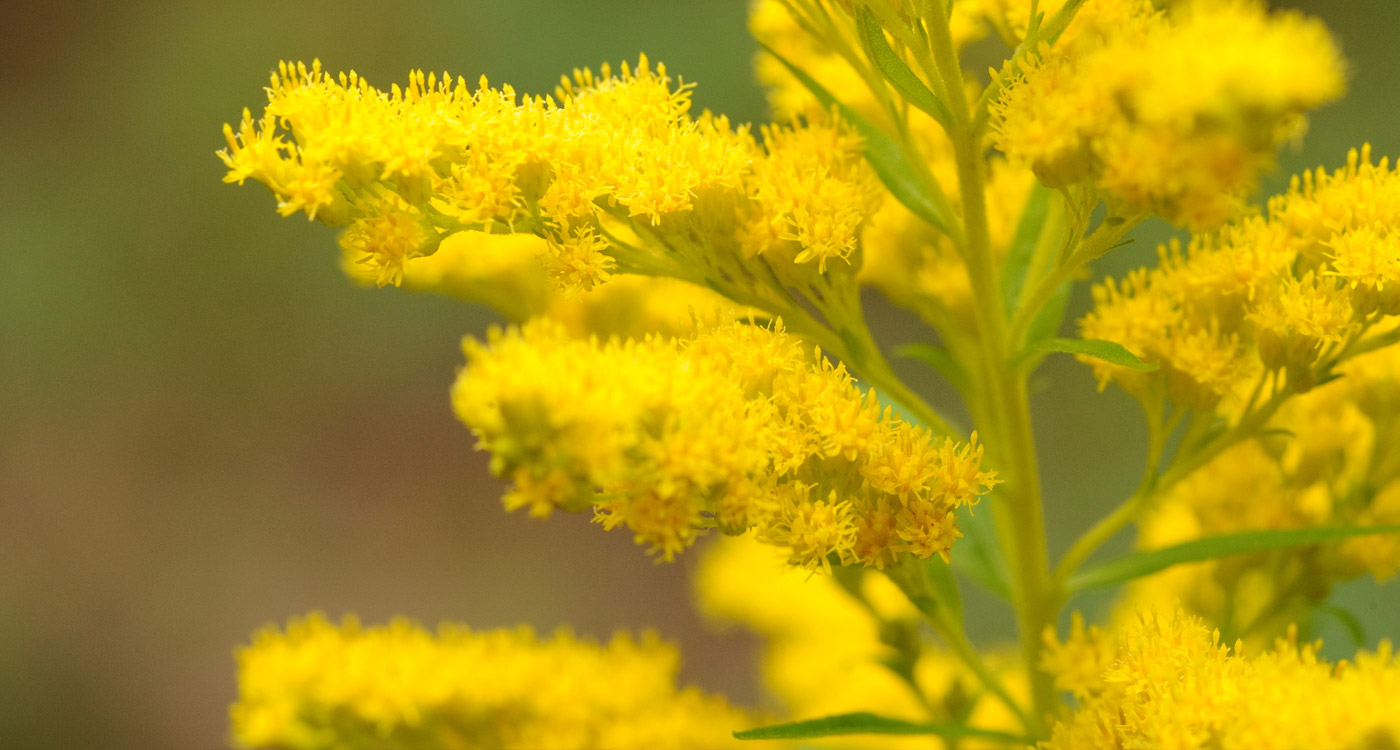
When exploring the vast, rolling landscapes of the Great Plains, one cannot help but notice the resilient beauty that defines the heart of the American Midwest. For those traveling through Nebraska, the horizon often seems endless, characterized by sprawling prairies and golden fields. Among the symbols that define this unique region, the state flower stands as a beacon of natural heritage. The official state flower of Nebraska is the Goldenrod, specifically the species known as Solidago gigantea.
Beyond its botanical classification, the Goldenrod represents the rugged spirit of the plains, mirroring the endurance of the pioneers who traversed these lands and the local communities that thrive here today. Understanding the significance of this floral emblem offers a deeper connection to the environment, inviting visitors to appreciate the subtleties of the Great Plains ecosystem.
The Significance of the Goldenrod in Nebraska Nature
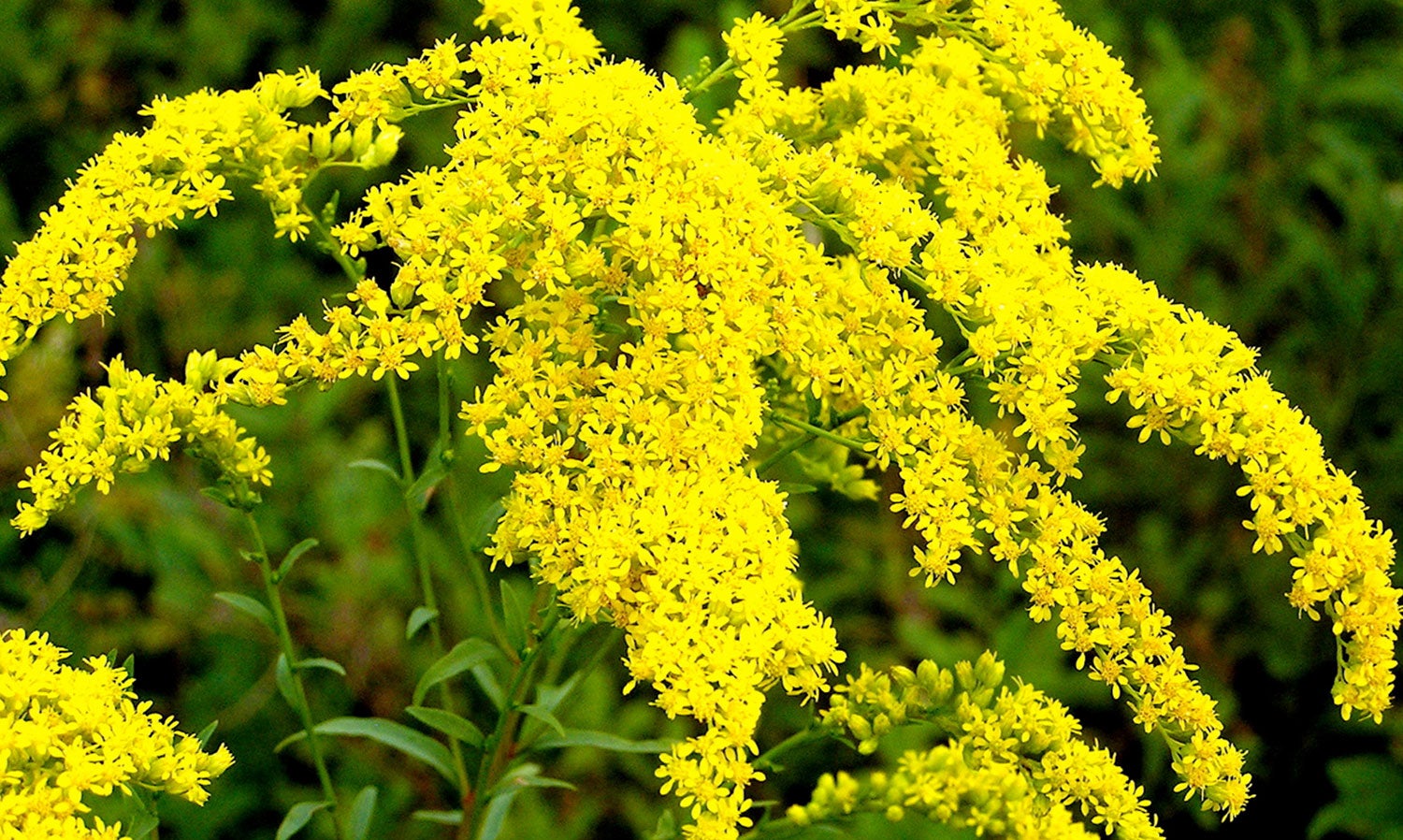
The designation of the Goldenrod as the state flower was not merely a matter of aesthetic preference; it was a reflection of the plant’s prevalence and adaptability. Throughout the late summer and early autumn, the landscape of Nebraska is transformed into a tapestry of brilliant yellow.
A Botanical Icon of the Heartland
The Goldenrod is a member of the Asteraceae family. It is a perennial herb that thrives in the temperate climate of the central United States. Its vibrant plumes are not only a feast for the eyes but also a vital component of the local biodiversity. As a primary source of late-season nectar, it supports a wide array of pollinators, including native bees, butterflies, and migratory birds. For nature enthusiasts visiting Nebraska, spotting these golden stalks swaying in the breeze is a quintessential experience that highlights the ecological health of the region.
History of the Designation
The choice of the Goldenrod was officially codified by the Nebraska State Legislature in 1895. Interestingly, the selection process involved a measure of public sentiment. Legislators recognized that the flower was ubiquitous across the state, blooming in roadside ditches, along the banks of the Platte River, and throughout the expansive ranch lands. It was seen as a symbol of the common person—hardy, beautiful, and omnipresent.
Exploring Nebraska’s Floral Landscapes
For travelers looking to witness the beauty of the state flower firsthand, timing and location are everything. While the Goldenrod is found across the state, certain regions offer a more immersive experience for those interested in botany and landscape photography.
The Best Time to Visit
To see the Goldenrod in its full glory, a trip in August or September is ideal. During these months, the heat of the summer begins to wane, and the yellow plumes reach their peak maturity. This period also coincides with some of the most pleasant weather for exploring Nebraska, making it an excellent window for road trips or camping excursions.
Prime Locations for Nature Enthusiasts
If you are planning an itinerary, consider including the following natural landmarks:
- Fontenelle Forest: Located near Omaha, this area offers lush trails where the Goldenrod blends seamlessly with the woodland edges and open meadows.
- Valentine National Wildlife Refuge: For those seeking a more remote experience, this refuge provides a stunning backdrop of lakes and grasslands where wild flora grows in abundance.
- Scotts Bluff National Monument: While famous for its towering geological formations, the surrounding prairie landscape is teeming with native plants, including the vibrant Goldenrod, which provides a stark, beautiful contrast to the rugged cliffs.
Conservation and the Future of Native Flora
As tourism in the American heartland grows, so does the importance of preserving the natural heritage of the Midwest. The Goldenrod, while resilient, relies on the health of the prairie ecosystem to survive.
Protecting the Prairie Ecosystem
Land management practices in Nebraska have evolved to prioritize the health of native grasslands. Agricultural development and urban expansion are managed with an eye toward conservation, ensuring that corridors of wild vegetation remain for the Goldenrod and other indigenous species. Visitors are encouraged to practice “Leave No Trace” principles, particularly when exploring state parks or protected wildlife areas. By staying on marked trails and respecting the native vegetation, travelers contribute to the ongoing preservation of this iconic floral display.
The Role of Tourism in Preservation
Sustainable tourism plays a crucial role in maintaining interest in local ecosystems. When visitors express interest in the natural flora of Nebraska, it provides an economic incentive for local and state organizations to maintain these lands. The Goldenrod is more than just a roadside weed to the people of this state; it is a point of pride. By visiting the Sandhills or the Missouri River valleys, travelers support the very infrastructure that keeps these natural spaces accessible to the public.
Cultural Connections to the State Flower
In many ways, the Goldenrod serves as a metaphor for the Nebraskan identity. The resilience of the plant mirrors the tenacity of those who settled the prairies.
Folklore and Traditional Uses
Historically, the Goldenrod was utilized by indigenous populations and early settlers for various purposes. Some medicinal traditions valued the plant for its astringent properties, while others admired its aesthetic appeal in dried floral arrangements during the harsh winter months. Today, the flower continues to be a featured element in local art and craft markets, where artisans draw inspiration from the colors of the prairie.
Celebrating Local Identity
During the harvest season, community festivals often celebrate the bounty of the land. It is not uncommon to see the Goldenrod integrated into local displays, parades, and even agricultural exhibitions. Whether you are visiting the State Capitol in Lincoln or exploring the small, charming towns scattered across the Great Plains, the presence of the state flower serves as a quiet reminder of the history and continuity of this region.

A Journey Through the Heartland
For the traveler, Nebraska offers a unique brand of serenity. It is a place where one can find peace in the simplicity of the landscape. From the Chimney Rock formation rising out of the desert-like plains to the lush, river-fed valleys in the east, the variety of the scenery is matched by the quiet dignity of its native plants.
The Goldenrod, as the chosen representative of this state, bridges the gap between the wild beauty of nature and the cultural fabric of the people. As you plan your next adventure, consider taking a moment to look closely at the roadside, to stop at a local park, or to hike a trail in one of the state’s many beautiful reserves. In doing so, you will find that the state flower of Nebraska is not just a symbol of the past, but a living, breathing part of the vibrant landscape that defines this remarkable corner of the United States. Whether you are a photography enthusiast, a plant lover, or simply a traveler passing through, the sight of the golden plumes will undoubtedly leave a lasting impression of the warmth and endurance that characterize the heartland.
LifeOutOfTheBox is a participant in the Amazon Services LLC Associates Program, an affiliate advertising program designed to provide a means for sites to earn advertising fees by advertising and linking to Amazon.com. Amazon, the Amazon logo, AmazonSupply, and the AmazonSupply logo are trademarks of Amazon.com, Inc. or its affiliates. As an Amazon Associate we earn affiliate commissions from qualifying purchases.