
The vast, sun-drenched landscapes of the American Southwest hold a unique allure, a rugged beauty forged by centuries of extreme conditions. Among its many natural wonders, the Sonoran Desert stands out as a vibrant ecosystem, teeming with life adapted to its arid embrace. At the heart of this iconic desert, and indeed, deeply ingrained in the identity of the state, stands a magnificent, towering sentinel: the Saguaro Cactus. It is from this majestic plant that Arizona derives its official state flower: the exquisite Saguaro Cactus Blossom. More than just a botanical designation, this creamy white bloom encapsulates the spirit of the Grand Canyon State – its resilience, its striking beauty, and its profound connection to the natural world. For travelers venturing into this extraordinary region, understanding and appreciating the Saguaro Cactus Blossom offers a deeper insight into the local culture, its unique ecology, and an unforgettable travel experience. From its dramatic appearance to its crucial role in the desert ecosystem, this flower is a testament to nature’s artistry and a beacon for anyone seeking authentic Arizona adventures.
The Iconic Saguaro Cactus: A Desert Monarch
Before delving into the delicate beauty of its flower, it’s essential to understand the grandeur of the Saguaro Cactus itself. This columnar cactus, scientifically known as Carnegiea gigantea, is not merely a plant but a living monument to the desert’s enduring power. It is endemic to the Sonoran Desert in Arizona, southeastern California, and parts of Mexico, and nowhere else on Earth does it grow with such prevalence and majesty as within the borders of Arizona. Its unmistakable silhouette, with its tall, ribbed trunk and characteristic upward-curving arms, has become an indelible symbol of the American Southwest, gracing postcards, films, and countless vivid memories of those who have journeyed through this captivating land.
Anatomy of a Giant: Life and Growth
The Saguaro Cactus is a slow-growing giant, a testament to patience and perseverance in a harsh environment. It can live for 150 years or more, reaching heights of up to 50 feet and weighing several tons when fully hydrated. A Saguaro typically doesn’t grow its first arm until it’s 50 to 70 years old, and some may never grow arms at all. These arms develop in response to injury or environmental stress, branching out from the main trunk to increase the plant’s surface area for photosynthesis and water absorption. Its green, waxy skin is covered in formidable spines, a defense mechanism against herbivores, and its pleated surface allows it to expand and contract, storing vast amounts of water during infrequent desert rains and then slowly releasing it during prolonged dry spells.
For visitors planning a trip to Arizona, witnessing these ancient giants firsthand is an awe-inspiring experience. Understanding their life cycle adds a profound layer to any desert exploration, whether it’s a casual drive through a cactus forest or a challenging hike into a remote canyon. These living landmarks contribute immensely to the overall appeal of Arizona as a premier travel destination, embodying the rugged beauty and unique biological diversity that draws tourists from around the globe.
A Symbol of Resilience and Heritage
Beyond its ecological significance, the Saguaro Cactus holds deep cultural meaning. For indigenous peoples of the Sonoran Desert, such as the Tohono O’odham, the Saguaro is revered as a sacred plant, central to their traditions, ceremonies, and sustenance. The Saguaro fruit, which ripens in early summer, has historically been a vital food source, harvested with long poles. The ribs of dead saguaros were used for building materials, and the plant offered shelter to a myriad of desert creatures.
This enduring connection to native cultures and its sheer ability to thrive in such an extreme climate has cemented the Saguaro as a powerful symbol of resilience, strength, and life in the face of adversity. For those interested in local culture and the historical narrative of the American Southwest, the Saguaro offers a tangible link to the past and a powerful representation of the enduring spirit of Arizona. Understanding this cultural backdrop enriches any tourism experience, transforming a simple sightseeing trip into a journey of discovery and appreciation for the intertwined natural and human history of the region.
The Saguaro Cactus Blossom: Arizona’s Delicate Emblem
In 1931, the Saguaro Cactus Blossom was officially designated as the state flower of Arizona, a fitting choice that perfectly encapsulates the state’s character. While the cactus itself is grand and imposing, its flower reveals a hidden elegance, a delicate counterpoint to the plant’s thorny exterior. This designation speaks volumes about the state’s pride in its unique desert ecosystem and its commitment to preserving its natural heritage.
Unveiling the Bloom: Appearance and Fragrance
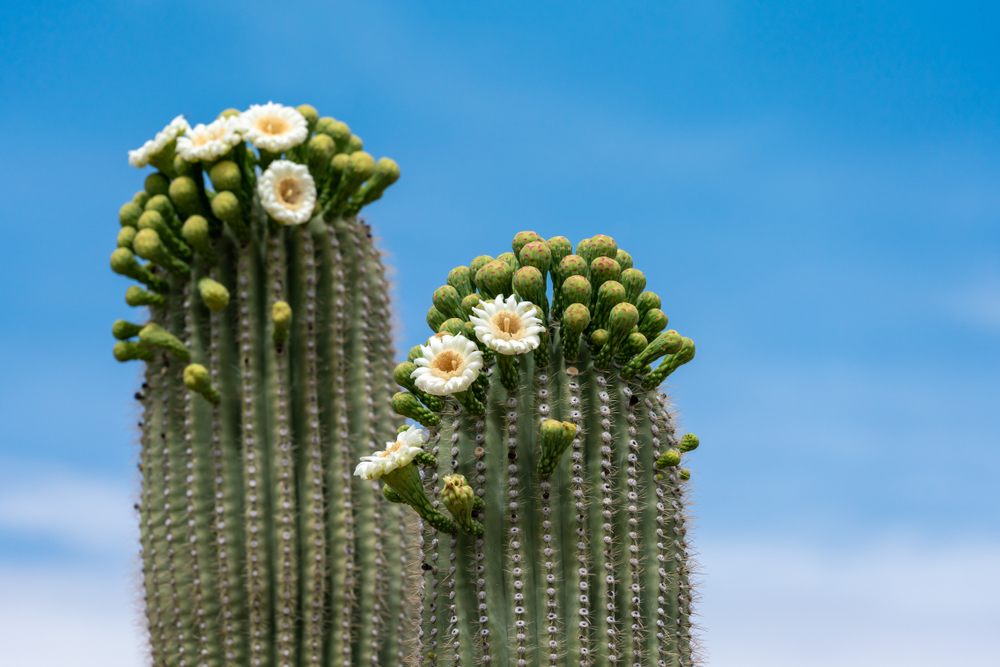
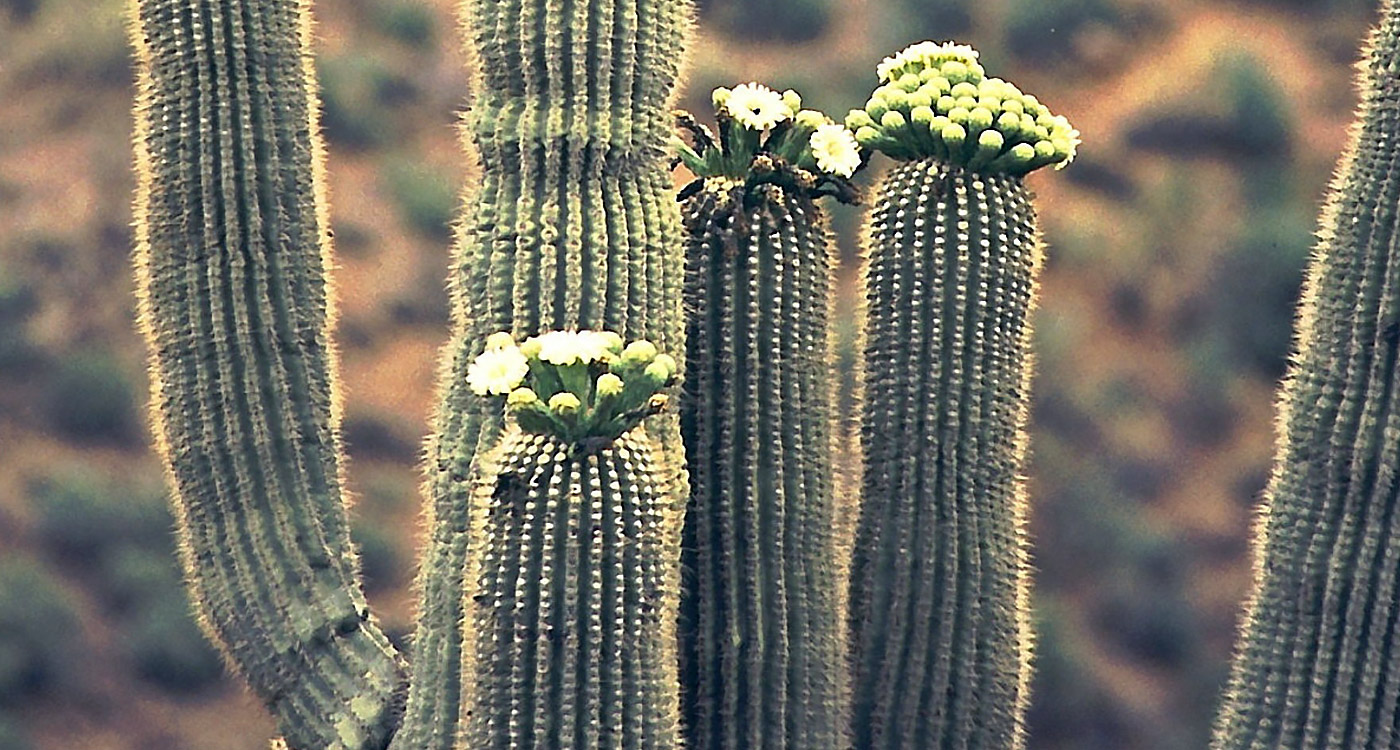
The Saguaro Cactus Blossom is a truly magnificent sight. Each flower measures approximately 3-4 inches wide, boasting waxy, creamy-white petals that radiate outwards from a yellow-stamened center. Growing in clusters at the tips of the Saguaro’s trunk and arms, they create a breathtaking crown of white against the deep green of the cactus and the azure Arizona sky. The blossoms possess a subtle, yet distinct, melon-like fragrance, particularly noticeable after dark, adding another layer to their enchanting appeal.
For photographers and nature enthusiasts, capturing the beauty of these blooms is a rewarding challenge. The contrast of the delicate white petals against the rugged cactus skin and the vast desert backdrop makes for truly stunning images. These blossoms are not just beautiful; they are a beacon of life and renewal in a landscape often perceived as barren.
A Nighttime Spectacle: The Blooming Cycle
One of the most fascinating aspects of the Saguaro Cactus Blossom is its nocturnal blooming habit. The flowers typically begin to open shortly after sunset and remain open throughout the night, releasing their sweet fragrance to attract pollinators. By mid-morning the following day, as the desert sun intensifies, the delicate petals begin to wilt and close. Each flower blooms for only about 24 hours, making the opportunity to witness them a fleeting and special event.
The blooming season typically occurs from late April through early June, peaking in mid-May. This limited window means that careful planning is essential for travelers hoping to catch this natural spectacle. Many hotels and resorts in Arizona offer special packages or guided tours during this peak season, catering to tourists eager to experience this unique desert phenomenon. Observing the blossoms requires a combination of good timing and a willingness to explore, often at dawn or dusk, creating memorable experiences for those who venture out.
Ecological Wonders: Pollinators and Desert Life
The short, nocturnal blooming cycle of the Saguaro Cactus Blossom is intricately linked to the desert’s unique ecosystem. Its primary pollinators are lesser long-nosed bats and Mexican long-tongued bats, which emerge from their roosts at night to feed on the nectar. As they move from flower to flower, they inadvertently transfer pollen, ensuring the cactus’s reproduction. During the day, doves, bees, and other insects also visit the flowers, contributing to the pollination process.
Following successful pollination, the blossoms give way to a vibrant, ruby-red fruit that ripens in late June and July. This fruit is not only delicious but also a crucial food source for a myriad of desert animals, including birds, coyotes, and javelinas. Each fruit contains thousands of tiny black seeds, which, once dispersed, hold the promise of new Saguaro life. This cycle underscores the Saguaro’s foundational role in the Sonoran Desert food web, making it a keystone species and a testament to the interconnectedness of desert life. For those interested in ecotourism and wildlife observation, the Saguaro’s blooming and fruiting seasons offer unparalleled opportunities to witness the desert’s vibrant biological activity.

Experiencing Arizona’s Desert Beauty: Travel and Accommodation Tips
For any traveler with an interest in natural beauty, cultural heritage, or unique ecological experiences, a journey to Arizona to witness the Saguaro Cactus Blossom is a must. The state offers a wealth of attractions and amenities to ensure a comfortable and enriching visit.
Best Time to Witness the Blooms
As mentioned, the optimal time to see the Saguaro Cactus Blossom is from late April through early June, with May often being the peak. During this period, the desert temperatures are warm but generally not yet reaching the intense heat of mid-summer, making for pleasant outdoor exploration. This is an ideal time for hiking, photography, and simply marveling at the desert’s vibrant rebirth. Planning your travel around this specific window will maximize your chances of seeing the desert floor dotted with these stunning white blooms.
Top Destinations for Saguaro Sightings
The best place to experience the Saguaros and their blossoms is within the boundaries of the Sonoran Desert. Two regions stand out:
- Saguaro National Park: Divided into two districts, one just east of Tucson (Rincon Mountain District) and one just west of Tucson (Tucson Mountain District), this park is dedicated to protecting these magnificent cacti. Both districts offer scenic drives, interpretive trails, and incredible opportunities to see Saguaros up close, often adorned with their beautiful blossoms during the spring. The visitor centers provide valuable information on the best viewing spots and local ecology.
- Greater Phoenix Area: While Saguaro National Park is undeniably the prime location, many areas around Phoenix, Scottsdale, and Tempe also boast significant Saguaro populations. The Desert Botanical Garden in Phoenix is an excellent place to see a variety of desert flora, including Saguaros in bloom, in a beautifully curated setting. Hiking trails in the surrounding mountain preserves, such as South Mountain Park or McDowell Sonoran Preserve, also offer chances to spot blooming Saguaros in their natural habitat.
- Arizona-Sonora Desert Museum: Located near Tucson, this unique institution functions as a zoo, botanical garden, and natural history museum, all focused on the Sonoran Desert ecosystem. It provides an immersive experience to learn about Saguaros and witness their blossoms, along with other desert plants and animals.
- Organ Pipe Cactus National Monument: While famous for its namesake cactus, this monument in southern Arizona also harbors significant Saguaro populations and offers a more remote, rugged desert experience.
Planning Your Desert Escape: Hotels and Resorts
Arizona is renowned for its world-class hotels, resorts, and diverse accommodation options, catering to every style of traveler and budget. When planning your trip to see the Saguaro Cactus Blossom, consider staying in or near Tucson or Phoenix for convenient access to prime viewing locations.
In Tucson, luxury resorts like The Ritz-Carlton, Dove Mountain, JW Marriott Starr Pass Resort & Spa, Loews Ventana Canyon Resort, and Westin La Paloma Resort & Spa offer stunning desert views, often with Saguaros growing right on their properties. These establishments provide a luxurious base from which to explore, often featuring amenities such as golf courses, spas, and guided desert experiences. For those seeking unique local charm, boutique hotels and charming B&Bs also abound, offering a more intimate connection to the local culture.
Near Phoenix and Scottsdale, you’ll find an even wider array of choices, from opulent destinations like Four Seasons Resort Scottsdale at Troon North and Hyatt Regency Scottsdale Resort & Spa at Gainey Ranch to more budget-friendly hotels and vacation rentals. Many resorts are designed to blend seamlessly with the desert environment, offering opportunities to see Saguaros and other desert flora right from your balcony or patio. Whether you prefer a sprawling resort with all the amenities or a cozy apartment for a long-term stay, Arizona has an accommodation option for every preference. Booking in advance, especially during the peak spring travel season, is highly recommended.
Embracing the Desert Lifestyle
A trip to witness the Saguaro Cactus Blossom is more than just a sightseeing excursion; it’s an invitation to embrace the distinct desert lifestyle. This includes appreciating the quiet majesty of the landscape, learning about sustainable living in an arid environment, and engaging with the vibrant local communities. Enjoying local cuisine, exploring the arts and crafts inspired by the desert, and participating in outdoor activities like hiking, birdwatching, or stargazing are all part of the authentic Arizona experience.
Whether you’re planning a family trip, a romantic getaway, or a solo adventure, the Saguaro Cactus Blossom serves as a beautiful focal point for discovering the wonders of Arizona. It’s a reminder of the delicate balance of nature and the extraordinary beauty that can emerge from the most challenging conditions, making your travel not just a destination but a transformative journey. The state flower of Arizona is truly a symbol worth celebrating, and witnessing its fleeting beauty is an experience that will stay with you long after you’ve left the desert’s warm embrace.
LifeOutOfTheBox is a participant in the Amazon Services LLC Associates Program, an affiliate advertising program designed to provide a means for sites to earn advertising fees by advertising and linking to Amazon.com. Amazon, the Amazon logo, AmazonSupply, and the AmazonSupply logo are trademarks of Amazon.com, Inc. or its affiliates. As an Amazon Associate we earn affiliate commissions from qualifying purchases.