
The state of Idaho is a land defined by its rugged landscapes, towering peaks, and deep river canyons. Within this vast wilderness of the United States, certain symbols emerge to represent the spirit and heritage of the region. Among the most delicate yet resilient of these symbols is the Syringa, officially known as the state flower. While many know Idaho for its famous agricultural exports, the Syringa offers a glimpse into the natural history and botanical diversity that makes the Gem State a premier destination for nature enthusiasts and historians alike.
The Historical Significance of the Syringa
The journey of the Syringa from a wild mountain shrub to an official state emblem is a fascinating chapter in the history of the Pacific Northwest. Its path to recognition was paved by explorers, early settlers, and a burgeoning sense of civic pride during the late 19th century.
The 1893 World’s Columbian Exposition
The selection of the Syringa as a symbol for Idaho can be traced back to the World’s Columbian Exposition held in Chicago in 1893. This massive international fair was a platform for states to showcase their unique identities, resources, and beauty. Each state was encouraged to select a representative flower to feature at the exposition.
Idaho, having only gained statehood in 1890, was eager to establish its presence on the national stage. The Syringa was chosen by a committee of women to represent the state at the Chicago fair. Its sweet fragrance and pure white blossoms stood out, symbolizing the purity and untapped potential of the frontier. This exposure solidified the flower’s association with the state long before it was formally codified into law.
Legislative Designation and State Identity
Despite its popularity at the world’s fair, it took several more decades for the Syringa to be officially recognized. In 1931, the Idaho State Legislature formally designated the Syringa (Philadelphus lewisii) as the state flower. The specific species name, “lewisii,” honors Meriwether Lewis, the famed explorer who led the Lewis and Clark Expedition.
Meriwether Lewis was the first European-American to collect and document the plant during his travels through the region in 1806. By choosing this flower, Idaho not only celebrated its natural beauty but also paid homage to the era of discovery and the historical figures who mapped the wild terrain of the North American continent.
Botanical Profile of the Syringa
To truly appreciate the Syringa, one must look beyond its name. Interestingly, the common name “Syringa” is also the botanical name for the lilac genus, but the Idaho state flower is actually a member of the hydrangea family. Understanding its physical and biological traits helps explain why it thrives in the unique climate of the Rocky Mountains.
Identifying the Philadelphus Lewisii
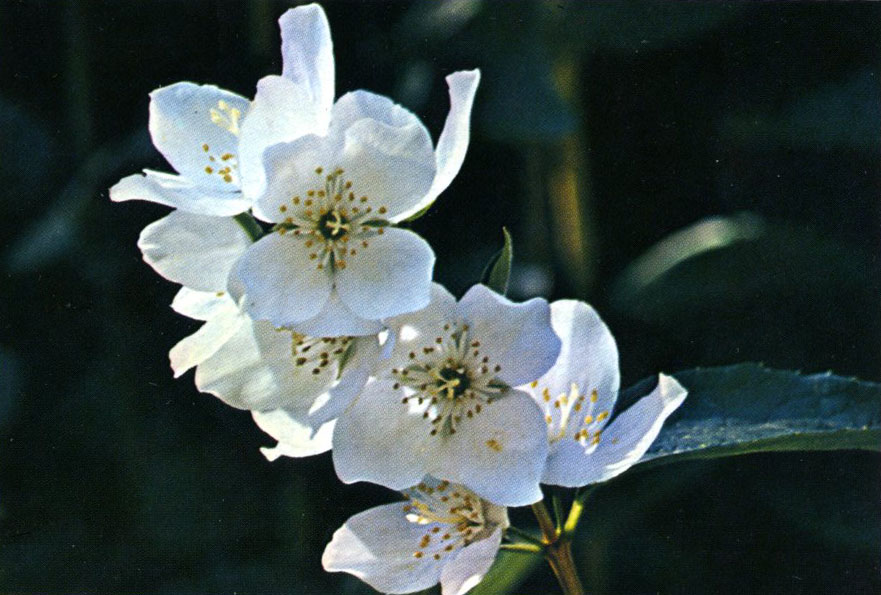
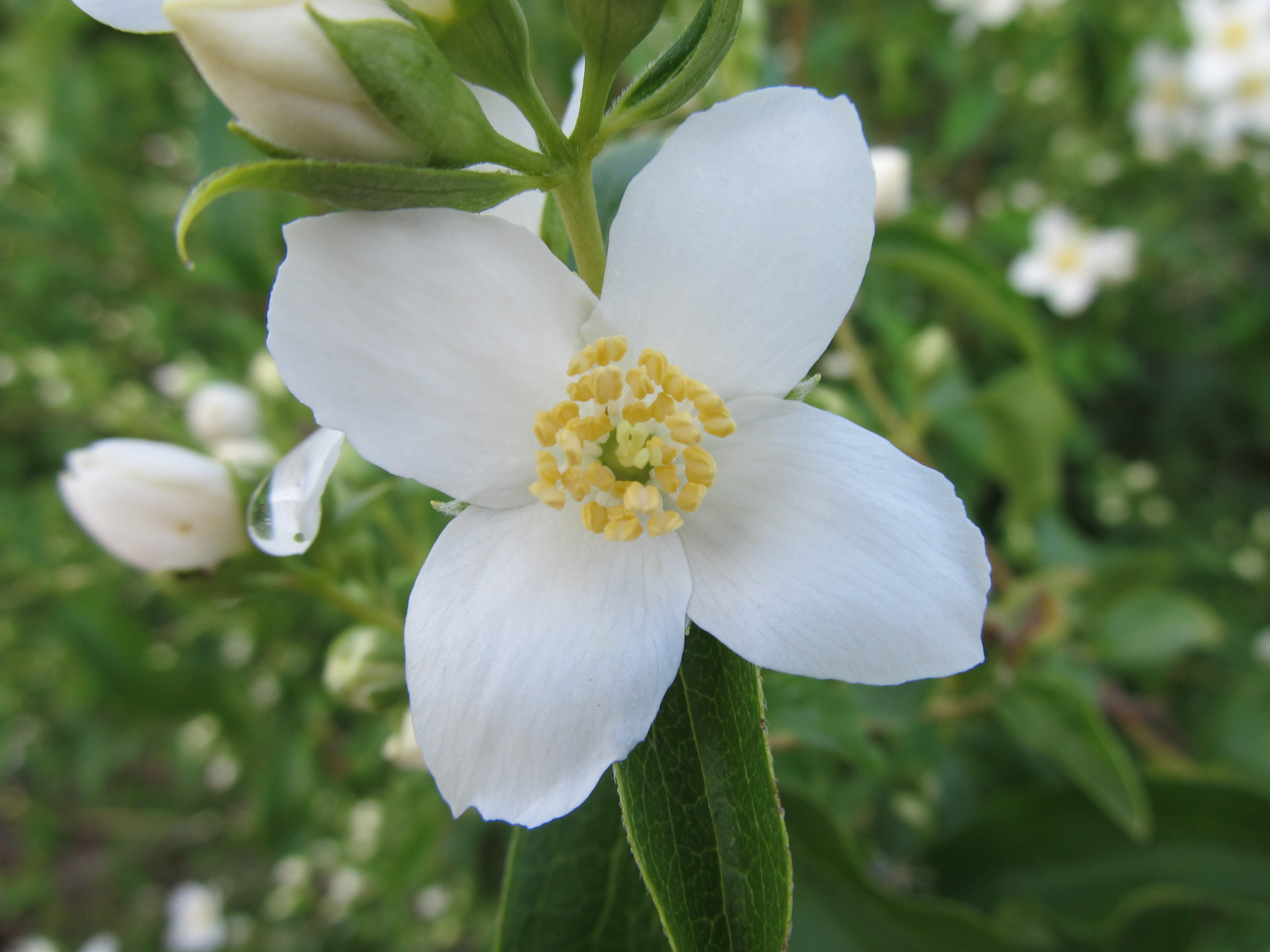
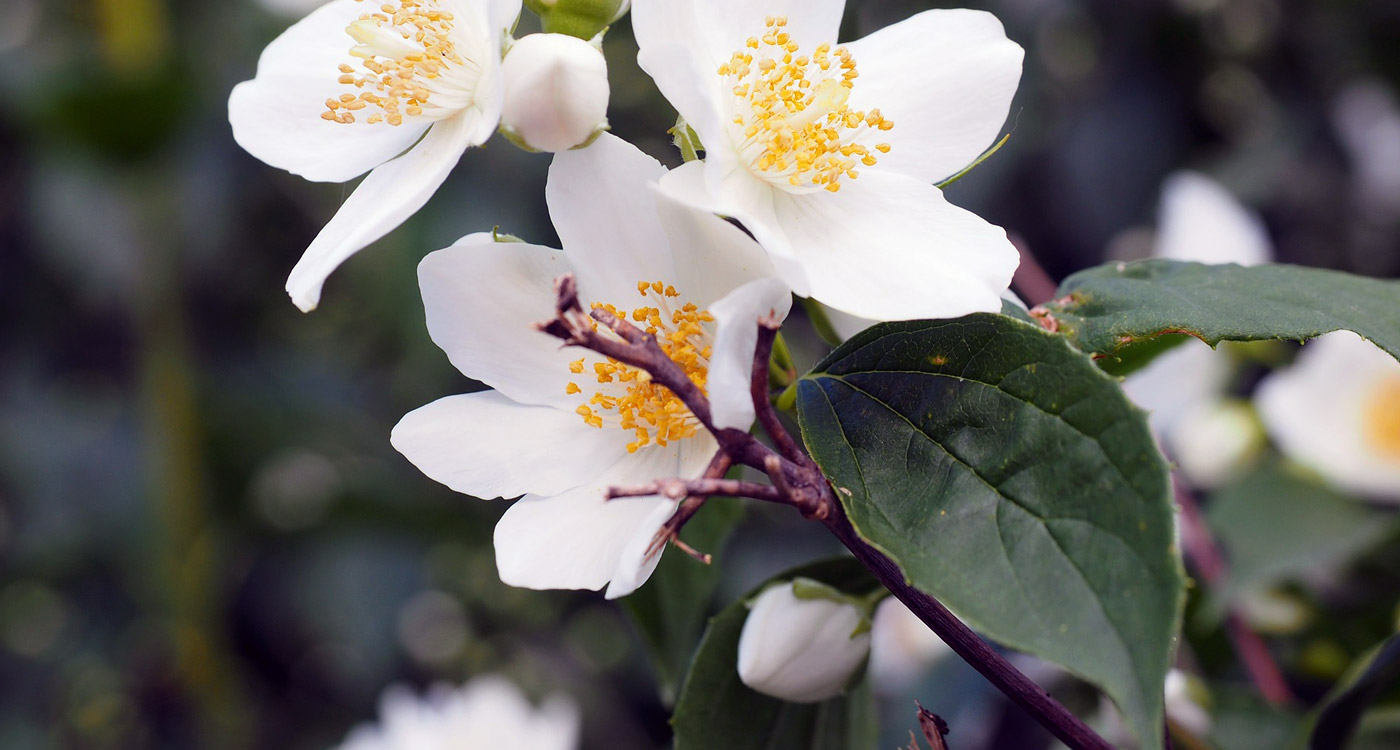
The Syringa is a deciduous shrub that can grow anywhere from 3 to 10 feet in height. It is most easily identified by its clusters of white, four-petaled flowers that feature a prominent center of yellow stamens. These blooms are famous for their heavy, sweet scent, which many compare to the fragrance of orange blossoms. This similarity earned the plant its other common nickname: the “Mock Orange.”
The leaves of the Syringa are opposite, oval-shaped, and slightly serrated on the edges. During the winter, the shrub sheds its leaves, leaving behind woody stems with a characteristic shredding bark. This rugged exterior allows the plant to survive the harsh winters of North America before bursting into life each spring.
Growth Cycles and Seasonal Blooms
The blooming season for the Syringa typically occurs from late May through July, depending on the elevation. In the lower valleys near Boise, the flowers may appear earlier, while in the higher altitudes of the Sawtooth Range, they may wait until the peak of summer.
The shrub is incredibly hardy and can grow in a variety of soil types, though it prefers well-drained rocky soils. It is often found clinging to hillsides or nestled in the shade of larger trees. Its ability to thrive in the “syringa-belt”—a specific elevation range that stretches across the state—makes it a common sight for hikers and explorers traversing the Idaho backcountry.
Natural Habitats and Landmark Locations
For those wishing to see the state flower in its natural habitat, Idaho offers some of the most stunning backdrops in the world. The Syringa is not a garden-bound plant; it is a creature of the wild, often found near the state’s most famous landmarks.
The Rocky Mountains and River Canyons
The Syringa is a frequent resident of the Rocky Mountains, where it finds the perfect balance of sun and moisture. One of the best places to witness the bloom is along the banks of the Salmon River. Known as the “River of No Return,” this waterway carves through deep canyons where the Syringa grows in abundance on the rocky slopes.
Similarly, the Snake River provides an ideal environment for these shrubs. In Hell’s Canyon, the deepest river gorge in North America, the white blossoms of the Syringa provide a stark and beautiful contrast to the dark, volcanic rock walls of the canyon. Exploring these landmarks during the early summer offers a sensory experience defined by the sight of white-clad hillsides and the overwhelming scent of Mock Orange.
Seeing the Bloom in Boise and Northern Idaho
For those who prefer a more accessible experience, the Idaho Botanical Garden in Boise features curated displays of the state flower, allowing visitors to appreciate the species without a strenuous hike. However, for a truly immersive experience, a trip to Northern Idaho is recommended.
The area around Coeur d’Alene and Sandpoint is rich with Syringa growth. The moist, forested regions near Lake Pend Oreille provide the perfect conditions for the shrub to reach its maximum height. Whether you are driving the Sawtooth Scenic Byway or hiking near Sun Valley, the presence of the Syringa serves as a constant reminder of Idaho’s natural heritage.
Cultural and Ecological Importance
Beyond its status as a landmark of the Idaho landscape, the Syringa carries deep cultural significance for the indigenous peoples of the region and plays a vital role in the local ecosystem.
Indigenous Uses by the Nez Perce Tribe
Long before the arrival of the Lewis and Clark Expedition, the Syringa was a valued resource for the Nez Perce tribe. The plant was known for more than just its aesthetic beauty. The hard, straight wood of the Syringa branches was utilized by the Nez Perce and the Shoshone Bannock tribes to craft essential tools.
The wood was particularly prized for making arrows, pipe stems, and cradles. Furthermore, the bark and leaves contain saponins, which create a mild soapy lather when rubbed with water. Indigenous peoples used this natural soap for washing both skin and clothing. This traditional knowledge highlights the Syringa as a plant of utility and survival, deeply woven into the cultural fabric of the Pacific Northwest.
Supporting Local Biodiversity
Ecologically, the Syringa is a powerhouse for local biodiversity. Its fragrant flowers are a magnet for pollinators, including bees, butterflies, and hummingbirds. By providing a rich source of nectar during the late spring and early summer, the Syringa supports the health of the entire ecosystem.
In addition to supporting insects, the shrub provides cover and nesting sites for various bird species. In the rugged terrains of the Sawtooth National Forest or the volcanic landscapes near Craters of the Moon National Monument, the Syringa acts as a pioneer species, often one of the first to colonize rocky or disturbed soils, helping to stabilize the land and pave the way for other vegetation.
Preserving Idaho’s Natural Legacy
As Idaho continues to grow and more people flock to its scenic vistas, the preservation of the Syringa and its habitat becomes increasingly important. It is more than just a flower; it is a landmark of the Idaho spirit—resilient, beautiful, and deeply rooted in the history of the American West.
Whether you are a resident of Nampa or a visitor exploring the Frank Church River of No Return Wilderness, taking a moment to identify the Syringa connects you to the stories of the past. From the journals of Meriwether Lewis to the ancient traditions of the Nez Perce, this white blossom remains a steadfast symbol of the Gem State. By respecting the natural environments where it grows, we ensure that future generations can also experience the intoxicating scent and delicate beauty of Idaho’s state flower.
LifeOutOfTheBox is a participant in the Amazon Services LLC Associates Program, an affiliate advertising program designed to provide a means for sites to earn advertising fees by advertising and linking to Amazon.com. Amazon, the Amazon logo, AmazonSupply, and the AmazonSupply logo are trademarks of Amazon.com, Inc. or its affiliates. As an Amazon Associate we earn affiliate commissions from qualifying purchases.