
The question of a state’s floral emblem often sparks curiosity, inviting a deeper dive into the natural beauty and cultural heritage that defines a region. For New Hampshire, this inquiry leads us to a bloom that, while perhaps not as universally recognized as some other state flowers, holds a significant place in the state’s identity and history. Understanding the New Hampshire state flower is not merely about identifying a pretty plant; it’s about appreciating the natural landscapes that inspire residents and visitors alike, and how these symbols become woven into the fabric of state pride.
The Purple Lilac: A Symbol of Enduring Beauty
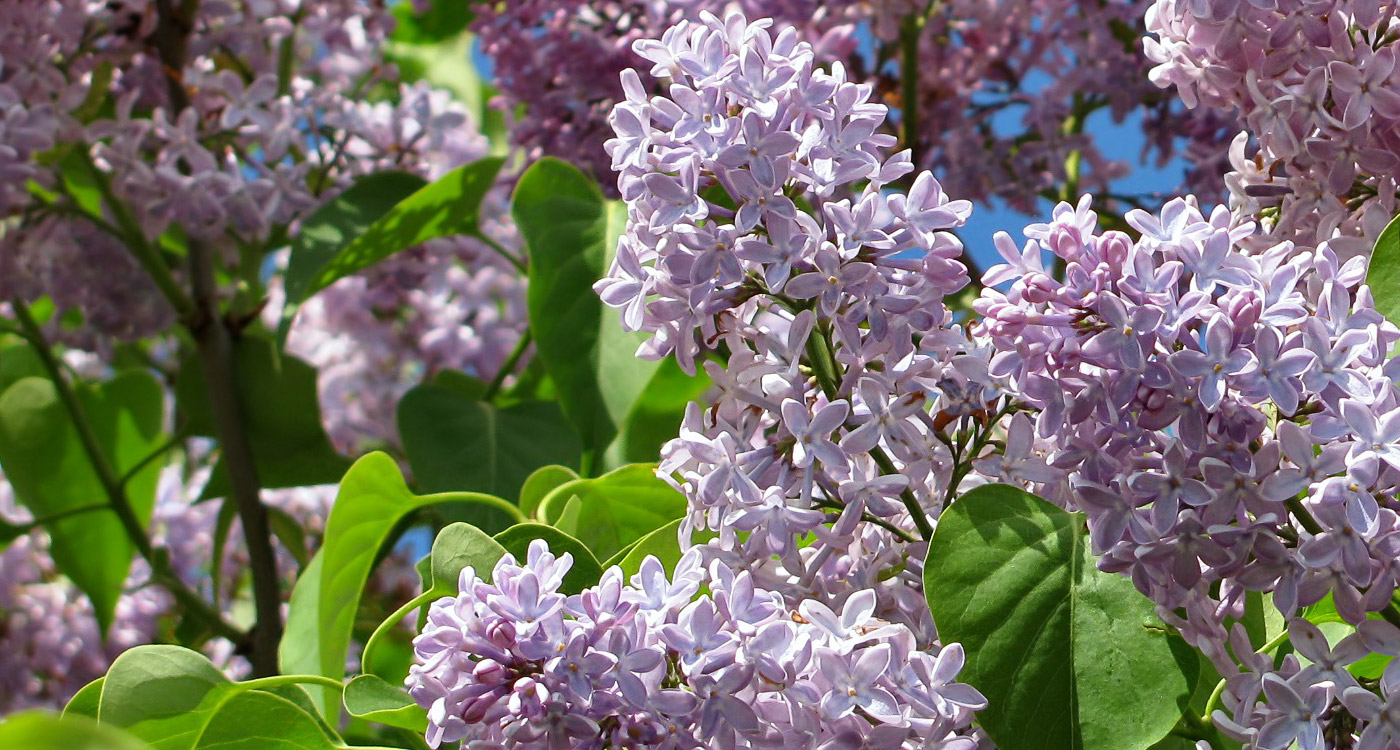
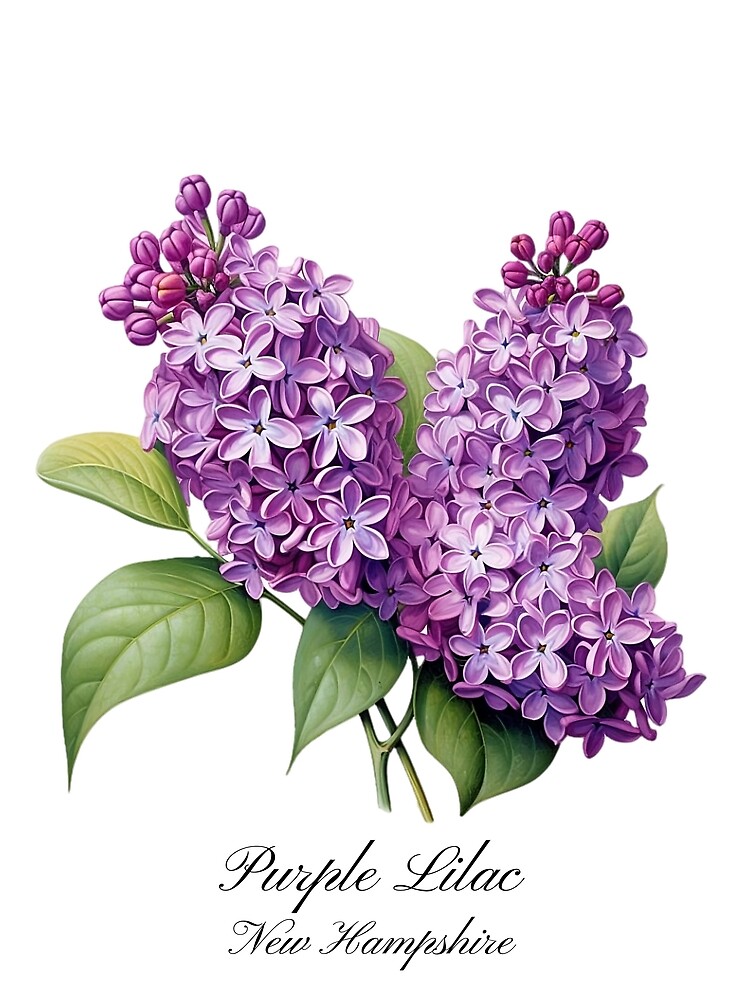
The official state flower of New Hampshire is the Purple Lilac (Syringa vulgaris). Adopted as the state flower in 1919, the lilac was chosen for its widespread cultivation throughout the state, its fragrant blossoms, and its association with hardy, enduring beauty – qualities often attributed to the people of the Granite State. While the common lilac is native to southeastern Europe and northeastern Asia, it has naturalized and thrived in the climate of New England for centuries, becoming a familiar and cherished sight.
The lilac’s appeal lies in its clusters of small, intensely fragrant flowers, which bloom in shades of purple, lilac, and white during the spring months. These blossoms not only provide a visual spectacle but also fill the air with a sweet perfume, a welcome herald of warmer weather after a long New England winter. The shrub itself is robust and resilient, capable of withstanding the region’s often harsh weather conditions, mirroring the tenacity of the state’s history and its inhabitants.
Historical Significance and Cultural Resonance
The choice of the Purple Lilac as the state flower was not arbitrary. It reflected a desire to honor a plant that was deeply ingrained in the domestic landscape of New Hampshire. For generations, lilacs have been planted around homesteads, gracing the gardens of farms and villages across the state. Their presence often evokes memories of spring planting, family gatherings, and the simple pleasures of rural life.
In the early 20th century, when the legislative process selected the lilac, there was a growing movement across the United States to designate state flowers. This trend aimed to foster a sense of regional identity and to celebrate the unique botanical treasures of each state. New Hampshire’s selection of the lilac was a testament to its pervasive presence and its enduring appeal to the state’s population. The democratic process that led to its adoption—often involving public opinion and legislative debate—underscores the flower’s connection to the people.
Beyond its aesthetic qualities, the lilac’s symbolism is rich. Its fragrant blooms can represent nostalgia and cherished memories, while its ability to thrive in various conditions speaks to resilience and strength. These are qualities that resonate deeply with the narrative of New Hampshire, a state known for its independent spirit and its connection to the land.
Experiencing the Lilac in New Hampshire
While the Purple Lilac is a common sight in many gardens, experiencing its full glory in New Hampshire offers a unique opportunity for visitors and residents to connect with the state’s natural beauty. The spring, typically from late May to early June, is the prime time to witness lilacs in bloom.
Gardens and Public Spaces
Many public gardens and private estates across New Hampshire feature extensive lilac collections. Parks in towns and cities often boast these fragrant shrubs, providing accessible spots for enjoyment. Driving through rural byways, especially in areas with older settlements, one can often spot mature lilac bushes, remnants of past plantings, still producing vibrant blooms.
The Daniel Webster House and the grounds of historic homes throughout the state sometimes feature well-maintained gardens that include lilacs, offering a glimpse into the past alongside the seasonal floral displays. Exploring these locations can provide a deeper appreciation for the historical cultivation of the flower and its integration into the state’s landscape.
Lilac Festivals and Events
While not as widely publicized as some other state flower festivals, smaller community events may celebrate the lilac season. These gatherings often coincide with the peak bloom and can include garden tours, craft fairs, and local food vendors. Checking local tourism boards or town websites during the spring months can reveal any specific lilac-themed events.

Connecting with Nature
Beyond designated gardens, simply taking a stroll through residential neighborhoods or along country roads during late spring can be a delightful way to encounter the Purple Lilac. The scent alone is a powerful sensory experience that defines the season in many parts of New Hampshire.
The Broader Significance of State Flowers
The designation of a state flower serves a broader purpose beyond mere botanical identification. It acts as a symbol that can be incorporated into state seals, flags, and other official insignia, visually representing the state’s identity. For tourists, learning about a state’s flower can offer a unique avenue for exploration, encouraging visits to areas known for their specific flora or highlighting aspects of local culture tied to these natural emblems.
For instance, a visitor interested in the New Hampshire state flower might plan a trip in late spring to experience the lilac blooms firsthand. This could lead to discovering charming small towns, visiting local historical sites, or enjoying regional culinary specialties that are in season. This kind of engagement enriches the travel experience, transforming a simple visit into an exploration of a place’s unique character.
The Purple Lilac, in its quiet way, embodies many of the qualities that make New Hampshire a distinctive destination. Its resilience, its fragrant beauty, and its deep roots in the state’s history and domestic life make it a fitting emblem for the Granite State, a reminder of the enduring charm found within its natural landscapes.
Beyond the Bloom: Exploring New Hampshire’s Natural Heritage
While the Purple Lilac holds the title of the state flower, New Hampshire’s natural heritage extends far beyond this single bloom. The state is renowned for its diverse landscapes, from the rugged peaks of the White Mountains to the picturesque coastline along the Atlantic Ocean. Understanding the state flower can be a gateway to appreciating this broader tapestry of natural wonders.
The White Mountains and their Flora
The White Mountains are a significant natural landmark in New Hampshire, offering breathtaking scenery and a wealth of hiking and outdoor activities. While lilacs are not characteristic of the alpine environment, the mountains boast their own unique flora. In the lower elevations, one can find wildflowers that bloom throughout the spring and summer, adding splashes of color to the trails. The forests themselves, with their towering pines and deciduous trees, are a vital part of the state’s natural identity.
Coastal Beauty and its Botanical Treasures
New Hampshire’s brief but beautiful coastline, stretching for about 18 miles, also possesses its own distinct ecosystem and plant life. Coastal marshes, sandy beaches, and rocky shores support specialized plants adapted to saline conditions. While less visually dramatic than mountain vistas, these coastal areas are crucial habitats and offer a different facet of the state’s botanical diversity.
Autumn’s Splendor
Although the Purple Lilac is a spring phenomenon, New Hampshire is perhaps most famous for its spectacular autumn foliage. Millions of visitors flock to the state each fall to witness the vibrant transformation of leaves from green to hues of red, orange, and yellow. This seasonal spectacle, driven by the diverse deciduous trees like maples, oaks, and birches, is a powerful draw and a defining characteristic of the state’s appeal, rivaling even the fragrance of spring lilacs in terms of public recognition.
Connecting Floral Emblems to Travel Experiences
The Purple Lilac, as New Hampshire’s state flower, encourages travelers to appreciate the subtle beauty of the state. It might inspire a visit during late spring to seek out blooming gardens, or simply to notice these fragrant shrubs dotting the landscape as one drives through charming towns like Concord or Portsmouth. This focus on a specific natural symbol can lead to a more intimate and personalized travel experience, encouraging a deeper connection with the local environment and culture, rather than just visiting the major landmarks. It adds a layer of appreciation for the smaller, more intimate details that contribute to the overall charm of the Granite State.
LifeOutOfTheBox is a participant in the Amazon Services LLC Associates Program, an affiliate advertising program designed to provide a means for sites to earn advertising fees by advertising and linking to Amazon.com. Amazon, the Amazon logo, AmazonSupply, and the AmazonSupply logo are trademarks of Amazon.com, Inc. or its affiliates. As an Amazon Associate we earn affiliate commissions from qualifying purchases.