
Navigating the financial landscape of any destination is a crucial aspect of planning a trip, particularly when considering extended stays or investment in local properties. For travelers and prospective residents alike, understanding a region’s tax structure can significantly impact budgeting and overall financial strategy. In the case of Florida, a state renowned for its sun-drenched beaches, vibrant cities, and thriving tourism industry, a key feature of its fiscal policy is the absence of a state income tax. This distinction sets it apart from many other states in the United States and has profound implications for individuals and businesses.
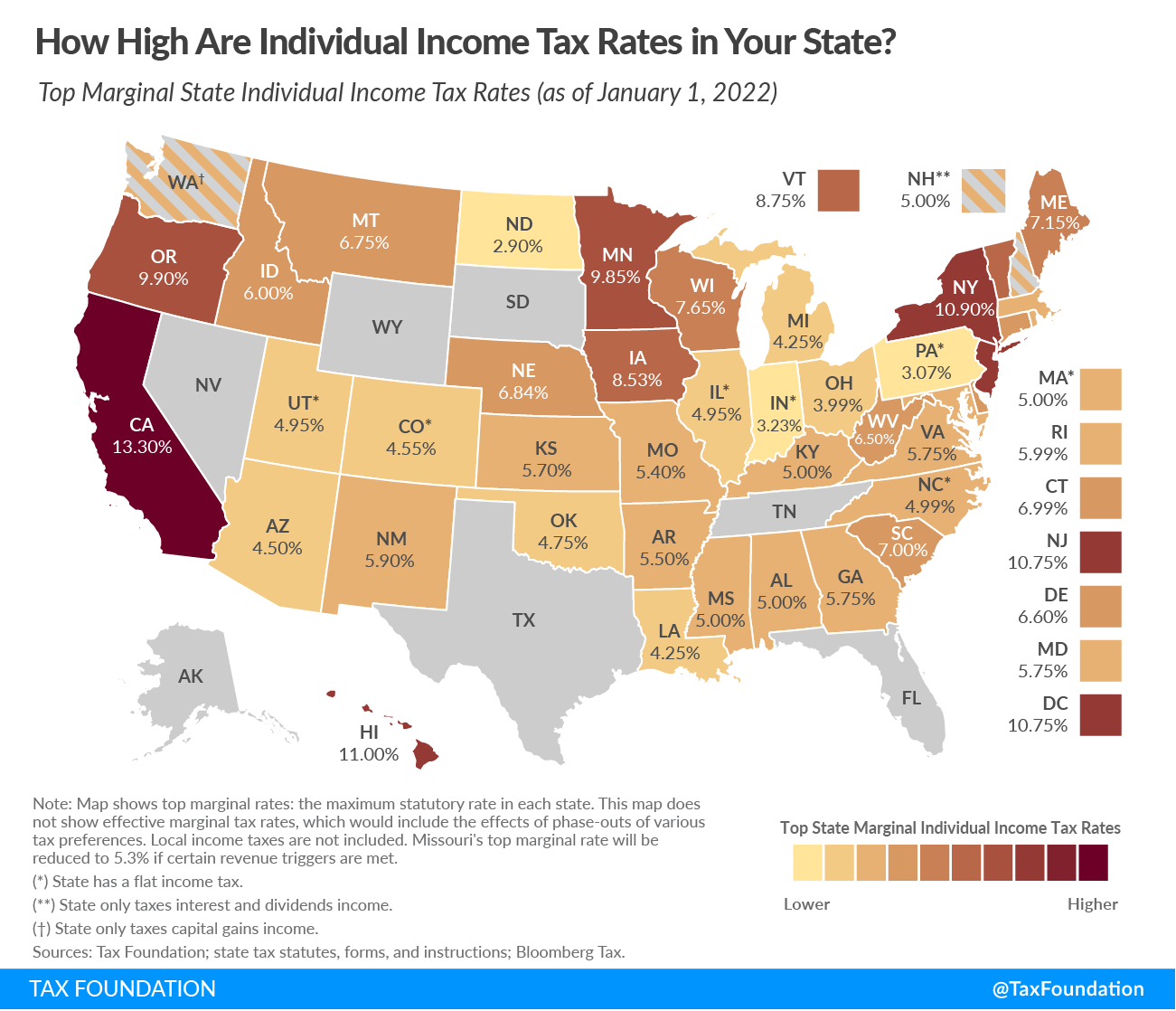
The Florida Tax Advantage: No State Income Tax
The most significant financial perk of Florida for its residents and frequent visitors is its lack of a state income tax. This means that individuals do not have to pay a portion of their earnings to the state government. This policy has been a cornerstone of Florida‘s economic development strategy for decades, attracting a steady influx of new residents, businesses, and tourists seeking to maximize their disposable income.
Implications for Residents
For individuals who choose to make Florida their permanent home, the absence of state income tax translates to more money in their pockets. This can significantly impact retirement planning, allowing retirees to stretch their savings further. For working professionals, it means a higher take-home pay, which can be reinvested in the local economy, used for leisure activities, or saved. This financial benefit is often cited as a primary driver for relocation, especially for those moving from states with high income tax rates. The economic freedom afforded by this policy allows residents to allocate their earnings toward personal goals, entertainment, and enjoying the abundant lifestyle Florida offers, from the theme parks of Orlando to the pristine beaches of Siesta Key.
Implications for Businesses
The business environment in Florida is also significantly influenced by the absence of state income tax. Companies relocating to or expanding within the state benefit from reduced operational costs. This can lead to increased profitability, allowing businesses to invest more in growth, employee benefits, and innovation. Many corporations, particularly in sectors like technology, aerospace, and finance, have established significant presences in Florida partly due to this tax advantage. Cities like Miami, Tampa, and Jacksonville have become hubs for businesses eager to tap into the state’s pro-business climate. This attracts not only large corporations but also a robust ecosystem of small and medium-sized enterprises, fostering a dynamic and competitive economic landscape.
The Trade-Off: Other Taxes
While Florida boasts no state income tax, it’s essential for travelers and residents to understand that the state relies on other revenue streams to fund public services. These include sales tax, property tax, and various other fees and excise taxes.
Sales Tax
Florida levies a state sales tax, which applies to the sale of tangible goods and certain services. The current state sales tax rate is 6%, with additional local discretionary sales surtaxes that can bring the total rate up to 7.5% or even higher in some counties. This tax is collected at the point of sale and is a significant source of revenue for the state. For tourists, this means factoring in an additional percentage when purchasing souvenirs, dining out, or engaging in other retail activities. Certain essential items, such as most groceries, prescription drugs, and certain services, are exempt from sales tax, making the tax burden more manageable for residents. Understanding the nuances of sales tax, including exemptions and local variations, is key to effective budgeting for any visitor or long-term resident. The revenue generated from sales tax funds crucial public services, including education, infrastructure, and law enforcement.
Property Tax
Property taxes are a primary source of funding for local governments in Florida, including counties, cities, and school districts. These taxes are levied on the assessed value of real estate. The rates vary significantly depending on the location and the specific taxing authorities. Florida offers homestead exemptions for primary residences, which can reduce the taxable value of a home. Additionally, there are other exemptions available for seniors, veterans, and individuals with disabilities. For property owners, understanding their property tax obligations is vital. This tax revenue is critical for funding local schools, police and fire departments, and maintaining local infrastructure such as roads and parks. The property tax system can be complex, with different assessment methods and tax rates across the state.
Other Taxes and Fees
Beyond sales and property taxes, Florida also imposes other taxes and fees that can impact visitors and residents. These include:
- Gasoline Tax: A tax on motor fuel, contributing to road maintenance and transportation projects.
- Cigarette and Tobacco Taxes: Excise taxes on tobacco products.
- Alcoholic Beverage Taxes: Taxes levied on the sale of alcoholic beverages.
- Tourist Development Tax: Some counties impose an additional tax on short-term accommodations (like hotels and vacation rentals) to fund tourism promotion and development efforts. This tax is particularly relevant for tourists staying in hotels or renting properties.
- Recreational Vehicle and Boat Registration Fees: Fees associated with owning and operating these types of vehicles.
- Tangible Personal Property Tax: While not a significant tax for most tourists, businesses may be subject to a tax on their tangible personal property.

These various taxes and fees, while not a direct income tax, collectively contribute to the state’s revenue and can influence the overall cost of living and visiting Florida.
Why No State Income Tax Matters for Tourism
The absence of a state income tax in Florida has a ripple effect that directly benefits the tourism industry. When individuals have more disposable income, they are more likely to spend it on leisure activities, travel, and dining out. This financial advantage makes Florida an attractive destination for both domestic and international travelers.
Increased Disposable Income for Visitors
For visitors, the lack of state income tax means that their earnings are not further reduced by state-level deductions before they even reach their vacation budget. This can translate into more funds available for booking premium accommodations, enjoying fine dining experiences, visiting attractions like Walt Disney World Resort or Universal Orlando Resort, and participating in various activities. The ability to keep more of their hard-earned money makes Florida a more appealing choice for vacationers looking to maximize their travel experience. This economic liberation encourages longer stays and more frequent visits.
Competitive Pricing for Businesses
Businesses in the tourism sector, such as hotels, restaurants, and entertainment venues, also benefit indirectly. With a generally lower cost of living and more disposable income among its residents, Florida can foster a robust local market that supports the tourism industry even during off-peak seasons. Furthermore, the overall economic health of the state, bolstered by its tax structure, can lead to greater investment in infrastructure and attractions, making Florida an even more compelling destination. This creates a virtuous cycle where the tax advantage fuels economic activity, which in turn enhances the appeal and offerings for tourists.
Attracting Long-Term Stays and Second Homes
The allure of no state income tax extends beyond short vacation stays. It is a significant factor for individuals considering purchasing vacation homes or even establishing a second residence in Florida. The cumulative savings on income tax over years can be substantial, making properties in areas like Naples or the Florida Keys more financially viable as investment or retirement destinations. This influx of individuals who spend extended periods in the state contributes significantly to the tourism economy through continuous spending on local goods and services.
Understanding the Fiscal Model
Florida‘s fiscal model, which eschews income tax in favor of other revenue sources, is a deliberate choice that has shaped its economic identity. While the absence of an income tax is a major draw, it necessitates a robust reliance on other taxes, primarily sales and property taxes. This creates a tax system that is more consumption-based than income-based.
Sales Tax as a Primary Revenue Driver
As mentioned, sales tax is a critical revenue source for Florida. The state’s vibrant retail sector and thriving tourism industry contribute significantly to this tax base. Tourists, in particular, are substantial contributors to sales tax revenue, as they engage in significant spending on goods and services during their visits. This reliance means that fluctuations in consumer spending and tourism numbers can have a direct impact on state revenues.
Property Tax’s Role in Local Governance
Property taxes are the bedrock of local government funding in Florida. They support essential services at the county and municipal levels, including schools, public safety, and infrastructure. The real estate market, driven in part by the influx of new residents attracted by the tax climate, plays a crucial role in generating this revenue. However, it also means that property owners bear a significant tax burden, although various exemptions aim to mitigate this.

Conclusion: A Distinctive Financial Appeal
The absence of a state income tax is a defining characteristic of Florida‘s financial landscape. It is a powerful economic magnet, attracting individuals and businesses seeking greater financial freedom and a more favorable cost of living. For travelers, this translates into more spending power to enjoy the Sunshine State’s diverse attractions, from its world-class theme parks and pristine beaches to its vibrant cultural scenes. While other taxes, such as sales and property taxes, are in place to fund essential public services, the core advantage of retaining more of one’s income remains a significant draw. Understanding this unique tax structure is essential for anyone planning a trip, considering a relocation, or investing in Florida, allowing for more informed financial planning and a richer appreciation of what the state has to offer.
LifeOutOfTheBox is a participant in the Amazon Services LLC Associates Program, an affiliate advertising program designed to provide a means for sites to earn advertising fees by advertising and linking to Amazon.com. Amazon, the Amazon logo, AmazonSupply, and the AmazonSupply logo are trademarks of Amazon.com, Inc. or its affiliates. As an Amazon Associate we earn affiliate commissions from qualifying purchases.