
Understanding the financial landscape of any state is paramount for individuals, families, and businesses considering relocation, long-term stays, or investment opportunities. The state income tax in Alabama plays a significant role in the overall cost of living and the financial planning required to establish a comfortable lifestyle within the Yellowhammer State. For those exploring the vibrant communities, diverse industries, and rich cultural heritage that Alabama offers, a clear grasp of its tax structure is not just a matter of compliance but a cornerstone of smart financial decision-making. This guide delves into the specifics of Alabama’s state income tax, shedding light on its implications for your budget and lifestyle.
Understanding Alabama’s Income Tax Structure
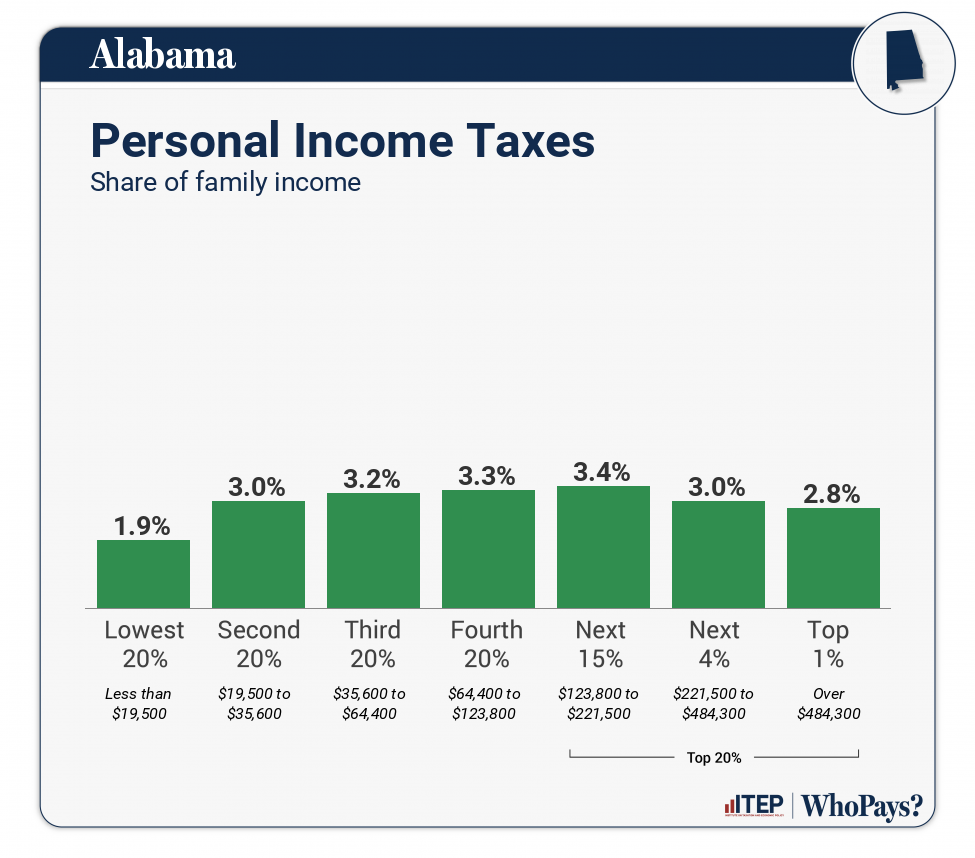
Alabama employs a progressive income tax system, meaning that as taxable income increases, so does the tax rate. This structure is designed to distribute the tax burden more equitably across different income brackets. For residents and non-residents earning income within the state, understanding these tiers and the associated rules is crucial for accurate financial forecasting.
Progressive Tax Rates Explained
The state of Alabama has some of the lowest top marginal income tax rates in the nation. As of recent legislative sessions, the tax rates typically range from a low of 2% to a maximum of 5%. This scale applies to an individual’s taxable income after deductions and exemptions have been applied.
For instance, the lowest bracket usually captures income up to a certain threshold at 2%, while subsequent brackets climb to 4% and eventually cap at 5% for income exceeding a higher threshold. It’s important to consult the Alabama Department of Revenue‘s official publications for the most current figures, as these rates and brackets can be subject to legislative changes. This progressive system contrasts with states that have a flat income tax or no income tax at all, influencing the overall financial picture for high-income earners and those with more modest incomes alike when considering a move to cities like Birmingham, Huntsville, or Montgomery.
Key Deductions and Exemptions for Residents
One of the features that can significantly reduce an individual’s or family’s tax liability in Alabama are the available deductions and exemptions. These provisions are designed to account for various personal and financial circumstances, thereby lowering the amount of income subject to taxation.
- Standard Deduction: Taxpayers can opt for a standard deduction, which is a fixed amount that reduces taxable income. The amount varies based on filing status (e.g., single, married filing jointly). This simplifies the tax filing process for many.
- Itemized Deductions: Alternatively, taxpayers can choose to itemize deductions if their total eligible expenses exceed the standard deduction. Common itemized deductions include medical and dental expenses (above a certain percentage of adjusted gross income), state and local taxes (within federal limits), home mortgage interest, and charitable contributions. This option is particularly beneficial for homeowners or individuals with significant deductible expenses.
- Personal and Dependent Exemptions: Alabama allows taxpayers to claim exemptions for themselves, their spouses, and dependents. Each exemption reduces taxable income by a specific amount, providing further relief, especially for larger families. For example, a single filer might claim one personal exemption, while a married couple filing jointly would claim two, plus additional exemptions for each qualifying child or dependent.
- Retirement Income Exemption: A significant advantage for retirees in Alabama is the full exemption of certain retirement incomes, including public and private pensions, and military retirement pay, from state income tax. This can make Alabama an attractive destination for those planning their golden years, impacting their long-term financial stability and lifestyle choices.
Who Needs to File?
Generally, any resident of Alabama who earns income above a certain threshold is required to file an Alabama income tax return. Non-residents who derive income from sources within Alabama are also subject to filing requirements. This includes wages, salaries, business profits, and rental income from property located in the state. Even if no tax is owed due to deductions and exemptions, filing is often necessary to claim refunds for overpaid taxes through withholding or estimated payments. Understanding these criteria helps ensure compliance and avoid potential penalties, allowing individuals to maintain a worry-free financial lifestyle in Alabama.
The Impact on Your Lifestyle and Budget in Alabama
The state income tax, while just one component of a broader financial picture, significantly influences an individual’s or family’s lifestyle and budgeting capabilities. In Alabama, this impact is felt across various aspects, from daily expenditures to major life decisions like purchasing a home or starting a business.
Cost of Living Considerations
When evaluating the overall cost of living in Alabama, state income tax should be weighed alongside property taxes, sales taxes, and general expenses for housing, transportation, food, and healthcare. Alabama is often lauded for its relatively low cost of living compared to many other states. The moderate income tax rates, coupled with some of the lowest property tax rates in the nation, contribute to making the state an economically attractive option. This means that a larger portion of your take-home pay can be allocated to discretionary spending, savings, or investments, enhancing your quality of life. Whether you’re drawn to the coastal beauty of Mobile or the metropolitan opportunities in Huntsville, these financial advantages can free up resources for experiences, hobbies, and family activities.
Planning for Relocation or Extended Stays
For those contemplating a move to Alabama, understanding the income tax implications is a critical step in financial planning. This involves not only calculating potential tax liabilities but also considering how your current state’s tax structure compares. The progressive nature of Alabama’s income tax, along with generous exemptions for retirement income, can be particularly appealing to retirees or individuals seeking a more tax-friendly environment for their post-career years. For working professionals and families, the impact on net income can influence choices regarding housing, schooling, and recreational budgets. A clear financial plan, incorporating Alabama’s tax specifics, ensures a smoother transition and a sustainable lifestyle upon arrival.
Business Implications for Entrepreneurs
Entrepreneurs and business owners looking to establish or expand operations in Alabama must also factor state income tax into their strategic planning. While corporations pay corporate income tax, many small businesses, sole proprietorships, and partnerships operate as pass-through entities, meaning their profits are taxed at the individual owner’s income tax rate. Therefore, the state’s progressive income tax structure directly affects the owner’s personal tax burden and, by extension, the business’s overall profitability and reinvestment capabilities. Understanding these nuances helps business leaders in areas like Auburn or Dothan make informed decisions about entity structure, compensation, and growth strategies, contributing to a thriving entrepreneurial ecosystem.
Comparing Alabama’s Tax Landscape
To fully appreciate the financial benefits and considerations of living in Alabama, it’s useful to place its income tax system within a broader national context. How does Alabama stack up against other states, and what are the distinct advantages and disadvantages for taxpayers?
How Alabama Stacks Up Nationally
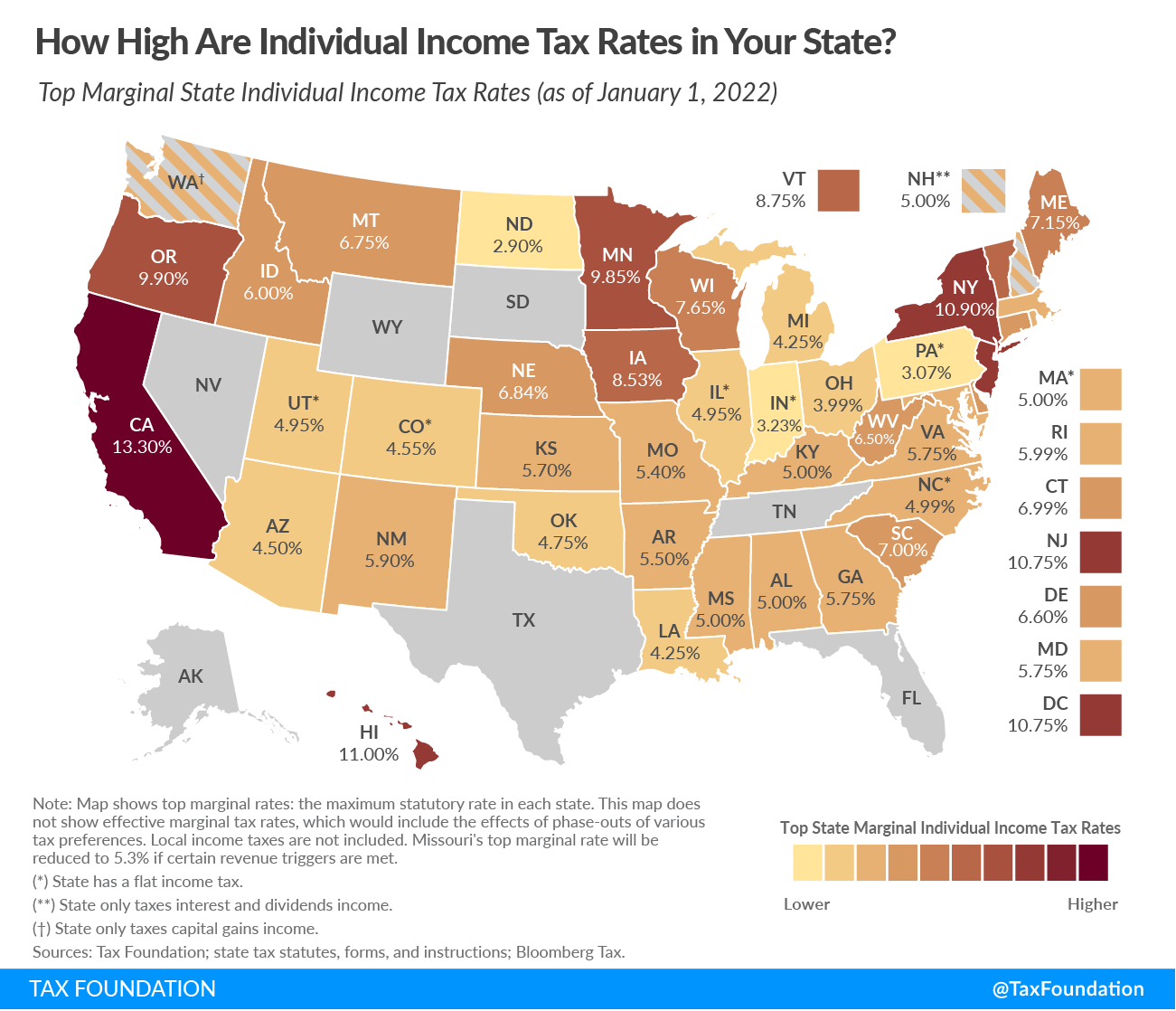
Alabama is one of 43 states that levy a state income tax. However, its top marginal rate of 5% is among the lowest for states that do impose an income tax. Many states have top rates that exceed 6%, 7%, or even 9%. Furthermore, the broad exemptions for retirement income differentiate Alabama as a retirement-friendly state from a tax perspective. States like Florida, Texas, and Nevada have no state income tax at all, but they often compensate with higher sales taxes or property taxes. Conversely, states with high income tax rates may have lower property or sales taxes. Alabama’s combination of moderate income tax, low property tax, and relatively high sales tax creates a unique balance that can be advantageous depending on an individual’s spending and income patterns.
Advantages and Disadvantages for Taxpayers
Advantages:
- Low Top Marginal Rate: The 5% top rate means a significant portion of income isn’t subject to extremely high state taxes, potentially leaving more disposable income.
- Retirement Income Exemption: Full exemption for pensions and military retirement pay is a major draw for retirees, allowing them to stretch their retirement savings further.
- Progressive System: Lower-income earners face a smaller tax burden, aligning with principles of fairness and contributing to the state’s overall affordability.
- Low Property Taxes: While not directly income tax, the very low property taxes in Alabama significantly reduce the overall tax burden for homeowners, freeing up more of their income for other lifestyle expenditures.
Disadvantages:
- Sales Tax: Alabama has a relatively high statewide sales tax rate, which, when combined with local sales taxes (city and county), can result in some of the highest combined sales tax rates in the nation. This can disproportionately affect lower-income individuals who spend a larger percentage of their income on consumer goods.
- Bracket Structure: While progressive, the income thresholds for the lower brackets mean that a substantial portion of income can quickly reach the top 5% rate compared to states with wider brackets.
- Limited Capital Gains Preferences: Unlike some states or the federal government, Alabama generally taxes capital gains at ordinary income tax rates, without special lower rates for long-term gains. This can impact investors and those with significant investment income.
Navigating Your Financial Future in the Yellowhammer State
Successfully managing your finances and achieving your desired lifestyle in Alabama requires ongoing awareness and proactive planning, particularly concerning state income tax.
Resources for Taxpayers
The Alabama Department of Revenue website is the primary official resource for all state tax matters. It offers comprehensive guides, forms, FAQs, and online tools for filing returns and making payments. This resource is invaluable for understanding the latest tax laws, determining filing status, and exploring available credits that might further reduce your tax liability. Staying informed through official channels ensures you are always operating with the most accurate and up-to-date information, which is critical for maintaining financial health in cities like Gulf Shores or Tuscaloosa.

Professional Guidance and Planning
For complex financial situations, business owners, or individuals with significant assets, seeking advice from a qualified tax professional in Alabama is highly recommended. Tax attorneys, Certified Public Accountants (CPAs), and financial advisors specializing in Alabama tax law can offer personalized guidance. They can help optimize your tax strategy, identify overlooked deductions or credits, and ensure compliance with both state and federal regulations. This expert advice is crucial for long-term financial planning, wealth management, and ensuring that your lifestyle in Alabama is both enjoyable and fiscally sound. By leveraging professional expertise, you can confidently navigate the intricacies of state income tax and maximize your financial well-being in the Yellowhammer State.
LifeOutOfTheBox is a participant in the Amazon Services LLC Associates Program, an affiliate advertising program designed to provide a means for sites to earn advertising fees by advertising and linking to Amazon.com. Amazon, the Amazon logo, AmazonSupply, and the AmazonSupply logo are trademarks of Amazon.com, Inc. or its affiliates. As an Amazon Associate we earn affiliate commissions from qualifying purchases.