
Planning a trip to the Pine Tree State requires more than just mapping out your route to Acadia National Park or securing a reservation at a charming coastal inn. Whether you are budgeting for a family vacation in Bar Harbor or planning an extended retreat in Portland, understanding the local tax landscape is essential for accurate financial planning. While the beauty of Maine is priceless, the costs associated with dining, shopping, and lodging are subject to state regulations that every traveler should be aware of.
Understanding the General Sales Tax Rate
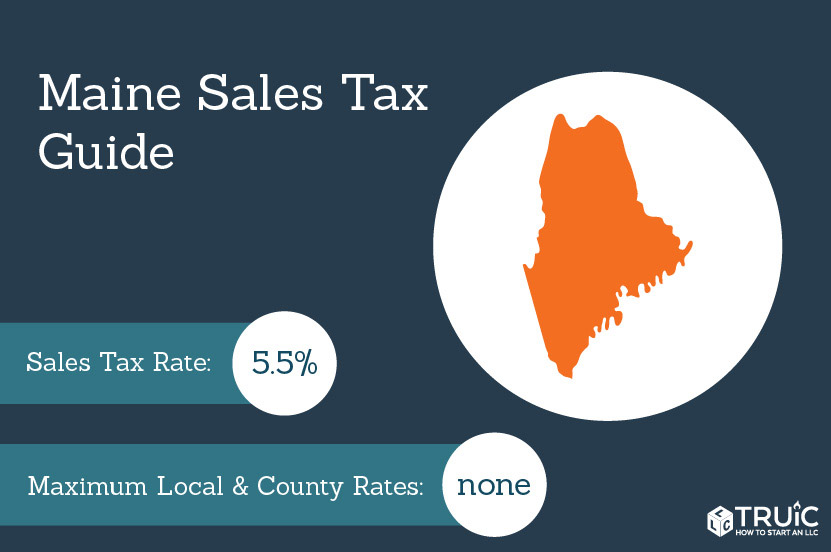
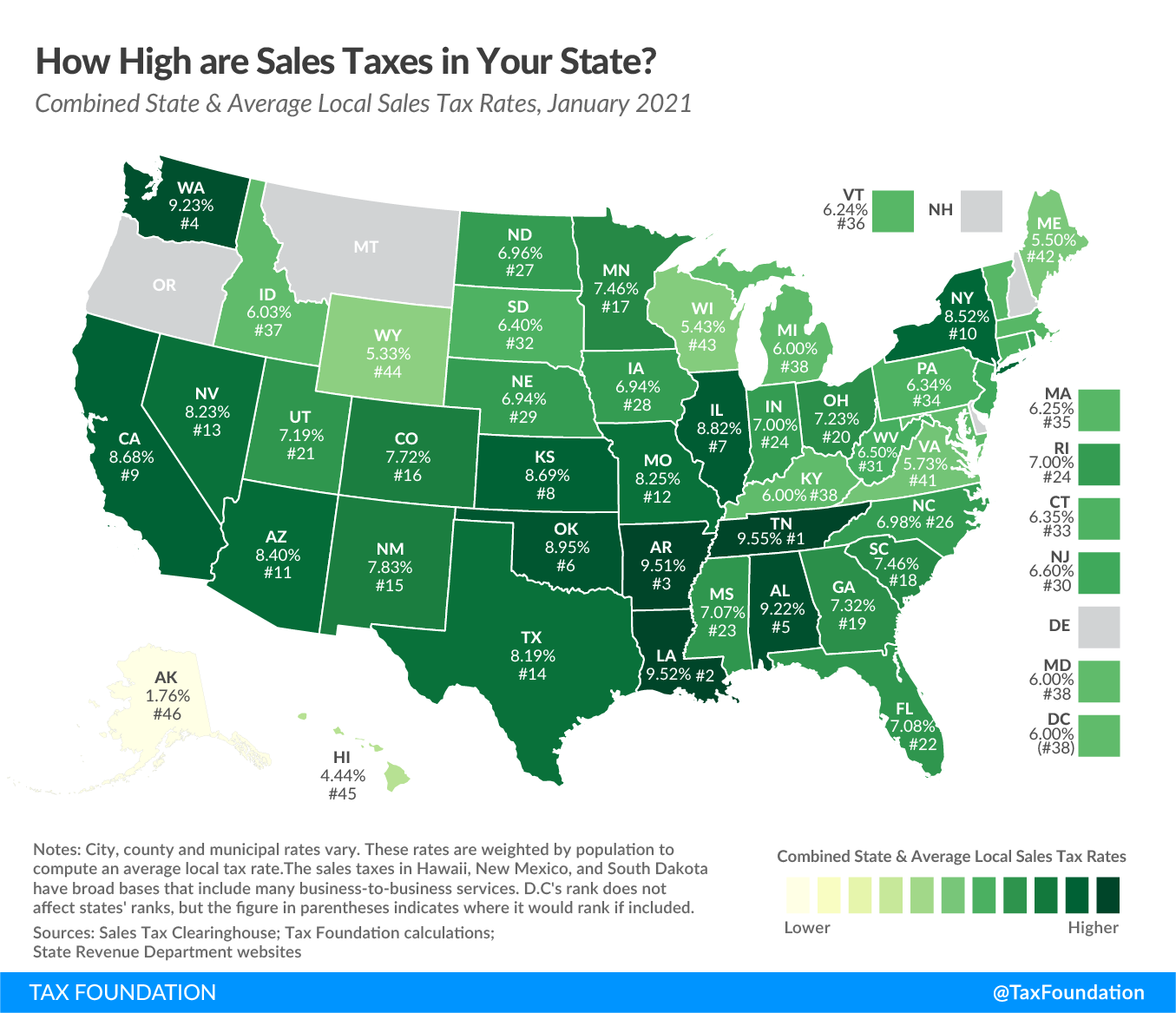
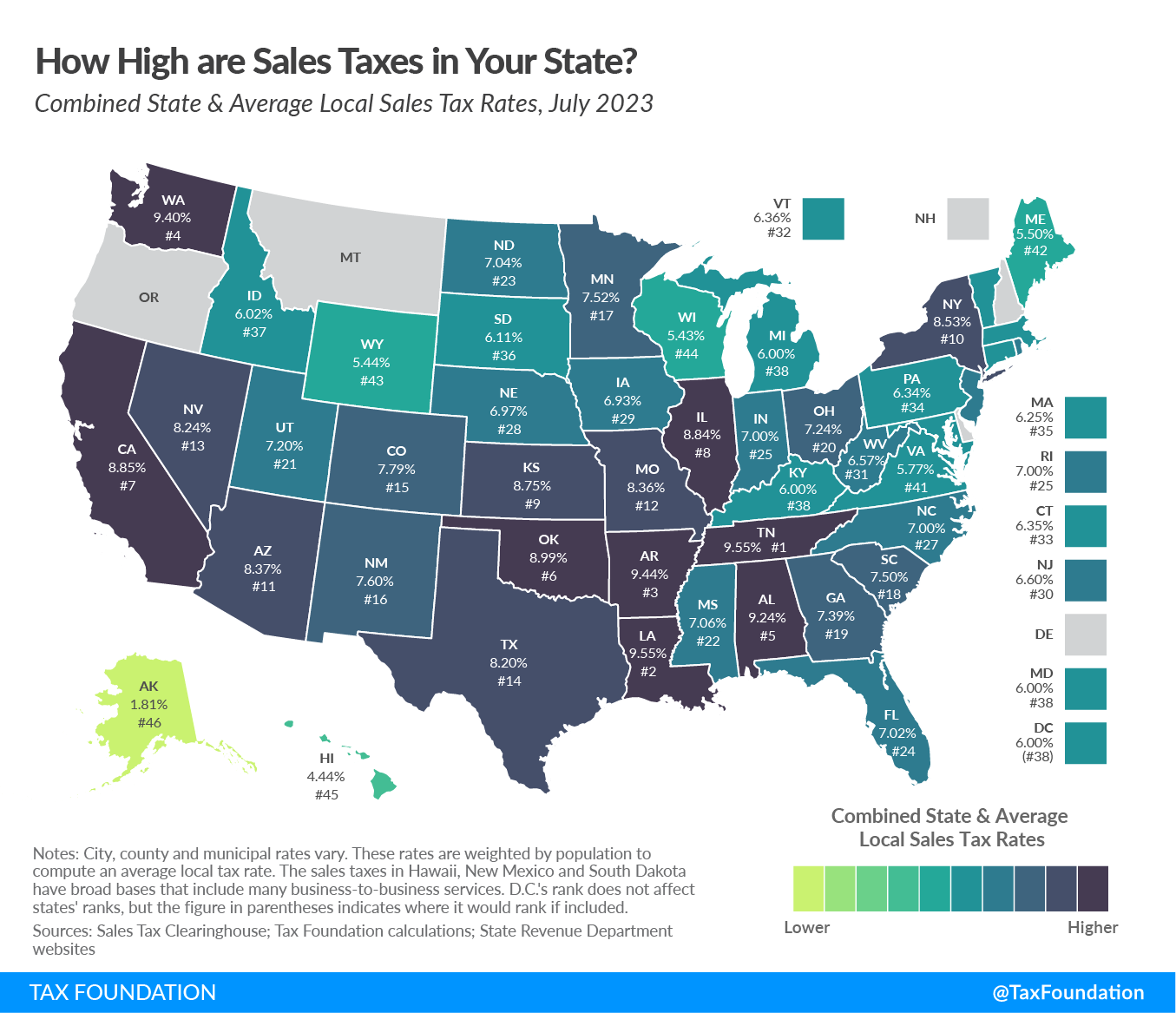
When you arrive in New England, you will find that Maine maintains a relatively straightforward approach to sales tax compared to many other states in the United States. The general sales tax rate for the state is 5.5%. This rate applies to the retail sale of most tangible personal property and certain services that are subject to tax.
How It Impacts Your Daily Expenses
For the average traveler, this 5.5% tax will appear on your final bill whenever you purchase retail items, such as souvenirs, clothing, or gear from local outfitters. If you are browsing the boutique shops in Kennebunkport for artisanal crafts or nautical decor, keep in mind that the shelf price is generally the pre-tax price. The additional 5.5% will be added at the register, and it is a fixed state-wide rate, meaning you do not need to worry about varying municipal sales tax rates as you travel between towns.
Exemptions to Consider
It is worth noting that not every purchase is subject to the general sales tax. Most notably, groceries—excluding prepared meals—are generally exempt from sales tax in Maine. If you are stocking up on provisions for a picnic at Camden Hills State Park, the items you buy from a local supermarket will typically be tax-free. However, if you purchase prepared foods or eat at a restaurant, those transactions are categorized differently.
Lodging and Prepared Meals: The Elevated Tax Rate
While the general sales tax is 5.5%, travelers will notice a higher tax rate when it comes to the hospitality industry. Maine imposes a higher rate on “lodging and prepared meals” to support the state’s massive tourism infrastructure.
The 9% Hospitality Tax
For those booking a stay at a resort in Ogunquit or dining out at a restaurant in Boothbay Harbor, the tax rate is 9%. This rate applies to:
- Lodging: This includes hotels, motels, bed and breakfasts, and short-term vacation rentals.
- Prepared Meals: This includes food sold in restaurants, cafes, and snack bars, as well as prepared food items purchased in supermarkets that are intended for immediate consumption.
Budgeting for Your Stay
When calculating your accommodation costs, always remember to add the 9% tax to the base nightly rate. If you are planning an extended stay in a luxury property in Cape Elizabeth, that 9% can significantly impact your total expenditure. When booking through major travel platforms, the tax is often calculated and displayed during the checkout process, but it is wise to confirm this early in your planning phase to avoid surprises upon arrival.
Navigating Tax Nuances During Your Trip
As you navigate the rugged coastline and mountainous regions of Maine, you may encounter specific situations where tax laws might seem ambiguous. Understanding these nuances can help you manage your travel budget with precision.
Short-Term Rental Regulations
The rise of vacation rental platforms has changed how many people experience destinations like Rockland or Castine. It is important to know that the 9% lodging tax applies to these rentals just as it does to traditional hotels. When comparing accommodation options, ensure you are looking at the final “all-in” price, which includes this mandated tax. Some platforms collect and remit this tax on behalf of the host, while others may require the host to handle it; regardless, the burden of the tax remains with the consumer.
Retail Purchases and Tangible Goods
If you are visiting during the peak season, you might be tempted by the local markets and artisan fairs. While the 5.5% general sales tax is constant, remember that Maine does not have a “local option” sales tax that varies by county or city. Whether you are in the northern wilderness of Baxter State Park or the bustling city centers of Bangor, the retail tax remains consistent. This predictability is a major advantage for travelers who prefer to plan every dollar of their itinerary.
Travel Planning Tips for Financial Clarity
Financial planning for a trip to Maine goes beyond just looking at the sales tax. By staying informed about how the state structures its revenue, you can enjoy your time at places like Old Orchard Beach with greater peace of mind.
Use the “Plus Tax” Mentality
Always assume that advertised prices for food and lodging are exclusive of the 9% tax. If you see a menu item or a nightly rate, keep that percentage in mind. For example, a $100 dinner or room charge will essentially become $109 after the state tax is applied. This mental math helps in managing a daily budget while exploring different regions.
Keep Receipts for Verification
While it is rare to experience discrepancies, it is always a good practice to keep your receipts during your travels. If you have questions about the taxes charged at a specific establishment, a quick review of your receipt can show you the breakdown of the service, the subtotal, and the tax applied. This is particularly useful if you are traveling for business and need to report expenses accurately.
Embrace the Value of Local Services
Remember that the taxes collected—both the 5.5% and the 9% hospitality tax—are essential for maintaining the infrastructure that makes your visit to Maine possible. From the well-maintained roads leading to West Quoddy Head Light to the public amenities in Ellsworth, these funds contribute to the safety and enjoyment of every visitor. By understanding these costs, you are not just a tourist; you are a participant in the ongoing preservation of one of the most beautiful states in the North America region.
As you finalize your itinerary, whether you are whale watching in Lubec or enjoying a lobster bake in a quiet fishing village, you can now do so with a clear understanding of the tax implications of your journey. Maine offers an unparalleled experience, and with a bit of financial foresight, you can ensure that your memories are defined by the stunning scenery and local hospitality rather than by unexpected expenses.
LifeOutOfTheBox is a participant in the Amazon Services LLC Associates Program, an affiliate advertising program designed to provide a means for sites to earn advertising fees by advertising and linking to Amazon.com. Amazon, the Amazon logo, AmazonSupply, and the AmazonSupply logo are trademarks of Amazon.com, Inc. or its affiliates. As an Amazon Associate we earn affiliate commissions from qualifying purchases.