
The question of “What is the state population of Louisiana?” delves into the heart of understanding this unique and vibrant American state. More than just a statistic, population figures offer insights into the demographics, growth patterns, and cultural tapestry of Louisiana. This deep dive aims to explore not only the current population but also the factors that influence it, and how it relates to the rich experiences Louisiana offers to travelers and residents alike. From the bustling streets of New Orleans to the serene bayous, understanding the people is key to appreciating the soul of the Pelican State.
Understanding Louisiana’s Demographic Landscape
The population of any state is a dynamic entity, constantly shaped by birth rates, death rates, and migration. For Louisiana, this demographic narrative is interwoven with its historical evolution, economic opportunities, and its distinct cultural heritage. When we talk about the state’s population, we are referring to the total number of individuals residing within its borders. This number is not static; it’s a snapshot in time that reflects the collective presence of its citizens.
The Current Population Snapshot
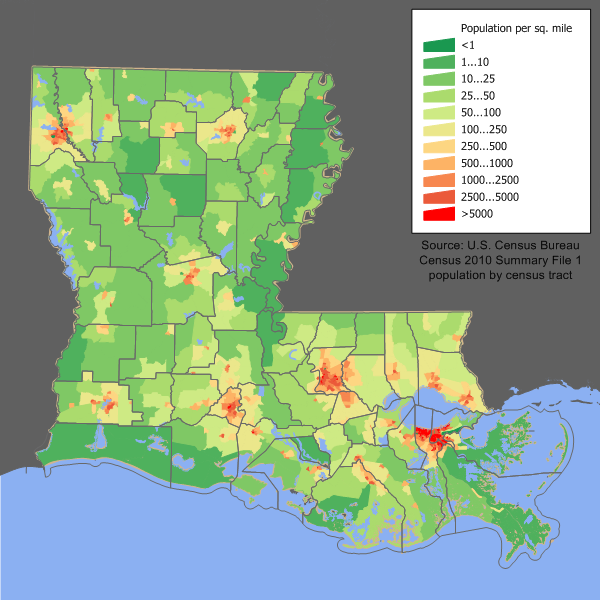
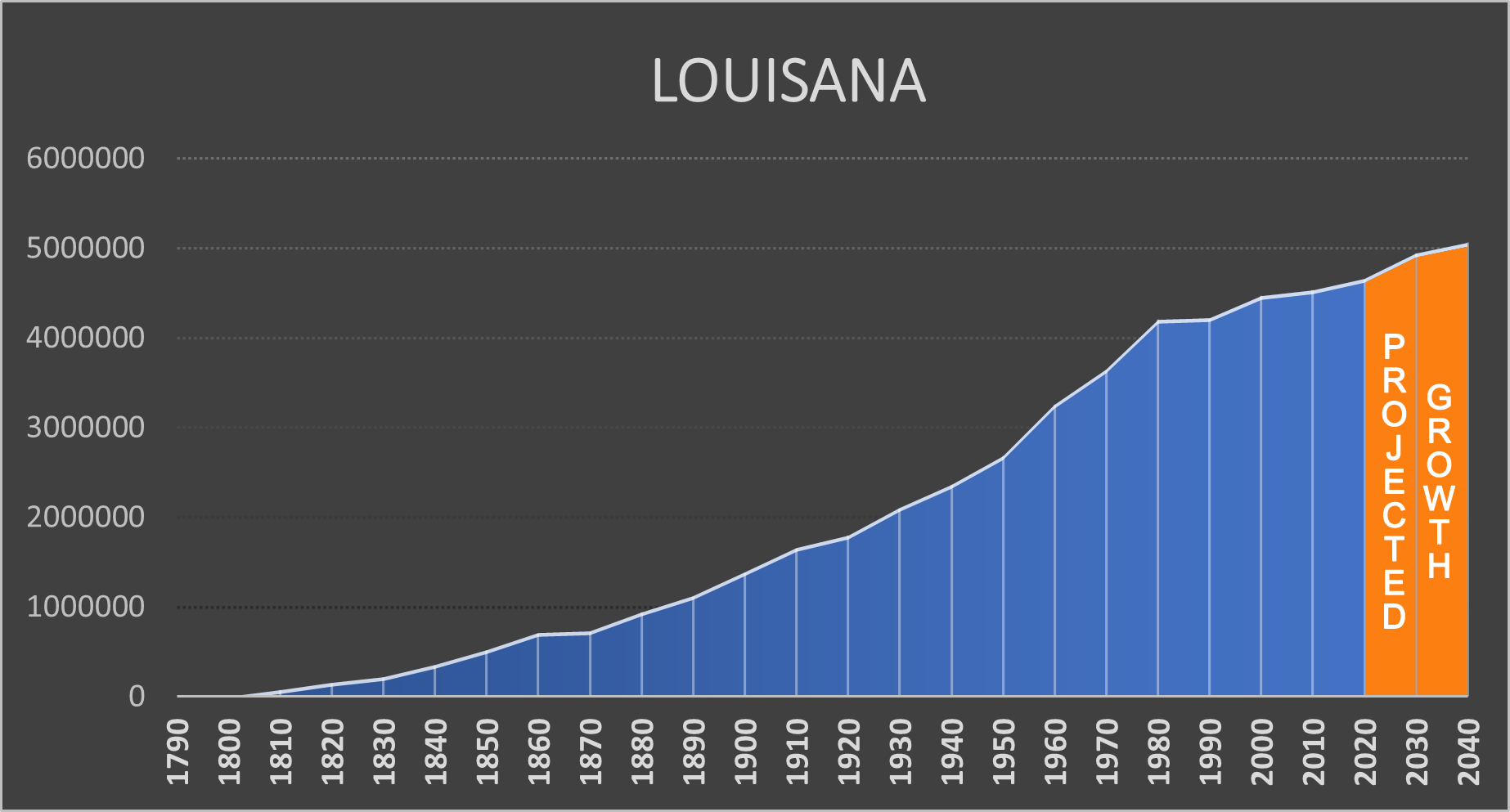
As of recent estimates, the population of Louisiana hovers around 4.6 million people. This figure places it among the mid-sized states in the United States, yet its cultural impact and historical significance far outweigh its numerical standing. This population is distributed across diverse geographical regions, from the urban centers to the more rural, agricultural areas. The distribution itself tells a story of economic activity, historical settlement patterns, and the allure of different lifestyles.
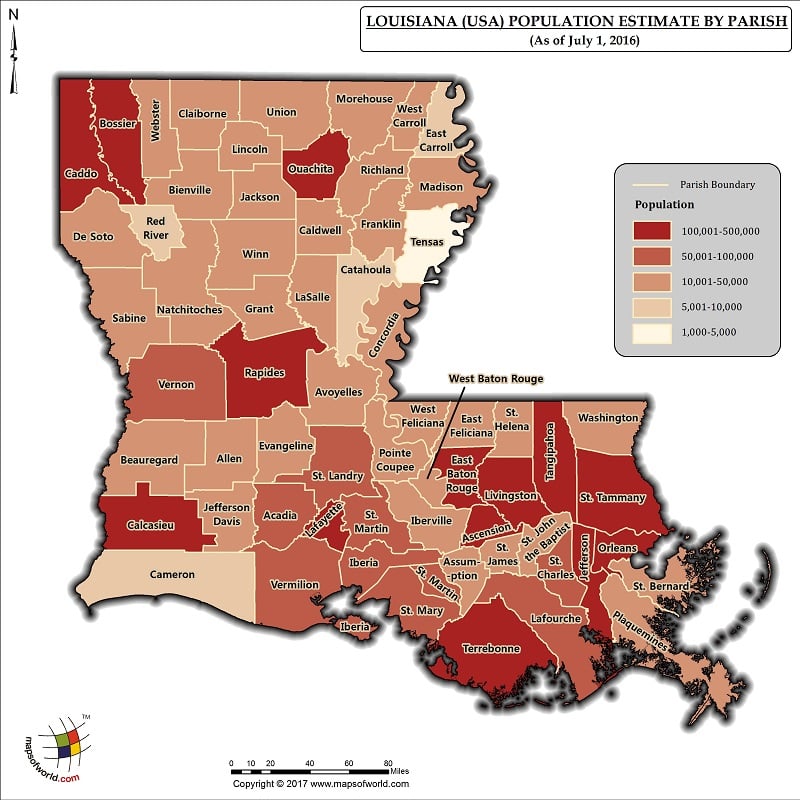
The largest concentration of people is naturally found in the metropolitan areas. New Orleans, with its world-renowned French Quarter, vibrant music scene, and historic architecture, draws a significant portion of the state’s inhabitants and a massive influx of tourists. Baton Rouge, the state capital, and Shreveport are other key urban hubs contributing to the population density. These cities serve as centers of commerce, education, and culture, attracting both new residents and providing a home for generations of Louisianans.
Factors Influencing Population Dynamics
Several key factors contribute to the fluctuations and characteristics of Louisiana‘s population. Understanding these elements provides a more nuanced perspective than a simple number.
Economic Drivers and Migration
Historically, Louisiana‘s economy has been heavily influenced by its natural resources, particularly oil and gas, as well as agriculture and its strategic port cities. These economic pillars attract and retain a workforce, influencing migration patterns. Periods of economic boom can lead to population growth as people move in seeking employment, while economic downturns can sometimes see a reverse trend. The development of diverse industries, including technology and advanced manufacturing, is increasingly playing a role in shaping the state’s demographic future.
Birth and Death Rates
Like all states, Louisiana experiences birth and death rates that impact its natural population growth. These rates are influenced by factors such as healthcare accessibility, socioeconomic conditions, and lifestyle choices. Public health initiatives and changing societal norms can influence these vital statistics over time.
The Influence of Culture and Heritage
Louisiana is famously a melting pot of cultures, a legacy of its French, Spanish, African, and Native American roots, alongside subsequent waves of immigration. This rich cultural heritage, embodied in its music, cuisine, festivals, and traditions, is a significant draw for many. It fosters a strong sense of identity and community that can encourage people to stay or relocate to the state. The unique Creole and Cajun cultures, for instance, are not just historical footnotes but living, breathing aspects of Louisiana life that shape its social fabric.
Natural Disasters and Their Impact
Louisiana‘s geographical location, particularly its extensive coastline and proximity to the Gulf of Mexico, makes it susceptible to hurricanes and other natural disasters. These events, such as Hurricane Katrina, have had profound and often devastating impacts on population distribution, leading to temporary or permanent displacement and affecting the overall demographic landscape. Recovery efforts and the resilience of its communities are also crucial aspects of its population story.
Exploring Louisiana Through Its People and Places
The population of Louisiana is not just a collection of individuals; it is the lifeblood that animates its diverse attractions, from its historical landmarks to its culinary delights and natural wonders. Understanding where people live and how they interact with their environment provides a deeper appreciation for the Louisiana experience.
Urban Hubs and Their Unique Demographics
The major cities of Louisiana each possess distinct characteristics that reflect their populations and histories.
New Orleans: A Cultural Epicenter
New Orleans is more than just a city; it’s a global phenomenon. Its population is a vibrant mix of long-time residents with deep ancestral ties to the city’s founding cultures and a steady stream of newcomers drawn by its unparalleled charm and opportunities. The city’s economy thrives on tourism, hospitality, and its vital port. The unique blend of African American, French Creole, and Cajun influences creates an unforgettable cultural experience that attracts millions of visitors annually. Exploring neighborhoods like the Garden District, with its stunning historic homes, or the lively French Quarter, with its jazz clubs and street performers, provides a direct connection to the city’s dynamic population.
Baton Rouge: The State Capital’s Growth
Baton Rouge, as the state capital and a significant industrial center, experiences continuous population growth. Its residents are a mix of those working in state government, the petrochemical industry, education, and healthcare. The city offers a more traditional Southern urban experience, with a focus on family-friendly activities and a growing arts and culture scene. Attractions like the Old State Capitol and the USS Kidd Veterans Museum offer glimpses into Louisiana‘s rich history, maintained and experienced by its residents.
Shreveport: A Gateway to North Louisiana
Located in the northwestern part of the state, Shreveport serves as a major economic and cultural hub for North Louisiana. Its population benefits from industries such as gaming, manufacturing, and healthcare. The city is known for its friendly atmosphere and its proximity to outdoor recreational opportunities. Visiting attractions like the Louisiana Boardwalk Outlets or the Sci-Port Discovery Center reveals the engaged and evolving community that calls Shreveport home.
Beyond the Cities: Rural Charm and Bayou Life
While urban centers are population magnets, a significant portion of Louisiana‘s residents also call its rural areas and the iconic bayou country home. These communities often possess a strong sense of tradition and a deep connection to the natural environment.
The Allure of the Bayou
The Louisiana bayou is an integral part of the state’s identity, conjuring images of Spanish moss-draped trees, shimmering waterways, and a distinct way of life. The populations in these regions are often characterized by close-knit communities with a rich heritage, particularly in the Cajun heartland. Life here is closely tied to the natural world, with fishing, shrimping, and hunting playing significant roles in both sustenance and culture. Exploring the bayous via airboat tours or visiting small towns like Lafayette or Houma offers an authentic glimpse into this unique lifestyle, often led by families who have inhabited these lands for generations.
Agricultural Communities
The fertile lands of Louisiana support a robust agricultural sector, from sugarcane and rice to cotton and soybeans. Communities centered around these industries often have a strong work ethic and a deep appreciation for the land. These populations contribute significantly to the state’s economy and its traditional Southern charm.
The Interplay Between Population and Tourism
The population of Louisiana and its thriving tourism industry are inextricably linked. The residents are the custodians of the state’s rich heritage, its natural beauty, and its vibrant culture, making them essential to the visitor experience.
Locals as Cultural Ambassadors
The people of Louisiana are its most valuable asset when it comes to tourism. Their warmth, hospitality, and deep knowledge of local traditions, food, and music are what truly bring the state to life for visitors. From the chefs in New Orleans‘ renowned restaurants crafting authentic gumbo to the musicians in Lafayette playing lively Cajun tunes, the residents are the living embodiment of Louisiana‘s unique identity.
Understanding Local Life for Better Travel Experiences
For travelers seeking an authentic Louisiana experience, understanding the local population is key. Engaging with residents, whether at a local market, a community festival, or a small-town cafe, provides invaluable insights into the state’s soul. This kind of interaction can transform a standard tourist trip into a truly immersive journey. For example, dining at a family-owned eatery outside the main tourist hubs can offer a taste of home-style cooking prepared with generations of expertise. Similarly, attending a local celebration, like a Mardi Gras parade in a smaller town, can offer a more intimate and genuine encounter with Louisiana‘s festive spirit than the often overwhelming celebrations in New Orleans.
Accommodation and Lifestyle Choices
The diversity of Louisiana‘s population is reflected in the wide range of accommodation and lifestyle options available. Whether you’re looking for a luxurious resort in New Orleans, a charming bed and breakfast in the bayou, or a family-friendly apartment in Baton Rouge, the state caters to various needs and preferences.
For those seeking upscale experiences, Louisiana boasts impressive hotels and resorts that offer world-class amenities. These establishments are often staffed by locals who are passionate about sharing their state with visitors. Travelers interested in longer stays might find apartments or villas in desirable neighborhoods, allowing them to experience life more like a local. The choice of accommodation often dictates the pace and style of a trip, whether it’s a fast-paced exploration of New Orleans’ nightlife or a leisurely immersion in the tranquil beauty of the Atchafalaya Basin.
Ultimately, the population of Louisiana is the vibrant, beating heart of this captivating state. Understanding its numbers, its distribution, and the diverse factors that shape it, allows for a richer appreciation of its cultural treasures, its breathtaking landscapes, and the unforgettable experiences that await every visitor.
LifeOutOfTheBox is a participant in the Amazon Services LLC Associates Program, an affiliate advertising program designed to provide a means for sites to earn advertising fees by advertising and linking to Amazon.com. Amazon, the Amazon logo, AmazonSupply, and the AmazonSupply logo are trademarks of Amazon.com, Inc. or its affiliates. As an Amazon Associate we earn affiliate commissions from qualifying purchases.