
The Sunshine State, a land renowned for its pristine beaches, vibrant cities, and unique ecosystems, proudly designates the Sabal Palm ( Sabal palmetto) as its official state tree. This iconic palm, frequently observed swaying gracefully in the gentle ocean breezes, is far more than just a ubiquitous part of Florida’s landscape; it is a profound natural landmark deeply interwoven with the state’s identity, history, and ecological fabric. Its presence defines much of the Floridian vista, from bustling urban centers to serene, untouched wilderness, embodying the spirit of resilience, beauty, and enduring natural heritage that characterizes this remarkable peninsula.
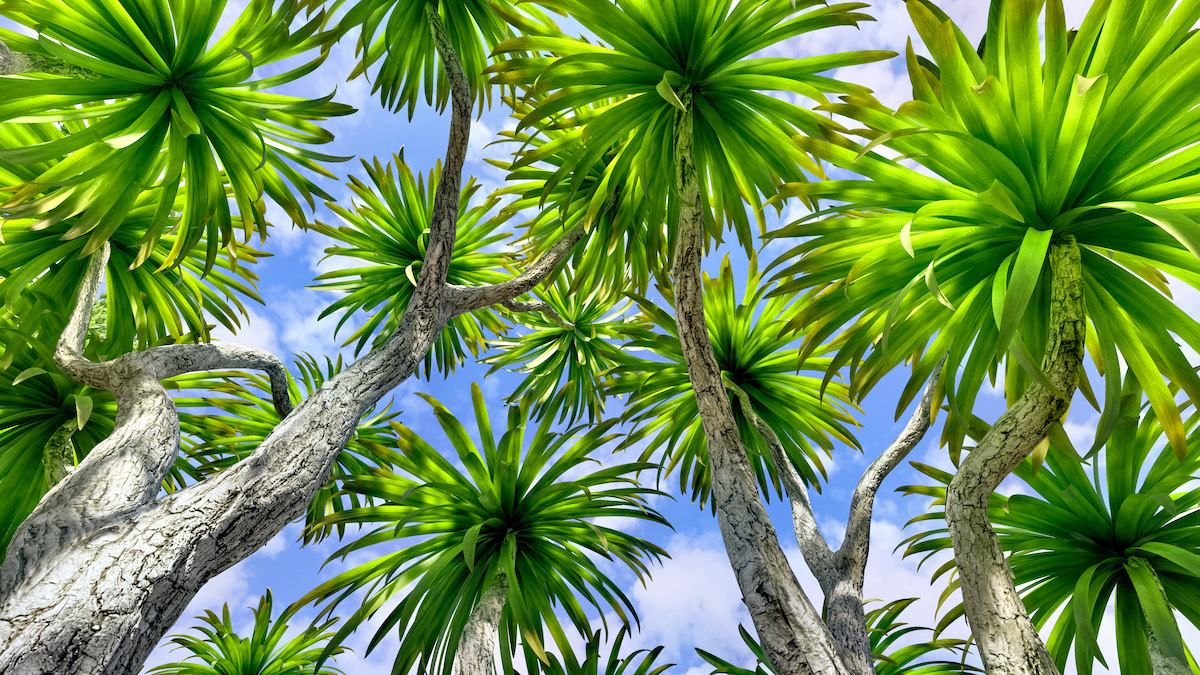
The Majestic Emblem of the Sunshine State: The Sabal Palm
The Sabal Palm, often affectionately referred to as the Cabbage Palm due to its edible terminal bud, holds a distinction unique among Florida’s diverse flora. It was officially adopted as the state tree in 1953, a formal recognition of its deep cultural and ecological significance. This designation was not merely an administrative formality but a testament to how profoundly this particular species has shaped the character and development of the region. Its robust nature and widespread distribution make it an unmistakable symbol, instantly recognizable and inherently Floridian.
A Symbol of Resilience and Heritage
The Sabal Palm’s symbolism is multifaceted. It represents the resilience inherent in Florida’s natural environment, capable of withstanding the harsh realities of the subtropical climate, including powerful hurricanes and periods of drought. Its ability to thrive in a variety of challenging conditions speaks to an enduring strength that resonates with the pioneering spirit of the state’s inhabitants. Furthermore, the palm is a living connection to the past, a silent witness to centuries of natural evolution and human history in the region. Its very form, with a sturdy trunk and a crown of fan-shaped fronds, evokes a sense of tropical elegance and an ancient lineage. It stands as a natural monument, a living landmark that tells a story of survival and adaptation across generations. The silhouette of a Sabal Palm against a fiery sunset is perhaps one of the most quintessential images of Florida, ingrained in the collective consciousness as a definitive natural landmark.
Botanical Profile and Characteristics
From a botanical perspective, the Sabal Palm is a fascinating specimen. It is a slow-growing tree, capable of reaching impressive heights of 60 to 90 feet, though typically observed around 30-50 feet in height. Its most distinctive features include a sturdy, gray-brown trunk that is often characterized by persistent, crisscrossing “boots” – the remnants of old leaf bases. These fibrous bootjacks provide not only a unique aesthetic but also serve as mini-ecosystems, harboring various insects and small reptiles. The palm’s crown is adorned with large, costapalmate leaves (a hybrid between palmate and pinnate forms), which are deeply divided and fan-shaped, typically ranging from 3 to 6 feet in length.
In late spring and early summer, the Sabal Palm produces long, creamy-white flower stalks that extend beyond the fronds. These flowers are highly fragrant and attract a multitude of pollinators, including bees, which produce a distinctive palm honey. Following the flowering, the tree develops clusters of small, black, spherical drupes, often referred to as “sabal berries.” These berries are a crucial food source for numerous wildlife species, including birds, raccoons, and squirrels, highlighting the palm’s integral role in Florida’s ecosystem. The adaptability of the Sabal Palm to various soil types, from sandy coastal dunes to rich inland hammocks, further underscores its prevalence and importance as a natural landmark across the state.
Deep Roots in Florida’s History and Culture
The story of the Sabal Palm in Florida is deeply intertwined with the human history of the region, dating back centuries before its official state tree designation. Its utility and aesthetic appeal have made it an indispensable element in the lives of both indigenous populations and European settlers, solidifying its status as a historical landmark of profound cultural significance.
From Native Use to State Designation
For thousands of years, the indigenous peoples of Florida, such as the Calusa, Timucua, and Seminole, relied heavily on the Sabal Palm for sustenance and shelter. The “heart” or terminal bud of the palm was a valuable food source, providing a nutrient-rich vegetable. The tough, fibrous leaves were woven into thatch for roofs of dwellings and utilitarian items like baskets, mats, and fans. The trunks were used in construction and for making sturdy piers. Even the berries served as food and a source of dyes. This extensive utilization underscores the palm’s role not just as a plant, but as a foundational resource that allowed early civilizations to thrive in the challenging subtropical environment.
When European settlers arrived, they too quickly recognized the immense value of the Sabal Palm. Its robust wood was resistant to rot and insect damage, making it ideal for pilings, docks, and stockades. During the Seminole Wars, the fibrous trunks were even used to construct protective forts, earning it the moniker “Palmetto Forts” which proved surprisingly resilient against artillery fire. This practical application solidified its place in the state’s military and frontier history. The journey from a vital survival tool to a revered state symbol reflects a long and continuous appreciation for this natural landmark. The official designation in 1953, passed by the state legislature in Tallahassee, simply formalized a bond that had existed for millennia, recognizing its undisputed prominence and historical significance.
Economic and Ecological Significance

Beyond its historical utility, the Sabal Palm continues to hold considerable economic and ecological importance for Florida. Ecologically, it is a keystone species in many of Florida’s natural habitats. Its canopy provides shelter and nesting sites for a variety of birds, including the highly recognizable osprey and various songbirds. The dense bootjacks on its trunk offer microhabitats for tree frogs, lizards, and insects, contributing to the biodiversity of the ecosystem. The berries are a critical food source, especially for migratory birds and small mammals, playing a vital role in the food web. In coastal areas, its deep root system helps to stabilize sandy soils, preventing erosion and protecting vulnerable shorelines, thus functioning as a natural barrier and a critical landmark for coastal integrity.
Economically, the Sabal Palm is integral to Florida’s landscaping industry. Its aesthetic appeal, resilience, and low maintenance requirements make it a highly desirable choice for residential, commercial, and public landscaping projects throughout the state and beyond. It is a staple in the design of parks, golf courses, and roadways, contributing significantly to the tropical allure that attracts millions of tourists annually. The cultivation and transplanting of Sabal Palms support numerous nurseries and horticultural businesses, making it a valuable natural resource with tangible economic impact. Its ubiquity in the built environment further solidifies its status as a recognizable landmark that shapes the visual identity of Florida.
Where to Encounter the Sabal Palm in Florida
The widespread distribution of the Sabal Palm means that encountering this magnificent state tree is an almost guaranteed experience anywhere within Florida’s borders. Its presence helps define the natural and urban landscapes, making it a living landmark discoverable in virtually every corner of the state, from the northern panhandle to the southernmost Florida Keys.
Natural Habitats and Protected Areas
For those seeking to observe the Sabal Palm in its pristine natural settings, Florida offers numerous opportunities. It thrives in a variety of ecosystems, including pine flatwoods, hammocks, swamps, and coastal dunes. Some of the most spectacular concentrations can be found within the state’s extensive network of national and state parks, which serve as crucial preserves for these botanical landmarks.
The Everglades National Park is home to vast expanses where Sabal Palms dot the landscape, particularly around tree islands and higher ground within the sawgrass marshes. Similarly, in the Big Cypress National Preserve, these palms stand tall among the cypress trees, contributing to the unique “wetland forest” aesthetic. Along the Gulf Coast and Atlantic Coast, state parks like Honeymoon Island State Park or Anastasia State Park showcase Sabal Palms thriving in sandy soils, forming an integral part of the coastal dune stabilization. Even around freshwater bodies like Lake Okeechobee, these palms are a common sight, contributing to the serene, natural beauty of the lake’s perimeter. Exploring these natural areas offers visitors an authentic view of the Sabal Palm as a fundamental component of Florida’s original landscape, standing as ancient, living landmarks.
Urban Landscapes and Cultural Integration
Beyond wilderness areas, the Sabal Palm is an indelible fixture in Florida’s urban and suburban environments. It is the preferred choice for street tree planting in cities like Miami, Orlando, Tampa, and Jacksonville, lining boulevards, adorning public squares, and gracing the entrances of countless resorts and businesses. Its tolerance for urban conditions and its iconic appearance make it a natural fit for creating the quintessential Floridian atmosphere.
From the historic streets of St. Augustine, where it has stood for centuries, to the modern developments of South Florida, the Sabal Palm is a constant, reassuring presence. Its use in residential landscaping is also widespread, making it a familiar sight in neighborhoods across the state. This integration into the built environment highlights its role as a cultural landmark, defining the visual identity of communities and providing a natural counterpoint to the architectural landscape. Whether glimpsed from a car window or admired up close in a city park, the Sabal Palm stands as a testament to Florida’s commitment to blending its natural beauty with its developed spaces.
The Sabal Palm’s Enduring Legacy
The Sabal Palm’s journey from a vital resource for early inhabitants to its revered status as Florida’s state tree underscores its profound and enduring legacy. It continues to inspire, sustain, and define the natural character of the state, serving as a powerful reminder of the intricate connections between nature, culture, and identity.
Conservation Efforts and Future Outlook
Despite its abundance and resilience, the Sabal Palm, like all natural landmarks, benefits from ongoing conservation efforts. Protecting its diverse habitats, from coastal dunes to inland forests, is crucial for maintaining the ecological balance of Florida. Land management practices in state and national parks often focus on preserving the natural conditions that allow the Sabal Palm to thrive, ensuring that its populations remain robust and healthy for future generations. Education initiatives also play a role, raising awareness among residents and visitors about the importance of native flora and the ecological services provided by trees like the Sabal Palm. As Florida continues to grow and develop, the judicious integration of Sabal Palms into urban planning and sustainable landscaping designs ensures that this iconic landmark remains a prominent feature of the state’s future landscape, harmonizing development with natural heritage.
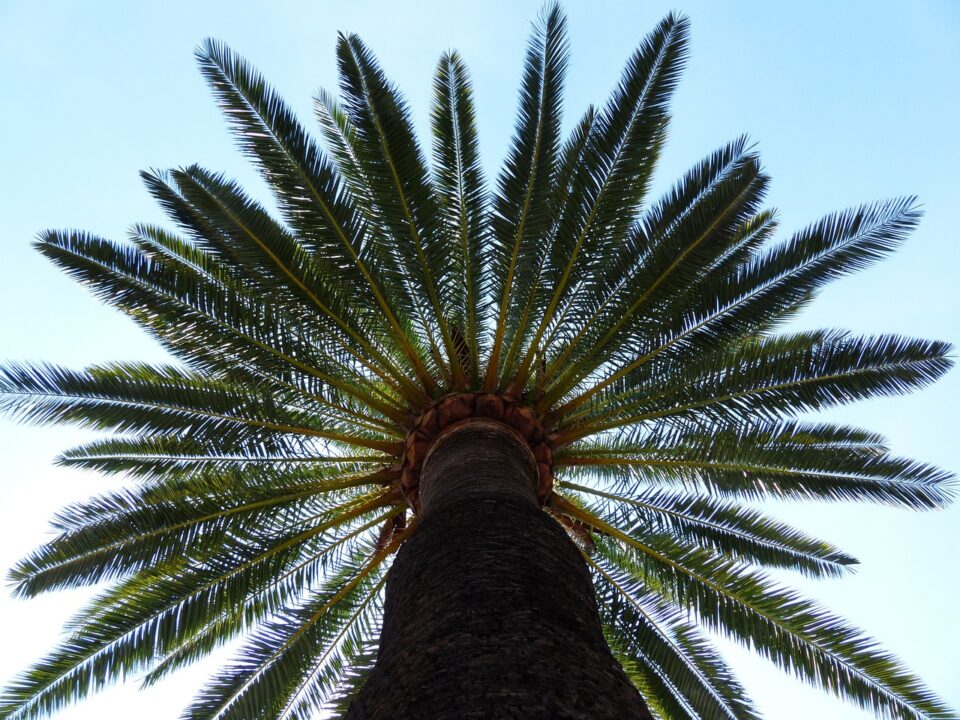
An Icon of Florida’s Natural Beauty
Ultimately, the Sabal Palm is more than just a tree; it is an icon, a living landmark that encapsulates the unique allure of Florida. Its graceful silhouette against the backdrop of a sunrise or sunset is synonymous with the state’s picturesque beauty. It stands as a silent sentinel, witnessing the ebb and flow of tides, the passage of seasons, and the unfolding of human stories. For residents, it is a familiar and comforting presence; for visitors, it is an instant signifier of a tropical paradise. The Sabal Palm embodies the wild, untamed spirit of Florida’s natural landscapes while seamlessly integrating into its vibrant communities. As Florida’s state tree, it is a testament to the enduring power and beauty of nature, a timeless landmark that continues to inspire and define the very essence of the Sunshine State.
LifeOutOfTheBox is a participant in the Amazon Services LLC Associates Program, an affiliate advertising program designed to provide a means for sites to earn advertising fees by advertising and linking to Amazon.com. Amazon, the Amazon logo, AmazonSupply, and the AmazonSupply logo are trademarks of Amazon.com, Inc. or its affiliates. As an Amazon Associate we earn affiliate commissions from qualifying purchases.