
The Colorado landscape is an iconic tapestry of rugged mountains, sprawling plains, and high-altitude forests, each element contributing to the state’s distinct natural character. Among these myriad natural wonders, one particular arboreal species stands out as a preeminent symbol: the Colorado Blue Spruce. Officially designated as the state tree, this magnificent conifer embodies the spirit of Colorado through its resilience, enduring beauty, and significant presence across the state’s diverse ecosystems. Its unique features and historical significance make it not just a tree, but a living landmark, celebrated for its intrinsic value and its connection to the identity of the Centennial State.

The Majestic Colorado Blue Spruce: A Natural Icon
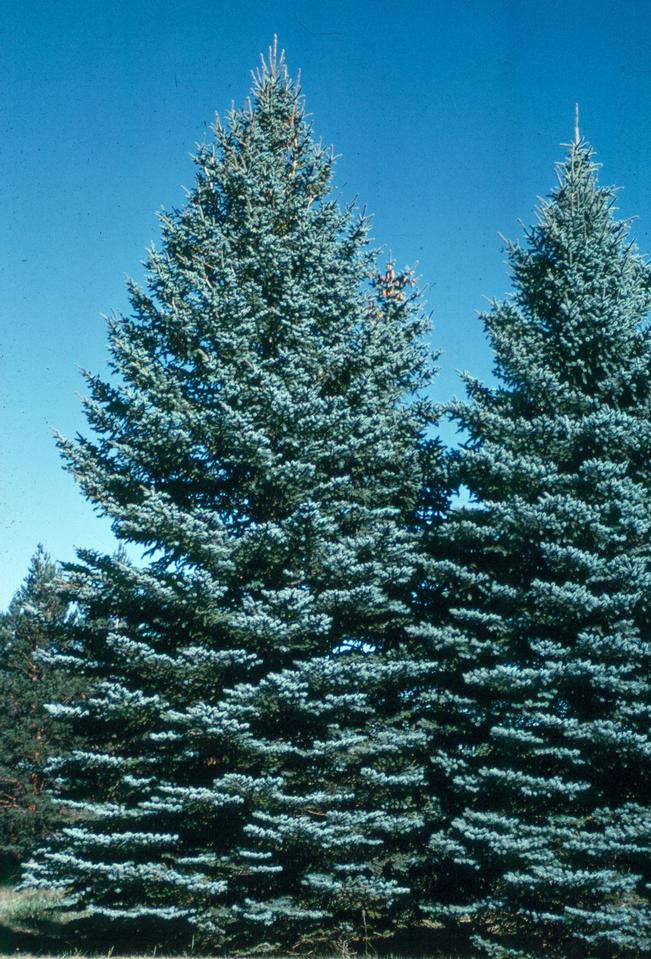
The Colorado Blue Spruce, scientifically known as Picea pungens, is renowned for its striking appearance and robust nature. Native to the Rocky Mountain region of the United States, particularly within Colorado, Wyoming, Idaho, and Utah, this evergreen tree is instantly recognizable by its distinctive silvery-blue to greenish-blue needles. These rigid, sharply pointed needles are typically one inch long, growing in a spiral pattern around the twigs, giving the branches a full, dense appearance. The striking blue hue is attributed to a thick layer of wax on the needles, which serves to protect the tree from the harsh high-altitude sun and dry conditions often found in its natural habitat.
Mature Colorado Blue Spruce trees can reach impressive heights, commonly growing between 50 to 75 feet tall, though some specimens in ideal conditions can soar to over 100 feet. Their conical shape, dense foliage, and stately presence make them a prominent feature of the montane and subalpine forests. The bark is relatively thin, scaly, and gray-brown on young trees, developing into deep furrows and ridges with age. The cones are cylindrical, light brown, and hang downwards, maturing in late summer or early autumn and releasing their winged seeds to be dispersed by the wind. These trees are exceptionally hardy, capable of tolerating a wide range of soil conditions, drought, and extreme temperatures, a testament to their adaptability in challenging environments. Their long lifespan, often exceeding 100 years and sometimes reaching several centuries, further solidifies their status as enduring natural landmarks.
Embodiment of Colorado’s Spirit: History and Designation
The designation of the Colorado Blue Spruce as the official state tree is not merely an arbitrary choice but a reflection of its deep cultural and historical roots within Colorado. The idea was first championed by school children in the state, who recognized the tree’s widespread presence and aesthetic appeal. Through their advocacy and educational efforts, the Colorado General Assembly officially adopted the Colorado Blue Spruce as the state tree on March 7, 1939. This legislative act cemented its status not just as a natural wonder, but as a symbolic landmark representing the pride and unique identity of Colorado residents.
The tree’s characteristics perfectly align with the values often associated with Colorado. Its resilience in the face of harsh Rocky Mountain winters and its ability to thrive in challenging elevations mirror the pioneering spirit and enduring strength of the state’s inhabitants. The distinct blue-green needles evoke the clear, crisp skies and the majestic, snow-capped peaks that define Colorado’s iconic landscape. As such, the Colorado Blue Spruce stands as a living monument, a constant reminder of the state’s commitment to preserving its natural beauty and heritage. Its image is frequently used in state insignia, tourism promotions, and local artistry, underscoring its role as a recognized landmark and cultural touchstone.
Experiencing the Blue Spruce in its Natural Habitat
For visitors and residents alike, witnessing the Colorado Blue Spruce in its native environment is an essential part of understanding Colorado’s natural landmarks. These majestic trees are found predominantly in riparian areas and along stream banks, thriving in the cool, moist soils of canyons and north-facing slopes at elevations between 6,000 and 9,000 feet above sea level. They often grow in mixed conifer forests alongside Douglas fir, Ponderosa pine, and Engelman spruce.
Several key natural areas and parks across Colorado offer exceptional opportunities to appreciate the state tree:
Rocky Mountain National Park
Rocky Mountain National Park is an unparalleled destination for experiencing Colorado’s diverse ecosystems, and the Colorado Blue Spruce is a common sight within its boundaries. Along the scenic trails and river valleys, particularly in the montane zone, visitors can observe these trees flourishing, often interspersed with other conifers. The crisp mountain air and the grandeur of the surrounding peaks provide a perfect backdrop for appreciating their unique blue-green foliage.
National Forests
Vast tracts of Colorado’s public lands, managed by the United States Forest Service, are home to abundant Colorado Blue Spruce populations.
- Pike National Forest: Located west of Colorado Springs, this forest, which includes areas around Pikes Peak, offers numerous hiking and camping opportunities where the blue spruce thrives.
- San Isabel National Forest: Further south, stretching across some of the state’s highest peaks, this forest also provides excellent viewing spots, especially near water sources.
- White River National Forest: In western Colorado, known for its ski resorts and wilderness areas, the blue spruce contributes to the beauty of its subalpine forests.
State Parks and Botanical Gardens
Even closer to urban centers, opportunities exist to see magnificent examples of the state tree.
- Golden Gate Canyon State Park: Just a short drive from Denver, this park showcases various Colorado ecosystems, including areas where blue spruce trees are prominent.
- Denver Botanic Gardens: While not a natural forest, the Denver Botanic Gardens features a dedicated Colorado native plant collection where visitors can study cultivated specimens of the Colorado Blue Spruce up close, alongside interpretive information.
Whether seen as a solitary sentinel against a dramatic mountain backdrop or as part of a dense, vibrant forest, the Colorado Blue Spruce offers an immersive experience into the heart of Colorado’s natural beauty. Its presence enhances the scenic grandeur of these landmark locations, making it a focal point for nature enthusiasts and a symbol for all who visit.
Ecological Role and Conservation Efforts
Beyond its status as a landmark and symbol, the Colorado Blue Spruce plays a crucial ecological role in its native habitats. These trees contribute significantly to the biodiversity and health of Colorado’s montane ecosystems. They provide critical habitat and shelter for a variety of wildlife, including birds, squirrels, and larger mammals. The dense canopy offers protection from predators and harsh weather, while the seeds from their cones serve as a food source. Furthermore, their extensive root systems help to stabilize soil, preventing erosion, especially on steep slopes and along watercourses. This soil stabilization is vital for maintaining water quality in the streams and rivers that flow from the Rocky Mountains and sustain the surrounding plains.
Despite its resilience, the Colorado Blue Spruce, like many tree species, faces challenges. Climate change, with its associated shifts in temperature and precipitation patterns, can stress these trees, making them more susceptible to pests and diseases. Bark beetle infestations, particularly from spruce beetles, pose a significant threat, capable of devastating large stands of blue spruce. Sustainable forestry practices, monitoring programs, and research into climate-adaptive management strategies are ongoing efforts to protect this iconic species. Conservation initiatives aim to preserve the natural forests where the blue spruce thrives, ensuring that this living landmark continues to define the Colorado landscape for generations to come. Recognizing and understanding its ecological importance reinforces the need to protect not just the individual tree, but the entire ecosystem it supports.
The Blue Spruce’s Global Legacy
The allure of the Colorado Blue Spruce extends far beyond the borders of its native Rocky Mountain home. Its striking beauty, pyramidal form, and vibrant blue needles have made it an incredibly popular ornamental tree in landscaping worldwide. Cultivated varieties are commonly planted in parks, gardens, and urban settings across North America and Europe, prized for their aesthetic appeal and hardiness. It has become a staple in many Christmas tree farms due to its excellent needle retention and classic conical shape, making it a beloved symbol of the winter holiday season in countless homes.
This global appeal underscores the universal appreciation for its unique characteristics. While its cultivated forms may differ slightly from the wild specimens found in the high country of Colorado, they all trace their lineage back to the robust, majestic trees that embody the spirit of the state. The widespread recognition and cultivation of the Colorado Blue Spruce further elevate its status as a natural landmark, not just locally but on an international scale, celebrating its beauty, resilience, and symbolic power. It serves as a testament to Colorado’s natural heritage, shared and admired across diverse landscapes and cultures.
LifeOutOfTheBox is a participant in the Amazon Services LLC Associates Program, an affiliate advertising program designed to provide a means for sites to earn advertising fees by advertising and linking to Amazon.com. Amazon, the Amazon logo, AmazonSupply, and the AmazonSupply logo are trademarks of Amazon.com, Inc. or its affiliates. As an Amazon Associate we earn affiliate commissions from qualifying purchases.