
When travelers traverse the vast, open expanses of the American Midwest, few landscapes captivate the imagination quite like the sweeping prairies of Kansas. Often celebrated for its golden wheat fields, endless horizons, and vibrant sunsets, this iconic state holds a deep-rooted connection to the natural world. For nature enthusiasts, history buffs, and curious explorers visiting the region, understanding the local flora offers a profound appreciation of the ecosystem. Among the most enduring symbols of the state’s natural heritage is its official arbor. This article explores the identity of this botanical emblem, its historical significance, and the remarkable natural landmarks across the state where visitors can witness these magnificent specimens in their native habitats.
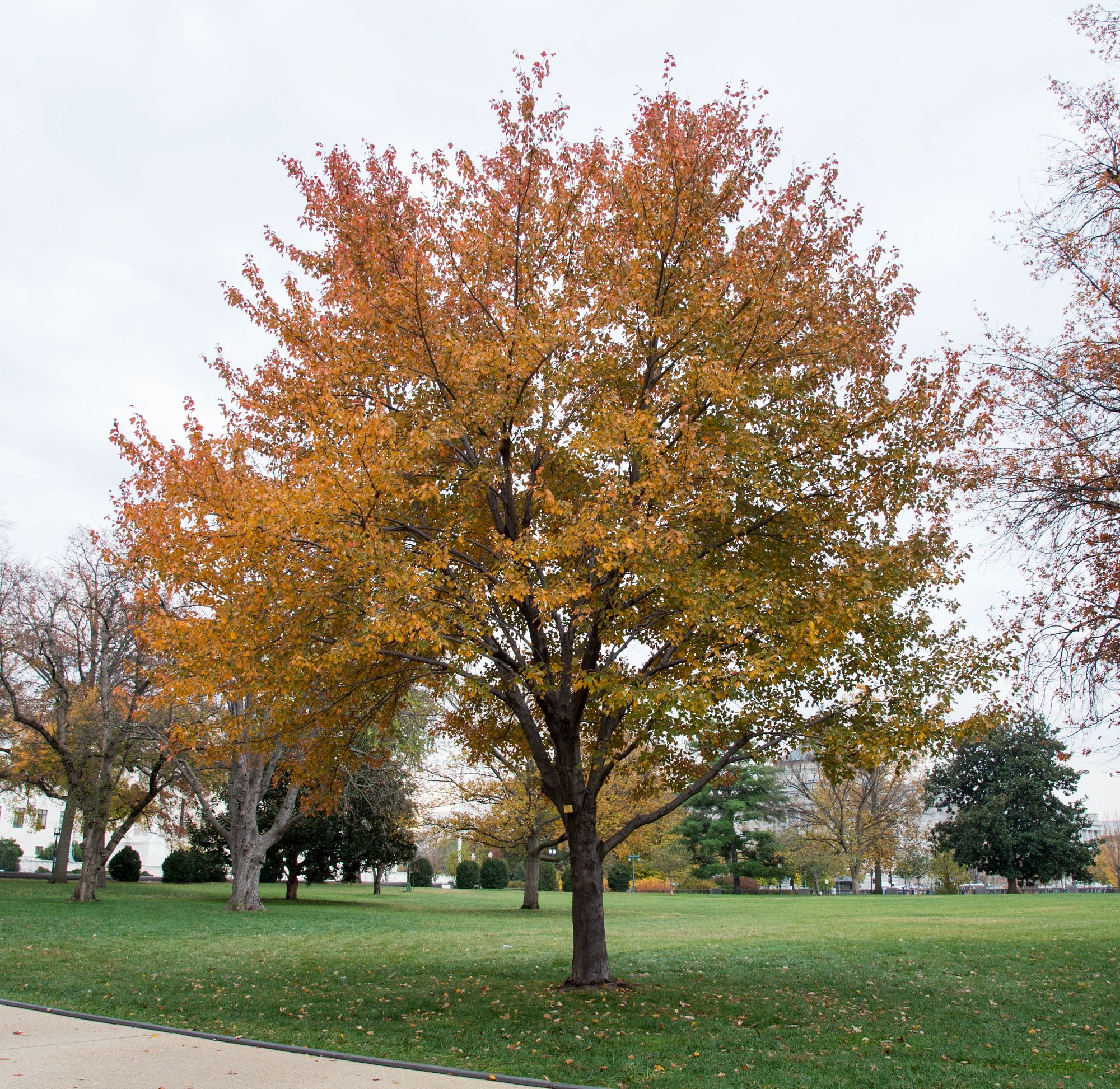
The Official State Arbor: The Eastern Cottonwood
The official state tree of Kansas is the Eastern Cottonwood, scientifically known as Populus deltoides. Designated officially by the Kansas Legislature in 1937, this towering deciduous giant has long stood as a silent witness to the state’s rich history. Long before European settlers arrived on the plains, indigenous peoples relied on the cottonwood for shelter, fuel, and navigation, as these trees frequently marked the presence of vital water sources in an otherwise arid landscape.
Botanical Characteristics and Identification
Recognizing the Eastern Cottonwood is relatively easy for travelers exploring local parks and riverbanks. These trees are among the largest native broadleaf species in North America, often reaching heights of 70 to 100 feet with massive, spreading crowns.
- Leaves: The leaves are characteristically triangular or deltoid-shaped, featuring coarsely toothed margins and flattened stems that cause the foliage to tremble audibly even in the slightest breeze.
- Bark: Young trees feature smooth, greenish-grey bark, which gradually develops thick, deep ridges and furrows as the tree matures.
- Seeds: In late spring, female trees produce masses of small seeds encased in cotton-like fluff, which drift across the landscape like summer snow, giving the species its evocative common name.
Historical and Cultural Significance in the Sunflower State
The selection of the Eastern Cottonwood as the state tree was no arbitrary choice. During the tumultuous era of westward expansion, pioneers traversing the grueling Santa Fe Trail and the Oregon Trail looked to the cottonwood as a beacon of hope and survival. In the treeless expanse of the plains, a solitary cottonwood offered precious shade from the relentless sun and signaled the presence of underground water or a flowing stream.
Furthermore, the tree holds a prominent place in local folklore and legislation. Early settlers often used the cottonwood as a landmark for navigation and boundary markers. Recognizing its vital role in the daily lives of early residents and its resilience against harsh weather extremes, schoolchildren and lawmakers alike championed its adoption as an enduring emblem of the pioneer spirit that defines the region.

Prime Destinations to View Cottonwoods in Kansas
For travelers eager to immerse themselves in the natural beauty of Kansas, visiting the natural habitats of the Eastern Cottonwood provides a rewarding outdoor experience. Because these trees thrive in moist soils, they are predominantly found along river valleys, floodplains, and near major waterways throughout the region.
The Flint Hills and Tallgrass Prairie National Preserve
One of the most breathtaking regions to explore is the Flint Hills. While much of this area is characterized by rolling hills covered in native grasses, the winding streams and creeks are heavily populated by majestic cottonwoods. Travelers visiting the Tallgrass Prairie National Preserve near Strong City can hike scenic trails that weave through riparian corridors, offering stunning contrasts between the delicate prairie grasses and the towering, rugged canopy of ancient cottonwoods.
Monument Rocks and Western Vistas
In the western half of the state, near Gove County, travelers encounter dramatic geological formations such as Monument Rocks. While these chalk pyramids are the primary attraction, nearby riverbeds and homesteads often feature resilient cottonwoods that have survived decades of wind and fluctuating temperatures. This stark juxtaposition of ancient stone and whispering foliage creates a photographer’s paradise.
Kansas River National Water Trail
For water enthusiasts and paddlers, the Kansas River—affectionately known locally as the “Kwah”—offers an immersive journey through dense cottonwood forests. Flowing past cities like Lawrence and Topeka, the riverbanks are heavily forested with these native giants, providing nesting grounds for bald eagles, great blue herons, and a diverse array of local wildlife.

Conservation and Appreciation for Future Travelers
As travelers continue to discover the hidden natural gems of the American heartland, preserving environments like those cherished by the Eastern Cottonwood remains a paramount priority. Local conservation groups, state parks departments, and botanical societies actively work to protect riparian habitats from erosion and invasive species.
Visiting these natural landmarks offers a unique lens through which to view the landscape. The Eastern Cottonwood is more than just a biological organism; it is a living monument to the resilience, history, and natural splendor of Kansas. Whether you are planning a road trip along historic byways, hiking through preserved wilderness areas, or simply seeking a moment of tranquility beneath a rustling canopy, taking time to appreciate the state tree enriches any travel itinerary through the region.
LifeOutOfTheBox is a participant in the Amazon Services LLC Associates Program, an affiliate advertising program designed to provide a means for sites to earn advertising fees by advertising and linking to Amazon.com. Amazon, the Amazon logo, AmazonSupply, and the AmazonSupply logo are trademarks of Amazon.com, Inc. or its affiliates. As an Amazon Associate we earn affiliate commissions from qualifying purchases.