
New York State, a vibrant tapestry of urban dynamism and serene natural beauty, boasts a rich history and a unique identity often celebrated through its symbols. Among these, the official state tree holds a special place, representing the enduring spirit and environmental heritage of the Empire State. Understanding this arboreal emblem offers a deeper appreciation for the landscapes that have shaped New York’s past and continue to define its present.
The Majestic Sugar Maple: A Symbol of Enduring Strength
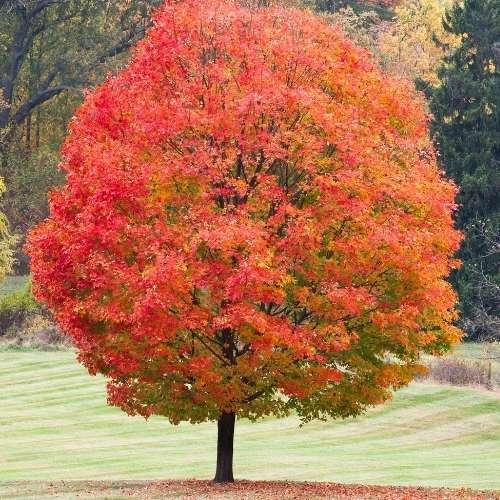
The distinction of being New York’s state tree is proudly held by the Sugar Maple (Acer saccharum). This iconic deciduous tree was officially designated as the state tree on April 15, 1956, a testament to its profound significance across various facets of New York life. More than just a botanical specimen, the Sugar Maple embodies resilience, beauty, and economic importance, mirroring the very characteristics of the state it represents. Its presence is deeply interwoven with the history, culture, and natural landscapes of New York.
A Legacy of Color and Character
The Sugar Maple’s claim to fame is not solely rooted in its official status; it is a tree celebrated for its breathtaking autumnal display. As the seasons transition, the broad leaves of the Sugar Maple ignite in a fiery spectrum of reds, oranges, and yellows, transforming the already picturesque New York countryside into a painter’s palette. This annual spectacle draws visitors from far and wide, contributing to the state’s vibrant fall tourism. The Catskill Mountains and the Adirondack Park, in particular, become renowned destinations for leaf-peeping enthusiasts eager to witness this natural phenomenon. The intensity and longevity of this colorful display make the Sugar Maple a beloved symbol of the season’s change.
Beyond its visual appeal, the Sugar Maple is recognized for its robust structure and longevity. Its strong wood has historically been valued for various purposes, from furniture making to the construction of tools and musical instruments. The tree’s sturdy trunk and expansive canopy are often seen as metaphors for stability and enduring strength, qualities that resonate with the historical development and perseverance of New York as a state. Its ability to withstand harsh winters and thrive in the diverse climates of New York further solidifies its image as a symbol of resilience.
The Sweetness of Sap: Economic and Culinary Contributions
Perhaps the most universally recognized contribution of the Sugar Maple is its sap, the source of the highly prized Maple Syrup. For centuries, Indigenous peoples and later European settlers in New York have tapped these trees to collect the sweet liquid. The process of turning sap into syrup is a time-honored tradition, particularly prevalent in the northern regions of New York, such as the Adirondack Mountains. Many farms and small businesses throughout the state are dedicated to this craft, producing artisanal Maple Syrup that is celebrated for its rich flavor and quality.
The economic impact of Maple Syrup production in New York is substantial. It supports local economies, provides employment, and fosters a connection between the land and its people. Visiting a Maple Syrup farm during the sugaring season, typically in late winter and early spring, offers a unique and authentic New York experience. Visitors can learn about the tapping process, witness the boiling of the sap, and, of course, sample freshly made syrup. This tradition not only contributes to the state’s economy but also plays a vital role in preserving rural heritage and agricultural practices. The sweet reward derived from this magnificent tree underscores its multifaceted value to the state.
Cultivating an Understanding: Where to Find and Appreciate the Sugar Maple
The Sugar Maple is not an exotic species found only in remote corners of New York; it is a common and beloved inhabitant of its forests, parks, and even urban landscapes. Understanding where to find and appreciate this state symbol enriches any exploration of New York‘s natural attractions and cultural heritage. Its widespread presence makes it accessible to a broad audience, fostering a connection with nature for residents and visitors alike.
Forests and Parks: Natural Habitats of the Sugar Maple

The primary domain of the Sugar Maple is the extensive forests that blanket much of New York. These magnificent trees thrive in the mixed hardwood forests characteristic of the state’s interior. The Adirondack Park, a vast wilderness area in upstate New York, and the Catskill Mountains, to the south, are prime locations to witness the Sugar Maple in its natural glory. During the fall, these regions transform into some of the most sought-after destinations for experiencing the tree’s spectacular foliage.
Beyond these large wilderness areas, numerous state parks across New York also feature significant populations of Sugar Maples. Parks like Letchworth State Park, often called the “Grand Canyon of the East,” and Bear Mountain State Park, easily accessible from New York City, offer visitors opportunities to hike through forests dominated by these trees. The presence of Sugar Maples in these protected areas ensures their continued survival and accessibility for public enjoyment, allowing individuals to connect with the natural beauty that inspired their designation as the state tree. Observing them in these settings provides a tangible link to the wild heart of New York.
Urban Oases and Educational Opportunities
While often associated with wilder landscapes, the Sugar Maple has also found a place in New York‘s urban environments. Many city parks, tree-lined streets, and arboretums across New York City, Albany, and other municipalities feature Sugar Maples. Their ornamental value, particularly their vibrant fall colors, makes them a favored choice for urban landscaping. This widespread presence means that even within bustling cities, one can encounter and appreciate the Sugar Maple.
Furthermore, educational institutions and nature centers throughout New York often incorporate the Sugar Maple into their interpretive programs. These centers provide valuable insights into the tree’s biology, ecological importance, and historical significance. For families, these locations offer a fantastic opportunity to engage children with nature and learn about the state’s symbols. Visiting a local arboretum or attending a guided nature walk focused on trees can offer a deeper appreciation for the Sugar Maple and its role in the New York ecosystem. These educational initiatives ensure that the legacy of the state tree is passed down through generations.
Beyond the Designation: The Enduring Significance of the State Tree
The designation of the Sugar Maple as the state tree of New York is more than just an arbitrary label; it signifies a deep appreciation for the tree’s ecological, economic, and cultural contributions. This arboreal emblem serves as a constant reminder of the natural heritage that New York strives to protect and celebrate. Its enduring presence in the state’s identity speaks volumes about its multifaceted value.
A Symbol of Environmental Stewardship
The Sugar Maple‘s status as the state tree also implicitly highlights New York‘s commitment to environmental stewardship. Protecting forests and natural habitats is crucial for the survival of species like the Sugar Maple, which, in turn, support a vast array of wildlife and contribute to the overall health of the ecosystem. The tree’s resilience in the face of environmental challenges serves as an inspiration for conservation efforts across the state.
Promoting the understanding and appreciation of the Sugar Maple encourages a sense of responsibility towards its preservation. Initiatives aimed at reforestation, sustainable forestry practices, and the protection of natural areas directly benefit this iconic tree and the broader environment it inhabits. By recognizing the Sugar Maple, New York implicitly acknowledges the importance of its natural resources and the need for their continued protection for future generations.
A Beacon for Tourism and Cultural Identity
The Sugar Maple plays a significant role in attracting tourism to New York, particularly during the autumn months. The fame of its fall foliage draws visitors to scenic routes and natural attractions, contributing to the state’s economy and promoting its image as a destination of natural beauty. This annual influx of tourists eager to witness the vibrant colors of the Sugar Maple further solidifies its importance as a cultural icon.
Moreover, the Sugar Maple is deeply embedded in New York‘s cultural identity. From its role in local folklore and traditions to its presence on state symbols and educational materials, the tree is a recognizable and cherished element of what it means to be from New York. Its sweet sap and the associated industry of Maple Syrup production foster a sense of local pride and connection to the land. The Sugar Maple is, therefore, more than just a tree; it is a living symbol that embodies the spirit, beauty, and enduring strength of the Empire State.
LifeOutOfTheBox is a participant in the Amazon Services LLC Associates Program, an affiliate advertising program designed to provide a means for sites to earn advertising fees by advertising and linking to Amazon.com. Amazon, the Amazon logo, AmazonSupply, and the AmazonSupply logo are trademarks of Amazon.com, Inc. or its affiliates. As an Amazon Associate we earn affiliate commissions from qualifying purchases.