
Understanding the Impact on California Travel
California remains one of the world’s most desirable travel destinations, drawing millions with its diverse landscapes, vibrant cities, and iconic attractions. However, the state is also prone to seasonal wildfires, which can raise concerns for travelers planning a visit. Understanding the current status of these fires and their potential impact is crucial for a safe and enjoyable trip. It’s important to recognize that while wildfires can be devastating, California is a vast state, and localized incidents often do not affect widespread areas or popular tourist hubs. The key to successful travel during fire season lies in vigilance, accurate information, and flexible planning.

Geographical Scope vs. Specific Destinations
One of the most common misconceptions is that a fire reported anywhere in California affects the entire state. In reality, California spans nearly 164,000 square miles, roughly the size of Germany. A wildfire burning in a remote national forest like Mendocino National Forest might be hundreds of miles from a major city like San Francisco or Los Angeles, and even further from coastal attractions such as Santa Barbara or the beaches of San Diego. Travelers should pinpoint the specific locations of interest for their trip and then cross-reference those areas with current fire maps and advisory zones. Many popular destinations, including theme parks like Disneyland in Anaheim or major landmarks like the Golden Gate Bridge, are rarely directly threatened by wildfires.
Air Quality and Health Considerations for Travelers
While direct threats to life and property from wildfires are often localized, smoke from distant fires can travel, impacting air quality over broader regions. This is a significant consideration for travelers, especially those with respiratory conditions, the elderly, or young children. Air quality indices (AQI) are widely available and provide real-time information on particulate matter in the air. High AQI levels can lead to recommendations for reduced outdoor activity. Before and during your trip, regularly checking air quality for your specific destination is a prudent step. Areas famous for outdoor activities, such as Yosemite National Park or Lake Tahoe, might experience hazy skies or reduced visibility even if the fire itself is far away.
Essential Resources for Real-time Updates
Staying informed is paramount. Official sources offer the most accurate and up-to-date information regarding fire incidents, evacuation orders, road closures, and air quality. Key resources include:
- CalFire Incident Page: The official source for wildfire information in California.
- National Interagency Fire Center (NIFC): Provides a broader overview of fire activity across the United States.
- AirNow.gov: For real-time air quality data, often localized to specific zip codes.
- Local County Sheriff’s and Emergency Services Websites: These provide specific, localized alerts and evacuation orders.
- California Department of Transportation (Caltrans): Crucial for road closure information, especially relevant for scenic drives like the Pacific Coast Highway.
Relying on these authoritative sources helps travelers make informed decisions and avoid misinformation.
Navigating Travel Plans Amidst Fire Season
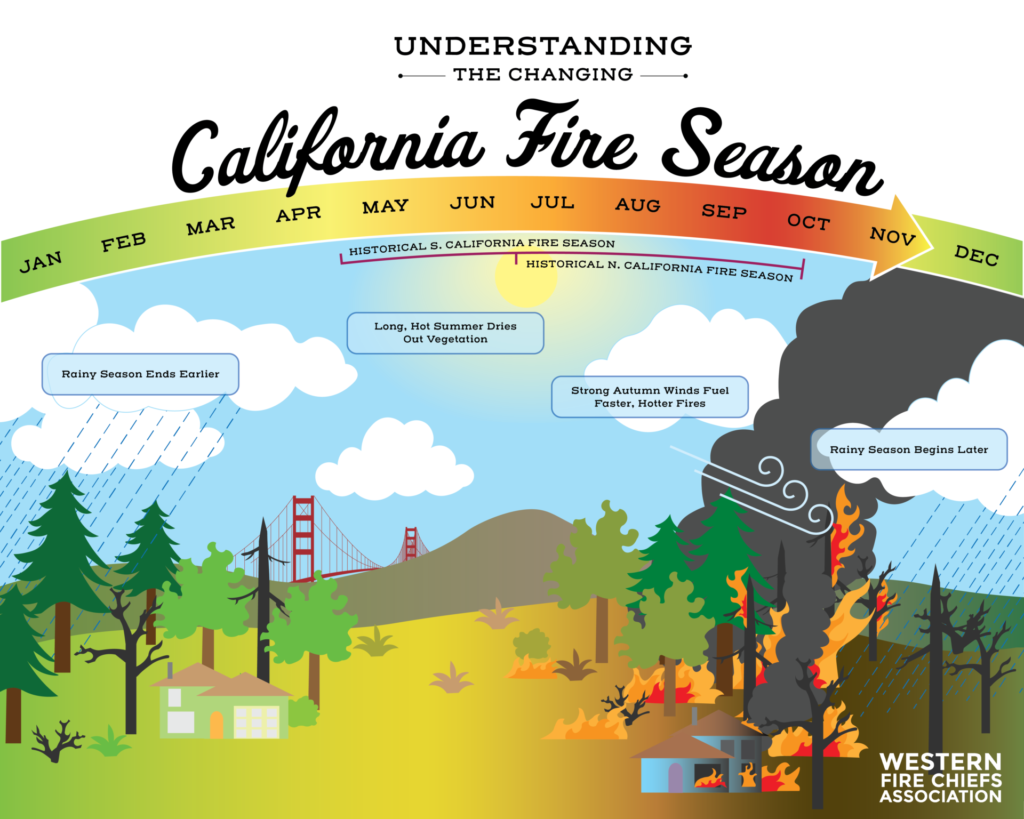
Travel to California during its typical fire season (roughly late spring through fall) requires a proactive and adaptable approach. Rather than canceling plans outright, consider strategic planning and flexibility.
Pre-Trip Planning and Research
Before booking flights or accommodations, perform thorough research on your intended destinations. Look into their historical susceptibility to wildfires and the general timing of fire season in those areas. Consult local tourism boards or destination marketing organizations; they often provide updates on local conditions relevant to visitors. If planning to visit national or state parks like Sequoia National Park or Redwood National Park, check their official websites for current alerts, trail closures, or any fire restrictions, such as campfire bans. Booking accommodations with a flexible cancellation policy can also offer peace of mind.
Insurance and Cancellation Policies
Travel insurance can be an invaluable asset when planning a trip during fire season. Policies vary significantly, so carefully review what is covered. Some comprehensive plans may cover trip interruptions or cancellations due to natural disasters like wildfires, especially if they result in mandatory evacuations or widespread travel advisories for your specific destination. Always read the fine print and understand the conditions under which you can claim reimbursement. Additionally, familiarize yourself with the cancellation policies of your airline, hotel, and any tour operators. Many companies offer more flexible options during periods of natural disaster, but it’s always best to know these terms in advance.
Flexible Booking and Alternative Routes
Flexibility is key. Consider booking flights and hotels with options for changes or cancellations, even if it costs a bit more upfront. If a fire does impact your primary destination, having alternative plans can save your trip. California offers an incredible array of experiences; if the mountains are affected, perhaps a coastal city or a desert retreat like Palm Springs might be a viable alternative. Keep an eye on weather forecasts, particularly for high winds and dry conditions, which can exacerbate fire risks. For road trips, always have a backup route planned in case of unexpected road closures.
Key Regions and Their Current Conditions
Understanding the fire situation in California often involves distinguishing between its broad geographical regions. Each area has unique characteristics and varying levels of risk.
Northern California Concerns
Northern California, particularly its forested inland areas and mountainous regions, has historically seen significant wildfire activity. Areas like Shasta County, Siskiyou County, and parts of the Sierra Nevada range (home to Yosemite and Lake Tahoe) are more susceptible. The famous wine regions of Napa Valley and Sonoma County have also faced challenges. While fires here can be intense, major urban centers like San Francisco or the state capital, Sacramento, are generally well-protected, though they may experience periods of reduced air quality. Travelers planning outdoor excursions in remote areas of Northern California should be particularly diligent in checking conditions.
Central and Southern California Status
Central California includes agricultural regions and extends into the southern Sierra Nevada, encompassing parks like Kings Canyon National Park and parts of Sequoia National Park. These areas can also experience significant fires, particularly in wildland-urban interfaces.
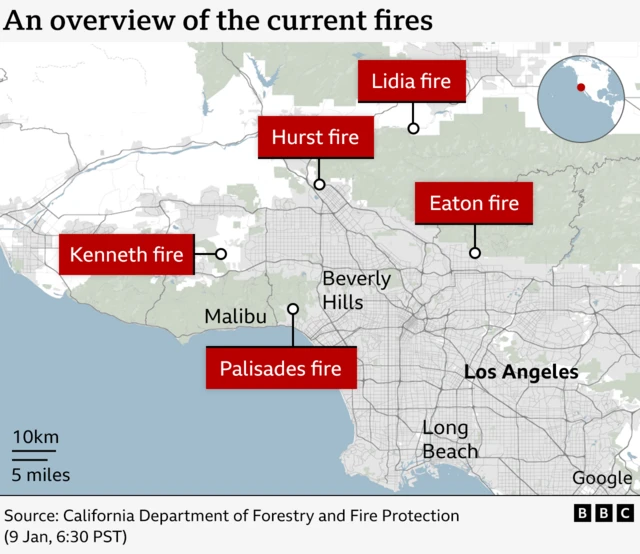
Southern California has a distinct fire landscape, often driven by the Santa Ana winds, which can rapidly spread fires from wilderness areas into suburban communities. However, the vast majority of Southern California’s tourist attractions—from the beaches of Malibu to Hollywood studios and the desert landscapes of Joshua Tree National Park or Death Valley National Park—are far removed from active fire zones. Cities like Los Angeles and San Diego typically remain open and unaffected by active fires, though smoke plumes might occasionally drift over from distant inland blazes, temporarily affecting air quality.
Popular Tourist Destinations: Are They Affected?
Most of California’s premier tourist destinations are well-equipped to handle emergencies and actively monitor fire threats.
- National Parks: Yosemite National Park, Sequoia National Park, and Kings Canyon National Park are typically open but may implement fire restrictions (e.g., no campfires) or close specific roads or trails if a fire is nearby. Always check the park’s official website for the latest updates.
- Coastal Regions: The entire California coast, from Mendocino down to San Diego, is generally less prone to large-scale wildfires due to humidity and different vegetation types. Areas like Big Sur, while picturesque and sometimes near burn scars from past events, are often open for travel, though mudslides post-fire can be a concern during rainy seasons.
- Wine Country: Napa Valley and Sonoma County have demonstrated remarkable resilience. Wineries and tasting rooms often operate normally even during active fire seasons, adapting quickly to any local advisories. It is advisable to call ahead to specific establishments.
Supporting Local Tourism and Safe Exploration
Even during fire season, careful and responsible travel can still be rewarding and is vital for supporting California’s economy.
When and How to Travel Responsibly
When traveling to California during fire season, responsible tourism practices are paramount. This includes adhering to all fire restrictions (e.g., no campfires in certain areas, cautious use of barbecues), staying on marked trails, and properly disposing of all waste. Be extra vigilant with anything that could spark a fire, from cigarettes to vehicle catalytic converters on dry grass. If an area is under an advisory or evacuation order, respect those directives and avoid the area. Consider traveling during the shoulder seasons (spring or late fall/early winter) when fire risk is typically lower, and crowds are often thinner.
Wildlife and Natural Landscapes Recovery Efforts
Wildfires are a natural, albeit sometimes devastating, part of California’s ecosystem. While they cause immediate destruction, many natural landscapes, including forests and chaparral, are adapted to fire and begin to regenerate surprisingly quickly. Some areas may offer unique opportunities for “fire tourism,” allowing visitors to see firsthand the resilience of nature and the ongoing recovery efforts. Respect any closures of burned areas, as they may be unstable or undergoing restoration. Supporting local businesses in fire-affected communities helps them rebuild and recover, contributing to the long-term health of the region’s tourism industry.
Community Resilience and the Future of California Tourism
California’s communities are incredibly resilient. After experiencing wildfires, residents and local businesses often rally together to rebuild and welcome visitors back. The state invests heavily in fire prevention, mitigation, and rapid response, continuously improving its capabilities. For travelers, this means that while vigilance is always necessary, the vast majority of the state remains safe and open for exploration. By staying informed, planning flexibly, and traveling responsibly, visitors can continue to enjoy the unparalleled beauty and experiences that California has to offer, year after year.
LifeOutOfTheBox is a participant in the Amazon Services LLC Associates Program, an affiliate advertising program designed to provide a means for sites to earn advertising fees by advertising and linking to Amazon.com. Amazon, the Amazon logo, AmazonSupply, and the AmazonSupply logo are trademarks of Amazon.com, Inc. or its affiliates. As an Amazon Associate we earn affiliate commissions from qualifying purchases.