
New York City is a realm of towering ambition, an iconic skyline that perpetually stretches towards the heavens. For centuries, its vertical landscape has captivated imaginations, each new supertall structure adding another layer to the city’s storied architectural narrative. When contemplating the concrete giants that define Manhattan, one question frequently arises from visitors and residents alike: “What is the tallest skyscraper in New York?” The answer is not just a simple name and height; it’s a testament to resilience, innovation, and the enduring spirit of a city that never stops building.
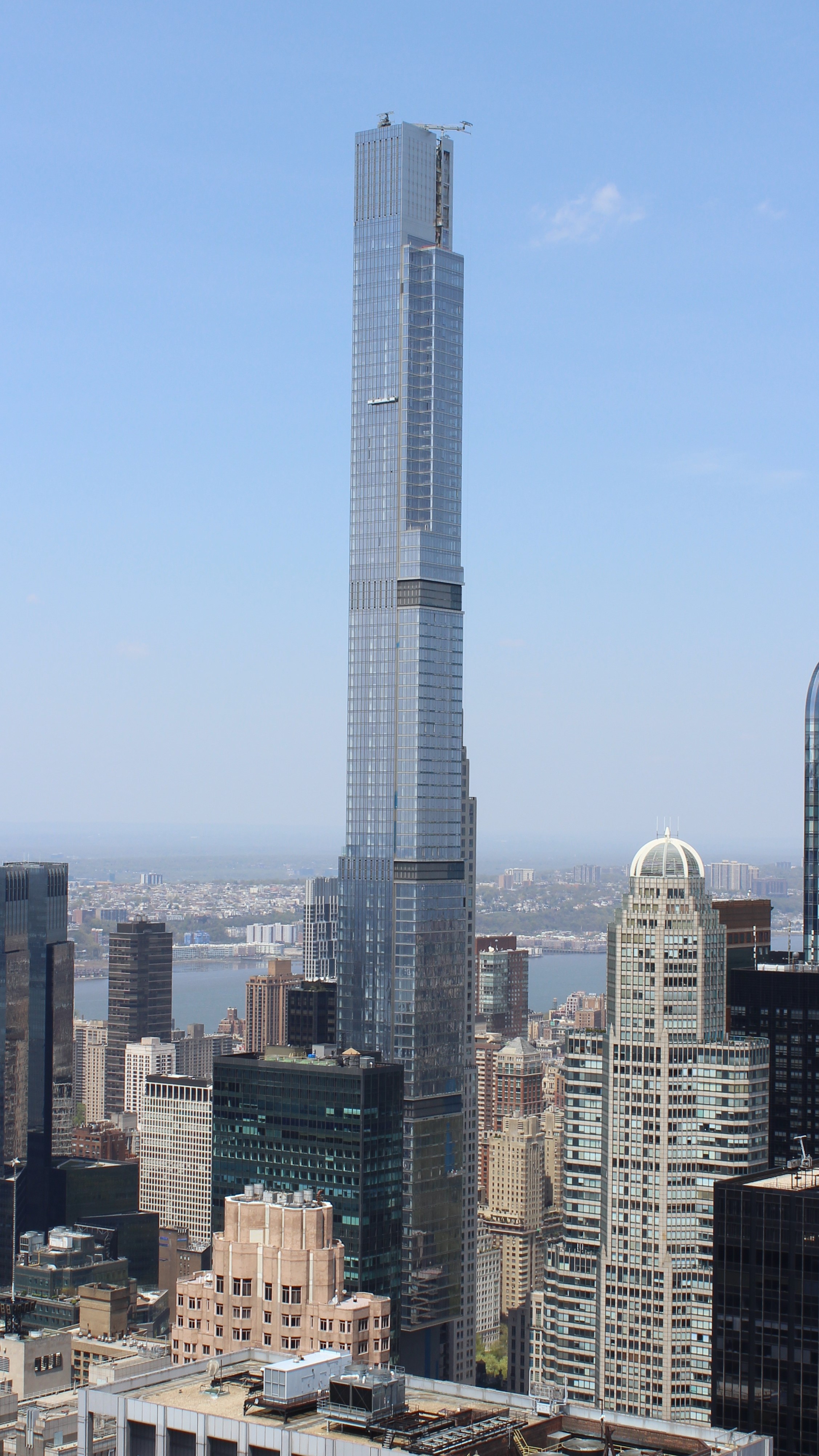
Today, the undisputed champion of the New York skyline is One World Trade Center. More than just a colossal structure, it stands as a potent symbol, a beacon of hope, and a world-class destination for travelers seeking to immerse themselves in the pulse of one of the planet’s most dynamic cities. Its story is interwoven with the very fabric of New York’s history and its future, offering a compelling blend of architectural marvel, historical significance, and unparalleled visitor experiences. This article will delve into the majesty of One World Trade Center, explore the rich tapestry of New York’s other iconic skyscrapers, and guide you on how to best experience these vertical wonders during your next visit, transforming a simple sightseeing trip into an unforgettable journey through a city built on dreams and steel.
The Reigning Monarch: One World Trade Center
Rising majestically above Lower Manhattan, One World Trade Center claims the title of the tallest building in New York, the United States, and indeed, the entire Western Hemisphere. With its spire reaching a symbolic height of 1,776 feet – a direct reference to the year the Declaration of Independence was signed – this skyscraper is more than just a feat of engineering; it’s a profound statement. Completed in 2014, it anchors the rebuilt World Trade Center complex, which includes the deeply moving 9/11 Memorial & Museum, and serves as a vital hub for business, tourism, and remembrance.
A Beacon of Resilience and Renewal
The narrative of One World Trade Center is inextricably linked to the tragic events of September 11, 2001, when the original World Trade Center complex was destroyed. The painstaking decision to rebuild on this sacred ground led to a vision of renewal, memorialization, and a defiant reaffirmation of New York’s spirit. Often referred to as “Freedom Tower” in its early planning stages, One World Trade Center embodies resilience, standing tall as a testament to human determination to overcome adversity and build towards a brighter future.
The surrounding World Trade Center site has been transformed into a vibrant district. The 9/11 Memorial & Museum offers a poignant and respectful space for remembrance and education, drawing millions of visitors annually. The memorial features two reflecting pools, set within the footprints of the original North Tower and South Tower, surrounded by waterfalls and inscribed with the names of those lost. The museum beneath provides a comprehensive and deeply moving account of the attacks, the victims, and the aftermath. Visiting One World Trade Center offers a unique opportunity to engage with both the historical gravitas of the site and the inspiring vision of its rebirth, making it a crucial destination for anyone interested in the city’s modern history and its enduring strength.
Architectural Marvel and Design Philosophy
Designed by David Childs of Skidmore, Owings & Merrill (SOM), One World Trade Center’s architecture is a fusion of symbolism, aesthetics, and cutting-edge engineering. Its sleek, tapering form, with eight isosceles triangular facets, culminates in a magnificent spire that is both functional (housing communication equipment) and symbolic. The building’s base is a fortified concrete structure, designed for maximum security, while the upper floors are clad in glass, reflecting the ever-changing New York sky.
Sustainability was also a key component of its design, with the tower achieving LEED Gold certification. This commitment to environmental responsibility, combined with its advanced safety features, showcases a modern approach to skyscraper construction that prioritizes both human well-being and ecological impact. For architecture enthusiasts, the sheer scale and thoughtful design of One World Trade Center offer a masterclass in contemporary urban development. Exploring its exterior and understanding its structural nuances is an experience in itself, highlighting how modern architecture can blend seamlessly with profound historical significance.
Visitor Experience at the One World Observatory
No visit to One World Trade Center is complete without ascending to the One World Observatory. Located on floors 100, 101, and 102, this observation deck offers a truly immersive and awe-inspiring experience. The journey begins in the Sky Pods, high-speed elevators that transport visitors to the 102nd floor in just 47 seconds, showcasing a captivating time-lapse video that reconstructs the evolution of the New York City skyline from its early days to its current grandeur.
Upon arrival, guests are treated to the “See Forever” theater presentation, a dynamic audio-visual display that culminates in the unveiling of the breathtaking 360-degree panoramic views. From this vantage point, you can gaze upon the entirety of Manhattan, the surrounding boroughs, the Statue of Liberty, Ellis Island, and beyond. Interactive exhibits and knowledgeable guides enhance the experience, providing context and insight into the city unfolding beneath your feet.
The One World Observatory also features a restaurant and bar, offering a chance to dine or enjoy a cocktail with an unparalleled backdrop. For travelers, this attraction is a must-see, combining education, entertainment, and truly spectacular views that make for unforgettable memories. It’s an essential item on any New York City itinerary, perfectly encapsulating the city’s vertical allure.
A City of Giants: New York’s Iconic Skyline
While One World Trade Center holds the crown today, New York’s skyline is a continuous canvas of architectural prowess, home to dozens of other impressive structures that have, at various points, held the title of tallest or simply captivated the world with their beauty and ambition. The story of New York’s skyscrapers is a narrative of competition, innovation, and an unwavering belief in upward mobility.
Historical Titans: Empire State Building and Chrysler Building
No discussion of New York’s skyscrapers would be complete without revering the historical titans that once dominated its skyline. The Empire State Building, completed in 1931, held the title of the world’s tallest building for nearly 40 years. Its iconic Art Deco design, distinctive mast, and illuminated top have made it a global symbol of New York and a beloved landmark. Visiting its observatories on the 86th and 102nd floors remains a quintessential New York experience, offering classic views and a palpable sense of history. Its enduring appeal lies not just in its height, but in its cultural impact, starring in countless films and embodying the city’s pre-war ambition.
Just a year before the Empire State Building, the Chrysler Building briefly held the “tallest” title. Its dazzling Art Deco spire, with its distinct tiered arches and eagle gargoyles, is widely considered one of the most beautiful skyscrapers in the world. While it doesn’t offer a public observation deck, its stunning exterior and lobby are worth admiring for anyone with an appreciation for historical architecture. These two buildings, though surpassed in height, continue to define Midtown Manhattan’s character and attract millions of visitors eager to witness architectural history.
Modern Marvels and Future Horizons
Beyond the historical giants, New York’s skyline continues to evolve with a new generation of supertall and ultra-luxury residential towers, many clustering around Billionaires’ Row near Central Park. Buildings like 432 Park Avenue, with its distinctive grid façade, and Central Park Tower, currently the tallest residential building in the world, push the boundaries of luxury living and slender skyscraper design. The Steinway Tower (111 West 57th Street), known for its extreme slenderness, adds another unique silhouette to this impressive collection.

Other significant contemporary skyscrapers include the Bank of America Tower, known for its sustainable design and prominent spire, and the numerous striking towers within the new Hudson Yards development, which has introduced a futuristic cluster of buildings to the city’s west side. These newer additions showcase innovative architectural approaches, sustainable practices, and the city’s ongoing commitment to pushing the envelope of urban development. Their emergence signifies New York’s relentless pursuit of growth and its ability to constantly reinvent its physical landscape.
Exploring Midtown’s Vertical Wonders
To truly appreciate the diversity and sheer scale of New York’s skyscrapers, a visit to Midtown Manhattan is essential. Here, iconic structures like the Empire State Building, Chrysler Building, and the MetLife Building (which famously straddles Grand Central Terminal) are in close proximity. You can start with a morning visit to the Empire State Building’s observatory, then stroll east to admire the Chrysler Building’s intricate crown.
Another fantastic vantage point in Midtown is the Top of the Rock Observation Deck at Rockefeller Center. While not a skyscraper in itself, its unique location offers unobstructed views of the Empire State Building to the south and Central Park to the north, providing a different perspective of the cityscape, especially at sunset. The newer SUMMIT One Vanderbilt also provides an immersive art and observation experience with stunning views of the Chrysler Building and Empire State Building from its perch above Grand Central Terminal. For those seeking contemporary thrills, The Edge at Hudson Yards offers a dramatic outdoor sky deck with a glass floor, providing an adrenaline-pumping perspective on the city. Walking tours focused on Midtown’s architecture are readily available and provide invaluable insights into the history and design of these magnificent structures.
Beyond the Heights: Experiencing New York’s Skyscraper Culture
Engaging with New York’s skyscraper culture goes beyond merely visiting observation decks. It’s about immersing yourself in the lifestyle, dining experiences, and unique perspectives these towering structures offer. For travelers, understanding how to incorporate these elements into your itinerary can elevate a simple trip into a luxurious and deeply memorable experience.
Where to Stay: Hotels with a View
For many, the dream of visiting New York involves waking up to a breathtaking vista of the city skyline. Fortunately, New York boasts an impressive array of hotels that capitalize on its vertical landscape, offering rooms and suites with unparalleled skyscraper views.
In Lower Manhattan, hotels like the Conrad New York Downtown provide stunning glimpses of One World Trade Center and the Hudson River. These accommodations offer a unique blend of modern luxury and convenient access to the World Trade Center complex and financial district.
Moving uptown, properties such as the Mandarin Oriental, New York at Columbus Circle and The Ritz-Carlton New York, Central Park offer rooms with sweeping views of Central Park and the glittering towers of Billionaires’ Row. Staying in these hotels transforms your accommodation into an integral part of your skyscraper adventure, allowing you to witness the city’s transformation from day to night from the comfort of your room. When booking, always inquire about rooms with a view, as they often come with a premium but deliver an unforgettable experience that perfectly embodies luxury travel.
Dining Above the Clouds: Culinary Experiences
New York City is a culinary capital, and many of its finest restaurants and bars leverage the city’s verticality to offer spectacular dining experiences. Rooftop bars, often found atop hotels or dedicated high-rise buildings, provide a vibrant atmosphere, innovative cocktails, and mesmerizing views of the illuminated skyline. Imagine sipping a drink with the Empire State Building sparkling in the distance, or watching the sunset paint the sky over the Hudson River.
For a truly elevated dining experience, consider restaurants like Peak Restaurant & Bar located on the 101st floor of 30 Hudson Yards, offering modern American cuisine with breathtaking city and river views. Another notable option is The View Restaurant & Lounge at the Marriott Marquis in Times Square, which boasts a unique revolving dining room, providing a constantly changing panorama of Midtown. These establishments not only offer exceptional food and drink but also a distinct lifestyle experience, making them perfect for special occasions or simply to soak in the glamour of New York’s high-rise living.
Planning Your Skyscraper Adventure: Tips for Travelers
To make the most of your skyscraper exploration in New York, a little planning goes a long way.
- Book in Advance: Observation decks like One World Observatory, Empire State Building, and Top of the Rock can be very popular. Purchasing tickets online beforehand is highly recommended to secure your preferred time slot and avoid long queues.
- Timing is Key: Sunset offers arguably the most magical views, as the city transitions from daylight to twilight and then sparkles with millions of lights. However, this is also the busiest time. Consider visiting early morning for fewer crowds and clear views, or late evening to see the city fully illuminated.
- City Passes: Investigate New York Pass or CityPASS options, as they often include access to multiple observation decks and other attractions, potentially saving you money and time.
- Dress Code: If planning to dine at high-end restaurants with views, be mindful of dress codes. Most will require smart casual attire, with some leaning towards business casual or even more formal.
- Weather Check: Clear skies are essential for optimal viewing. Check the forecast before your visit to ensure the best possible experience. Hazy or foggy days can significantly obscure the views.
By following these tips, travelers can ensure a smooth and spectacular journey through New York’s vertical wonders, maximizing their tourism experience and creating lasting memories.
The Broader Impact: Skyscrapers as Cultural and Economic Pillars
New York’s skyscrapers are far more than just tall buildings; they are cultural touchstones, economic engines, and symbols of human ambition. They shape the city’s identity, attract global talent and investment, and continually push the boundaries of architectural and engineering possibility.
Architectural Tours and Urban Exploration
For those with a deeper interest in the design and history of these magnificent structures, consider joining one of the many specialized architectural tours available in New York. Organizations like the AIA New York (American Institute of Architects) offer expert-led walking tours that delve into the intricacies of various neighborhoods, highlighting significant buildings, design movements, and the stories behind their construction. These tours provide a rich context, explaining how architectural styles like Art Deco defined eras and how modernism continues to shape the city.
Beyond formal tours, simply wandering the streets of Manhattan offers an incredible opportunity for urban exploration. Look up! Notice the different styles, the intricate details, and the sheer scale. Explore diverse areas like the Financial District, home to historic structures like the Woolworth Building, or the contemporary glass towers around Hudson Yards. Each block tells a story of development, competition, and the evolving face of New York. This self-guided exploration allows you to discover hidden gems and appreciate the urban landscape at your own pace, connecting with the local culture through its built environment.

The Skyscraper’s Role in New York’s Identity
From the elegant spire of the Chrysler Building to the imposing stature of the Empire State Building, and now the symbolic strength of One World Trade Center, skyscrapers have always been integral to New York’s global image. They represent the city’s entrepreneurial spirit, its economic power as a center for finance, media, and technology, and its cultural vibrancy. These towering landmarks are not merely office spaces or residential units; they are monuments to progress, innovation, and resilience.
The constant evolution of the New York skyline reflects the city’s dynamism and its perpetual quest for improvement and distinction. For tourists, these buildings offer not just incredible views but also a tangible connection to the city’s past, present, and future. They are destinations in themselves, providing unique experiences that range from poignant reflection at the 9/11 Memorial & Museum to the sheer exhilaration of standing atop One World Observatory. Visiting New York is, in many ways, an homage to its skyscrapers, which collectively tell the story of a city that continues to reach for the sky, inspiring millions with its boundless energy and architectural grandeur. Whether you’re interested in travel, luxury accommodation, historical landmarks, or simply experiencing a unique lifestyle, New York’s magnificent skyscrapers offer an adventure unlike any other.
LifeOutOfTheBox is a participant in the Amazon Services LLC Associates Program, an affiliate advertising program designed to provide a means for sites to earn advertising fees by advertising and linking to Amazon.com. Amazon, the Amazon logo, AmazonSupply, and the AmazonSupply logo are trademarks of Amazon.com, Inc. or its affiliates. As an Amazon Associate we earn affiliate commissions from qualifying purchases.