
New York City, a metropolis synonymous with soaring skyscrapers and ambitious architecture, presents a constantly evolving skyline that captures the imagination. Among its many impressive structures, the question of the tallest tower frequently arises. This query not only seeks a simple answer but also delves into the history, engineering marvels, and cultural significance of these colossal constructions that define the city’s identity. While the definition of “tower” can sometimes be debated, particularly when distinguishing between a tower and a building with a spire, in common parlance, the focus often gravitates towards the highest point that pierces the sky.

Defining “Tallest” in New York’s Skyline
The concept of “tallest” in the context of urban landmarks is multifaceted, involving several key considerations. Height can be measured to the architectural top, the highest occupied floor, or the tip of a spire or antenna. For many, the most dramatic and visually striking measurement is the architectural top, which often includes spires and other permanent structural elements that contribute to the building’s overall silhouette.
Architectural Height vs. Occupied Space
When discussing New York’s tallest structures, it’s crucial to differentiate between architectural height and the height of the highest occupied floor. Architectural height is the measure from the ground level to the highest point of the building’s structure, excluding temporary elements like flagpoles or antennas unless they are integral to the design. The highest occupied floor, on the other hand, represents the practical limit of human habitation or use within the building. This distinction is important because a building might have a very tall spire that elevates its overall architectural height significantly, even if its habitable spaces do not reach that extreme.
The Role of Spires and Antennas
Spires have historically played a significant role in defining a skyscraper’s height and visual dominance. They are often permanent architectural features designed to enhance the building’s aesthetic appeal and create a sense of aspiration and grandeur. Antennas, while contributing to the overall verticality, are sometimes excluded from the architectural height calculation, depending on the standards applied by organizations like the Council on Tall Buildings and Urban Habitat (CTBUH). For the purpose of identifying the “tallest tower” in common understanding, elements that are permanently affixed and contribute to the building’s silhouette are typically included.
The Reigning Champion: One World Trade Center
In the post-9/11 era, the construction of the new World Trade Center complex has profoundly reshaped the downtown Manhattan skyline. Central to this redevelopment is One World Trade Center, a structure that not only symbolizes resilience and rebirth but also stands as New York’s tallest. Its design and construction represent a monumental achievement in modern engineering and a poignant tribute to the past.
A Symbol of Resilience and Renewal
The genesis of One World Trade Center was deeply intertwined with the tragic events of September 11, 2001. The desire to rebuild on the site of the former Twin Towers was a powerful statement of the city’s enduring spirit. The tower’s design, conceptualized by architect David Childs of Skidmore, Owings & Merrill (SOM), was meticulously planned to be not only a functional office building but also a secure and iconic landmark that honored the memory of those lost. The process involved extensive community engagement, security considerations, and a vision for a vibrant urban center.
Engineering and Architectural Innovations
The construction of One World Trade Center was a feat of engineering. Standing at an impressive 1,776 feet (538 meters), its height is a deliberate nod to the year the United States Declaration of Independence was signed. The spire, a key element of its height, measures 408 feet (124 meters) and is integrated into the building’s design, making it a permanent part of its architectural top. The tower’s innovative features include a reinforced concrete core, a sophisticated façade designed for both aesthetic appeal and security, and a stepped base that allows for public plazas and green spaces. The construction process itself involved overcoming significant logistical challenges and incorporating cutting-edge building techniques to ensure the structure’s integrity and longevity.
Height Metrics and Official Recognition
Officially, One World Trade Center is recognized as the tallest building in the Western Hemisphere and the third tallest in the world by architectural height. Its total height of 1,776 feet includes the spire, which was confirmed by the Council on Tall Buildings and Urban Habitat (CTBUH) as a permanent architectural feature. This measurement places it above other contenders in New York City, solidifying its status as the city’s paramount skyscraper. The debate over whether the spire constitutes part of the “building” versus an “antenna” was definitively settled by the CTBUH, confirming its architectural inclusion.
Historical Contenders and Notable Structures
Before the rise of One World Trade Center, several other iconic structures vied for the title of New York’s tallest. These buildings represent different eras of architectural innovation and have left indelible marks on the city’s character.
The Empire State Building: An Enduring Icon
For decades, the Empire State Building reigned supreme as the world’s tallest structure and an undisputed symbol of New York City. Completed in 1931, its Art Deco design and imposing stature made it an instant landmark. Its height of 1,250 feet (381 meters) to the roof, with an additional 204 feet (62 meters) for its iconic spire and antenna, made it a beacon of American ambition during the Great Depression. Even after being surpassed, the Empire State Building remains one of the most recognizable and beloved buildings in the world, drawing millions of visitors annually. Its observation decks offer unparalleled panoramic views of the city, cementing its place as a must-visit attraction.
The Chrysler Building: Art Deco Masterpiece
Another architectural gem from the golden age of skyscraper construction is the Chrysler Building. Completed in 1930, it briefly held the title of the world’s tallest building before being overtaken by the Empire State Building. Its distinctive Art Deco spire, adorned with gleaming stainless steel and gargoyles shaped like radiator caps, is a testament to its unique design. With a total height of 1,046 feet (319 meters), including its crown, the Chrysler Building remains a beloved landmark, celebrated for its exquisite craftsmanship and artistic flair. While not currently the tallest, its historical significance and aesthetic beauty continue to captivate.
The Twin Towers: A Lost Legacy
The original World Trade Center towers, completed in the early 1970s, were once the tallest buildings in the world and an integral part of the New York City skyline for nearly three decades. The North Tower stood at 1,368 feet (417 meters) and the South Tower at 1,362 feet (415 meters), making them the undisputed giants of their time. Their demolition on September 11, 2001, was a catastrophic event that not only reshaped the physical landscape but also profoundly impacted the city’s psyche. The memory of the Twin Towers lives on, and their legacy is now embodied in the new One World Trade Center.
Beyond the Tallest: Other Notable New York Towers
While One World Trade Center holds the distinction of being the tallest, New York City is home to a plethora of other impressive towers, each contributing to the city’s dynamic verticality and architectural diversity. These structures are not only feats of engineering but also vital components of the city’s urban fabric, housing businesses, residences, and cultural institutions.
Modern Marvels of Midtown Manhattan
Midtown Manhattan is a dense cluster of skyscrapers, many of which rival each other in height and architectural significance. Buildings like 30 Rockefeller Plaza, part of the iconic Rockefeller Center complex, are architectural landmarks in their own right, famous for their Art Deco design and the “Top of the Rock” observation deck offering stunning views of Central Park and the Empire State Building. The Bank of America Tower, known for its sustainable design, and the sleek, modern silhouette of One Vanderbilt, which directly links to Grand Central Terminal, are further examples of the sophisticated architecture that defines this bustling district.
Residential Skyscrapers and Mixed-Use Developments
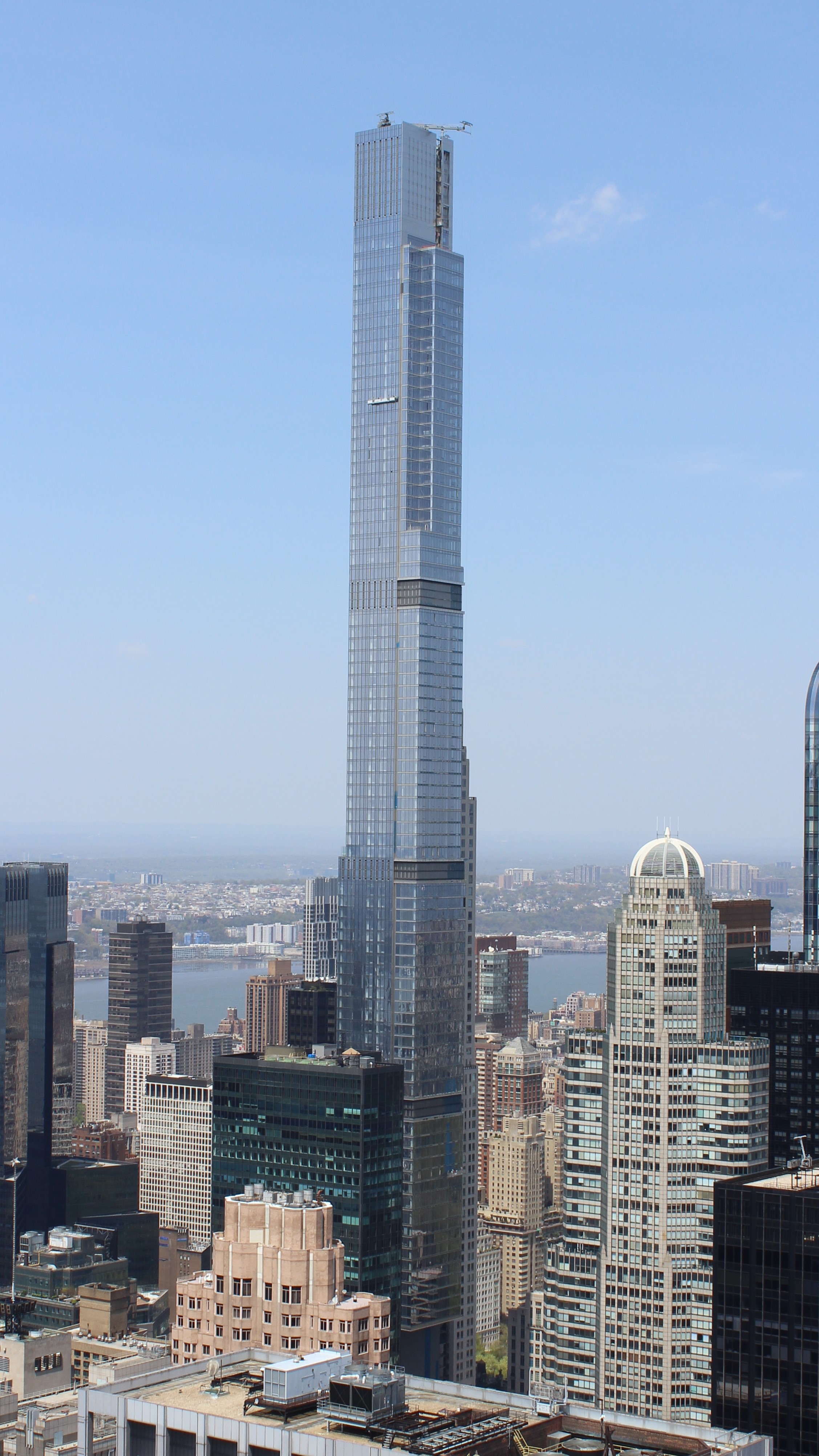
The trend towards supertall residential and mixed-use towers has become increasingly prominent in recent years. These structures, often featuring luxurious amenities and breathtaking views, redefine urban living. Buildings like Central Park Tower, the world’s tallest residential building by roof height, and Steinway Tower (also known as 111 West 57th Street), renowned for its extreme slenderness ratio, showcase the cutting edge of residential skyscraper design. These towers not only provide housing but also often incorporate retail spaces, hotels, and public amenities, contributing to the vibrant ecosystem of the city.
Experiencing New York’s Tallest Structures
Visiting New York City offers numerous opportunities to experience its iconic towers up close and from breathtaking vantage points. These structures are not merely buildings; they are destinations that provide unique perspectives on the city’s grandeur and history.
Observation Decks: A Bird’s-Eye View
For visitors seeking unparalleled vistas, New York’s observation decks are essential stops. The observatory at One World Trade Center, known as “One World Observatory,” offers panoramic views from the 100th floor, allowing guests to survey the city’s sprawling expanse. The classic experience at the Empire State Building provides a historic perspective, while “Top of the Rock” at 30 Rockefeller Plaza offers spectacular views that notably include the Empire State Building itself. More recently, the Edge at Hudson Yards and Summit One Vanderbilt have introduced innovative viewing experiences, featuring cantilevered platforms and immersive art installations.

Architectural Tours and Historical Context
To truly appreciate the significance of New York’s tallest towers, engaging with their history and architectural narratives is invaluable. Many organizations offer guided tours that delve into the design, construction, and cultural impact of these landmarks. Understanding the engineering challenges, the societal context of their creation, and the evolution of skyscraper design provides a deeper appreciation for these urban giants. These tours often highlight the artistry, innovation, and sheer human endeavor required to erect such colossal structures.
In conclusion, while One World Trade Center currently holds the title of the tallest tower in New York, the city’s skyline is a dynamic tapestry woven with the stories of numerous architectural marvels. Each skyscraper, from historical icons to modern residences, contributes to the unique identity and breathtaking allure of this global metropolis.
LifeOutOfTheBox is a participant in the Amazon Services LLC Associates Program, an affiliate advertising program designed to provide a means for sites to earn advertising fees by advertising and linking to Amazon.com. Amazon, the Amazon logo, AmazonSupply, and the AmazonSupply logo are trademarks of Amazon.com, Inc. or its affiliates. As an Amazon Associate we earn affiliate commissions from qualifying purchases.