
Planning a trip to Las Vegas requires more than just budgeting for show tickets and dinner reservations. One of the most frequently overlooked aspects of a vacation budget is the complex web of taxes and fees that apply to your stay. Whether you are checking into a high-end resort or dining at a world-class restaurant, understanding the financial landscape of Nevada is essential for avoiding unpleasant surprises at checkout.
Understanding the Lodging Tax Structure
When you book a room in Las Vegas, the advertised price is rarely the final cost. The tax rate on hotel accommodations in the Clark County region is significantly higher than the standard state sales tax, primarily because it includes several surcharges aimed at funding tourism infrastructure and public services.
The Transient Lodging Tax
In the Las Vegas Strip and surrounding areas, the transient lodging tax is typically around 13.38%. This percentage is composed of several smaller components, including the basic sales tax, a room tax that funds the Las Vegas Convention and Visitors Authority, and additional levies for regional school districts and transportation projects.
Because Las Vegas relies heavily on its status as a premier global travel hub, these taxes are essentially the lifeblood of the city’s ability to maintain its massive convention facilities and public safety protocols. When you see a base rate for a room at Caesars Palace or The Venetian, always apply this percentage mentally to get a closer estimate of your true nightly cost.
The Impact of Resort Fees
It is vital to distinguish between government-mandated taxes and “resort fees.” Many travelers confuse the two, but they serve different purposes. While the 13.38% tax is a legal requirement collected by the city and county, resort fees are discretionary charges imposed by properties like MGM Grand or Wynn Las Vegas.
These fees—which often range from $30 to $50 per night—also attract sales tax. This means you are essentially paying tax on a service fee, which can inflate your total bill further. Always check the fine print on booking sites to see if the taxes are included in the “estimated total” provided during the checkout process.
Sales Tax on Dining, Retail, and Entertainment
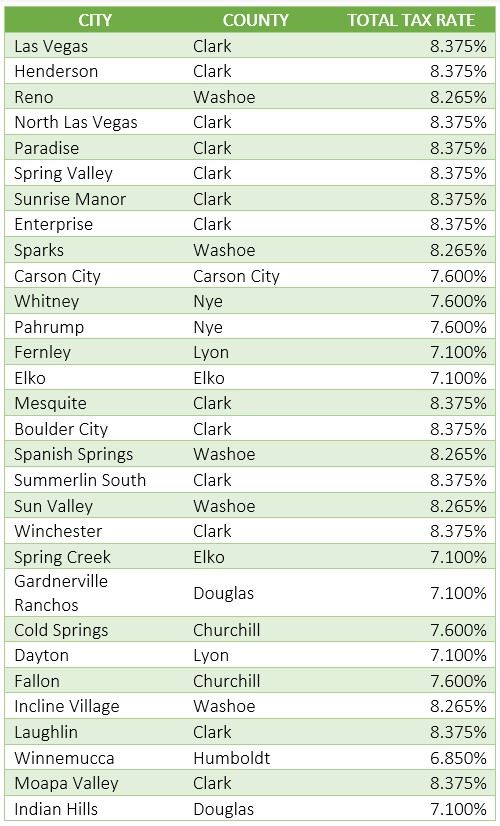
Beyond the walls of your hotel room, Nevada applies a general sales tax to almost every purchase you make. While this is straightforward, it fluctuates slightly depending on your exact geographical location.
Retail and Merchandise
The base sales tax rate in Clark County is currently 8.38%. This applies to everything from a souvenir shop on Fremont Street to a luxury boutique in The Forum Shops at Caesars. Whether you are purchasing clothing, electronics, or personal items, expect this 8.38% to be added to the sticker price.
Food and Beverage
Dining out in Las Vegas follows the same 8.38% sales tax structure. However, it is important to remember that alcohol is often subject to additional excise taxes and liquor-specific levies in Nevada. While these are usually bundled into the final menu price of your cocktail or glass of wine, high-end establishments sometimes itemize them, particularly for large groups or private events.
When dining at iconic spots like The Eiffel Tower Restaurant at Paris Las Vegas, remember that the “bill total” is just the start. Between the sales tax and the customary gratuity expected for service staff in the United States, your final expenditure will be significantly higher than the prices listed on the menu.
Tax Implications for Casino Winnings
One of the unique aspects of visiting Las Vegas is the potential for significant financial gain at the tables or slots. However, all gambling winnings are considered taxable income by the Internal Revenue Service.
Reporting Requirements
If you hit a substantial jackpot at a venue like Bellagio, the casino is required to withhold taxes and issue a W-2G form. While these laws are primarily designed for United States residents, international travelers also face specific tax regulations. Many countries have tax treaties with the United States that may allow for a reduction or exemption of withheld taxes on gambling winnings, but you must be prepared to provide the proper identification and documentation, such as a valid passport or a Taxpayer Identification Number.
Professional vs. Casual Players
The taxation rules differ drastically if you are a professional gambler or a casual tourist. For most visitors, winnings are treated as “other income.” It is highly recommended to keep a log of your losses, as you may be able to deduct gambling losses up to the amount of your winnings on your annual tax return. Always consult with a tax professional before leaving the country if you have had a particularly successful streak at a casino like The Cosmopolitan of Las Vegas.
Strategies for Managing Your Budget
Given the layered nature of taxes in Las Vegas, visitors often feel overwhelmed by the discrepancy between quoted prices and the final credit card charge. Proper planning can mitigate the “sticker shock” that often accompanies a checkout at Circa Resort and Casino or Resorts World Las Vegas.
Factor in the “Hidden” Costs
When building your travel budget, take your base nightly rate and multiply it by 1.15 to account for the combined impact of the 13.38% lodging tax. Similarly, take your daily expected dining budget and add 10% to cover the sales tax. By padding your budget by 10-15% across the board, you ensure that you aren’t forced to cut back on experiences because you neglected to account for mandatory government levies.

Use Pre-Paid Packages
Many travelers find success by booking vacation packages that bundle airfare, hotel, and sometimes even dinner vouchers. When you pay for these packages upfront, the taxes are often calculated and settled at the time of booking. This provides a clearer picture of your total liability before you even step onto a plane. Whether you are staying at The Mirage or a smaller boutique hotel off the Las Vegas Strip, prepaying can help you maintain strict control over your finances.
Ultimately, while the tax environment in Las Vegas is complex, it is a predictable part of the cost of enjoying one of the world’s most vibrant destinations. By recognizing that the 13.38% lodging tax and 8.38% sales tax are constants, you can travel with confidence, knowing exactly what your Nevada adventure will cost from start to finish.
LifeOutOfTheBox is a participant in the Amazon Services LLC Associates Program, an affiliate advertising program designed to provide a means for sites to earn advertising fees by advertising and linking to Amazon.com. Amazon, the Amazon logo, AmazonSupply, and the AmazonSupply logo are trademarks of Amazon.com, Inc. or its affiliates. As an Amazon Associate we earn affiliate commissions from qualifying purchases.